
Determining whether the Motobatt MBTX20UHD is the correct replacement battery for your motorcycle requires a systematic verification process. You cannot rely solely on a compatibility database or a matching model number from an online marketplace. To ensure a successful installation, you must verify that the physical dimensions fit your bike’s battery box, the electrical output matches or exceeds your original equipment manufacturer (OEM) specifications, and the terminal layout aligns perfectly with your existing wiring harness. Taking these steps before purchasing prevents costly return shipping fees, installation delays, and potential damage to your motorcycle’s electrical system.
Understanding the Motobatt MBTX20UHD Specifications
Before purchasing any replacement battery, you must establish a reliable baseline by locating and interpreting its exact specifications. Rather than relying on third-party retail descriptions, always check the manufacturer’s official printed label, packaging, or verified product documentation. This documentation provides the definitive voltage, Amp-hour (Ah) rating, and Cold Cranking Amps (CCA) for the specific unit you are buying.
Battery model numbers can sometimes be misleading, as manufacturers may update internal designs, chemistries, or terminal configurations across different production batches. Relying strictly on the printed label ensures you are working with accurate, real-time data for your specific purchase.
Products mentioned in this guide
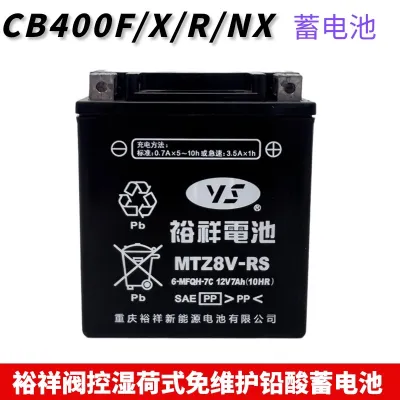
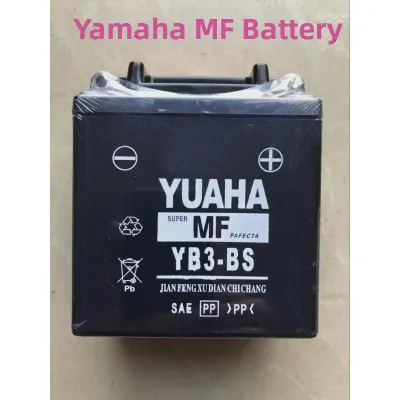
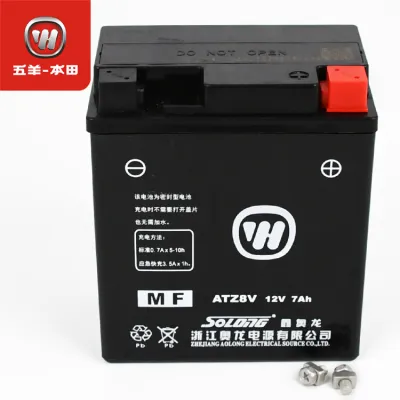
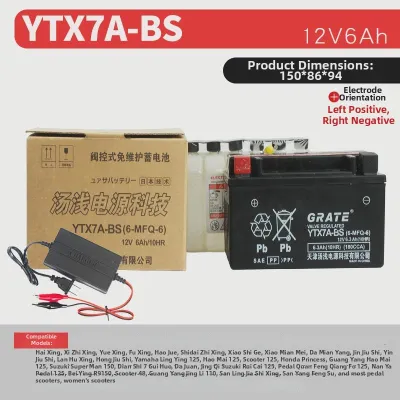
Prices are valid at publication and may change. Please refer to the product page for the latest price.
Additionally, you must identify the battery’s chemistry, such as AGM, Gel, or Lithium. The Motobatt MBTX20UHD utilizes a specific chemistry that dictates its charging profile, maintenance needs, and compatibility with your motorcycle’s charging system. Mixing incompatible chemistries without verifying your motorcycle’s charging system can lead to premature battery failure or electrical malfunction.
Step-by-Step Physical Fitment Check
A secure physical fit is critical to prevent vibration damage and ensure rider safety. Start by measuring the maximum available length, width, and height of your motorcycle’s battery tray or box. Use a precise measuring tool and record these dimensions, keeping in mind any protruding bolts, cables, or structural frame members that might restrict space.

Compare these compartment limits directly against the external dimensions of the Motobatt MBTX20UHD as listed on the official product specification sheet. Be sure to account for the height of the terminals, as some battery designs feature recessed or elevated terminal posts that can interfere with the battery cover or seat base.
Next, inspect the clearance for the battery hold-down bracket, strap, or protective cover. The battery must sit completely flat in the tray and be held firmly in place by the existing hardware. If the battery is loose, excessive road vibrations can damage the internal plates and lead to sudden electrical failure.
This step introduces a strict safety stop condition. If your measurements reveal that the battery is too tall for the compartment cover to close securely, or if it is too small to be tightly clamped by the factory hardware, halt the installation immediately. Do not attempt to modify the battery tray, shave down plastic covers, or use makeshift spacers. Instead, seek an alternative battery size group that matches your motorcycle’s physical specifications.
Electrical and Power Matching Guide
Once physical fitment is confirmed, you must verify that the electrical parameters of the Motobatt MBTX20UHD align with your motorcycle’s power demands. Begin by consulting your motorcycle owner’s manual to find the OEM battery requirements, focusing specifically on the nominal voltage and the minimum Amp-hour capacity.
The voltage of the replacement battery must match your motorcycle’s system voltage, which is typically 12 volts for modern street and off-road motorcycles. Using a battery with incorrect voltage can instantly destroy sensitive electronic control units and instrument clusters, resulting in repairs that can easily cost hundreds of S$.
Next, evaluate the Cold Cranking Amps (CCA) rating. Your replacement battery must meet or exceed the motorcycle manufacturer’s minimum CCA requirement. While a higher CCA rating is generally acceptable and can provide more reliable starts, a battery with a lower CCA rating than specified may fail to turn over the engine, especially during cold mornings or after periods of inactivity.
You must also assess your motorcycle for any aftermarket electrical accessories. Upgrades such as heated grips, auxiliary driving lights, GPS units, or upgraded audio systems place an additional load on the electrical system. If your motorcycle is heavily customized with these accessories, you may need to verify if your charging system can support them and whether a battery with a higher Ah capacity or reserve power is required to prevent deep discharging.
Installation Safety and Terminal Alignment
Proper terminal alignment is essential for a safe and clean installation. Before purchasing, verify the exact position and polarity of the positive and negative terminals on the Motobatt MBTX20UHD relative to your motorcycle’s wiring harness. The cables must connect to the terminals naturally without being stretched, twisted, or pinched against the frame.
When performing any battery service, always prioritize safety by following the correct connection sequence. Before starting, ensure the ignition is turned off and wear appropriate eye protection. When removing the old battery, always disconnect the negative terminal first, followed by the positive terminal. When installing the new battery, reverse this sequence: connect the positive terminal first, and connect the negative terminal last. This sequence minimizes the risk of accidental short circuits if your wrench touches the metal frame while tightening the terminals.
If you find that the terminal layout of the new battery is reversed compared to your original battery, or if the motorcycle’s cables cannot reach the terminals without tension, do not attempt to modify, splice, or forcefully stretch the wiring harness. Modifying high-current starter cables introduces severe electrical resistance, short-circuit hazards, and fire risks. Under these conditions, halt the installation, return the battery, and source a model with the correct terminal orientation. For complex electrical systems or if you are unsure of your technical skills, always consult a qualified professional mechanic to perform the installation.
Frequently Asked Questions (FAQ)
Can I use the MBTX20UHD if my motorcycle originally came with a lithium battery?
Switching battery chemistries from an OEM lithium battery to an alternative chemistry like AGM or Gel requires careful consideration. Lithium batteries operate on different charging profiles, and motorcycles designed specifically for lithium batteries may have charging systems, stators, and regulators optimized for that chemistry. Installing a different battery type could lead to undercharging, overcharging, or damage to both the battery and the motorcycle’s electrical components. Always consult your motorcycle manufacturer or a qualified professional mechanic to verify charging system compatibility before changing battery chemistries.
What should I do if the battery terminals do not align with my motorcycle's wiring harness?
If the terminals on the Motobatt MBTX20UHD do not align naturally with your motorcycle’s wiring harness, do not attempt to force the connection. Pulling or stretching cables can damage the wiring harness, loosen connections over time, or cause the insulation to wear against the motorcycle frame, leading to a short circuit. Splicing or extending the heavy-gauge starter cables is also highly discouraged due to the risk of electrical resistance and fire. The safest resolution is to return the battery and use your physical measurements and required terminal layout to find a compatible alternative model.
Community discussion
Share your experience or ask a question. Comments are reviewed before publication.