
Selecting the right full synthetic motor oil among Mobil 1, Shell Helix, and Castrol EDGE is not about finding a single universal winner. Instead, the correct choice depends entirely on your vehicle manufacturer’s specific engineering requirements, your local driving environment, and your maintenance habits. While all three brands represent the premium tier of engine lubrication, they employ different formulation philosophies designed to address distinct engine stresses.
Before focusing on brand marketing, you must identify the non-negotiable technical specifications required by your vehicle’s engine. Using an oil that does not meet these baseline parameters can lead to accelerated engine wear, reduced fuel efficiency, or even catastrophic mechanical failure.
Understanding Your Engine's Baseline Requirements
Every vehicle engine is designed with specific clearances, operating temperatures, and material compositions. To accommodate these variables, manufacturers specify the exact oil characteristics required to keep the engine running safely. Your first step must always be consulting your vehicle owner’s manual to locate these baseline requirements.
Products mentioned in this guide
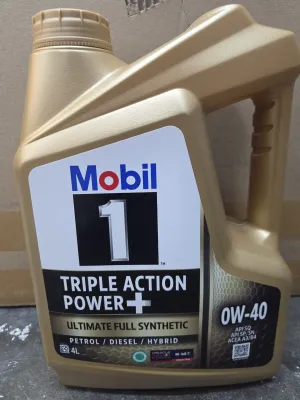
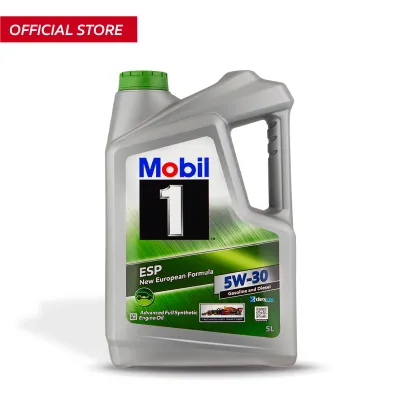
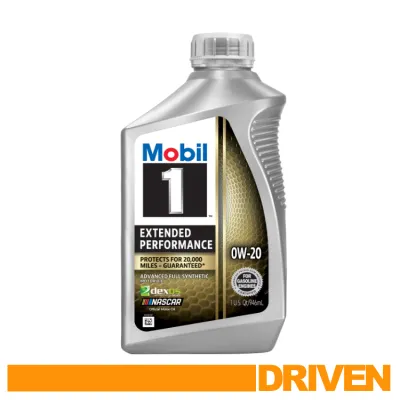
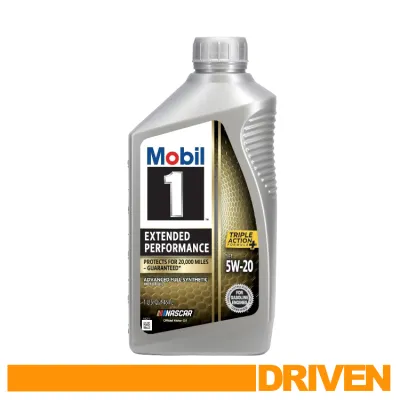
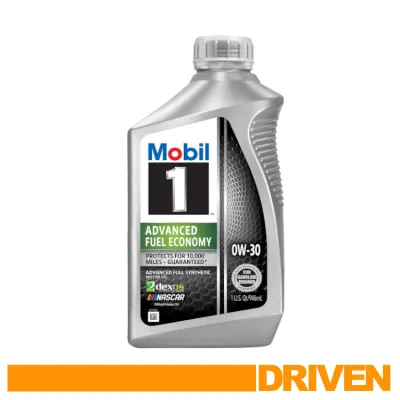
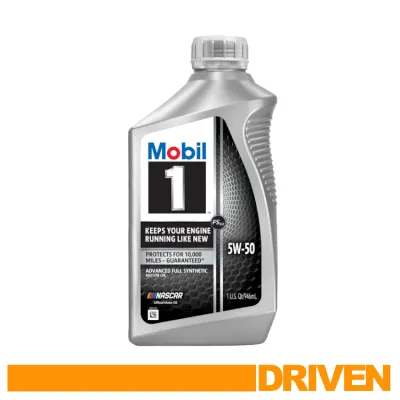
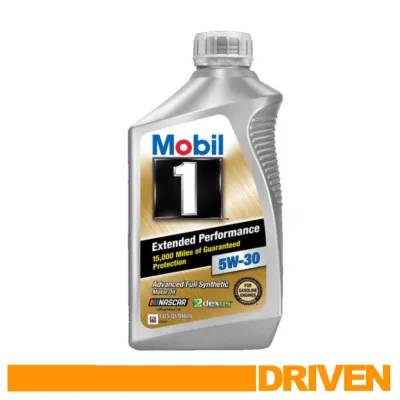
Prices are valid at publication and may change. Please refer to the product page for the latest price.
The most visible specification is the viscosity grade, typically represented by a rating such as 0W-20, 5W-30, or 5W-40. The number preceding the ‘W’ indicates the oil’s flow properties at low temperatures, while the second number represents its viscosity at operating temperatures. Using a viscosity grade other than what is recommended can disrupt oil pressure and compromise lubrication.
Beyond viscosity, you must identify the required industry standards, such as those set by the American Petroleum Institute (API) or the Association des Constructeurs Européens d’Automobiles (ACEA). These standards ensure the oil meets minimum performance criteria for wear protection, oxidation resistance, and deposit control. Modern engines often require the latest standards, such as API SP or ACEA C3, to protect sensitive emissions systems and turbochargers.
Furthermore, many European and modern Asian vehicle manufacturers require specific Original Equipment Manufacturer (OEM) approval codes. Standards like Mercedes-Benz MB-Approval 229.5, BMW Longlife-01, or Volkswagen VW 502 00 are highly specific chemical profiles. Matching these OEM codes is far more critical than brand loyalty, as these approvals guarantee the oil’s additive package is compatible with the specific seals, metals, and operating conditions of your engine.
Brand Profiles: Formulation Focus and Typical Applications
While all premium full synthetic oils aim to protect your engine, Mobil 1, Shell Helix, and Castrol EDGE focus on different aspects of lubrication science. Understanding these engineering priorities helps you align a brand’s strengths with your specific driving needs.

Mobil 1
Mobil 1 is widely recognized for its focus on thermal stability and robust wear protection under extreme temperatures. The brand’s formulation philosophy centers on maintaining a stable molecular structure that resists breakdown when subjected to intense engine heat. This makes it a common factory-fill choice for many high-performance vehicles and sports cars.
The Mobil 1 lineup features several product tiers, including Mobil 1 Triple Action Power and Mobil 1 Gold. These products are engineered to provide extended drain intervals and consistent performance in both high-heat highway driving and cold-start conditions. When selecting a Mobil 1 product, always verify the back label to ensure the specific bottle carries the exact OEM approvals required for your vehicle model.
Shell Helix
Shell Helix places a strong emphasis on engine cleanliness and active sludge prevention. The brand utilizes base oils refined from natural gas rather than crude oil, a process designed to produce a highly pure base fluid. This purity, combined with proprietary cleansing additives, helps prevent the accumulation of harmful deposits that can restrict oil passages.
The flagship tier, Shell Helix Ultra, is particularly suited for vehicles operating in environments prone to carbon buildup and varnish. By keeping internal components free of debris, these formulations help maintain engine efficiency and responsiveness over time. As with any premium lubricant, you must check the specific product packaging to confirm compatibility with your engine’s required industry standards.
Castrol EDGE
Castrol EDGE is engineered with a primary focus on oil film strength and pressure resistance. Modern engines are smaller and more efficient, yet they operate at much higher internal pressures than older designs. Castrol addresses this challenge by formulating its EDGE line to temporarily alter its physical behavior under extreme pressure, reducing metal-to-metal friction.
Common product tiers, such as Castrol EDGE Advanced and Castrol EDGE Professional, are designed for drivers who demand maximum engine performance under heavy loads. This formulation focus is highly beneficial for turbocharged engines and vehicles subjected to spirited driving. Always cross-reference the specific Castrol EDGE bottle with your vehicle manual to ensure it meets the necessary viscosity and certification standards.
Matching Oil Characteristics to Driving Conditions
Your daily driving habits and local climate play a significant role in how motor oil performs inside your engine. A vehicle driven primarily on open highways experiences different thermal and mechanical stresses than one used for short city trips.
In Singapore, the tropical climate presents a constant baseline of high ambient temperatures and humidity. Unlike colder regions where low-temperature flow is a primary concern, vehicles here require an oil that maintains its viscosity and protective film strength under continuous heat. An oil that thins out excessively under tropical conditions cannot provide adequate boundary lubrication, leading to increased wear on critical engine components.
Furthermore, urban driving in Singapore involves frequent stop-and-go traffic, prolonged idling at traffic lights, and short journeys. This driving profile is highly demanding because the engine spends significant time operating outside its optimal temperature range, which accelerates oil oxidation and sludge formation. Under these conditions, choosing an oil with strong deposit-control properties and high thermal stability is essential to prevent premature oil degradation.
For drivers who frequently carry heavy loads, tow trailers, or drive at sustained high speeds on expressways, shear stability becomes the priority. High-stress driving forces the oil through tight clearances under immense pressure, which can physically shear the polymer chains in the oil. Selecting a formulation designed to resist mechanical shear ensures the protective barrier remains intact even under maximum engine load.
How to Read and Verify Oil Labels
To ensure you are purchasing the correct oil for your vehicle, you must look past the marketing claims on the front of the bottle and carefully read the technical specifications on the back label. This verification process is the only way to guarantee engine compatibility and maintain your vehicle’s safety and performance.
Start by locating the API donut or the ACEA service classifications on the back of the packaging. The API donut is divided into sections showing the performance level (such as SP), the SAE viscosity grade (such as 5W-30), and whether the oil has resource-conserving properties. Ensure these ratings match or exceed the minimum standards specified in your owner’s manual.
Next, look for the dedicated list of OEM approval codes. These are typically listed under headings like ‘Specifications’ or ‘Approvals.’ Do not confuse phrases like ‘meets the requirements of’ with official manufacturer approvals. If your vehicle manufacturer requires a certified approval, look for the exact wording, such as ‘MB-Approval 229.51’ or ‘Porsche A40,’ to ensure the oil has been officially tested and approved by the vehicle manufacturer.
Finally, double-check the viscosity grade to ensure it matches your manual’s recommendation for your specific climate. Avoid making assumptions based on brand packaging colors or generic terms like ‘fully synthetic.’ A single brand line, such as Castrol EDGE, contains multiple distinct formulations with different viscosity grades and OEM approvals, making precise label verification essential before every purchase.
Decision Framework: Which Brand Fits Your Needs?
To finalize your choice, evaluate how each brand’s primary engineering focus aligns with your vehicle’s technical requirements and your personal driving habits.
Consider Mobil 1 if your vehicle’s manufacturer manual lists specific OEM approvals commonly found in their lineup, and if your driving habits require an oil with exceptional thermal stability over extended service intervals. This choice is highly suitable for drivers seeking consistent, long-term protection across a wide range of operating temperatures.
Opt for Shell Helix if your daily commute consists primarily of heavy, stop-and-go urban traffic where engine cleanliness and sludge prevention are your primary concerns. The active cleansing properties of this formulation help protect engines that spend significant time idling in high ambient temperatures.
Select Castrol EDGE if your vehicle features a modern, high-pressure turbocharged engine, or if your driving style involves high engine loads that demand maximum oil film strength to prevent metal-to-metal contact.
Before making any purchase, verify whether your vehicle is currently under manufacturer warranty. If so, you must strictly adhere to the exact viscosity and OEM approval codes specified by the manufacturer, regardless of brand preference. Once you have identified the correct technical specification, you can compare local retail prices in S$ per liter among authorized distributors and workshops to find the most cost-effective option for your maintenance budget. For safety and optimal performance, always have your oil changed by a qualified professional or follow the exact service instructions provided in your vehicle’s workshop manual.
Frequently Asked Questions (FAQ)
Can I mix different brands of full synthetic oil? (FAQ)
While mixing different brands of full synthetic oil of the same viscosity will not typically cause immediate engine damage in an emergency, it is generally not recommended for routine maintenance. Each brand uses a unique, proprietary package of chemical additives designed to work together. Mixing brands can disrupt this chemical balance, potentially reducing the overall effectiveness of the wear protection and deposit-control additives. If you must top up your oil with a different brand in an emergency, it is best to schedule a complete oil and filter change as soon as possible to restore predictable engine protection.
Does using a specific brand void my vehicle's warranty? (FAQ)
Using a specific brand of motor oil will not void your vehicle’s warranty, provided the oil meets the exact viscosity grade and OEM approval standards specified by your vehicle manufacturer. Warranty coverage is legally protected based on the oil’s technical specifications, not the brand name on the bottle. To safeguard your warranty, always keep detailed service records, including itemized purchase receipts showing the exact oil specification used during each service. If you are unsure about specific warranty requirements, consult your authorized dealership or review the warranty terms in your owner’s manual.
Community discussion
Share your experience or ask a question. Comments are reviewed before publication.