
Selecting the right premium full synthetic motor oil for your vehicle is not about finding a single, universally superior brand. Instead, the ideal choice between Mobil 1, Shell Helix, and Castrol EDGE depends on matching your vehicle manufacturer’s exact specifications, your daily driving habits, and the specific product tier you select. While marketing campaigns often highlight proprietary technologies and high-performance sponsorships, the physical reality of engine protection comes down to viscosity, industry certifications, and original equipment manufacturer (OEM) approvals.
To make an informed decision, you must look past the front label and evaluate how each oil’s formulation aligns with your vehicle’s mechanical design. Modern engines are built with incredibly tight tolerances and complex variable valve timing systems that require highly specific fluid characteristics. Using an oil that does not meet these precise requirements can lead to accelerated wear, reduced fuel efficiency, or even void your vehicle’s warranty. By understanding the core engineering philosophies of these three major brands and learning how to decode their technical labels, you can confidently select the formulation that offers the best protection and value for your specific driving conditions.
Understanding the Core Brand Positioning
Each of these three lubricant giants approaches engine protection from a slightly different engineering perspective, reflecting their historical development and primary research focus. Mobil 1 has long been recognized for its pioneering role in synthetic lubricant technology, establishing a reputation built on high-performance formulations and extensive partnerships with major global automakers. Their product development often emphasizes thermal stability and wear protection under extreme operating conditions, making them a common factory-fill choice for many high-performance and luxury vehicles.
Products mentioned in this guide
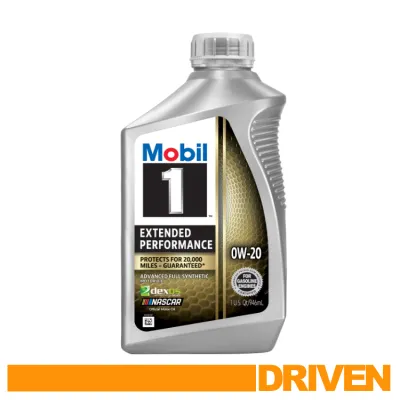
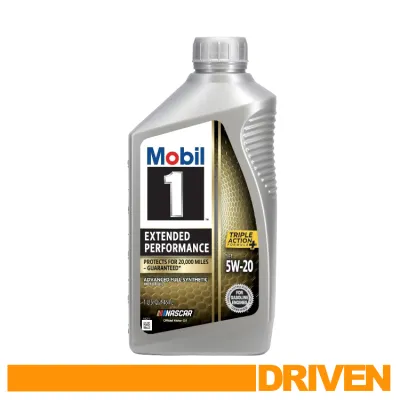
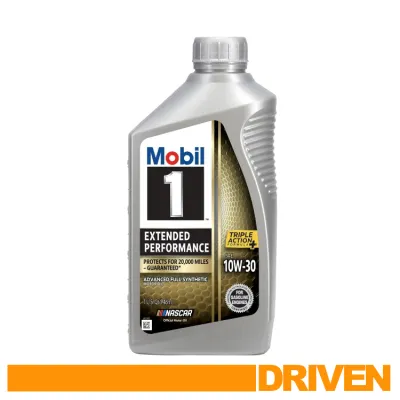
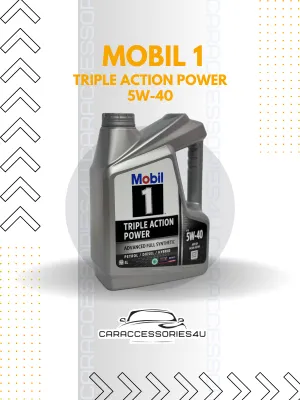
Prices are valid at publication and may change. Please refer to the product page for the latest price.
Shell Helix takes a distinct technological path by focusing heavily on base oil purity and engine cleanliness. A key differentiator in many of Shell’s premium formulations is their gas-to-liquid (GTL) technology, which refines base oil from natural gas rather than crude oil. This process results in a highly pure base fluid that is virtually free of the impurities found in traditional crude, allowing the oil to resist breakdown and actively prevent the accumulation of sludge and deposits inside the engine.
Castrol EDGE positions its product line around mechanical strength and fluid film durability under extreme pressure. Their marketing and engineering focus centers on reinforcing the oil film to prevent metal-on-metal contact in modern, downsized engines that operate at higher pressures than their predecessors. By incorporating specialized additives designed to temporarily alter the oil’s physical behavior under extreme stress, Castrol aims to maintain a protective barrier even when the engine is pushed to its limits.
While these brand-level philosophies provide a useful overview, it is critical to remember that they represent general engineering directions rather than universal performance guarantees. Every brand offers multiple product tiers, ranging from standard full synthetics to specialized high-mileage or extended-drain formulations. The actual protection your engine receives is determined by the specific product tier and its corresponding technical specifications, rather than the brand logo on the bottle.
Key Specifications to Verify on the Label
To choose the correct oil, you must bypass the promotional claims on the front of the bottle and carefully examine the technical information printed on the back label. This section contains the actual engineering certifications and viscosity ratings that determine whether an oil is safe and effective for your specific engine.

Viscosity Grades and Operating Temperatures
The viscosity grade, represented by alphanumeric codes like 0W-20 or 5W-30, indicates how the oil flows at both low and high temperatures. The number preceding the “W” (which stands for Winter) measures the oil’s flow characteristics during cold starts, with lower numbers indicating better flow in cold conditions. The second number represents the oil’s viscosity at the engine’s normal operating temperature, with higher numbers indicating a thicker protective film at high heat.
It is vital to strictly adhere to the viscosity grade specified in your vehicle’s owner’s manual. Modern engines are designed with extremely narrow oil passages and hydraulic components, such as variable valve timing actuators, that rely on precise oil pressure and flow rates to function correctly. A common misconception is that switching to a thicker oil, such as using a 5W-40 instead of a recommended 0W-20, provides better protection in hot tropical climates. In reality, using an oil that is too thick can restrict flow during critical start-up periods, increase internal friction, reduce fuel economy, and potentially trigger engine fault codes.
Industry Standards and OEM Approvals
Beyond viscosity, you must verify that the oil meets the global industry standards established by organizations like the American Petroleum Institute (API) and the European Automobile Manufacturers’ Association (ACEA). These standards are updated periodically to address the changing demands of modern engine designs, such as protecting against low-speed pre-ignition (LSPI) in turbocharged gasoline direct-injection engines. Look for the API “donut” or the ACEA classifications (such as A3/B4 or C3) on the back label to ensure the oil meets these baseline performance criteria.
However, general industry standards are often not sufficient for modern European or highly specialized vehicles, which frequently require specific OEM approval codes. Automakers like BMW, Mercedes-Benz, Volkswagen, and Porsche develop their own rigorous testing protocols and issue unique approval codes, such as BMW Longlife-04, MB-Approval 229.5, or VW 508 00. Before purchasing any oil, cross-reference the exact approval code listed in your owner’s manual with the list of approved specifications on the oil bottle or the manufacturer’s official product data sheet, as formulations can change and a brand’s general reputation does not guarantee compatibility.
Matching the Oil to Your Driving Conditions in Singapore
Your local driving environment plays a massive role in how quickly motor oil degrades and which formulation characteristics you should prioritize. In Singapore, vehicles operate in a distinct tropical climate characterized by consistently high ambient temperatures and high humidity throughout the year. This constant environmental heat accelerates the rate of oil oxidation, a chemical reaction that breaks down the oil’s molecular structure, increases its viscosity, and leads to the formation of harmful acids and sludge.
Furthermore, the typical driving pattern in Singapore involves severe operating conditions that place immense stress on both the engine and the lubricant. Frequent stop-and-go traffic, prolonged idling in traffic jams, and short commutes where the engine rarely reaches its optimal operating temperature prevent the oil from burning off accumulated moisture and unburnt fuel. This moisture and fuel dilution can compromise the oil’s lubricating film, accelerate additive depletion, and promote the formation of low-temperature sludge.
If your daily commute consists primarily of congested city driving and short trips, you should prioritize oils that feature robust detergency and advanced sludge-prevention additives. These additives work to keep soot, carbon, and other contaminants suspended in the oil, preventing them from settling on critical engine components like piston rings and valve trains. Regular inspection of your oil level and condition is essential under these conditions, as severe driving patterns rapidly deplete the protective additives.
Because of these demanding local conditions, it is highly recommended to consult your vehicle’s owner’s manual for the “severe service” maintenance schedule. Many manufacturers recommend shortening the oil change interval—sometimes by half—if the vehicle is regularly driven in heavy traffic, high ambient temperatures, or short-trip scenarios. Relying solely on a premium brand name to extend your oil drain interval under severe conditions without manufacturer authorization can lead to long-term engine damage.
Evaluating Value and Ensuring Authenticity
When comparing Mobil 1, Shell Helix, and Castrol EDGE, evaluating value requires looking beyond the initial purchase price. To make an accurate comparison, you must compare the price per liter across equivalent product tiers, ensuring you are comparing a standard full synthetic with another standard full synthetic, rather than comparing a basic formulation against a premium, extended-drain, or specialized racing variant.
The popularity of these premium brands also makes them targets for counterfeiters, who package cheap, low-quality mineral oil in counterfeit bottles designed to look identical to genuine products. Using counterfeit oil can cause catastrophic engine failure due to rapid thermal breakdown and lack of proper additives. To protect your engine, avoid purchasing oil from unauthorized online marketplaces, social media sellers, or unverified third-party vendors offering prices that seem unusually low.
Instead, purchase your motor oil through established and reliable channels, such as authorized workshops, official brand flagship stores on reputable e-commerce platforms, or well-known automotive retail chains. When purchasing physical bottles, perform a quick quality check: inspect the safety seal under the cap to ensure it is intact, look for clear and crisp label printing, check for a legible batch number and production date stamped on the bottle, and verify any holographic security stickers or QR codes provided by the manufacturer for authenticity verification.
Decision Framework: Which Oil Fits Your Vehicle?
To simplify your choice, use this structured decision framework based on your vehicle’s specific requirements and your primary driving priorities.
Choose Mobil 1 if your vehicle’s manufacturer explicitly requires a specific high-performance OEM approval that is listed on the Mobil 1 product data sheet, or if you prefer a brand with a long-standing reputation for thermal stability in high-performance and luxury engines. It is an excellent choice for drivers who want a highly reliable, widely compatible synthetic oil backed by extensive manufacturer partnerships.
Choose Shell Helix if your primary goal is maintaining engine cleanliness and preventing sludge buildup, particularly if you drive an older vehicle or frequently operate in heavy, stop-and-go city traffic. Its focus on pure base oil technology and active cleansing agents makes it highly suitable for managing the soot and deposits generated by severe urban driving conditions.
Choose Castrol EDGE if your engine operates under high mechanical stress—such as a turbocharged, downsized engine—and the specific Castrol product carries the exact OEM approval code mandated by your vehicle’s manufacturer. Its emphasis on fluid strength under high pressure provides peace of mind for modern, high-stress engines.
Regardless of the brand’s general reputation, always verify first that the exact product tier and viscosity grade you are purchasing carries the specific API/ACEA rating and OEM approval code mandated in your vehicle’s owner’s manual. Never assume compatibility based on brand name alone, as using an unapproved oil can compromise engine protection and void your warranty.
Frequently Asked Questions (FAQ)
Can I mix different brands of full synthetic oil?
In an emergency situation where your oil level is low, topping up with a different brand of full synthetic oil is generally safe, provided the viscosity grade and the API or ACEA specifications match the oil currently in your engine. However, because different brands use proprietary additive packages that may interact unpredictably over extended periods, mixing should only be a temporary solution. To ensure optimal engine protection and prevent potential additive drop-out or reduced performance, it is highly recommended to perform a complete oil and filter change using a single, consistent brand and specification at your next scheduled service.
How do I know when it is time to change the oil?
The most reliable way to determine when to change your oil is to follow the service intervals specified in your vehicle’s owner’s manual, taking care to adjust for severe driving conditions like frequent stop-and-go traffic or short trips. If your vehicle is equipped with an oil life monitoring system, use it as a guide but ensure it is properly reset after every oil change. Additionally, perform regular physical checks using the engine dipstick to monitor the oil level and inspect for any gritty texture; while dark oil is normal and indicates that the detergents are successfully cleaning the engine, a low level or gritty texture indicates immediate attention is required.
Community discussion
Share your experience or ask a question. Comments are reviewed before publication.