
Selecting the right mini blind spot mirror requires balancing physical size, convex curvature, mounting adjustability, frame design, and adhesive durability. These compact secondary mirrors are designed to expand your peripheral vision and help reveal vehicles or obstacles lingering in your blind spots. However, choosing an incompatible model or installing it incorrectly can block your primary side mirror view, compromise built-in safety sensors, or fail under harsh weather conditions.
By understanding how different specifications impact your daily drive, you can select a mirror that integrates seamlessly with your vehicle’s existing equipment and enhances your overall situational awareness on the road.
Decoding Mirror Size and Curvature
When choosing a mini blind spot mirror, physical dimensions and convex curvature are the most critical factors governing what you actually see. A larger mirror naturally provides a wider field of view, but it also occupies more physical space on your vehicle’s primary side mirror. If the blind spot mirror is too large, it can dangerously obstruct your standard rearward view, defeating its original safety purpose. Conversely, an excessively small mirror might minimize obstruction but make it difficult to discern distant objects quickly.
Products mentioned in this guide
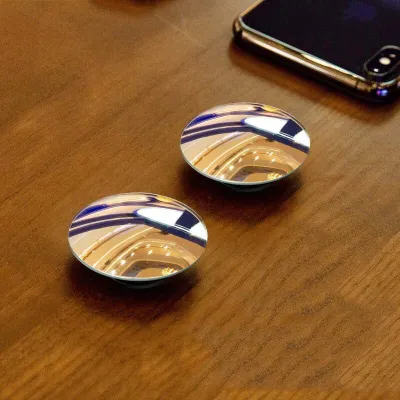
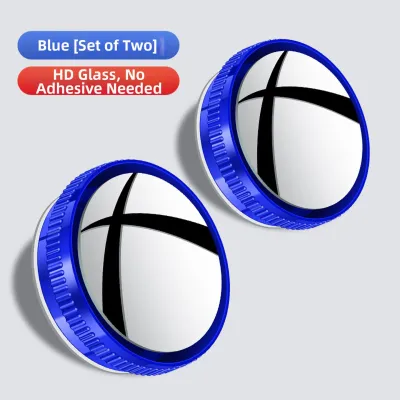
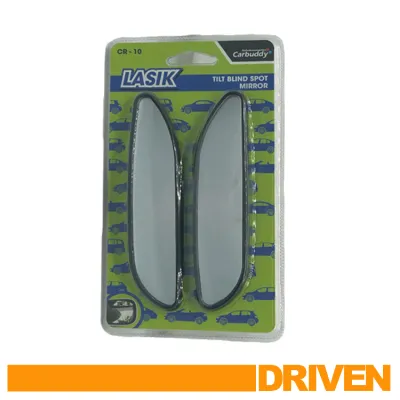
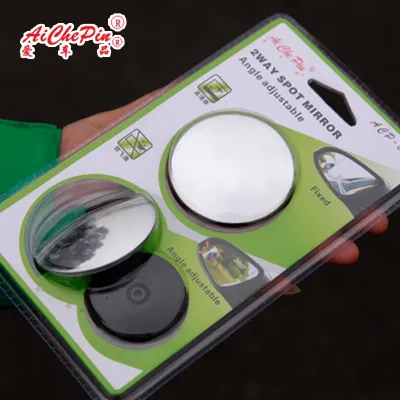
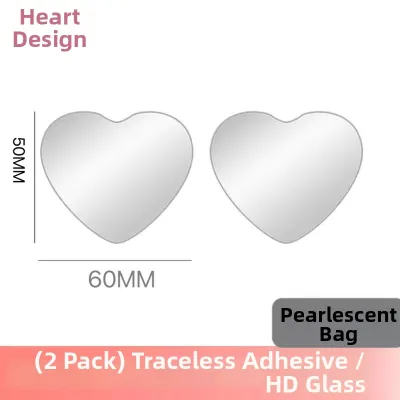
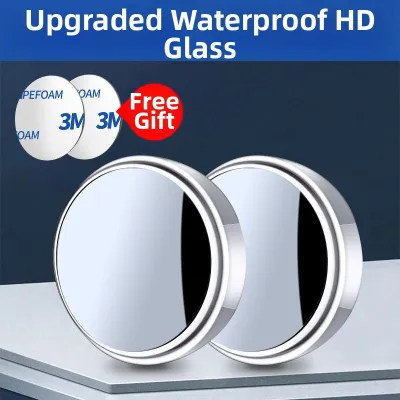
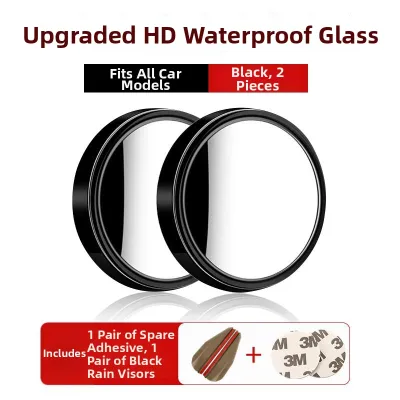
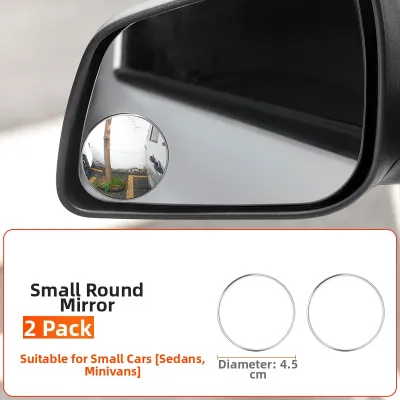
Prices are valid at publication and may change. Please refer to the product page for the latest price.
Convex curvature is what allows these small mirrors to capture a wider angle than flat glass. This curvature bends light outward, compressing a broader scene into a compact space. The trade-off of this design is distance distortion; objects in a convex mirror always appear smaller and further away than they actually are. When shopping, look for mirrors that specify their radius of curvature, as a tighter curve offers a wider angle but increases visual distortion.
Before purchasing, physically measure the glass surface of your vehicle’s side mirrors. Ensure that the mini mirror you select can be positioned in a corner while leaving the vast majority of the primary glass clear. This ensures you maintain a balanced view of both immediate blind spots and long-distance traffic behind you.
Fixed vs. Adjustable Swivel Mounts
Mini blind spot mirrors generally fall into two categories based on how they mount: fixed stationary designs and adjustable swivel mounts. Fixed mirrors glue directly to the side mirror glass, sitting completely flush. This low-profile design is highly aerodynamic, visually unobtrusive, and offers excellent resistance to wind and road vibrations. Because there are no moving parts, a fixed mirror will not shift out of alignment over time or during high-speed highway driving.

Adjustable swivel mounts feature a small pivoting base or ball joint between the adhesive pad and the mirror glass. This allows you to fine-tune the angle of the blind spot mirror independently of the main side mirror. This adjustability is incredibly useful if multiple drivers of varying heights share the same vehicle, as each driver can customize the viewing angle without needing to re-glue the mirror.
However, adjustable mounts do have drawbacks. The added pivot mechanism increases the physical profile of the mirror, making it stick out further from the housing. This extra height can make the mirror more susceptible to catching wind, vibrating on uneven roads, or shifting out of place during automated car washes. If you are the sole driver of your vehicle, a fixed mirror is often sufficient once you find the correct permanent angle during installation.
Frameless vs. Framed Designs
The aesthetic and structural design of a mini blind spot mirror typically comes down to a choice between framed and frameless options. Frameless mirrors feature an open, edge-to-edge glass design. By eliminating the outer border, frameless models maximize the usable reflective surface area relative to their overall footprint. This clean, minimalist look is highly favored for modern passenger cars, as it blends smoothly with the existing mirror glass.
Framed mirrors are surrounded by a protective plastic or rubber bezel. While this frame slightly reduces the active viewing area, it provides crucial structural protection. The frame shields the delicate edges of the glass from chipping caused by road debris, gravel, or minor impacts. Additionally, the frame helps prevent moisture and environmental contaminants from seeping behind the glass and degrading the reflective silver backing over time.
Your choice should align with your typical driving environment and vehicle style. If you frequently drive on gravel roads or in areas with heavy debris, a framed mirror offers superior long-term durability. For urban commuting in sleek passenger vehicles, a frameless design provides a wider, uninterrupted view with a more integrated appearance.
Adhesive Types and Mounting Security
Because blind spot mirrors are exposed to constant wind resistance, rain, and temperature fluctuations, the mounting adhesive must be exceptionally robust. Standard double-sided tape often degrades quickly when exposed to moisture and heat, leading to the mirror falling off while driving. High-quality mini blind spot mirrors utilize automotive-grade, high-bond acrylic foam tapes (such as 3M VHB) that are engineered to withstand extreme environmental exposure.
In tropical climates with high humidity and intense sunlight, such as Singapore, adhesive durability is put to the test. The combination of heavy downpours and high ambient temperatures can soften low-grade adhesives. Choosing a mirror with a verified weather-resistant acrylic foam backing ensures the bond remains secure through seasonal weather shifts and high-pressure car washes.
Proper surface preparation is the single most important factor in ensuring long-term adhesion. The primary mirror glass must be completely free of road grime, wax, oil, and water before application. Furthermore, if your vehicle features heated or auto-dimming side mirrors, you must exercise caution. Some aggressive adhesives can damage specialized anti-glare coatings or interfere with heat transfer, so always consult your vehicle’s documentation before applying any permanent adhesive.
Step-by-Step Positioning and Installation Check
To maximize the effectiveness of your mini blind spot mirror, you must position it carefully. The most common placement zones are the outer lower corner or the outer upper corner of your existing side mirror. Placing the mirror in the outer lower corner is highly effective for monitoring low-lying obstacles, curbs, and adjacent lanes. Placing it in the outer upper corner can provide a slightly elevated perspective, which is useful for tracking taller vehicles in highway traffic.
Before peeling off the permanent adhesive backing, perform a dry-fit test. Use a small piece of temporary painter’s tape to secure the mini mirror in your chosen position. Sit in your normal driving position and adjust your main side mirrors as you normally would. Check if the temporary placement successfully covers your blind spot without blocking critical rearward visibility or creating a dangerous blind zone within the primary mirror itself.
During this dry-fit check, pay close attention to your vehicle’s integrated safety features. Ensure the mini mirror does not obstruct built-in turn signal indicators, blind-spot monitoring warning lights, puddle lamps, or auto-dimming sensors located on or around the side mirror glass. If any of these electronic safety systems are blocked or compromised, relocate the mini mirror to a different corner or select a smaller model. Once you have verified a safe, unobstructed position, clean the glass thoroughly, apply the mirror, and press firmly for the manufacturer-recommended duration to cure the adhesive.
Frequently Asked Questions (FAQ)
Do blind spot mirrors work on heated or auto-dimming side mirrors?
Yes, but you must verify compatibility before installation. Check your vehicle’s owner manual to ensure that applying an adhesive backing will not damage the heating elements or specialized anti-glare coatings on the glass. Additionally, make sure the mini mirror does not cover any light sensors or electronic indicators built into the side mirror surface. If the adhesive or mirror base interferes with these electronic components, stop the installation immediately.
How do I safely remove a blind spot mirror without damaging the glass?
To remove a blind spot mirror safely, use a hair dryer to apply gentle heat to the adhesive backing, which softens the bond. Once warmed, slide a piece of dental floss or a flexible plastic pry tool behind the mini mirror to gently slice through the softened foam tape. Avoid using sharp metal scrapers or screwdrivers, as these can easily scratch the glass or damage the mirror housing. Clean any remaining adhesive residue using a non-abrasive solvent cleaner authorized for automotive glass.
Community discussion
Share your experience or ask a question. Comments are reviewed before publication.