
Choosing the right car wash mop material is the single most important decision you can make to protect your vehicle’s clear coat from unsightly swirl marks and micro-scratches. While a mop offers the reach and convenience needed to clean tall roofs and wide hoods, the material touching your paint determines whether dirt is safely lifted away or dragged across the surface. For most modern clear coats, microfiber and chenille mops are the safest options because their deep fiber structures encapsulate abrasive road grime, whereas traditional sponge mops present a much higher risk of scratching due to their flat, non-porous surfaces.
What Makes a Car Wash Mop Safe for Your Paint?
To understand why certain materials protect your paint while others damage it, you must look at how they interact with dirt and water at a microscopic level. When you wash a car, you are not just wiping away dust; you are managing abrasive particles like road grit, sand, and industrial fallout. A safe wash tool must isolate these particles immediately upon contact so they cannot grind against the clear coat under the pressure of your hand or mop pole.
The first key factor is dirt trapping ability, often referred to as encapsulation. Safe materials feature microscopic or macroscopic fibers that lift dirt particles off the paint and hold them deep within the pile, away from the contact zone. This prevents the debris from acting like sandpaper as you glide the mop across the panel.
Products mentioned in this guide
![[SG SELLER] Car wash mop chenille three-section telescopic special brush soft hair cleaning car washing tool Extendable Pole](https://img.lazcdn.com/g/p/d31fb8364b82df5a5dc0e20c6abd9e66.png_400x400q80.png_.webp)
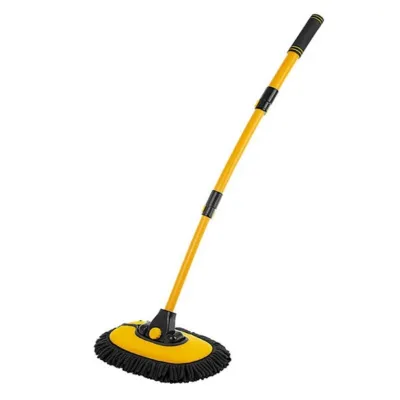
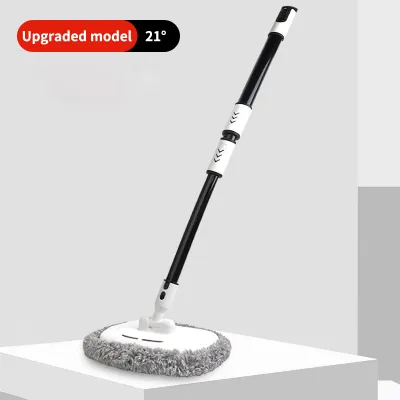
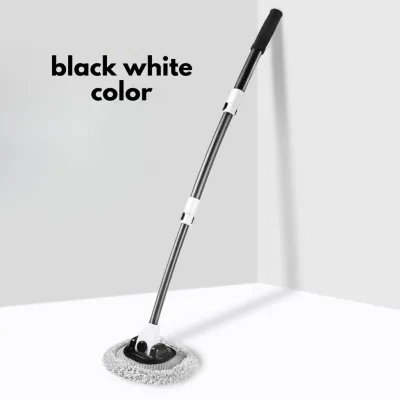
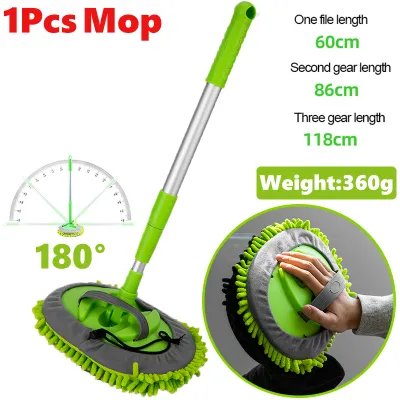
![[SG] Car Wash Mop ✨ Car Shampoo Window Cleaner Car Cloth Car Brush Car Mop](https://img.lazcdn.com/g/p/32f40ca9edbe236ae444a08011af58d0.png_400x400q80.png_.webp)
![[SG] Car Wash Mop ✨ Window Cleaner Car Cloth Car Brush](https://img.lazcdn.com/g/p/1f0bc8e8ba6384d1438dbdcb6a268dca.jpg_400x400q80.jpg_.webp)
![[SG] Car Wash Mop ✨ Car Shampoo Window Cleaner Car Cloth Car Brush Car Mop](https://img.lazcdn.com/g/p/e29b5e1442996231402eecbd34256adc.jpg_400x400q80.jpg_.webp)
Prices are valid at publication and may change. Please refer to the product page for the latest price.
Lubrication and water retention are equally critical. Water acts as a barrier and a lubricant, reducing friction between the wash tool and the paint. A mop that holds a large volume of soapy water continuously releases lubrication as you work, allowing the tool to glide effortlessly.
Pile depth and density also dictate how contact pressure is distributed. A deep pile cushions the physical force you apply, ensuring that any minor pressure is spread evenly rather than concentrated on a single trapped piece of grit.
Finally, a safe mop material must release its trapped dirt easily when swirled in a rinse bucket. If the fibers hold onto grit too tightly, you risk transferring that same dirt back onto the next panel, defeating the purpose of your wash routine.
Microfiber Mops: The Standard for Dirt Trapping and Scratch Prevention
Microfiber mops have become the industry standard for automotive detailing due to their exceptional ability to lift and hold microscopic debris. These mops are constructed from synthetic fibers—typically a blend of polyester and polyamide—that have been split to create tiny hook-like structures. These split fibers use capillary action to draw dirt, oil, and moisture deep into the material, keeping them safely isolated from your vehicle’s delicate clear coat.

This material is highly recommended for heavily soiled vehicles, cars with ceramic coatings, and regular maintenance washes. If your car is parked in open-air lots where it accumulates fine atmospheric dust and industrial fallout, microfiber’s precise cleaning action ensures these fine particles are lifted rather than smeared.
However, microfiber does have limitations, particularly regarding water retention. Because the fibers are incredibly fine, they do not hold as much free-flowing soapy water as thick chenille noodles. This means you will need to dip the mop into your wash bucket more frequently to maintain adequate lubrication, especially when working in warm climates where soapy water evaporates quickly on hot panels.
When shopping for a microfiber car wash mop, always perform a few verification checks on the product label or specifications. Look for the GSM (grams per square meter) rating; a higher GSM (typically 300 to 500 for mops) indicates a denser, softer pile that offers better cushioning. Inspect the pile length to ensure it is deep enough to handle typical road grime, and verify that the edge stitching is made of soft material or covered with silk banding to prevent the edges from scratching the paint.
Chenille Mops: Maximum Lubrication for Delicate Finishes
Chenille mops, easily recognized by their distinctive “caterpillar” or “noodle” appearance, are designed to maximize water delivery and surface lubrication. Each noodle is composed of woven microfiber strands wrapped around a central core, creating a massive surface area that can hold an exceptional volume of soapy water. This high water capacity creates a thick cushion of suds between the mop and your paint, allowing the tool to glide with minimal friction.
These mops are ideal for washing lightly dusty vehicles, cars with delicate single-stage paint finishes, or for preparing a vehicle for a rinseless wash. The heavy lubrication is particularly beneficial in tropical climates, where keeping the paint surface wet and cool during a wash is a constant challenge.
Despite their excellent lubricating properties, chenille mops carry specific trade-offs. When fully saturated, they become significantly heavier than standard microfiber mops, which can increase physical fatigue during a long wash session. Additionally, if you do not keep the mop fully saturated, the heavy noodles can drag flat against the paint, increasing friction. The deep recesses between the noodles can also make it more difficult to thoroughly rinse out larger debris, requiring extra care during the bucket-rinse phase.
To ensure you are buying a high-quality chenille mop, inspect the density of the noodles on the backing pad. Sparse noodles allow the hard plastic or foam backing of the mop head to make contact with your paint, which can cause severe damage. Check that the noodles are securely stitched to the base and that the core material inside each noodle is soft and flexible.
Sponge Mops: High Suds but Higher Scratch Risks
Traditional sponge mops are widely available and produce a satisfying amount of thick suds, but they are generally not recommended for modern clear coat finishes. The fundamental issue with a sponge is its flat, non-porous surface structure. Unlike microfiber or chenille, which have deep piles to hide dirt, a sponge holds dirt particles directly on its flat surface, pressing them against the paint as you wipe.
This flat contact zone creates a high risk of inducing swirl marks, spiderweb scratches, and micro-marring on glossy paint finishes. Even a tiny grain of sand trapped between a flat sponge and your clear coat will be dragged across the panel, leaving a visible scratch in its wake.
While you should avoid using sponge mops on your car’s primary paintwork, they still have a place in a complete detailing kit. Their dense, scrubbing nature makes them highly effective for cleaning non-paint surfaces, such as heavily textured off-road vehicle trim, plastic wheel arch liners, wheels, and tires.
If you choose to keep a sponge mop in your wash kit, establish strict boundaries to protect your paint. Ensure the sponge is color-coded or clearly marked so it is never accidentally used on the hood, doors, or trunk. Always inspect the sponge before use to ensure no sharp debris has become permanently embedded in its pores.
Decision Guide: Which Mop Material Fits Your Washing Routine?
Selecting the right car wash mop requires balancing your vehicle’s paint condition, your local washing environment, and how much effort you want to put into maintenance. To help you compare your options at a glance, the table below outlines how each material performs across key categories.
| Mop Material | Dirt Trapping Ability | Lubrication & Water Retention | Scratch Risk | Maintenance Effort | Best Suited For |
|---|---|---|---|---|---|
| Microfiber | Excellent (lifts and locks fine particles) | Moderate (requires frequent bucket dipping) | Very Low | Moderate (requires dedicated washing) | Daily drivers, ceramic-coated cars, heavy road grime |
| Chenille | Good (holds dirt between noodles) | Excellent (holds massive amounts of soapy water) | Very Low | Moderate to High (requires thorough rinsing) | Delicate paints, dusty cars, quick maintenance washes |
| Sponge | Poor (pushes dirt across the surface) | High (holds suds but lacks safe release) | High | Low (easy to rinse and dry) | Wheels, tires, lower plastic trim, off-road vehicles |
If you want a reliable, all-around tool that balances safety and cleaning power for a daily driver, choose a microfiber mop. Its split-fiber technology is unmatched at removing the stubborn road film that accumulates from daily commuting.
If you prioritize maximum lubrication and have a vehicle that mostly accumulates light dust, choose a chenille mop. The heavy water release will help you glide over the paint with virtually zero friction, preserving your wax or sealant layer.
Regardless of the material you choose, always verify the manufacturer’s specifications regarding mop head compatibility. Many car wash mops feature removable pads that attach via hook-and-loop systems or elastic pockets. Ensure the replacement pads you buy match the exact dimensions and mounting style of your existing mop handle to prevent the hard edges of the handle from slipping out and striking your paint.
Essential Mop Care to Protect Your Paint Over Time
Even the safest microfiber or chenille mop will scratch your paint if it is not properly maintained. Over time, road grime, tiny sand particles, and dried soap residue can accumulate within the fibers, turning a soft wash tool into an abrasive hazard. Implementing a strict care routine is essential to preserve the soft texture and cleaning efficiency of your mop.
Before every wash, perform a thorough pre-wash inspection. Run your clean fingers through the fibers or noodles to feel for any embedded twigs, small pebbles, or hardened debris. If you find any contamination that cannot be easily plucked out, wash the mop head thoroughly before letting it touch your vehicle.
When washing your mop heads, always follow specific care instructions to avoid damaging the synthetic fibers. Wash them separately from household towels to prevent cotton lint from clogging the microfiber pores. Use a dedicated microfiber detergent or a mild liquid detergent without any added fabric softeners or scents, as these additives coat the fibers and ruin their natural dirt-trapping abilities. Keep wash temperatures cool or warm, as high heat can melt the delicate synthetic tips, causing them to harden and scratch your paint during the next wash.
Proper drying and storage are just as important. Air-dry your mop heads in a clean, dust-free indoor area, or tumble dry on a no-heat setting. Once completely dry, store them in a clean, sealed plastic container or a zip-top bag to prevent airborne dust and garage grime from settling on the clean fibers.
Finally, know when it is time to retire your wash tool. If the fibers become permanently matted, feel stiff to the touch even after washing, or show heavy, permanent staining, they have reached the end of their lifespan. Replacing a worn-out mop head is a small investment that protects you from the high cost of paint correction and polishing.
Frequently Asked Questions (FAQ)
Can I use the same mop for my car's paint and its wheels?
No, you should never use the same mop head for both your paint and your wheels. Wheels accumulate highly abrasive brake dust, metallic particles, and road salt that can easily become permanently embedded in the mop fibers. If you transfer these particles to your car’s delicate clear coat, you will cause severe scratching and swirl marks. Always use dedicated, separate tools—ideally color-coded—for your wheels and your paintwork.
Is a wash mitt better than a car wash mop?
Neither tool is universally better; instead, they serve different purposes and are best used in tandem. A hand-held wash mitt offers superior tactile feedback, allowing you to feel the contours of the vehicle and clean intricate areas like grilles, door mirrors, and tight body lines with high precision. A pole-mounted car wash mop, on the other hand, provides the reach and speed needed to clean large, flat surfaces like roofs, hoods, and the upper panels of SUVs without physical strain. For the safest and most efficient routine, use a mop for the high, hard-to-reach areas and a mitt for the lower, more detailed sections of your vehicle.
Community discussion
Share your experience or ask a question. Comments are reviewed before publication.