
Selecting the right car wash mitt is one of the most critical decisions you can make for your vehicle’s exterior maintenance. The choice between microfiber, chenille, and lambswool is not merely a matter of personal preference; it directly impacts how safely and effectively you can clean your car’s paintwork. Using the wrong material for your specific paint type or dirt level can lead to micro-marring, unsightly swirl marks, and a gradual loss of gloss over time.
To protect your vehicle’s clear coat, you must match the physical properties of the wash mitt to the hardness of your paint and the type of contamination you regularly encounter. Microfiber mitts offer exceptional precision for delicate finishes, chenille noodles provide a heavy cushion of lubrication for daily road grime, and natural lambswool delivers unmatched softness for those willing to commit to meticulous tool maintenance. Understanding these differences allows you to establish a safe, effective washing routine that preserves your car’s finish.
Assessing Your Vehicle's Paint Condition and Wash Needs
Before purchasing a car wash mitt, you must evaluate the current state and characteristics of your vehicle’s paintwork. Paint hardness varies significantly across different automotive manufacturers. For example, many Japanese imports are known for having relatively soft clear coats that scratch under minimal friction, whereas many European vehicles feature harder clear coats that offer slightly more resistance to light swirling. You can check manufacturer specifications or consult professional detailing forums to understand your vehicle’s paint characteristics, or perform a simple visual inspection under direct sunlight or a dedicated detailing light to identify existing defects.
Products mentioned in this guide
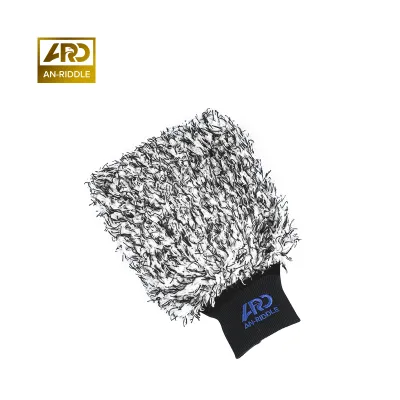
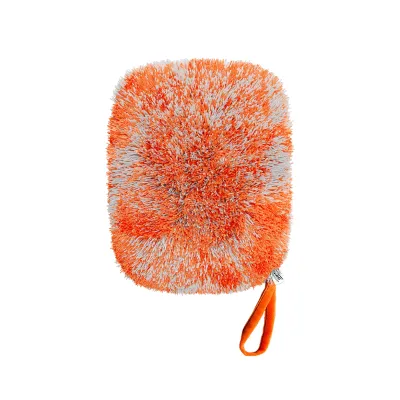
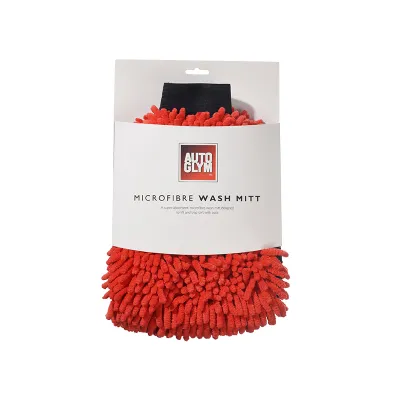
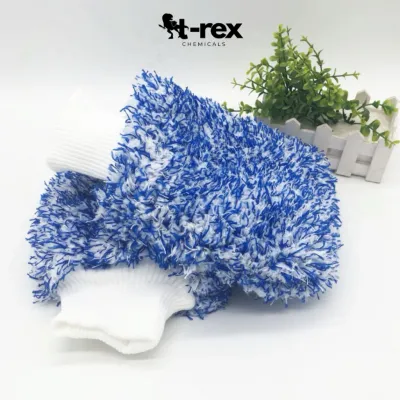
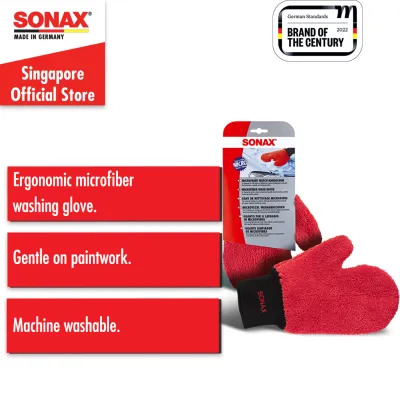
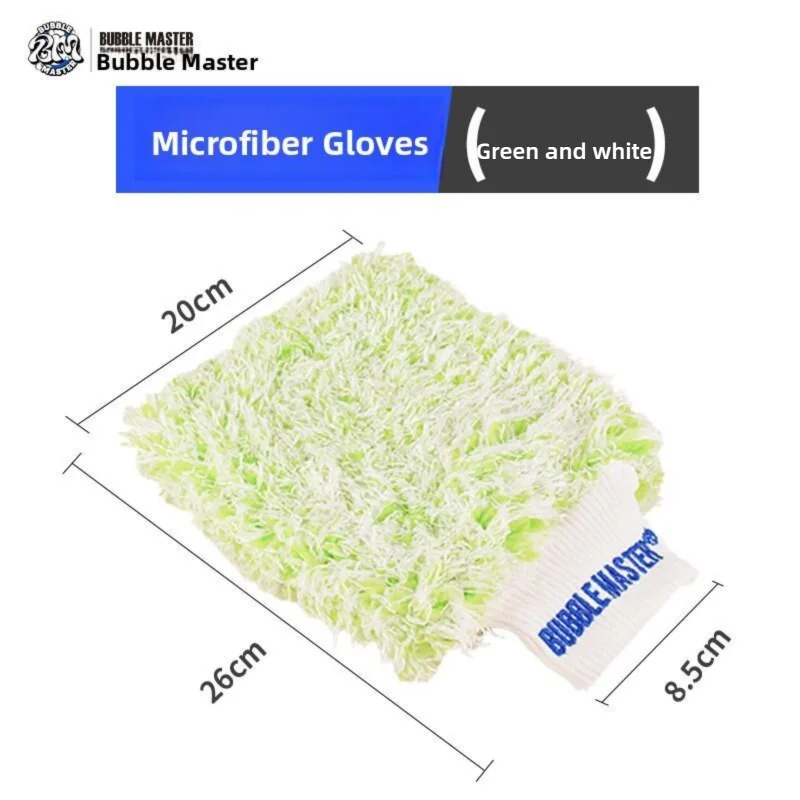
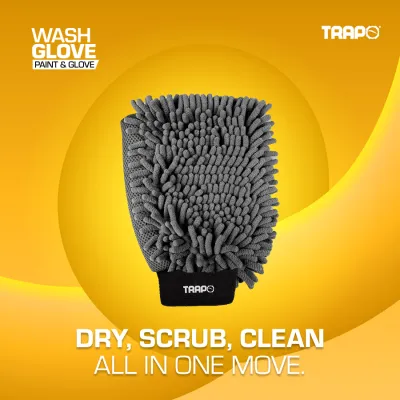
Prices are valid at publication and may change. Please refer to the product page for the latest price.
The environment in which you drive also dictates your washing requirements. In urban tropical environments like Singapore, vehicles are frequently exposed to sudden rain showers, industrial fallout, and oily road grime. If your car is primarily garage-kept and only accumulates light environmental dust, your wash needs will be vastly different from a daily driver that travels long distances and accumulates heavy road film on its lower panels. Matching your mitt to these specific contamination levels prevents you from using an overly aggressive or underperforming tool.
Finally, you must recognize when physical contact with the paint should be delayed. If your vehicle is covered in thick mud, gritty road salt, or heavy dirt, wiping it immediately with any wash mitt—regardless of material—will grind those abrasive particles into the clear coat. In these scenarios, a thorough touchless pre-wash using a dedicated snow foam or pre-wash spray is necessary to loosen and rinse away the bulk of the contamination before you make physical contact with the surface.
Microfiber Mitts: Structural Properties and Ideal Use Cases
Microfiber car wash mitts are highly popular due to their engineered synthetic construction. These mitts feature split-fiber technology, where the individual polyester and polyamide fibers are split during manufacturing to create microscopic hooks. This structure allows the mitt to physically lift, trap, and hold fine dust and light dirt particles deep within the fibers, keeping them away from the paint surface during the wash process.

These properties make microfiber mitts the ideal choice for lightly soiled vehicles, delicate or soft clear coats, and regular maintenance washes. If you wash your car weekly and focus on maintaining a pristine, swirl-free finish, a high-quality microfiber mitt provides the precision and safety required to glide over the paint without causing marring. Their synthetic nature also makes them highly durable and resistant to chemical degradation from various car shampoos.
However, microfiber mitts do have limitations. They generally hold less water and lubricating suds compared to thicker chenille noodles or natural lambswool. This lower water retention means you must return the mitt to your wash bucket more frequently to replenish lubrication. Additionally, if you do not flush the mitt thoroughly in a rinse bucket, embedded grit can remain trapped near the surface of the tight fibers, posing a scratching risk on subsequent passes.
When selecting a microfiber mitt, always verify the specifications on the product label. Look for a high grams per square meter (GSM) rating, as a higher GSM indicates a thicker, plusher pile that offers better cushioning. Inspect the edge design to ensure there are no hard nylon seams or exposed stitching that could contact the paint, and check that the inner lining and cuff are securely stitched to prevent tearing during use.
Chenille Mitts: Structural Properties and Ideal Use Cases
Chenille car wash mitts, commonly referred to as “noodle” mitts, are easily recognized by their distinctive woven microfiber tubes. These thick, caterpillar-like noodles are designed to maximize surface area and create large voids between the fibers. This physical structure allows the mitt to absorb and hold an exceptionally high volume of water and lubricating car shampoo, creating a thick, soapy cushion between the mitt’s backing material and your vehicle’s paint.
This high water retention makes chenille mitts highly suitable for heavily soiled daily drivers, off-road vehicles, and cleaning lower body panels that accumulate thick road grime. The abundant lubrication released as you glide the mitt across the paint helps to safely float larger dirt particles away from the surface. They are also excellent for dedicated wheel-cleaning routines, where brake dust and road debris require constant flushing.
Despite their excellent lubricating properties, chenille mitts have specific limitations. The thick noodle design is highly effective at managing bulk dirt, but it can be less effective at trapping very fine, sharp particles deep within the core of the fibers. On extremely soft clear coats or pristine, dark-colored paint finishes, this can occasionally lead to light marring if the user applies too much downward pressure during the wash.
To ensure you purchase a high-quality chenille mitt, check the product label for the core material composition, ensuring it is made of premium synthetic microfiber. Inspect the density of the noodles; a sparse mitt with large gaps between the noodles will expose the flat backing material to your paint, increasing the risk of scratches. Additionally, verify that the elastic cuff is durable and snug enough to support the weight of the mitt when it is fully saturated with water.
Lambswool Mitts: Structural Properties and Ideal Use Cases
Natural lambswool car wash mitts represent the traditional choice for automotive enthusiasts who prioritize maximum paint safety. Genuine lambswool features incredibly soft, organic fibers attached to a natural hide backing. These fibers have a deep, variable pile that naturally draws dirt and grit deep away from the contact surface, offering an exceptional level of protection against wash-induced swirl marks.
These mitts are ideal for vehicles with robust clear coats, owners who prefer natural materials, and washing environments where high lubrication is the primary defense against paint damage. The natural hide holds a massive volume of soapy water, allowing the mitt to glide effortlessly across the paintwork with virtually zero friction. For pristine or show-car finishes, many detailers consider genuine lambswool to be the safest contact medium available.
However, the primary drawback of lambswool is its demanding maintenance routine and delicate nature. Unlike synthetic microfiber or chenille, lambswool cannot be tossed into a washing machine or tumble dryer. It must be hand-rinsed thoroughly after every wash, gently squeezed to remove excess water, and hung to air-dry in a cool, well-ventilated area out of direct sunlight. In humid climates like Singapore, this slow drying process requires careful monitoring to prevent the natural hide from rotting, developing mildew, or shedding fibers.
When shopping for a lambswool mitt, verify whether the product label specifies 100% genuine lambswool or a synthetic wool blend, as synthetic blends do not share the same fiber structure or care requirements. Examine the backing material to ensure it is a durable, natural hide rather than a glued fabric backing, which can fall apart quickly. Always read the manufacturer’s specific care instructions before purchase to ensure you are willing to commit to the required hand-washing and drying routine.
Comparing Materials: Decision Matrix and Selection Rules
To help you finalize your choice, the following matrix compares the key performance characteristics of microfiber, chenille, and lambswool wash mitts based on typical user profiles and vehicle conditions.
| Material | Water Retention | Dirt Trapping | Durability | Care Requirements | Best For |
|---|---|---|---|---|---|
| Microfiber | Moderate | Excellent (Fine dust) | High | Machine washable | Soft paint, light dust, maintenance washes |
| Chenille | High | Good (Heavy grime) | High | Machine washable | Daily drivers, lower panels, heavy dirt |
| Lambswool | Very High | Excellent (Deep pile) | Low to Moderate | Hand wash & air dry only | Hard clear coats, maximum lubrication |
When applying these selection rules to your routine, choose a microfiber mitt if your vehicle is garage-kept, washed frequently, and has a delicate clear coat that requires precise, gentle cleaning. Opt for a chenille mitt if your vehicle is a daily driver exposed to heavy road grime, or if you want a durable, low-maintenance tool that can be easily cleaned in a washing machine. Select a genuine lambswool mitt if you prioritize maximum lubrication, have a dedicated drying space, and are committed to hand-washing your tools after every use.
Regardless of the material you select, the quality of your wash mitt is only as effective as your washing technique. Even the softest lambswool or highest-GSM microfiber mitt will cause severe scratches if it is dragged across dry paint, pressed down with excessive force, or allowed to accumulate dirt without regular rinsing. Investing in a high-quality mitt must always be paired with safe washing practices to ensure your paint remains pristine.
Safe Washing Practices to Prevent Swirl Marks and Scratches
To achieve a truly safe, scratch-free wash, you must integrate your chosen car wash mitt into a comprehensive, multi-step washing protocol. The first step must always be a thorough pre-wash. Use a pressure washer or a garden hose to rinse away loose dirt, or apply a dedicated snow foam to encapsulate and lift abrasive surface grit before you make any physical contact with the paint.
Next, always implement the two-bucket wash method. Fill one bucket with clean water for rinsing your mitt, and a second bucket with your car shampoo solution. Place a grit guard at the bottom of both buckets; these grates trap dirt particles at the bottom, preventing them from rising back up and re-contaminating your wash mitt. After cleaning a panel, dunk your mitt into the rinse bucket, rub it against the grit guard to release trapped debris, wring it out, and then dunk it into the soapy wash bucket to reload it with clean lubrication.
Proper post-wash maintenance of your tools is equally critical to prevent paint damage during your next wash. For synthetic microfiber and chenille mitts, wash them in a washing machine using a dedicated microfiber detergent or a gentle liquid detergent free of perfumes and fabric softeners, as softeners clog the synthetic fibers and reduce their absorbency. Air dry them or tumble dry on a no-heat setting. For lambswool mitts, rinse them thoroughly with clean water, gently squeeze out the excess moisture without twisting the hide, and hang them to dry in a shaded, well-ventilated area.
Finally, recognize the limits of DIY maintenance. If your vehicle’s paint already exhibits severe swirl marks, deep scratches, or oxidation, a new wash mitt will not correct these defects. In such cases, or if you are unsure of your clear coat’s thickness and condition, consult a professional automotive detailer. A qualified professional can assess your paintwork, perform necessary paint correction, and recommend a tailored maintenance routine to keep your vehicle looking its best.
Frequently Asked Questions (FAQ)
Can I use the same car wash mitt for my paint and my wheels?
No, you should never use the same wash mitt on both your vehicle’s paintwork and its wheels. Wheels accumulate highly abrasive metallic brake dust, road salt, and heavy grime that can easily become permanently embedded in the fibers of your mitt. If you transfer this contaminated mitt to your paint, those sharp metallic particles will act like sandpaper, causing severe scratches and swirl marks across your clear coat. Always use dedicated, color-coded mitts or brushes for your wheels and lower panels, and verify that your wheel cleaning tools are compatible with your specific wheel finish to avoid chemical or physical damage.
How do I know when it is time to replace my car wash mitt?
You should regularly inspect your wash mitt for physical signs of degradation to ensure it remains safe for your paint. Replace your mitt immediately if you observe matted or flattened fibers that no longer loft, lingering musty odors that indicate bacterial growth, torn seams, or embedded debris like small twigs, pine needles, or grit that cannot be washed out. Over time, synthetic fibers can lose their softness, and natural hide can dry out and crack. Always follow the manufacturer’s guidelines regarding the expected lifespan and care of your mitt to maintain optimal paint safety.
Community discussion
Share your experience or ask a question. Comments are reviewed before publication.