
Selecting the ideal microfiber car wash cloth requires looking beyond simple color options and soft textures. To find a cloth that effectively cleans without scratching your paint, you need to evaluate three technical specifications: GSM (Grams per Square Meter), pile length, and edge construction. By matching these specifications to specific detailing tasks, you can build a highly functional car care kit that preserves your vehicle’s clear coat.
Quick Reference: Key Specs for Car Wash Cloths
For quick decisions, keep these general rules in mind when selecting a car wash cloth. A standard exterior wash requires a medium-to-high GSM towel with an edgeless or silk-banded border to minimize paint friction. Conversely, glass and interior surfaces benefit from lower-density, short-pile cloths that resist linting. No single cloth can safely handle every detailing task, so categorizing your towels by their specifications is the safest approach to vehicle maintenance.
GSM Explained: Matching Density to Absorbency and Cushioning
GSM, or Grams per Square Meter, measures the physical density and weight of a microfiber cloth. This metric serves as the primary indicator of how much liquid a towel can absorb and how much cushioning it provides against the paint.
Products mentioned in this guide
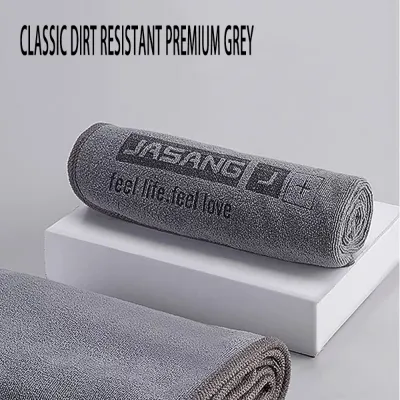
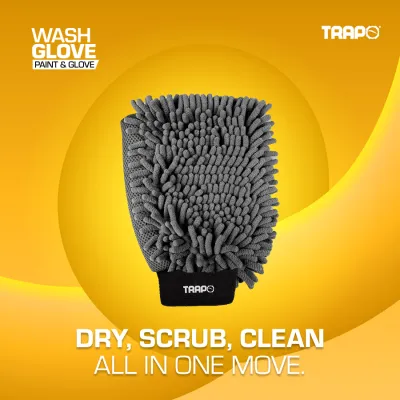
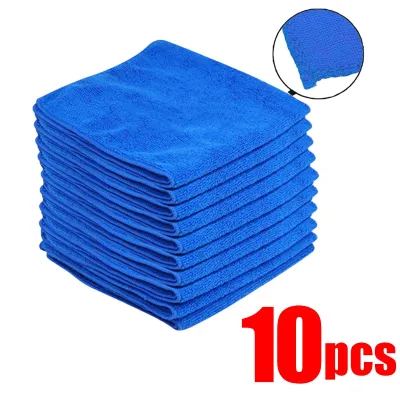
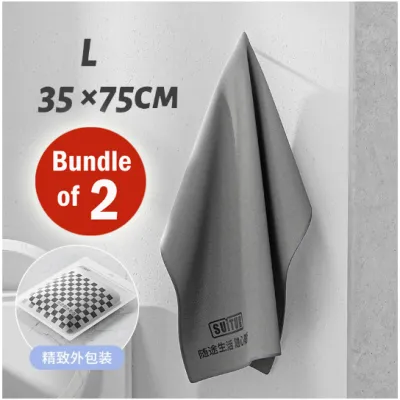
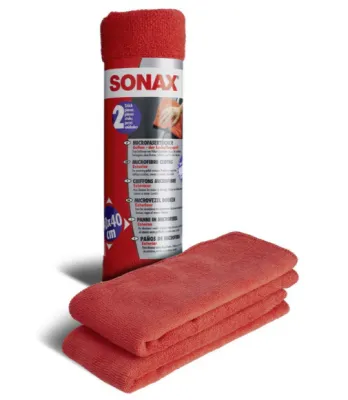

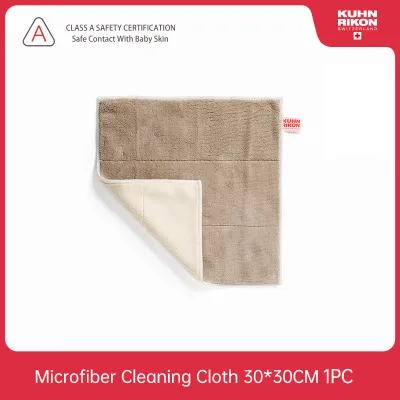
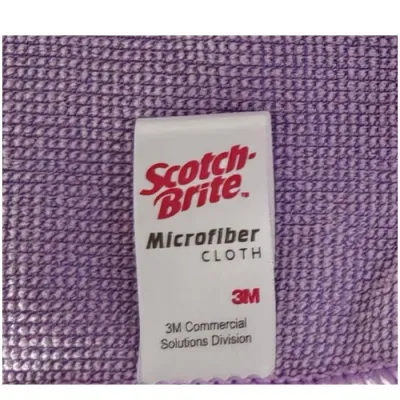
Prices are valid at publication and may change. Please refer to the product page for the latest price.

Low-GSM cloths (under 300) are thin, lightweight, and relatively stiff. Because they lack deep cushioning, they are not suited for wiping delicate exterior paint. Instead, use these thin profiles for cleaning glass, wiping down interior dashboard plastics, or scrubbing wheels where high absorbency is not required.
Medium-GSM cloths (300 to 500) represent the most versatile category in automotive detailing. These towels offer a balanced combination of softness and structural integrity, making them excellent for removing wax, applying quick detailers, or performing general interior dusting.
High-GSM cloths (500 and above) are dense, plush towels designed primarily for drying and delicate paint protection. The thick fiber structure acts as a deep cushion, trapping minor dust particles safely away from the clear coat while absorbing massive amounts of water.
However, high-density cloths have practical trade-offs. Once saturated, high-GSM towels become heavy and difficult to wring out by hand. In humid climates like Singapore, these dense fibers also require significantly longer drying times, making proper ventilation essential during storage to prevent musty odors.
Pile Length and Weave: Choosing the Right Texture for Each Surface
The pile refers to the length of the individual fiber loops on the surface of the microfiber cloth. Choosing the right texture and weave pattern ensures you apply the correct mechanical action to each vehicle surface.
Short-pile cloths and waffle-weave towels are engineered for smooth, non-porous surfaces. Waffle weaves feature a distinct grid pattern that excels at trapping water and glass cleaners without leaving streaks or lint, making them the industry standard for windows and side mirrors.
Medium-pile cloths are the workhorses of general car care. The balanced loop length provides enough bite to lift polish or wax residues while remaining soft enough to prevent marring on standard clear coats.
Long-pile and plush weaves offer the highest level of safety for delicate paintwork. The long, loose fibers provide deep cushioning, allowing light dirt and dust particles to sink deep into the towel rather than being dragged across the clear coat.
Despite their safety benefits, long-pile cloths should never be used on heavily soiled lower panels, wheel wells, or exhaust tips. These long fibers can easily trap large, abrasive road grit that is difficult to wash out, creating a severe scratching hazard during your next wash.
Edge Types and Blends: Preventing Scratches and Ensuring Durability
The border of a microfiber towel is a common culprit for wash-induced scratches, making edge construction a critical safety specification.
Edgeless towels, created using ultrasonic cutting technology, feature borderless edges with no stitched threads. This seamless design makes them the safest choice for soft paint finishes, piano-black trim, and delicate instrument clusters.
Satin, silk, or microsuede banded edges offer excellent durability by preventing the cloth from fraying over multiple wash cycles. When using these banded towels on paint, always fold the cloth into quarters and keep the stitched border slightly elevated to prevent direct contact with the panel.
Beyond physical construction, the material blend ratio dictates how the cloth behaves. Microfiber is typically a blend of polyester, which provides scrubbing power, and polyamide, which provides absorbency and softness.
A premium 70/30 polyester-to-polyamide blend is generally softer and more absorbent than a standard 80/20 blend. Always check the manufacturer’s product label to verify these ratios, especially when comparing premium detailing towels to budget-friendly multi-packs.
Simplifying Your Choice: Which Specs Actually Matter?
You do not need to purchase the most expensive, ultra-high-spec towels to keep your vehicle looking clean. For casual weekly washing, ultra-premium towels exceeding 1000 GSM are often unnecessary and can be clumsy to handle.
Instead, focus on zoning your detailing kit by allocating specific towels to specific areas of the vehicle. Invest in one high-quality, high-GSM drying towel for the main body panels, a few medium-pile towels for general paint wiping, and budget-friendly, low-GSM cloths for dirty areas like wheels and engine bays.
Finally, remember that the initial specifications of your microfiber will degrade rapidly if the cloths are not maintained properly. Proper care is just as important as the initial purchase when it comes to long-term paint protection.
Frequently Asked Questions (FAQ)
Can I use the same microfiber cloth for wheels and car paint?
No, you should never use the same microfiber cloth on both wheels and painted surfaces. Wheels accumulate highly abrasive brake dust, iron contaminants, and road grit that can become permanently embedded in the microfiber loops. Using a contaminated cloth on your vehicle’s paint will cause severe swirling and scratching, so always use color-coded or dedicated utility cloths for wheels.
How do I wash microfiber car wash cloths to maintain their specs?
To preserve the delicate synthetic fibers, wash your cloths in warm water with a mild, liquid detergent, and strictly avoid fabric softeners or bleach. Softeners coat the fibers and eliminate their natural static charge, while bleach degrades the polyamide content. Air dry the cloths in a clean, dust-free environment or tumble dry them on a low-heat setting to prevent the synthetic fibers from melting.
Community discussion
Share your experience or ask a question. Comments are reviewed before publication.