
Quick Answer: Which Brand is Best for Daily Commuting?
Selecting the ideal motorcycle tire, or tayar motor as it is widely known in the region, is one of the most critical decisions a daily commuter in Singapore can make. Because there is no single tire that excels in every single category, the “best” brand depends entirely on your specific riding priorities, your daily route, and your budget.
For riders who prioritize premium, all-round consistency, wet-weather safety, and long-term mileage, Michelin stands out as the industry benchmark. If your daily commute involves fast-paced expressway riding along the PIE or CTE where responsive handling, sporty cornering, and rapid water evacuation are paramount, Pirelli offers a more dynamic, performance-oriented experience. For budget-conscious commuters, delivery riders, or those operating smaller-capacity underbones and scooters, Maxxis delivers highly practical, puncture-resistant, and cost-effective durability that minimizes daily running costs.
Understanding how these distinct characteristics translate to the unique demands of urban commuting will help you make an informed investment. The following analysis breaks down how each brand performs across Singapore’s challenging tropical environment, helping you match the right tire to your daily journey.
Products mentioned in this guide
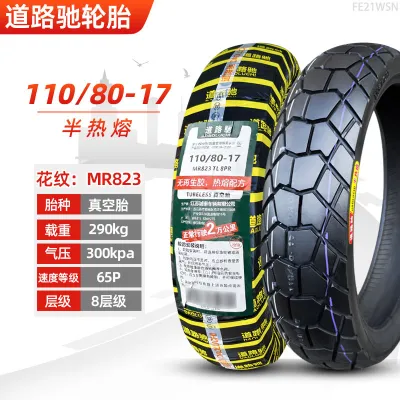
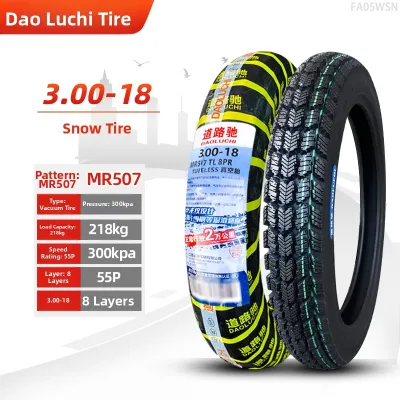
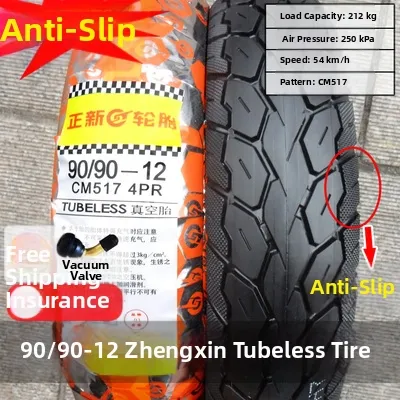
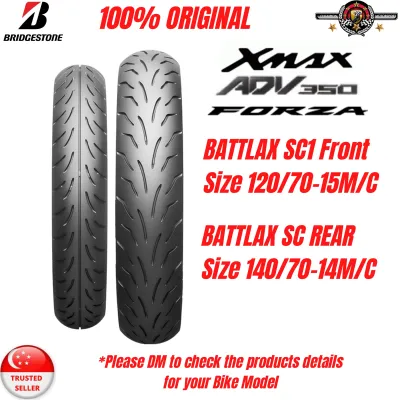
Prices are valid at publication and may change. Please refer to the product page for the latest price.
Brand Profiles for the Daily Commuter
Daily commuting demands far more from a tire than occasional weekend leisure riding. A commuter tire must perform reliably across a wide range of hostile urban conditions: navigating stop-and-go traffic, handling sudden tropical downpours that flood road lanes, maintaining traction on slippery thermoplastic road markings, and resisting punctures from metallic road debris. Furthermore, because commuter trips are often short, these tires must reach their optimal operating temperature quickly to provide immediate grip from the moment you leave your residential carpark.

Each manufacturer approaches these urban challenges with different engineering philosophies, rubber compounds, and tread designs. Understanding these profiles is the first step in identifying which brand aligns with your daily riding patterns.
Michelin: Premium All-Round Performance
Michelin has long maintained a reputation for producing highly sophisticated commuter tires that emphasize balanced, all-season performance. Their engineering focus centers on longevity, wet-weather confidence, and consistent performance throughout the entire lifespan of the tire. Michelin achieves this by utilizing advanced dual-compound technologies in many of their mid-to-high-tier commuter models, placing harder rubber in the center to resist wear from upright highway riding and softer rubber on the shoulders for cornering safety.
For the daily commuter, this translates to predictable braking distances on wet asphalt and a tire that retains its profile shape over thousands of kilometers. Commuters should check specific model labels and manufacturer documentation to verify mileage expectations, silica compound percentages, and suitability for their specific motorcycle class, as performance characteristics vary between lightweight scooter tires and heavy sport-touring options.
Pirelli: Sporty Handling and Wet Confidence
Pirelli targets riders who view their daily commute not just as a chore, but as an opportunity to enjoy the riding dynamics of their machine. Drawing heavily from their racing heritage, Pirelli designs commuter tires with sportier profiles and highly responsive carcass constructions. This design philosophy results in agile steering, allowing riders to maneuver safely through tight city traffic and maintain high stability during spirited expressway cornering.
To combat wet weather, Pirelli utilizes aggressive, directional tread patterns engineered to channel standing water away from the contact patch as rapidly as possible. However, because Pirelli often favors softer, high-grip compounds to deliver this sporty feedback, these tires may experience faster tread wear under heavy, upright commuter use. Riders considering Pirelli should carefully inspect the treadwear indicators (TWI) and review compound hardness ratings on the product documentation to balance their desire for performance with practical longevity.
Maxxis: Value-Driven Durability
Maxxis has established itself as a highly practical, reliable choice for commuters who prioritize utility and operating economy. Particularly dominant in the small-capacity motorcycle, underbone, and scooter segments, Maxxis designs tires that focus heavily on carcass strength, puncture resistance, and extended tread life. By utilizing robust, hard-wearing rubber compounds, Maxxis tires are highly resilient against the physical abuse of urban roads, such as running over sharp debris or scraping against concrete curbs.
While Maxxis tires may lack the razor-sharp handling feedback of Pirelli or the advanced multi-compound sophistication of Michelin, they offer highly predictable everyday performance at a fraction of the cost. When choosing a Maxxis tire, it is vital to check the sidewall markings to verify that the load index and speed rating precisely match your motorcycle manufacturer’s factory specifications, ensuring that safety is never compromised for savings.
Head-to-Head Comparison: Grip, Comfort, and Value
To determine which tire brand best suits your daily commute, we must evaluate them across three primary performance dimensions: grip under varying weather conditions, ride comfort in urban environments, and overall financial value over the tire’s lifespan.
Grip (Dry and Wet)
In Singapore’s tropical climate, dry grip is rarely a issue; the real test of a tire is how it behaves during a sudden afternoon monsoon. The ability of a tire to maintain traction on wet asphalt, oily road surfaces, and painted lane markings depends on its tread pattern and chemical compound.
- Michelin excels in wet grip by incorporating high-silica compounds. Silica allows the rubber to remain pliable at lower temperatures and chemically bond with wet road surfaces, providing exceptional braking performance on wet roads. Their tread patterns often feature deep sipes that break through surface tension to prevent hydroplaning.
- Pirelli approaches wet grip through hydrodynamics. Their tread patterns use aggressive grooves designed to sweep water outward, maintaining a clean contact patch even at higher expressway speeds. The sporty compound offers high mechanical grip, giving the rider precise feedback when braking hard.
- Maxxis generally utilizes harder rubber compounds optimized for longevity. While modern Maxxis commuter tires offer safe, reliable dry grip and adequate wet-weather performance for standard city speeds, they typically do not match the chemical wet grip level of premium silica-rich compounds found in Michelin or Pirelli when subjected to emergency braking in torrential rain.
Comfort and Ride Quality
Ride comfort is directly influenced by the tire’s internal construction, specifically its sidewall stiffness and carcass profile. A tire must absorb road imperfections while maintaining stable, low-effort steering.
- Michelin commuter tires are generally designed with a focus on damping and shock absorption. The carcass is engineered to flex slightly over sharp bumps, speed humps, and uneven patch repairs, delivering a smooth, plush ride that reduces rider fatigue during long commutes.
- Pirelli tires feature stiffer sidewalls and sportier, more V-shaped profiles. This design makes the motorcycle feel highly agile and quick to lean into turns, which is excellent for active riding but can result in a firmer, more jarring ride over rough road surfaces and speed humps.
- Maxxis tires often employ highly reinforced, multi-ply carcasses designed for heavy loads and puncture resistance. This heavy-duty construction provides excellent stability when carrying cargo or riding with a pillion, but it can feel stiff and less compliant when riding solo over unpaved or bumpy urban streets.
Value and Lifespan
When calculating the true value of a commuter tire, riders should look beyond the initial purchase price and consider the cost-per-kilometer. This calculation factors in how long the tire lasts and how frequently it must be replaced, balanced against the safety performance it provides.
- Michelin represents a high initial investment (S$$ – S$$$) but offers exceptional tread life and consistent performance even as the tire wears down. For riders who cover high annual mileages, the extended replacement interval of a Michelin tire often justifies its premium upfront cost.
- Pirelli sits in the mid-to-high price tier (S$$ – S$$$). Because their compounds prioritize active grip and handling, they may require more frequent replacement than Michelin under identical commuter conditions. The value here lies in the enhanced handling performance and safety margins during high-speed expressway riding.
- Maxxis offers outstanding upfront value (S$ – S$$), making them highly attractive for budget-conscious riders. Because their hard compounds wear slowly, they deliver excellent mileage per dollar, making them the most economical choice for short-distance city riders and commercial delivery fleets.
Comparison Matrix
| Brand | Primary Strength | Best Commuter Profile | General Tread Life Expectancy | Price Tier |
|---|---|---|---|---|
| Michelin | All-weather wet grip & consistent longevity | Long-distance, year-round expressway commuters | Check Manufacturer Specs | Premium (S$$ – S$$$) |
| Pirelli | Agile, sporty handling & rapid water clearing | Performance-focused riders & larger-capacity bikes | Varies by Model | Mid-to-High (S$$ – S$$$) |
| Maxxis | Budget-friendly pricing & puncture resistance | Short-distance urban riders & utility/delivery bikes | High Mileage (Varies by Model) | Budget-to-Mid (S$ – S$$) |
Decision Framework: Choose Your Ideal Commuter Tire
To simplify your decision, use this structured framework to match your specific riding scenario and motorcycle type to the correct tire brand.
Choose Michelin if:
- Your daily commute involves long distances across multiple expressways, and you require the absolute highest level of wet-weather braking confidence during sudden downpours.
- You want a premium, low-maintenance tire that maintains its round profile and grip characteristics over a long lifespan, reducing the frequency of tire replacement visits.
- You ride a modern scooter, maxi-scooter, or mid-capacity commuter bike and are willing to pay a premium upfront for maximum safety and ride comfort.
Choose Pirelli if:
- You ride a sport-oriented motorcycle or a higher-capacity commuter bike and value sharp, responsive steering and stable cornering dynamics.
- Your daily route consists of fast expressway sweeps where aggressive water evacuation and high-speed stability are critical for safety.
- You are willing to trade a portion of the tire's total mileage lifespan for a more engaging, high-grip riding experience.
Choose Maxxis if:
- You operate a smaller-capacity underbone (kapcai) or utility scooter and use it primarily for short-distance urban trips or commercial delivery work.
- You are operating on a strict maintenance budget and want to minimize your upfront purchasing and installation costs.
- Your priority is a highly durable, puncture-resistant tire that can withstand rough urban road surfaces, debris, and heavy daily cargo loads.
- You require a straightforward, hard-wearing tire that offers predictable, safe handling at legal city speeds.
Verify First Checklist:
Before purchasing any tire brand, you must perform the following verification checks:
- OEM Specifications: Consult your motorcycle's owner's manual to verify the exact tire dimensions, speed ratings, and load indexes required by the manufacturer.
- Load Requirements: If you regularly carry a pillion passenger or heavy delivery boxes, ensure the tire's load index rating is sufficient to handle the maximum combined weight safely.
- Rim Compatibility: Confirm whether your motorcycle's rims require tube-type (TT) or tubeless (TL) tires, as mounting the incorrect type can lead to sudden pressure loss.
Fitment, Safety, and Maintenance Checks
Even the highest-quality tire will fail to perform safely if it is incorrectly fitted, improperly installed, or poorly maintained. Because tires are the sole point of contact between your motorcycle and the road, strict adherence to safety guidelines is essential.
Fitment and Compatibility Boundaries
Never guess your tire size or attempt to install a different width or profile ratio without professional guidance. Altering tire dimensions from the original equipment manufacturer (OEM) specifications can drastically alter your motorcycle’s steering geometry, compromise cornering clearance, interfere with the swingarm or fender, and cause inaccurate speedometer readings. On modern motorcycles equipped with Anti-lock Braking Systems (ABS) or Traction Control Systems (TCS), non-standard tire sizes can disrupt the wheel-speed sensor calculations, potentially disabling these critical safety systems during an emergency.
Professional Installation and Balancing
Always have your tires fitted by a qualified technician at a reputable motorcycle workshop. Proper installation requires specialized tire-changing machinery to prevent damage to the tire bead and the wheel rim. This is particularly critical for tubeless rims, where even minor bead damage can cause slow, hard-to-detect air leaks.
Additionally, ensure that the technician balances the wheels after mounting new tires. An unbalanced wheel creates high-speed vibrations that not only cause premature, uneven tire wear but also accelerate wheel bearing degradation and compromise overall vehicle stability. After fitting new tires, always ride cautiously for the first 100 to 150 kilometers to scrub off any manufacturing mold-release agents and allow the tire to settle properly on the rim.
Routine Maintenance and Inspection
To maximize the lifespan of your chosen tire and ensure ongoing safety, establish a strict routine of physical checks:
- Cold Inflation Pressure: Check your tire pressure at least once a week using a reliable gauge. In Singapore's tropical climate, high ambient temperatures and road heat cause the air inside the tire to expand during operation. Always measure tire pressure when the tires are "cold"—meaning the bike has been parked for at least three hours or ridden less than two kilometers. Under-inflation leads to sluggish handling, increased fuel consumption, and excessive sidewall heat buildup, while over-inflation reduces the contact patch and results in a harsh, uncomfortable ride.
- Tread Depth Monitoring: Regularly inspect the tread depth using the built-in Tread Wear Indicators (TWI) located inside the tire grooves. Once the tread wears down to the level of these indicators, the tire can no longer effectively channel water, dramatically increasing the risk of hydroplaning. Replace the tires immediately when they reach this limit.
- Visual Damage Checks: Inspect the carcass weekly for embedded debris such as glass, nails, or metal wire. Check the sidewalls for any signs of cracking, deep cuts, or unusual bulges, which indicate internal structural damage and require immediate professional replacement.
Frequently Asked Questions (FAQ)
How often should I replace my motorcycle tires for daily commuting?
For a typical daily commuter, motorcycle tires should be replaced whenever they reach the tread wear indicators (TWI) or exhibit physical damage. However, even if a tire has plenty of visible tread remaining, the rubber compound degrades over time due to constant exposure to UV rays, ambient heat, and environmental ozone.
In Singapore’s hot and humid climate, this chemical aging process can cause the rubber to harden, dry rot, and lose its grip properties. As a safety standard, you should check the DOT date code stamped on the tire’s sidewall (a four-digit code indicating the week and year of manufacture) and plan to replace your tires every 3 to 5 years, regardless of tread wear, or sooner if you observe fine cracks forming in the tread grooves.
Does a wider tire improve grip for city riding?
There is a common misconception that fitting a wider tire than the OEM specification will automatically increase the contact patch and improve grip. In reality, mounting an oversized tire onto a stock rim that is too narrow forces the tire profile to pinch and distort, curving the tread excessively.
This distortion can actually reduce the active contact patch when riding upright, slow down steering response, increase steering effort in heavy traffic, and slow down tire warm-up times. Additionally, wider tires increase rolling resistance, which can negatively affect your motorcycle’s fuel economy in stop-and-go city traffic. To maintain optimal handling dynamics, safety, and fuel efficiency, always stick to the tire sizes recommended by your motorcycle manufacturer.
Community discussion
Share your experience or ask a question. Comments are reviewed before publication.