
Selecting the right scooter tire for daily city commuting involves balancing wet-weather safety, dry handling, and long-term durability. The Michelin City Grip 2 and the Pirelli Angel Scooter represent two of the most popular premium options for urban riders navigating busy streets, sudden downpours, and varied road surfaces. Rather than relying on general brand reputation, choosing between these two tires requires a close look at your specific scooter model, your daily route conditions, and verifiable manufacturer specifications. The optimal choice is highly conditional: one tire may excel if your priority is maximum water evacuation on rain-slicked asphalt, while the other might be preferable if you prioritize a sportier profile and agile cornering on dry tarmac. To make an informed decision, you must evaluate how their respective design philosophies align with your daily riding requirements and safety needs.
Tread Pattern and Compound Design
The physical layout of a tire’s tread directly dictates how it interacts with the road surface, influencing everything from dry grip to how quickly the rubber reaches its optimal operating temperature. When evaluating the Michelin City Grip 2 and the Pirelli Angel Scooter, you should closely inspect the tread patterns to understand their design priorities. Look for the presence of deep water evacuation channels, specialized sipes, and the overall ratio of tread grooves to slick rubber. Sipes are tiny slits in the tread block that flex to disperse thin films of water, while larger grooves handle bulk water displacement. A tire with a high density of sipes is typically engineered to provide immediate mechanical grip on wet or slippery surfaces right from the start of your journey.
Beyond the visible tread, the chemical composition of the rubber compound determines how the tire behaves under different thermal conditions. You can check the manufacturer’s official product documentation or packaging to identify the primary focus of the compound. Some compounds are formulated with high silica content to facilitate a quick warm-up time, which is crucial for short city commutes where the tire rarely has time to reach high temperatures. Other compounds prioritize high mileage and wear resistance, utilizing harder polymer chains that resist the abrasive forces of stop-and-go urban traffic. Reviewing these specifications helps you match the tire’s thermal characteristics to your typical trip length and riding style.
Products mentioned in this guide
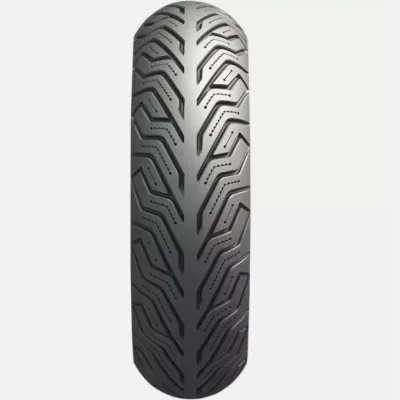
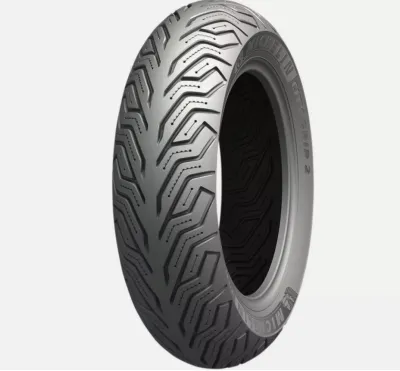
Prices are valid at publication and may change. Please refer to the product page for the latest price.
Before purchasing any tire, it is essential to verify the freshness of the rubber stock by inspecting the Department of Transportation (DOT) date code stamped on the sidewall. This four-digit code represents the week and year of manufacture; for example, a code of “1226” indicates the tire was produced in the 12th week of 2026. Rubber naturally degrades and hardens over time, even when stored on a shelf, which can severely compromise grip and flexibility. Ensuring you receive fresh stock prevents you from installing tires that have already begun to lose their essential elastomeric properties.
Wet Weather Performance and Puncture Protection
Urban commuting frequently exposes riders to unpredictable weather, making wet-weather traction and puncture resistance critical safety considerations. To objectively compare these tires, you should consult standardized performance labels, such as the European Union tire label or equivalent regional certification systems, where available. These labels provide standardized ratings for wet grip, rolling resistance, and external noise, allowing you to bypass marketing claims and compare performance under controlled testing conditions. A higher wet grip rating indicates a shorter braking distance on wet asphalt, which can make a life-saving difference during sudden stops in heavy traffic.

Puncture protection is another vital factor when navigating city streets littered with debris, construction nails, and sharp gravel. When researching the Michelin City Grip 2 and the Pirelli Angel Scooter, examine the manufacturer’s technical specifications regarding casing construction. Look for details on reinforced plies, specialized under-tread puncture-resistant layers, or high-density carcass materials designed to deflect sharp objects. A robustly constructed carcass not only resists punctures but also maintains structural integrity when encountering sharp impacts from potholes or uneven expansion joints.
Despite advanced tread designs and reinforced compounds, you must always respect the physical limits of any scooter tire. No tire can completely overcome the loss of traction caused by deep standing water, heavy downpours, or painted road markings, which become exceptionally slick when wet. Metal utility covers, construction plates, and painted lane dividers require extreme caution, as the coefficient of friction on these surfaces drops dramatically regardless of your tire’s wet-weather credentials. Adjusting your riding style, increasing following distances, and avoiding sudden inputs remain your primary safety measures in adverse weather.
Handling, Stability, and Ride Comfort
The internal construction and external profile of a tire shape how your scooter steers, leans, and absorbs road vibrations during your daily commute. To understand a tire’s load-bearing capabilities and structural stiffness, you should check the sidewall markings for the ply rating and load index. A tire with a stiffer sidewall construction offers greater stability under heavy loads or when carrying a pillion passenger, preventing the tire from squirming or flexing excessively during cornering. Conversely, a slightly more flexible carcass can enhance ride comfort by acting as an additional suspension element, absorbing minor road imperfections before they reach the handlebars.
The physical profile of the tire—whether it is rounded or has a flatter, more linear shape—significantly influences steering response and cornering characteristics. A tire with a highly rounded, progressive profile typically provides smooth, predictable transitions when leaning into turns, which is highly beneficial for maintaining stability on winding urban roads. A flatter profile, on the other hand, maximizes the contact patch when riding in a straight line, which can improve stability during high-speed cruising but may require slightly more steering effort to initiate a turn. Evaluating these profile characteristics helps you select a tire that complements your scooter’s natural handling dynamics.
Before finalizing your selection, you must verify that the tire’s maximum speed rating and load index meet or exceed the exact specifications detailed in your scooter’s owner manual. Installing a tire with an inadequate load index or speed rating is highly dangerous, as it can lead to premature tire failure, excessive heat buildup, and compromised handling. Always cross-reference the alphanumeric codes on the tire sidewall with your vehicle’s documentation to ensure absolute compliance with safety standards.
Fitment, Compatibility, and Safety Checks
Ensuring proper physical fitment and system compatibility is a non-negotiable step before purchasing any replacement tire. You must accurately read the sidewall of your current tires to identify the exact width, aspect ratio, and rim diameter required for your scooter. For example, a tire marked “120/70-12” indicates a width of 120 millimeters, an aspect ratio of 70 percent, and a rim diameter of 12 inches. Deviating from these original equipment manufacturer (OEM) dimensions can alter your speedometer accuracy, compromise handling, and potentially void your vehicle’s warranty.
If you are considering a slightly different tire size, you must carefully check the physical clearance within your scooter’s fender, swingarm, and suspension components. Even minor increases in tire width or height can cause rubbing against brake lines, engine casings, or bodywork, especially when the suspension is fully compressed. Furthermore, modern scooters equipped with Anti-lock Braking Systems (ABS) or traction control rely on precise wheel-speed sensors calibrated to the exact rolling circumference of the OEM tires. Altering the tire dimensions can disrupt these safety systems, leading to unexpected interventions or system errors.
Because tires are the sole point of contact between your scooter and the road, professional installation is highly recommended to guarantee safety and performance. A qualified technician has the specialized equipment required to mount the tire without damaging the bead, perform precise wheel balancing to eliminate high-speed vibrations, and replace the valve stem. Over time, rubber valve stems degrade and can develop slow leaks or sudden failures; replacing them during every tire change is a simple, low-cost measure that prevents catastrophic air loss while riding.
Pricing, Availability, and After-Sales Support
Evaluating the total cost of ownership involves looking beyond the initial purchase price of the tire to consider installation costs and long-term availability. When shopping in Singapore, you should request comprehensive, itemized quotes from authorized motorcycle workshops and tire dealers. Ensure that the quoted S$ price includes not just the physical tire, but also professional mounting, wheel balancing, and the disposal fee for your old tire. Comparing complete out-the-door pricing prevents unexpected surcharges when you arrive at the workshop for installation.
You should also check for official manufacturer warranties or dealer-backed guarantees against structural defects, tread separation, or premature wear. Purchasing through authorized distribution channels ensures that you have recourse in the rare event of a manufacturing flaw. Additionally, inquire about the local availability of your specific tire size. Opting for a highly popular tire model and size ensures that if you suffer an irreparable puncture in the future, you can easily source a matching replacement without facing extended vehicle downtime while waiting for backordered stock.
Decision Framework: Which Tire Should You Buy?
To make your final decision, you must weigh the specific design strengths of each tire against your daily commuting environment and riding priorities. Choose the Michelin City Grip 2 if your daily route involves frequent wet weather, damp morning roads, or slippery painted surfaces where its highly siped tread pattern and verified wet grip ratings can provide enhanced mechanical traction. This tire is particularly well-suited for riders who prioritize consistent, confidence-inspiring grip in wet conditions and require a wide range of available sizes to fit various modern scooter models.
Choose the Pirelli Angel Scooter if your commute consists primarily of dry, winding urban roads where you can benefit from its specific profile design, carcass stiffness, and handling characteristics. This option is ideal for riders who prefer a sportier, more responsive steering feel and whose scooter weight and load requirements align closely with the tire’s load index and compound specifications.
Before making any purchase, always verify whether your scooter model requires a specific OEM homologation or has unique rim width limitations that restrict your choices. Consulting your owner’s manual or an authorized dealer ensures that your selected tire is fully compatible with your vehicle’s engineering standards, preserving both safety and performance on every urban journey.
Frequently Asked Questions (FAQ)
Can I mix different tire brands on the front and rear?
Motorcycle and scooter manufacturers generally recommend using matching tire models on both the front and rear wheels to ensure predictable, balanced handling. Mixing different brands or models can introduce conflicting handling characteristics, as each tire is designed with a unique profile, carcass stiffness, and rubber compound. If the front tire has a significantly different grip level or steering response than the rear, it can lead to instability, especially during wet-weather cornering or emergency braking. If you must mix tires due to emergency availability, ensure that both tires meet the correct speed and load ratings, and replace them with a matching set as soon as practical.
How often should I check tire pressure on my scooter?
You should check your scooter’s tire pressure at least once a week, or before embarking on any long journey, always performing the measurement when the tires are cold. Riding on under-inflated tires increases rolling resistance, accelerates tread wear, compromises handling, and raises the risk of a blowout due to excessive heat buildup. You can find the correct cold inflation pressure specifications, measured in PSI or bar, on the swingarm sticker of your scooter or within the owner’s manual. Always use a reliable pressure gauge and adjust the pressure according to whether you are riding solo or carrying a passenger.
Community discussion
Share your experience or ask a question. Comments are reviewed before publication.