
The “best” engine oil is not determined by brand prestige alone, but by how precisely it matches your vehicle manufacturer’s specifications. Choosing between MG Red Line, Shell, and Castrol requires verifying viscosity grades, API/ACEA ratings, and specific OEM approvals on the product labels against your owner’s manual. This guide will help you cross-reference these technical requirements to find the most suitable and cost-effective option for your car.
Understanding Your Vehicle's Engine Oil Requirements
Every vehicle engine is engineered with precise tolerances that require a specific oil thickness to lubricate moving parts effectively. You can find this recommended viscosity grade, such as 0W-20 or 5W-30, clearly printed in your vehicle owner’s manual or on the oil filler cap under the hood. The first number, followed by a “W”, indicates the oil’s flow rate in cold temperatures, while the second number represents its viscosity at normal engine operating temperatures. Using the wrong viscosity can lead to insufficient lubrication during cold starts or excessive wear under high operating temperatures.
Beyond viscosity, modern engines demand specific chemical formulations defined by international industry standards. Look for ratings like API SP from the American Petroleum Institute or ACEA C-series classifications from the European Automobile Manufacturers’ Association. These standards ensure the oil can handle issues like low-speed pre-ignition (LSPI) in turbocharged engines and protect exhaust aftertreatment systems. These specifications are updated periodically to address the demands of newer engine designs and emissions regulations.
Products mentioned in this guide
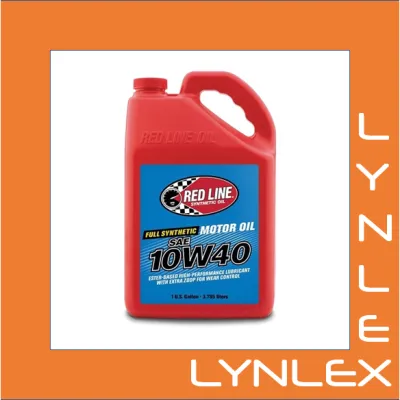
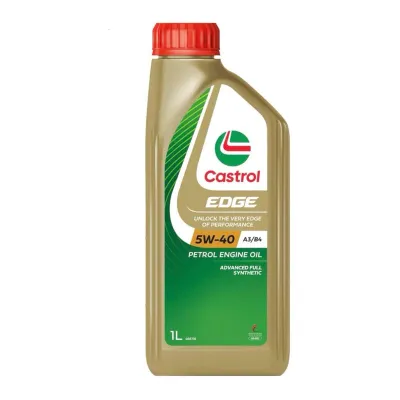
![[TWIN PACK] Castrol POWER1 Cruise 4T 15W-50 (1L) Synthetic Technology API SP JASO MA2](https://img.lazcdn.com/g/p/8789b8270838e4ddeed40686aef40866.jpg_400x400q80.jpg_.webp)
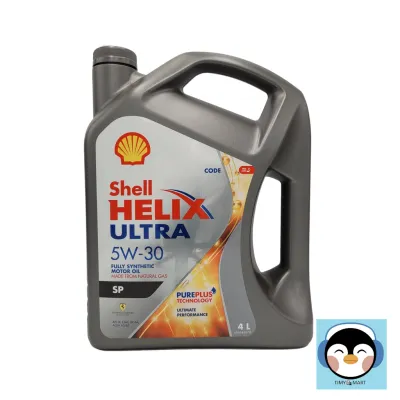
Prices are valid at publication and may change. Please refer to the product page for the latest price.
Many manufacturers also require proprietary original equipment manufacturer (OEM) approval codes, particularly for European or high-performance vehicles. These codes represent specific testing regimes that the oil must pass to guarantee compatibility with the engine’s internal seals, metallurgy, and turbocharger components. Failing to match these exact specifications can accelerate engine wear, increase oil consumption, and may void your manufacturer’s warranty in the event of a mechanical failure. Always consult your vehicle’s documentation to verify these requirements before purchasing any fluid.
Comparing MG Red Line, Shell, and Castrol Specifications
When comparing MG Red Line, Shell, and Castrol, your first step is to inspect the physical product labels to verify the base oil formulation. Fully synthetic oils generally offer enhanced thermal stability, better oxidation resistance, and slower degradation compared to semi-synthetic or mineral alternatives. Ensure the bottle explicitly states “fully synthetic” if your owner’s manual mandates this level of protection, as some entry-level products may use synthetic technology blends instead of a true full synthetic base.

Next, locate the technical specifications panel on the back of the bottle to cross-reference the certification marks. You must verify that the specific bottle of MG Red Line, Shell, or Castrol carries the exact API, ACEA, or OEM approval codes required by your vehicle. Never assume that all products within a brand’s lineup carry the same approvals, as formulations vary widely across different product tiers. For instance, a specific Shell Helix or Castrol Edge product might have the approval you need, while another variant from the same brand does not.
While marketing labels often highlight proprietary additive technologies, such as active cleansing agents, titanium fluid strength, or advanced friction modifiers, these claims should remain secondary to official certifications. Additives can help minimize sludge buildup, reduce friction, or manage heat, but they do not substitute for the baseline protection guaranteed by meeting official industry standards. Always prioritize the verified OEM approval code over any performance promises printed on the packaging.
Additionally, pay close attention to the country of origin and the specific market packaging. Some brands package their oils differently depending on the region, which can affect the listed specifications. Always check that the label is legible and matches the standards recognized by your vehicle manufacturer before making a purchase.
Evaluating Value and Maintenance Intervals
Determining the true value of an engine oil requires looking at your vehicle manufacturer’s recommended service intervals alongside your daily driving habits. While some high-quality synthetic oils are formulated to last for extended intervals, you must always adhere to the maximum oil change interval specified by your car’s manufacturer to maintain warranty coverage. Relying on an oil brand’s generic mileage claim instead of your owner’s manual can lead to premature engine wear.
In Singapore, the tropical climate and frequent stop-and-go traffic in congested urban areas place severe stress on engine lubricants. Under these severe driving conditions, engine oil degrades faster due to prolonged idling, high humidity, and elevated operating temperatures. Many manufacturers recommend shortening your oil change intervals under these circumstances, making the cost-per-liter of your chosen oil a significant factor in long-term maintenance budgets.
To evaluate the financial impact, compare the S$ cost per liter across authorized workshops, official brand stores, and reputable automotive retailers. Shell and Castrol products are widely distributed across Singapore, making them highly accessible and competitively priced at most local workshops. This widespread availability often translates to lower labor costs if you have the oil changed at a general workshop.
On the other hand, MG Red Line may have more selective distribution, meaning you should verify local availability and pricing before committing to it for your regular maintenance cycle. If a specific oil is difficult to source locally, you may face higher shipping costs or premium workshop markups, which can significantly increase your overall cost of ownership over several service intervals.
Decision Framework: Which Brand Should You Choose?
Your final choice should depend on a systematic comparison of your vehicle’s technical requirements, warranty status, and local convenience. Before purchasing any brand, verify if your vehicle requires a highly specific OEM approval code that might not be commonly supported by standard aftermarket formulations. If your car has a highly specialized engine, your choice of oil brands may be limited to only those that have paid for official manufacturer certification.
Consider choosing MG Red Line if it is designated as the factory fill for your vehicle or if using it is explicitly required to keep your active vehicle warranty intact. This is particularly relevant for certain vehicle brands where the manufacturer mandates their branded lubricant to satisfy warranty terms. If your vehicle is under a strict dealer service package, sticking to the factory-recommended MG Red Line ensures seamless warranty compliance.
Opt for Shell if their specific product line carries the exact OEM approvals your car requires and you prefer the convenience of a widespread local service network. Shell’s extensive presence in Singapore makes it easy to find authorized workshops that stock the correct formulation for your vehicle. This option is highly suitable for drivers who want a reliable, widely tested oil that is easy to source during routine servicing.
Select Castrol if their matching formulation aligns perfectly with your owner’s manual specifications and offers more favorable S$ pricing or better immediate availability at your preferred workshop. Castrol’s diverse product range provides excellent flexibility for drivers looking to balance strict technical compliance with competitive maintenance costs. It is an excellent choice if you perform DIY oil changes or prefer using a specific independent workshop.
Frequently Asked Questions (FAQ)
Here are answers to common questions about selecting, mixing, and verifying engine oils for your vehicle.
Can I mix MG Red Line with Shell or Castrol engine oils?
Mixing different brands or formulations of engine oil is generally discouraged except in absolute emergencies when your oil level is critically low. Different manufacturers use distinct additive packages that may interact unpredictably, potentially reducing the overall protective qualities of the lubricant. If you must top up with a different brand to reach a service center safely, ensure the temporary oil matches the recommended viscosity grade. Plan to perform a complete oil flush and replace the oil filter as soon as possible to restore uniform protection.
Does using Shell or Castrol void my car's warranty if the manual recommends MG oil?
Using an aftermarket oil like Shell or Castrol typically does not void your vehicle’s warranty, provided the specific product meets or exceeds the exact technical specifications and OEM approval codes outlined in your owner’s manual. To protect yourself against potential warranty disputes, always keep detailed purchase receipts and official workshop service records that clearly state the exact oil product used. If you are uncertain about specific warranty clauses, consult your dealership or vehicle manufacturer for explicit written clarification before switching brands.
How do I verify if an engine oil is genuine before purchasing?
To avoid counterfeit engine oils, carefully inspect the physical packaging for intact tamper-evident seals, clear holographic labels, and legible batch codes printed on the bottle. Always purchase your engine oil from authorized distributors, official brand stores, or reputable local workshops rather than unverified online marketplaces. Upon opening the bottle, perform a quick visual check; any unusual color, strong chemical odor, or unexpected viscosity should prompt you to halt the oil change and verify the product’s authenticity with the manufacturer.
Community discussion
Share your experience or ask a question. Comments are reviewed before publication.