
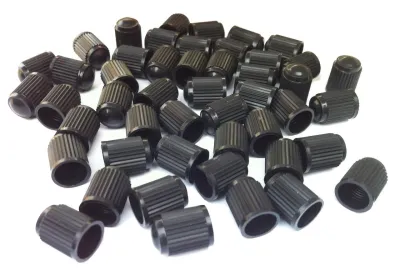
When selecting a tire valve cap for a vehicle in Singapore, the primary objective is to balance aesthetic appeal with long-term functional safety. In Singapore’s highly humid, warm, and salt-exposed tropical climate, high-quality plastic valve caps (such as those made from UV-stabilized ABS or nylon) are generally the safest and most reliable choice for daily driving. This is because plastic is non-conductive, which completely eliminates the risk of galvanic corrosion—a chemical reaction that can permanently fuse a metal cap to a metal valve stem.
To make the right choice for your specific vehicle, use this quick decision framework:
- Choose plastic if: You park outdoors in open-air car parks, prefer a low-maintenance setup, and want to eliminate any risk of seized caps or damaged valve stems.
- Choose metal if: You prioritize custom aesthetics, drive a show car, or have high-performance metal valve stems, and you are committed to regular maintenance and lubrication.
- Verify first if: You have active Tire Pressure Monitoring System (TPMS) sensors installed, as these systems often feature delicate aluminum valve stems that are highly susceptible to galvanic corrosion when paired with incompatible metal caps.
How Singapore's Tropical Climate Affects Valve Caps
Singapore’s unique microclimate presents a challenging environment for automotive components, including seemingly minor parts like tire valve caps. The island nation experiences high ambient temperatures year-round, with daily highs frequently exceeding 32°C. When combined with asphalt temperatures that can soar above 50°C under direct sunlight, wheels and their associated valve assemblies undergo significant thermal stress. These constant heat cycles cause materials to expand and contract, which can compromise the threads of both metal and plastic caps over time.
Products mentioned in this guide
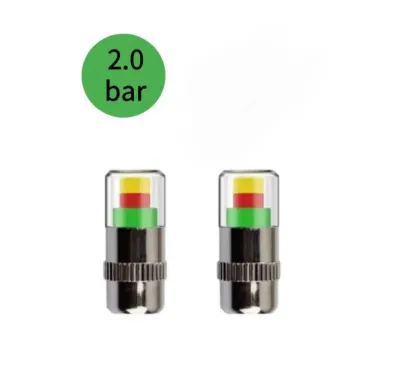

Prices are valid at publication and may change. Please refer to the product page for the latest price.
In addition to heat, Singapore’s relative humidity averages around 84% annually, often reaching 100% during prolonged rainy periods. This persistent moisture, combined with salt-laden sea air from coastal winds along areas like the East Coast Parkway (ECP) or coastal industrial zones, creates a highly corrosive environment. Moisture and salt act as electrolytes, accelerating chemical oxidation and galvanic reactions. When water becomes trapped within the fine threads of a tire valve cap, it initiates a slow but relentless degradation process that can compromise the valve assembly.
Intense ultraviolet (UV) radiation is another major factor in Singapore, where the UV index frequently reaches extreme levels during midday. Cheaper, non-UV-stabilized plastics degrade rapidly under these conditions, losing their molecular integrity. This degradation causes the plastic to become brittle, fade in color, and eventually crack or warp. When a valve cap warps or cracks, it can no longer protect the delicate internal valve core from road grit, water, and debris, which can lead to slow air leaks and compromised tire safety.
Ultimately, Singapore’s climate transforms the choice of valve cap material from a simple aesthetic preference into a critical functional decision. A failed, cracked, or seized valve cap can lead to slow pressure loss, tire damage, or even catastrophic tire failure if the valve stem is compromised. Understanding how these environmental forces interact with different materials is essential for maintaining vehicle safety and avoiding costly repairs at the workshop.
Metal vs. Plastic Valve Caps: Key Differences Compared
Corrosion and Galvanic Reaction Risks
The most significant hazard associated with metal valve caps in a humid climate is galvanic corrosion. This electrochemical process occurs when two dissimilar metals—such as an aluminum cap and a brass valve stem, or a brass cap on an aluminum stem—come into direct contact in the presence of an electrolyte like water or salt spray. Because Singapore’s air is highly humid and often carries microscopic salt particles, the threads of the valve stem and cap frequently host a thin film of moisture, completing an electrical circuit between the two metals.

Over time, this electrical current causes the more active metal to oxidize and corrode at an accelerated rate. The resulting metal oxides expand and fill the tiny tolerances between the screw threads, effectively “cold-welding” the cap to the stem. When a driver or a tire technician attempts to force a seized metal cap off, the torque applied can easily twist, bend, or snap the entire valve stem. This is especially problematic for modern vehicles equipped with active Tire Pressure Monitoring Systems (TPMS), where the metal valve stem is integrated directly into an expensive electronic sensor inside the wheel.
Plastic valve caps, by contrast, are completely non-conductive. Because plastic cannot conduct electricity, it is chemically incapable of participating in galvanic corrosion. No matter how much moisture, salt, or heat a plastic cap is exposed to, it will never fuse to a metal valve stem. For drivers who want a hassle-free, “install-and-forget” solution that guarantees the cap can always be easily removed during routine tire pressure checks, plastic is the clear winner.
Heat Resistance and Material Degradation
Metal valve caps possess excellent structural rigidity and a very high melting point, meaning they will not warp, melt, or deform under the extreme temperatures generated by heavy braking or hot asphalt. However, metals are highly thermally conductive. A metal cap will readily transfer external heat directly to the valve stem and the internal Schrader valve core. If the valve core’s rubber seals are exposed to excessive heat over prolonged periods, they can degrade, harden, and fail, leading to slow, hard-to-detect air leaks.
Plastic caps act as thermal insulators, protecting the internal valve core from direct heat transfer. However, plastic has its own thermal limitations. Under the intense heat of Singapore’s sun, low-grade plastics can soften slightly, making them highly susceptible to thread stripping if they are over-tightened while hot. Furthermore, constant thermal cycling—expanding during daytime driving and contracting during cooler night parking—can cause lower-quality plastics to develop micro-cracks, eventually leading to structural failure.
To mitigate these issues, manufacturers produce high-quality plastic caps using engineering-grade polymers like nylon or acrylonitrile butadiene styrene (ABS). These materials are specifically formulated to resist UV radiation and maintain their structural integrity across a wide temperature range. When choosing plastic, opting for these high-grade materials ensures that the caps will not degrade or become brittle after a few months of exposure to the tropical sun.
Weight, Balance, and Sealing Performance
A common point of discussion among automotive enthusiasts is the impact of valve cap weight on wheel balance and valve stem wear. A standard plastic valve cap is incredibly light, typically weighing less than 1 gram. In contrast, a decorative metal cap, especially one made of solid brass or steel, can weigh anywhere from 3 to 5 grams or more. While a few grams may seem insignificant, the centrifugal forces acting on the wheel at high speeds can multiply this weight significantly.
At highway speeds, such as driving on the North-South Expressway, a heavy metal cap can exert enough centrifugal force to cause a standard rubber valve stem to flex or bend outward. Over time, this constant flexing can cause the rubber at the base of the stem to crack, leading to sudden air loss. For high-performance vehicles or those driven at high speeds, heavy metal caps should only be used in conjunction with rigid, metal valve stems that are securely bolted to the wheel rim.
It is also crucial to understand the actual sealing mechanism of a tire valve. Many drivers mistakenly believe that the valve cap is what keeps the air inside the tire. In reality, the primary seal is maintained by the Schrader valve core, which utilizes an internal spring and a rubber seal to prevent air from escaping. The valve cap’s primary function is to act as a protective dust cover, preventing road dirt, water, mud, and salt from entering the valve stem and clogging or damaging the delicate core. Both metal and plastic caps perform this protective role effectively, provided they feature a high-quality internal rubber O-ring that creates a tight, moisture-resistant seal when hand-tightened.
Aesthetics, Durability, and Cost
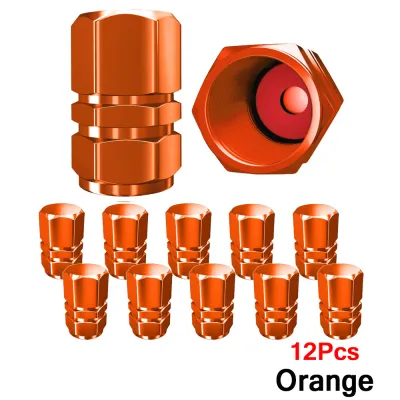
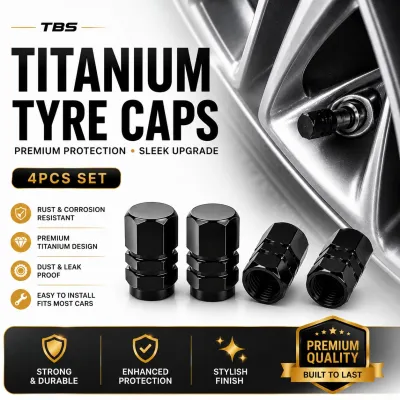
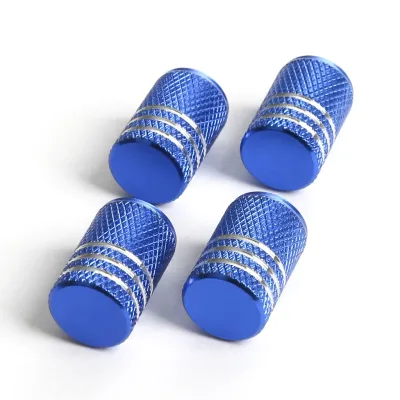
For many car owners in Singapore, aesthetics play a significant role in their choice of accessories. Metal valve caps offer a premium, high-end appearance that plastic simply cannot replicate. They are available in a wide variety of finishes, including chrome-plated brass, anodized aluminum, and stainless steel, and can be customized with brand logos, colors, or unique shapes to match the vehicle’s wheels. From a purely visual standpoint, metal caps are the preferred choice for show cars, modified vehicles, and premium luxury cars.
However, this aesthetic appeal comes with higher costs and potential durability trade-offs. High-quality metal caps are significantly more expensive than plastic ones, and because of their premium look, they are more likely to be targeted by thieves. Furthermore, if a metal cap causes galvanic corrosion and ruins a valve stem or a TPMS sensor, the cost of repair can be substantial. Replacing a damaged TPMS sensor at a professional workshop in Singapore can easily cost between S$100 and S$250, including labor and sensor programming.
Plastic valve caps, while utilitarian and basic in appearance, offer unmatched cost-effectiveness and practical durability. A pack of high-quality plastic caps can be purchased for just a few dollars, making them incredibly cheap to replace if lost or stolen. Because they do not pose a risk of galvanic corrosion, they protect the vehicle owner from unexpected workshop bills. For the vast majority of daily drivers in Singapore, the practical and financial benefits of plastic far outweigh the aesthetic appeal of metal.
Feature Comparison: Metal vs. Plastic Valve Caps
To help you quickly evaluate the trade-offs between these two materials, the following table summarizes how metal and plastic valve caps compare across key performance and practical dimensions under typical Singapore driving conditions.
| Feature | Metal Valve Caps | Plastic Valve Caps |
|---|---|---|
| Galvanic Corrosion Risk | High (when paired with dissimilar metals) | None |
| UV & Heat Degradation | Low (highly resistant to UV and heat) | Moderate to High (can become brittle over time) |
| Weight Impact | Moderate (can cause stem flexing at high speeds) | Low (negligible weight) |
| Aesthetic Customization | High (various colors, finishes, and designs) | Low (typically plain black or grey) |
| Relative Cost | Moderate to High | Low |
| Maintenance Requirement | High (requires regular removal and lubrication) | Low (install and forget) |
How to Choose the Right Valve Cap for Your Vehicle
Selecting the right valve cap requires a quick inspection of your vehicle’s current wheel and valve stem setup. Before purchasing any aftermarket caps, inspect the valve stems installed on your tires. If you have standard rubber valve stems, they will typically have a brass threaded insert at the tip. If your vehicle is equipped with an active TPMS, the stems are likely made of solid aluminum. Always refer to your vehicle’s owner manual, check the original vehicle documentation, or consult a qualified tire specialist to confirm the exact specifications, mounting clearance, and compatibility of your valve assembly.
If your vehicle has aluminum TPMS valve stems, you must be extremely cautious. Pairing an aluminum stem with an incompatible metal cap (such as chrome-plated brass or steel) will quickly trigger galvanic corrosion in Singapore’s humid climate. If you must use metal caps on these stems, ensure they are specifically labeled as compatible with aluminum TPMS stems, or opt for metal caps that feature an integrated, non-conductive plastic inner sleeve. Otherwise, high-quality plastic caps are the safest and most reliable option to prevent sensor damage.
For vehicles that are parked outdoors in open-air car parks, such as HDB multi-storey car parks or surface lots, UV-stabilized plastic caps are highly recommended. These caps will withstand constant exposure to intense sunlight and heavy rain without seizing or failing. Look for caps made from engineering plastics like nylon or ABS, which offer superior durability compared to cheap, generic polyethylene caps.
If you own a show car, a performance vehicle with rigid metal valve stems, or a garage-kept car, high-quality anodized aluminum or chrome-plated brass caps can be used safely to enhance the vehicle’s appearance. However, this choice comes with a strict maintenance commitment. You must be willing to regularly inspect, remove, and lubricate the caps to ensure they do not seize over time. If you are unsure of your ability to perform this maintenance, sticking with plastic is the most sensible decision.
Maintenance Tips to Prevent Valve Stem Issues
Regardless of the valve cap material you choose, regular maintenance is key to ensuring the longevity and safety of your tire valve assemblies. One of the simplest and most effective habits is to periodically remove and re-install your valve caps. A perfect opportunity to do this is during your monthly tire pressure checks, which should be performed when the tires are cold. Removing the caps breaks any early chemical bonds or dirt buildup, ensuring they remain easy to remove when needed.
If you choose to use metal valve caps, it is highly recommended to apply a very small amount of lubricant to the valve stem threads. Use a rubber-safe anti-seize compound or a thin smear of dielectric grease. Be extremely careful to apply only a tiny amount to the threads, ensuring that no lubricant enters the valve stem itself, as this can clog the Schrader valve core and cause a slow leak. Always check the lubricant manufacturer’s label to confirm that the product is safe for use on rubber and automotive plastics, as incompatible petroleum-based greases can degrade rubber valve stems and seals.
When installing valve caps, always tighten them by hand. Never use tools like pliers or wrenches to tighten a valve cap, as this can easily strip the threads of plastic caps or crush the internal rubber O-ring. Over-tightening can also apply excessive pressure to the Schrader valve’s center pin, causing a slow, continuous air leak. Hand-tightening the cap until it is snug, followed by a gentle quarter-turn, is more than sufficient to create a secure, dust-tight seal.
If you encounter a valve cap that is stuck or difficult to turn, do not force it. Applying excessive force can twist and tear a rubber valve stem or snap a metal TPMS stem, leading to immediate tire deflation. If a cap is seized, apply a small amount of penetrating oil to the threads and let it sit for several minutes before attempting to turn it gently with pliers. If the valve stem begins to twist or bend, stop immediately and seek professional assistance from a qualified tire workshop to avoid causing expensive damage or a safety hazard.
Frequently Asked Questions (FAQ)
Do tire valve caps actually keep air in?
No, tire valve caps are not designed to hold the pressurized air inside the tire. The primary seal is maintained by the Schrader valve core located inside the valve stem, which uses an internal spring and a rubber seal to prevent air from escaping. The valve cap’s main purpose is to act as a protective barrier, preventing dirt, water, road salt, and debris from entering the stem and damaging or clogging the delicate valve core, which could otherwise lead to a slow leak.
Can I use metal caps on standard rubber valve stems?
While galvanic corrosion is less of a concern with rubber valve stems because the stem body itself is non-conductive, using heavy metal caps on rubber stems is still not recommended for high-speed driving. The weight of a heavy metal cap can cause the flexible rubber stem to bend outward under the influence of centrifugal force at high speeds. Over time, this repeated flexing can cause the rubber at the base of the stem to crack and leak, potentially leading to sudden tire deflation.
Why did my metal valve cap get stuck, and how do I remove it?
A metal valve cap typically gets stuck due to galvanic corrosion, which occurs when dissimilar metals react in the presence of moisture, or due to cross-threading during installation. To safely remove a stuck cap, apply a small amount of penetrating oil to the threads and allow it to sit for a few minutes to break down the corrosion. Use a pair of pliers to apply gentle, steady counter-clockwise pressure while holding the base of the valve stem with another tool to prevent it from twisting. If the stem begins to bend or twist, stop immediately and visit a professional tire shop in Singapore to have it safely removed or replaced.
Community discussion
Share your experience or ask a question. Comments are reviewed before publication.