
Tire valve caps are small but vital components that protect your tires’ inflation system. While the internal valve core holds the air inside, the cap acts as a secondary shield, sealing the assembly against road grime, dust, moisture, and corrosive road salt. Choosing between metal and plastic caps involves balancing practical durability, aesthetic preferences, and mechanical compatibility.
Plastic caps are the standard choice for most passenger vehicles, offering a practical, corrosion-free, and cost-effective solution. Metal caps, typically made from aluminum, brass, or stainless steel, provide rugged construction and a premium, customized appearance. However, selecting the wrong material can lead to galvanic corrosion, which can fuse a metal cap to the valve stem. The right choice depends on your local climate, wheel material, and whether your vehicle uses direct Tire Pressure Monitoring Systems (TPMS).
Key Differences in Material Properties
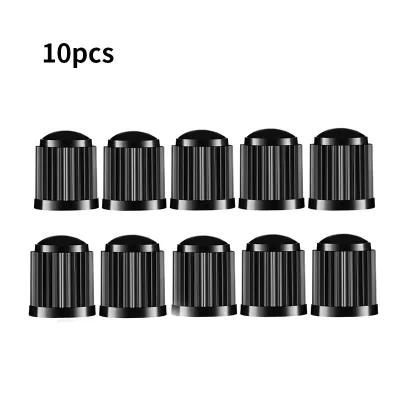
Standard plastic valve caps are typically manufactured from durable polymers such as ABS (acrylonitrile butadiene styrene) or nylon. These materials are exceptionally lightweight, highly resistant to chemical exposure, and completely non-conductive. Because they do not conduct electricity, they are entirely immune to electrochemical reactions that can cause different materials to bond together over time.
Products mentioned in this guide
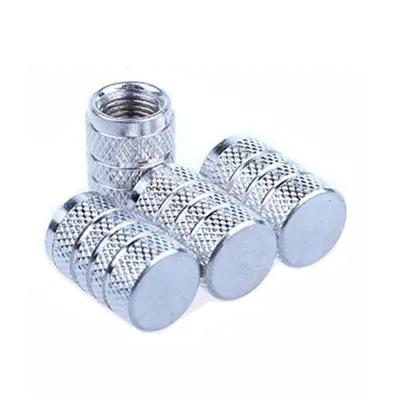

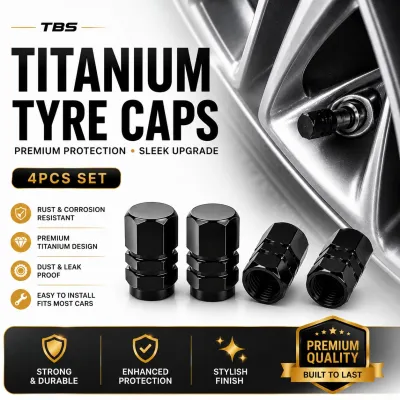
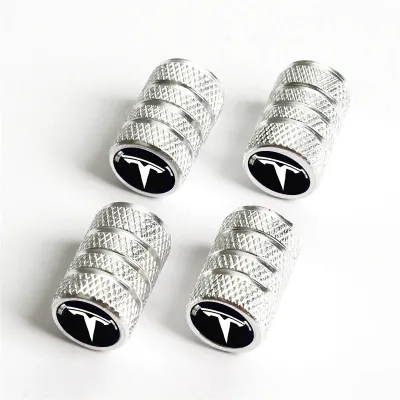
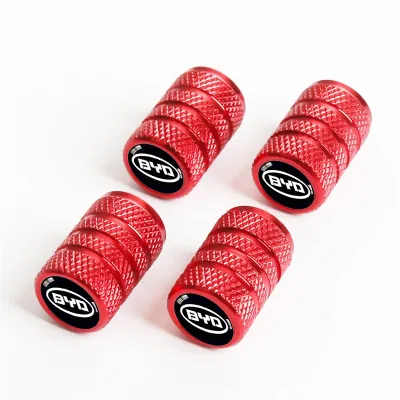

Prices are valid at publication and may change. Please refer to the product page for the latest price.
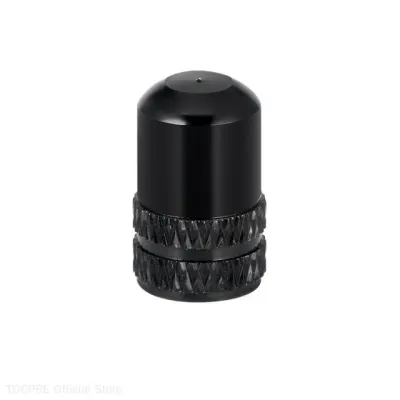
Metal valve caps are generally fabricated from aluminum, brass, or stainless steel. Aluminum caps are popular because they are lightweight and can be anodized in a wide variety of colors. Brass caps are heavier and highly durable, often finished with nickel or chrome plating to provide a bright, polished look. Stainless steel caps offer the highest level of physical strength and resistance to mechanical wear, making them robust but heavier than other options.
Regardless of the exterior material, the primary sealing mechanism of a high-quality valve cap is identical. Inside the top of the cap sits a small, flexible rubber gasket or O-ring. When the cap is threaded onto the valve stem, this elastomer ring is compressed against the crown of the stem, creating an airtight and moisture-proof barrier. Without this internal rubber seal, a valve cap cannot reliably prevent slow air leaks if the primary valve core experiences a minor failure.
The weight difference between plastic and metal caps is technically measurable, but its practical impact on everyday driving is minimal. A standard plastic cap weighs less than a gram, while a solid metal cap can weigh several grams. While this difference is negligible for normal passenger vehicles, extremely heavy aftermarket metal caps can theoretically introduce minor wheel imbalance at very high speeds. For high-performance applications, maintaining precise wheel balance is critical, meaning lightweight caps are generally preferred.
Durability and Environmental Resistance
Environmental exposure is one of the most significant factors influencing how well your valve caps hold up over time. Plastic caps excel in wet, humid, or coastal environments because they are completely immune to rust and oxidation. However, they are susceptible to ultraviolet (UV) degradation from prolonged exposure to sunlight. Over time, UV rays can break down the polymer chains in plastic, causing the caps to fade, develop micro-cracks, and become brittle. In regions with extreme seasonal temperature swings, cold weather can make degraded plastic caps fragile, increasing the risk that they will crack or strip their threads during removal.

Metal caps offer superior resistance to physical impacts and mechanical wear. They easily withstand flying gravel, road debris, and accidental contact with curbs that might easily crush or shear off a plastic cap. Metal does not degrade under UV light, ensuring that the structural integrity of the cap remains intact over years of exposure to the sun. However, metal caps are vulnerable to surface oxidation and environmental corrosion, particularly when exposed to harsh road salt, industrial fallout, or aggressive acid-based wheel cleaners.
Over time, the protective coatings on metal caps can degrade. Anodized finishes on aluminum caps may fade or pit when exposed to UV rays and chemical cleaners, while chrome-plated or painted finishes can flake, peel, or bubble. Once the protective outer layer is compromised, moisture can penetrate the metal, leading to surface corrosion. To prevent unexpected failures, perform regular observable checks on your valve caps. Inspect plastic caps for surface chalking, color fading, or visible hairline cracks, and check metal caps for surface pitting, bubbling paint, or white, powdery oxidation inside the threads.
Risk of Seizing and Galvanic Corrosion
The most significant mechanical risk associated with metal valve caps is galvanic corrosion, a process that does not affect plastic caps. Galvanic corrosion occurs when two dissimilar metals come into direct contact in the presence of an electrolyte, such as rainwater, humidity, or road salt. This contact creates a miniature electrochemical cell, causing the more active metal to corrode rapidly. If you install an aluminum cap on a brass valve stem, or a brass cap on an aluminum stem, this reaction can cause the threads to oxidize and fuse together, effectively cold-welding the cap to the stem.
When a valve cap seizes to the valve stem, routine tire maintenance becomes exceptionally difficult. You will be unable to check your tire pressure or add air without removing the cap. Attempting to force a seized metal cap off using tools like pliers or wrenches can easily bend, twist, or snap the valve stem. If the valve stem breaks, it will cause an immediate, total loss of tire pressure, requiring a roadside tire change or a tow to a professional repair facility.
To eliminate this risk entirely, vehicle manufacturers typically install plastic valve caps as the original equipment manufacturer (OEM) default. Because plastic is non-conductive, it cannot participate in galvanic reactions, ensuring that the cap can always be easily removed by hand. If you choose to use metal caps, you must be highly vigilant about material compatibility and regular maintenance to prevent the caps from permanently fusing to your valve stems.
Aesthetics and Wheel Compatibility
For many automotive enthusiasts, the choice of valve cap is driven largely by aesthetics and visual coordination. Standard black plastic caps offer a clean, discreet, and functional appearance that blends seamlessly with traditional black rubber valve stems. They do not draw attention to themselves, making them an excellent choice for drivers who prefer an understated, low-profile look. However, they can look somewhat plain or out of place on high-end alloy wheels or custom rims.
Metal valve caps offer a premium, customized appearance that can significantly enhance the visual appeal of your wheels. Anodized aluminum caps are available in a wide spectrum of colors, allowing you to match your valve caps to your vehicle’s paint, brake calipers, or custom wheel accents. Polished chrome, brass, or stainless steel caps can complement polished alloy or chrome wheels, providing a finished, high-end look that plastic caps simply cannot replicate.
When selecting aftermarket metal caps for aesthetic reasons, you must verify that they do not interfere with your vehicle’s mechanical clearances. Some decorative metal caps are excessively long, heavy, or feature complex shapes that can strike the wheel spokes or brake components as the wheel rotates. Additionally, ensure that the internal depth of the cap matches your valve stem. If a cap is too shallow, it may accidentally depress the internal valve core pin when fully tightened, leading to a continuous, slow air leak that can compromise your driving safety.
Decision Framework: Which Material Fits Your Needs?
To determine which valve cap material is best suited for your vehicle, consider your driving environment, maintenance habits, and wheel configuration. This structured framework can help guide your decision:
Choose plastic valve caps if:
- You prioritize a completely maintenance-free solution and want to avoid any risk of seized caps.
- You drive in highly corrosive environments, such as coastal areas with salty air, or regions where road salt is heavily applied during winter.
- Your vehicle is equipped with direct Tire Pressure Monitoring Systems (TPMS) featuring integrated aluminum valve stems, where avoiding galvanic corrosion is critical to preventing expensive sensor damage.
- You prefer a subtle, low-profile appearance that matches standard rubber valve stems.
Choose metal valve caps if:
- You want to customize your vehicle's appearance with color-matched or polished accents that complement your wheels.
- You drive an off-road or utility vehicle where rugged metal valve stems are installed, and you require maximum physical protection against impacts from rocks, branches, and debris.
- You are committed to performing regular tire maintenance, which includes removing the caps at least once a month to check tire pressure and inspect the threads.
- You are willing to apply a tiny amount of specialized, non-conductive anti-seize lubricant or thread grease to the valve stem threads to prevent galvanic bonding.
Before purchasing any aftermarket valve caps, always verify your vehicle’s specific valve stem material and TPMS configuration. Refer to your vehicle’s documentation or consult a qualified tire professional to ensure compatibility. Never assume that a cap will fit or function safely simply because it is marketed as a universal automotive accessory.
Installation and Maintenance Best Practices
Proper installation and regular maintenance are essential to ensure your tire valve caps perform their protective function without causing damage to your valve stems. Regardless of whether you choose metal or plastic caps, the golden rule of installation is to always tighten them by hand. Never use tools such as pliers, wrenches, or screwdrivers to tighten a valve cap. Applying excessive torque can easily strip the threads of plastic caps, damage the delicate metal threads of the valve stem, or crack the housing of integrated TPMS sensors, leading to costly repairs.
Before threading a new cap onto the valve stem, take a moment to inspect the interior of the cap. Ensure that the rubber O-ring or gasket is present, clean, and seated flatly at the bottom of the cap. If the gasket is missing, cracked, or severely flattened, replace the cap immediately, as it will not provide an effective secondary seal against moisture and air leaks. Additionally, use a clean, dry microfiber cloth to wipe any accumulated dirt, grit, or road grime from the external threads of the valve stem before installation. This prevents debris from being ground into the threads or pushed into the valve core.
Maintaining proper tire pressure is a critical safety boundary for vehicle operation; underinflated or overinflated tires can compromise handling, increase braking distances, and lead to premature tire wear or sudden blowouts. Always refer to your vehicle’s tire placard (usually located on the driver’s door jamb) or the owner’s manual for the correct inflation pressures. If you notice persistent air loss, suspect damage to your valve stems, or are unsure about the compatibility of aftermarket accessories with your TPMS, consult a qualified tire professional for an inspection and professional installation advice.
Frequently Asked Questions (FAQ)
Do tire valve caps affect TPMS sensors?
Standard, lightweight plastic or compatible metal valve caps do not interfere with the electronic signals transmitted by direct Tire Pressure Monitoring Systems (TPMS). However, using excessively heavy, oversized, or poorly designed aftermarket metal caps can put physical stress on the valve stem, potentially damaging the delicate threads or the internal sensor housing over time. Always ensure that any aftermarket cap you select is lightweight, matches the thread specifications of your TPMS valve stem, and does not interfere with the sensor’s physical clearance.
Can I use metal caps on aluminum valve stems?
It is highly recommended to avoid using metal caps on aluminum valve stems unless they are specifically designed to be compatible and are regularly maintained. Mixing dissimilar metals, such as brass or steel caps on aluminum stems, creates a high risk of galvanic corrosion, which can permanently fuse the cap to the stem. If your vehicle has aluminum TPMS valve stems, using high-quality plastic caps is the safest and most reliable way to prevent corrosion and avoid the need for expensive sensor replacements.
How tight should a tire valve cap be?
Tire valve caps should only be tightened securely by hand until they are snug. The primary seal is created by the compression of the internal rubber O-ring against the top of the valve stem, not by applying extreme torque to the threads. Turn the cap clockwise using your fingers until you feel firm resistance, then give it a slight extra snug turn to ensure it is secure. Avoid over-tightening, as this can strip the threads, damage the valve stem, or make the cap difficult to remove during your next tire pressure check.
Community discussion
Share your experience or ask a question. Comments are reviewed before publication.