
Finding the right breathable car seat cover is essential for maintaining comfort during long drives, especially in hot and humid climates like Singapore. When your vehicle sits under the sun or handles long daily commutes, the material between you and your car seat determines whether you stay cool or end up with a damp, uncomfortable back. While many products claim to offer superior cooling, actual performance depends heavily on material structure, backing layers, and how the cover interacts with your vehicle’s interior features.
To determine which material breathes best, you must look at how mesh, fabric, and perforated leather handle heat and air movement. Mesh provides the highest passive airflow due to its open-weave structure, making it the most effective option for vehicles without built-in seat ventilation. Fabric offers a balanced blend of comfort, durability, and moisture absorption, while perforated leather provides a premium aesthetic but relies heavily on active vehicle ventilation systems to cool down effectively. Choosing the right option requires matching these material characteristics to your daily driving conditions and your vehicle’s specific seat features.
Understanding Breathability in Car Seat Covers
Evaluating a seat cover’s cooling performance requires looking beyond generic material names. True breathability is a combination of three distinct physical properties: airflow (ventilation), moisture wicking, and heat conduction. Airflow refers to how easily air passes through the material to carry heat away from your body. Moisture wicking determines how well the material draws sweat away from your skin and allows it to evaporate, while heat conduction dictates how quickly the material absorbs and releases ambient heat when exposed to direct sunlight.
Products mentioned in this guide
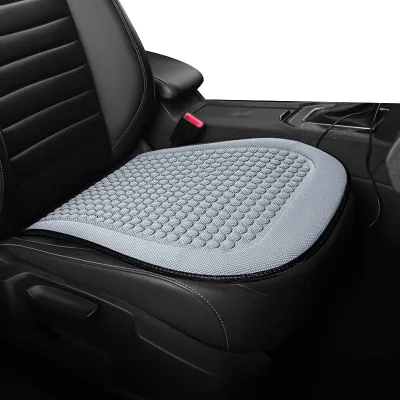
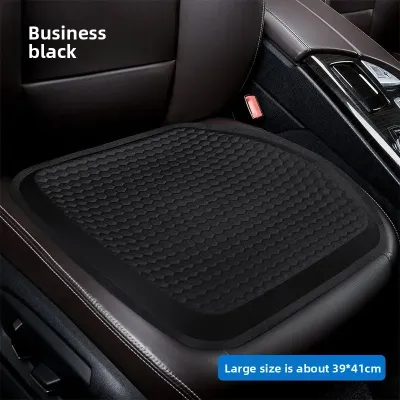
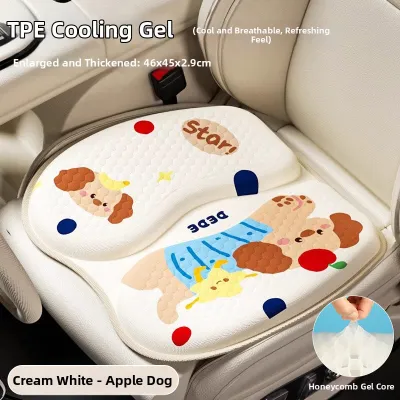
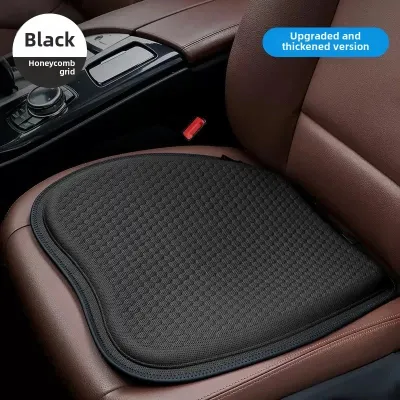
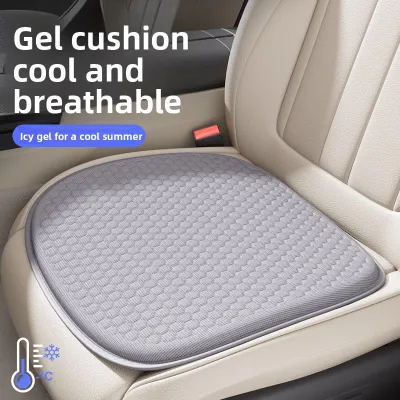
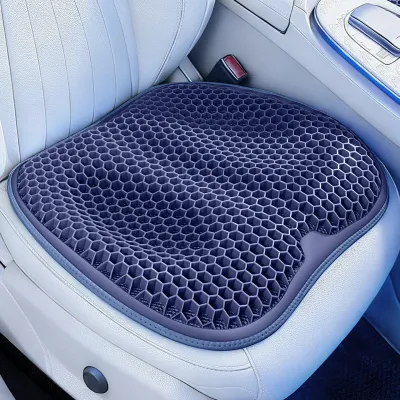
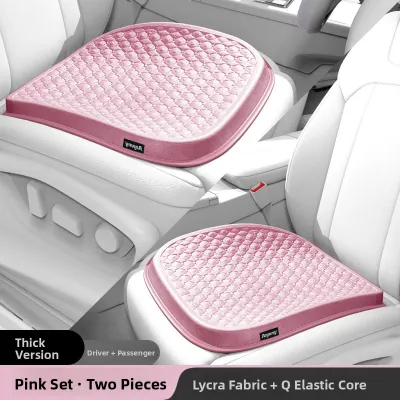
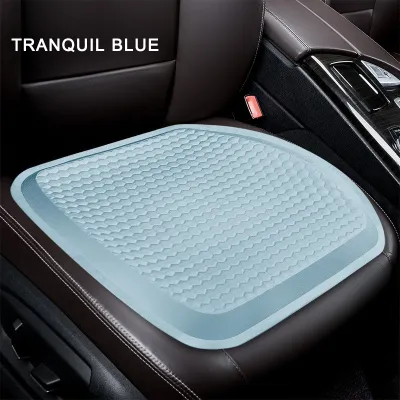
Prices are valid at publication and may change. Please refer to the product page for the latest price.
Many drivers do not realize that the outer material is only one part of the equation. The thickness, backing layers, and foam density of the seat cover play a massive role in actual cooling performance. A highly breathable outer mesh or fabric can be completely choked if it is bonded to a thick, non-porous polyurethane foam backing or a waterproof barrier. These dense underlying layers trap heat and moisture against your back, defeating the purpose of the breathable outer face.
Because of this, manufacturer specifications and weave density dictate performance more than broad material categories. When shopping for a breathable car seat cover, it is essential to check the product specifications for terms like “3D spacer mesh” or “open-cell foam backing.” These designs use specialized structural pillars to keep the layers separated, maintaining open air channels even when compressed by your body weight.
Mesh Seat Covers: Maximum Airflow
Mesh seat covers are widely recognized for delivering the highest level of passive airflow. Because they feature an open-weave design, they allow air to circulate freely between your body and the seat cushion. This continuous ventilation helps dissipate body heat and evaporate moisture before it can pool. For drivers navigating congested city traffic or parking in unsheltered lots, mesh provides an immediate, noticeable barrier against heat buildup.

These covers are particularly well-suited for long commutes in tropical climates where humidity levels remain high. By creating a physical gap between your back and the dense foam of the original car seat, a high-quality mesh cover allows the cabin’s air conditioning to circulate behind you. This passive cooling effect operates continuously, requiring no electrical connection or active seat fans to keep you comfortable.
However, mesh covers come with specific trade-offs that you should consider before purchasing. Because the material is designed for maximum airflow, it often features reduced cushioning compared to thick fabric or leather options. The open pores can also be prone to snagging on keys, zippers, or velcro straps, which can pull the threads and degrade the cover’s appearance over time.
Cleaning mesh covers also requires a specific approach. While some options feature care labels indicating they are machine washable, others must be hand-washed to preserve their structural shape. Additionally, because of the open-weave design, dust, crumbs, and small debris can easily pass through the mesh pores and settle onto the original upholstery underneath. This means you will need to remove the covers periodically to vacuum the seats below.
Fabric Seat Covers: The Balanced Option
Fabric seat covers offer a highly versatile and balanced alternative for everyday drivers. Unlike mesh, which relies entirely on open spaces, fabric covers use woven fibers to manage temperature and comfort. The breathability of fabric depends heavily on the weave tightness and the fiber composition. Natural cotton blends and loose synthetic polyesters allow moderate airflow while providing a soft, cushioned surface that feels familiar and comfortable.
One of the primary advantages of fabric is its moisture absorption properties. When you sweat, high-quality woven fabrics absorb the moisture and spread it across a larger surface area, accelerating evaporation. This prevents the sticky, clammy feeling often associated with synthetic vinyl or solid leather seats. However, because the fabric actually holds onto the moisture during this process, these covers require regular washing to prevent deep-seated odors and staining.
Fabric covers are best suited for general daily use where a balance of cooling, soft support, and robust protection is needed. They tend to offer more cushioning than mesh, making them highly comfortable for long-distance driving. They also act as an excellent physical barrier, protecting your original seats from spills, dirt, and pet hair far better than open-mesh alternatives.
Perforated Leather Seat Covers: Style with Conditional Cooling
Perforated leather seat covers provide a premium, sophisticated aesthetic while attempting to address the heat-trapping tendencies of traditional solid leather. These covers feature thousands of tiny, precision-punched holes across the seating surface. However, it is crucial to understand that perforated leather relies on specific conditions to offer any real cooling benefits. Without active airflow, these perforations provide very little passive ventilation.
The primary mechanism of perforated leather is to facilitate active seat ventilation. If your vehicle is equipped with factory ventilated seats that blow air upward through the cushion, perforated leather is the ideal choice. The holes allow the forced air to reach your body directly. If your car does not have built-in seat ventilation, perforated leather acts largely like standard leather, offering minimal passive cooling and relying entirely on the cabin’s air conditioning to lower its temperature.
Surface heat retention is another major consideration. When exposed to direct sunlight, dark perforated leather absorbs and retains thermal energy rapidly. If your car is parked outdoors, these seats can become extremely hot to the touch, requiring you to run the air conditioning for several minutes before they become comfortable to sit on. Lighter-colored leather options can mitigate this effect slightly, but they still retain more heat than mesh or fabric.
Maintenance is also highly demanding for this material. Standard leather conditioners and creams can easily clog the tiny perforation holes, trapping moisture, dust, and body oils inside the pores. Over time, this blockage can ruin the breathability of the cover and cause the leather to stiffen or crack. Drivers must check the manufacturer’s guidelines for specific conditioning instructions, which typically involve using light, liquid-based conditioners applied sparingly with a microfiber cloth.
Material Comparison and Decision Matrix
To help you choose the right material for your vehicle, it is helpful to compare how these options perform across key categories. Each material excels in different areas, meaning the best choice depends on your specific driving environment and vehicle features.
| Performance Category | Mesh Seat Covers | Fabric Seat Covers | Perforated Leather Seat Covers |
|---|---|---|---|
| Passive Airflow | Excellent | Moderate | Low |
| Moisture Management | High (Passes through) | High (Absorbs & evaporates) | Low (Can pool if unventilated) |
| Heat Retention in Sun | Very Low | Moderate | High |
| Cushioning & Comfort | Low to Moderate | High | High |
| Maintenance Effort | Moderate (Requires vacuuming underneath) | High (Requires regular washing) | High (Requires specialized conditioning) |
Using this comparison, you can apply a simple decision framework to guide your purchase:
- Choose Mesh if your primary goal is maximum passive airflow, you do not have active seat ventilation, and you want to minimize sweat during warm daytime drives.
- Choose Fabric if you want a comfortable, cushioned ride with reliable moisture absorption, easy machine-washable maintenance, and solid protection against dirt and spills.
- Choose Perforated Leather if you want to maintain a premium interior look, your vehicle is already equipped with active factory seat ventilation, and you are willing to perform regular, careful maintenance.
Before making a final decision, always verify the specific product labels. Look closely at the material composition and backing layers to ensure they match your expectations for breathability and care.
Installation and Fit: How They Affect Cooling
Proper installation is just as critical as choosing the right material when it comes to maintaining a cool cabin. A poorly fitted seat cover can completely negate the breathability of even the highest-quality mesh or fabric. If a cover is too loose, it will sag and create dead air pockets that trap body heat and moisture. Conversely, if a cover is pulled too tightly, it can compress the internal breathable foam or 3D mesh layers, closing off the pathways designed to let air flow.
Furthermore, you must consider how the cover interacts with your original seat materials. If your car is equipped with factory ventilated or heated seats, installing a cover with a solid, non-porous backing will completely block the airflow or heat transfer, rendering your vehicle’s built-in features useless. Always verify that the cover’s backing material is explicitly designed to allow air and heat to pass through.
Finally, safety must always take priority over cooling performance. Before purchasing or installing any aftermarket seat cover, you must verify your vehicle’s specific model, year, and seat configuration. Many modern vehicles feature side-impact airbags integrated directly into the outer bolsters of the front seats. Installing a non-certified or improperly fitted seat cover over these areas can delay or completely block airbag deployment in an emergency. Always check the manufacturer’s documentation to ensure the cover is certified as airbag-compatible, and stop the installation immediately if the fitment interferes with any safety mechanisms.
Frequently Asked Questions (FAQ)
Do cooling seat covers actually work without built-in ventilation?
Passive cooling seat covers, such as those made from open-weave mesh or highly breathable fabrics, do work without built-in ventilation, but their performance is limited. These materials rely entirely on ambient cabin air movement and natural body heat dissipation. They do not generate cold air on their own. When your car is stationary or stuck in heavy traffic, a passive cover will only slow down heat buildup rather than actively lowering your temperature. To get the most out of a passive cover, you must ensure your cabin’s air conditioning is directed toward the lower half of the cabin to encourage air circulation around the seat base.
Which seat cover material gets the hottest in direct sunlight?
Dark-colored perforated leather and synthetic leather (such as polyurethane or vinyl) retain the most heat when exposed to direct sunlight. These materials have high thermal mass, meaning they absorb solar energy quickly and hold onto it for a long time. Even with perforations, the solid sections of the leather will become hot enough to cause discomfort upon entry. Woven fabrics and mesh covers absorb significantly less heat and dissipate it much faster once the cabin air conditioning is turned on. If you must park outdoors frequently, checking manufacturer labels for UV-resistant or heat-reflective material treatments is highly recommended.

Community discussion
Share your experience or ask a question. Comments are reviewed before publication.