
No single seat cooling pad technology is universally superior; the best choice depends entirely on your vehicle’s cabin environment, power accessibility, and driving duration. Mesh pads rely on passive airflow and work best when paired with strong air conditioning, gel pads provide immediate surface cooling for shorter trips but can saturate over time, and fan-powered pads deliver active ventilation for long drives but require a continuous power source. This guide breaks down the physical mechanisms, comfort trade-offs, and installation requirements of each type to help you select the right solution for your specific seating situation.
How Mesh, Gel, and Fan-Powered Pads Manage Heat
Understanding how different seat cooling pads handle thermal energy is the first step in making an informed choice. Each technology addresses heat accumulation through a distinct mechanism, ranging from passive ventilation to active heat extraction.
Mesh and 3D Spacer Fabric: Passive Airflow
Mesh and 3D spacer fabrics operate on passive ventilation. These materials feature a highly porous, woven structure that creates a physical air gap between your body and the dense upholstery of your vehicle’s seat. By elevating your body slightly, these pads allow trapped heat and moisture to escape naturally.
Products mentioned in this guide
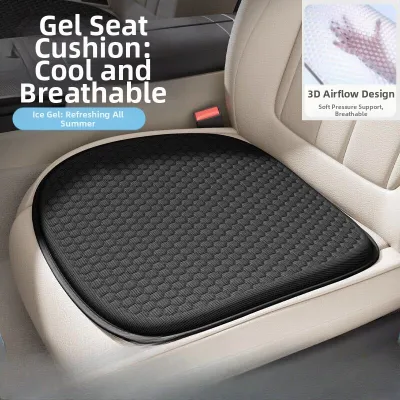
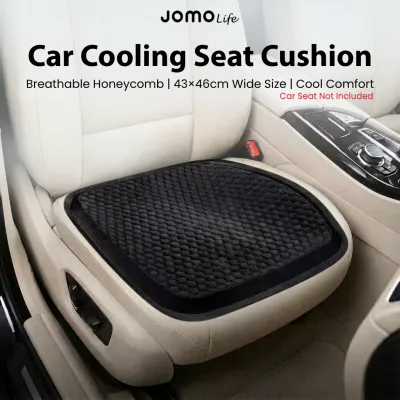
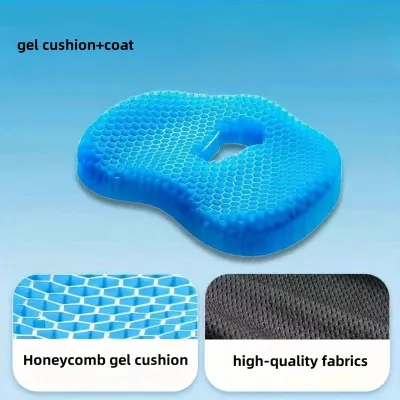
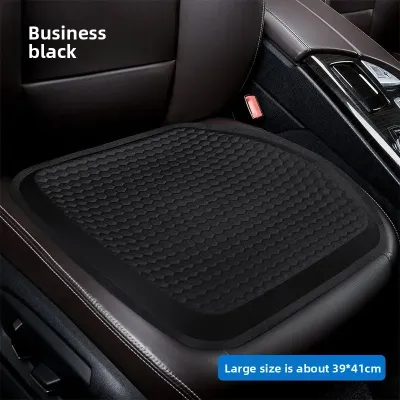
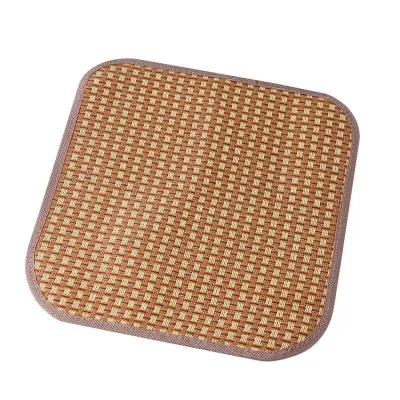
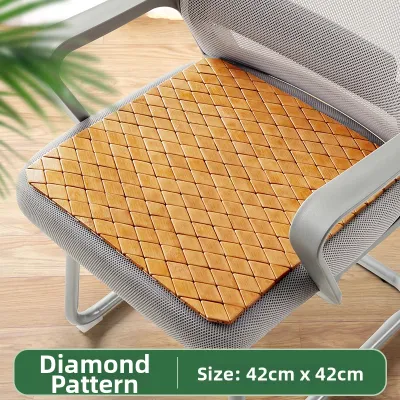

Prices are valid at publication and may change. Please refer to the product page for the latest price.
However, passive cooling is strictly bound by ambient conditions. Because there is no mechanical force moving the air, a mesh pad cannot lower the temperature below that of the surrounding cabin. If the interior of your car is hot, the air trapped within the mesh will remain warm until your vehicle’s air conditioning system cools the cabin.
When evaluating these pads, check manufacturer specifications for fabric density and weight capacity. Lower-quality mesh can compress completely under body weight, flattening the air gap and neutralizing the cooling effect. Look for high-density 3D spacer fabrics designed to resist compression and maintain structural integrity over long periods.
Gel and Phase-Change Materials: Heat Absorption
Gel-based cooling pads utilize thermal mass to manage temperature. These pads are typically filled with a dense, polymer-based gel or phase-change materials that possess a high capacity for heat absorption. When you first sit on a cool gel pad, it rapidly draws heat away from your body, creating an immediate cooling sensation.
The primary limitation of this technology is thermal saturation. Because gel pads do not actively dissipate heat, they act as a thermal sponge; once the gel absorbs enough body heat to match your skin temperature, the cooling sensation stops. During extended drives, a saturated gel pad can begin to retain heat, making the seat feel warmer.
To ensure a gel pad fits your driving habits, check product labels for details on thermal duration and weight-triggered activation. Some formulations are engineered to slow down heat absorption, while others require a period of non-use to release stored heat. Understanding these operating ranges helps prevent discomfort during longer journeys.
Fan-Powered Pads: Active Air Circulation
Fan-powered seat pads represent an active approach to climate control. These devices feature built-in micro-fans that draw air from the cabin floor or footwell and distribute it evenly across the seating surface through a network of internal channels. This continuous movement of air accelerates the evaporation of perspiration, which is the body’s natural cooling mechanism.
Because these systems rely on mechanical fans, they require a continuous external power source. Most models are designed to plug directly into a 12V auxiliary power outlet or a standard USB port within the vehicle. This dependency means you must consider the availability and location of power outlets in your car before purchasing.
When shopping for an active cooling pad, pay close attention to manufacturer specifications for fan noise, airflow volume, and cord length. High-performance fans can produce a noticeable hum that may be distracting during quiet drives. Additionally, verify the physical placement of the fan housing to ensure it does not press uncomfortably against your legs.
Evaluating Cooling Performance and Daily Comfort
Choosing the right seat cooling pad requires balancing immediate thermal relief with long-term physical comfort. A pad that feels exceptionally cold during a quick five-minute test may prove uncomfortable or even painful after two hours on the road.

When assessing cooling performance, consider how the pad behaves over different time horizons. Gel pads excel at providing instant relief when you first enter a hot vehicle, making them highly effective for quick errands. However, for sustained heat dissipation on long commutes, active fan-powered pads or high-quality mesh options are more reliable because they do not suffer from thermal saturation.
Ergonomics and cushioning are equally critical factors to evaluate. Adding an aftermarket pad to your seat will inevitably alter your driving posture and seating height. Thick gel pads offer substantial cushioning but can raise your seating position by several centimeters, potentially requiring adjustments to your steering wheel and mirrors. Conversely, low-profile mesh pads have a minimal impact on your driving posture but offer very little additional padding.
Finally, pay attention to the surface texture and friction of the pad’s backing material. A cooling pad that slides around every time you round a corner is both annoying and potentially unsafe. If your vehicle has smooth leather seats, look for pads with specialized non-slip silicone backings or robust strap systems. For fabric seats, a textured or high-friction backing is usually sufficient to keep the pad securely in place.
Which Seat Cooling Pad Fits Your Driving Routine?
Selecting the ideal cooling pad depends heavily on your daily driving habits, your vehicle’s existing features, and your personal comfort preferences. By matching your specific routine to the strengths of each technology, you can avoid common purchasing mistakes.
You should choose a mesh pad if your daily routine consists of moderate drives in a vehicle with a highly effective air conditioning system. Mesh is the ideal choice for drivers who prefer a low-profile, unobtrusive solution that does not alter their seating position. Because mesh pads contain no electronic components or liquid gels, they are lightweight, highly durable, and generally the easiest to clean and maintain.
A gel pad is highly suited for drivers who make frequent, short trips throughout the day, such as delivery drivers or those with brief daily commutes. The instant cooling effect provides immediate relief when entering a sun-baked car, and the added cushioning can make firm seats much more comfortable. Since gel pads require no cables or power connections, they can be easily transferred between different vehicles or even used on office chairs.
Active fan-powered pads are the most effective option for long-distance drivers, highway commuters, and those operating vehicles in extremely hot climates without strong air conditioning. If you spend hours behind the wheel, the active airflow from a fan-powered pad provides continuous, non-saturating cooling that keeps you dry and comfortable. However, you must be willing to manage the power cables and accept the slight operational noise of the fans.
Before making any purchase, it is vital to inspect your vehicle’s seats for existing features that might conflict with an aftermarket pad. If your seats have built-in heating or ventilation systems, placing a thick pad on top will block the airflow and heat transfer. Furthermore, you must ensure that any aftermarket accessory does not interfere with side-impact airbags or weight-sensitive passenger occupancy sensors.
Safety, Installation, and Care Requirements
Proper installation and maintenance are essential to ensure your seat cooling pad operates safely and lasts for many seasons. Neglecting these aspects can lead to damaged vehicle interiors, electrical issues, or even compromised safety systems.
Your primary safety consideration must be side-impact airbag compatibility. Many modern vehicles feature airbags embedded within the outer bolsters of the front seats. When installing a seat pad that wraps around the sides of the seat back, you must verify that the product is certified as airbag-compatible. Look for pads that utilize open sides, fragile breakaway stitching, or specific cutouts designed to allow unobstructed airbag deployment.
For fan-powered pads, safe power management and cable routing are critical. Loose, dangling cords can easily become entangled in your feet, the brake pedal, or the seat adjustment tracks, creating a severe driving hazard. Always route power cables carefully along the center console or under the seat trim, securing them with cable clips if necessary. Ensure the cable has enough slack to accommodate full seat adjustments without pulling on the plug or damaging the wire.
Finally, always consult the manufacturer’s care label before attempting to clean your cooling pad. Mesh pads can often be hand-washed or even machine-washed on a gentle cycle, making them highly hygienic. Gel pads typically require simple spot-cleaning with a damp cloth and mild detergent. Fan-powered pads, however, contain sensitive electronic motors and wiring; these must never be submerged in water and should only be cleaned according to the manufacturer’s precise instructions to avoid short circuits.
Frequently Asked Questions (FAQ)
Will an aftermarket pad block built-in ventilated seats?
Yes, placing a standard aftermarket cooling pad over built-in ventilated seats will significantly restrict or completely block the original airflow. Thick gel layers and solid-backed mesh pads act as barriers, preventing the vehicle’s integrated ventilation system from reaching your body. If you wish to use an aftermarket pad on ventilated seats, look for specialized, highly porous mesh designs with perforated backings, and consult your vehicle’s manual to ensure you do not strain the built-in blower motors.
Is it safe to leave fan-powered pads plugged in?
It depends entirely on your vehicle’s electrical system and whether the 12V auxiliary outlet or USB port remains active when the ignition is turned off. In many vehicles, these outlets are switched off automatically when you remove the key, making it safe to leave the pad plugged in. However, if your vehicle’s outlets provide constant power, leaving a fan-powered pad plugged in can slowly drain your car’s battery overnight. To prevent a dead battery, it is highly recommended to unplug the pad when parking or verify if the pad features an automatic shutoff timer.
How can I prevent the pad from sliding on leather seats?
To prevent a cooling pad from sliding on smooth leather upholstery, look for products specifically designed with non-slip silicone bead backings, adjustable headrest straps, and chucks that tuck into the seat crease. These physical anchors keep the pad secure during sharp turns and sudden stops. Avoid using aftermarket adhesive tapes, velcro, or rubberized mats that are not explicitly rated for automotive leather, as the heat inside a parked car can cause these adhesives to melt, permanently staining or stripping the leather finish.

Community discussion
Share your experience or ask a question. Comments are reviewed before publication.