
Choosing the right seat cover material for your Mercedes-Benz GLA 180 is a balance between preserving the vehicle’s premium cabin aesthetic and managing the practical demands of daily driving. The compact luxury crossover serves diverse roles, from a stylish city commuter to a family vehicle. Because the GLA 180 features a refined interior, any aftermarket addition must respect its design language while addressing your specific lifestyle needs.
The decision ultimately hinges on your daily environment, maintenance preferences, and comfort priorities. Leather offers a sophisticated look and straightforward spill cleanup but can absorb significant heat when parked under the sun. Fabric provides a softer, temperature-neutral seating surface but requires diligent care to prevent stains and odors. Breathable mesh delivers exceptional ventilation, making it highly effective for humid climates and active lifestyles, though it presents a more utilitarian appearance.
Defining Your Priorities for the GLA 180 Interior
Before selecting a seat cover material, it is essential to analyze how you use your Mercedes-Benz GLA 180 on a daily basis. A driver who primarily uses the crossover for short, air-conditioned city commutes will have vastly different requirements than someone who frequently transports young children, pets, or sports gear. Understanding your typical passenger profile and cargo habits helps narrow down whether you need heavy-duty protection or a simple aesthetic enhancement.
Products mentioned in this guide
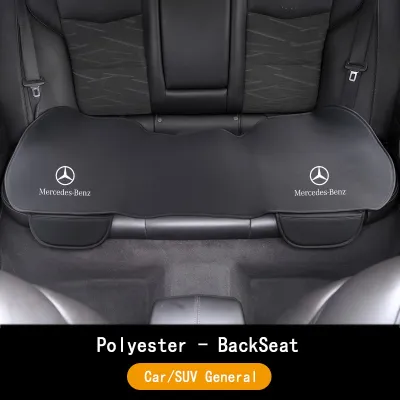
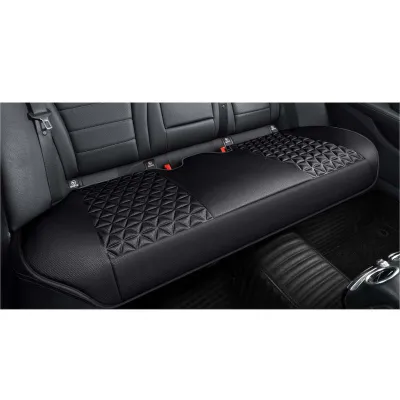
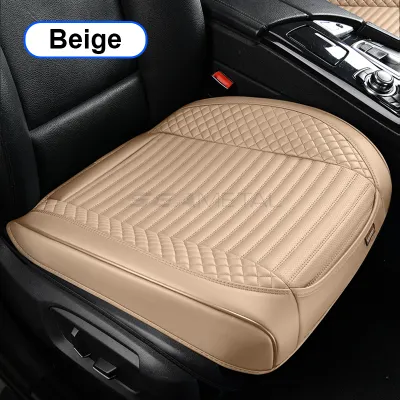
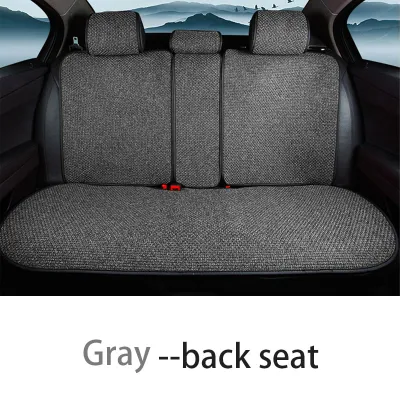
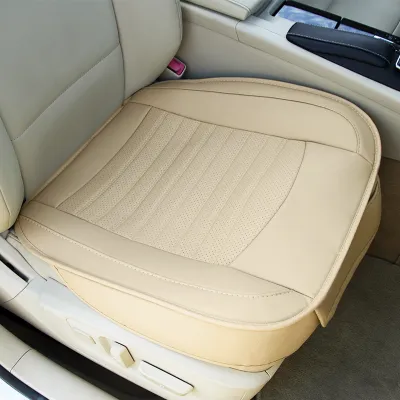
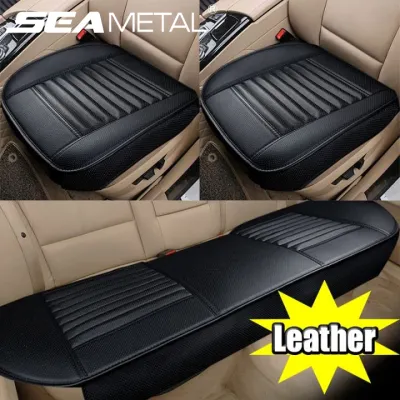
Prices are valid at publication and may change. Please refer to the product page for the latest price.
The local climate plays a decisive role in seat comfort. In tropical regions characterized by high humidity and intense sunlight, a car parked outdoors can quickly turn into a heat trap. When you return to the vehicle, the temperature of the seating surface directly affects your immediate comfort. Materials that retain heat can cause discomfort and sweating, whereas breathable options allow the cabin’s air conditioning to cool the seating surface much faster.
Aesthetic alignment is another critical factor for GLA 180 owners. The vehicle’s cabin is designed with a modern, sporty luxury theme, often featuring clean lines, metallic accents, and high-quality dashboard materials. An aftermarket seat cover should complement this existing design rather than clash with it. You must decide whether you want a cover that seamlessly mimics the original upholstery or one that introduces a more rugged, functional look.
Leather Seat Covers: Premium Aesthetics and Easy Cleaning
Leather seat covers, whether crafted from genuine hides or high-grade synthetic alternatives like polyurethane (PU) or vinyl, are the traditional choice for maintaining a luxury aesthetic. For the GLA 180, a well-fitted leather cover can elevate the cabin, closely matching the premium feel of the original Mercedes-Benz interior. The material provides a sleek, taut appearance that integrates smoothly with the door panels and dashboard trim.

One of the primary advantages of leather is its resistance to liquid penetration. If a drink spills or dirt is tracked onto the seat, the liquid typically pools on the surface rather than soaking into the cushion. This makes cleanup straightforward, requiring only a quick wipe with a damp microfiber cloth. For families or drivers who frequently consume beverages on the go, this spill-resistant barrier offers significant peace of mind.
However, leather has distinct physical properties that require consideration in warm climates. When exposed to direct sunlight through the GLA 180’s windows, leather surfaces can absorb and retain high levels of heat, making them uncomfortably hot to the touch. Additionally, leather requires periodic maintenance to preserve its flexibility and appearance. Without regular application of specialized leather conditioners, the material can dry out, fade, or crack over time due to UV exposure and friction.
Fabric Seat Covers: Everyday Comfort and Temperature Neutrality
Fabric seat covers offer a practical, comfortable alternative that focuses on tactile softness and temperature regulation. Unlike leather, fabric does not become excessively hot when the vehicle is parked in the sun, nor does it feel sticky against bare skin on humid days. This temperature neutrality makes fabric an excellent choice for drivers who prioritize immediate comfort the moment they step into the cabin.
Modern automotive fabrics are engineered for durability, utilizing tight weaves that resist daily wear and friction. They are available in a wide variety of textures, patterns, and colors, allowing you to customize the interior of your GLA 180 to match your personal style. High-quality canvas, jacquard, or polyester blends can provide a cozy, inviting atmosphere that softens the technical look of the crossover’s cabin.
The primary trade-off with fabric is its susceptibility to staining and odor absorption. Because fabric is porous, spilled liquids can quickly penetrate the fibers and reach the underlying seat foam if not treated immediately. Dust, pet dander, and sweat can also accumulate within the weave, requiring regular vacuuming and occasional deep cleaning with specialized upholstery shampoo. For those who lead active lifestyles or frequently carry passengers, keeping fabric covers looking pristine demands consistent effort.
Breathable Mesh Seat Covers: Maximum Airflow and Active Lifestyles
Breathable mesh seat covers are designed specifically to maximize air circulation between the driver and the seat back. Utilizing a multi-layered, open-weave construction, these covers create a physical gap that allows heat and moisture to dissipate. In hot and humid environments, this continuous airflow significantly reduces perspiration and keeps the driver cool, even during long journeys.
For individuals with active lifestyles, such as those who head to outdoor sports, gym sessions, or beach outings, mesh is highly functional. The synthetic fibers used in mesh covers are typically highly resistant to abrasion, moisture, and mildew. If you enter the vehicle damp or sweaty, the mesh material dries rapidly and does not trap moisture against the original seat upholstery, preventing the development of musty odors.
The main compromise with mesh seat covers lies in their visual integration. The utilitarian, sporty look of mesh may not align with everyone’s vision of a Mercedes-Benz interior, as it can detract from the sleek, executive feel of the cabin. Additionally, the open-weave design can trap small particles like sand, crumbs, and dust within the mesh pockets. Cleaning these covers often requires a stiff brush or a high-powered vacuum to dislodge debris from the tiny openings.
Direct Comparison: Which Material Fits Your Driving Profile?
To determine the best option for your Mercedes-Benz GLA 180, it is helpful to match your specific driving habits and priorities with the unique characteristics of each material. No single option is universally superior; instead, the right choice depends on how you weigh aesthetics, comfort, and maintenance.
Consider the following recommendations based on common driving profiles:
- Choose Leather if you prioritize a premium, factory-like appearance, want effortless cleanup of spills, and are willing to perform occasional conditioning to maintain the material's integrity.
- Choose Fabric if you prefer a soft, cozy seating surface, want to avoid the initial heat shock of a sun-baked car, and do not mind vacuuming regularly to manage dust and minor stains.
- Choose Mesh if you live in a highly humid climate, frequently drive after outdoor activities, prioritize maximum cooling airflow, and prefer a sporty, functional look over traditional luxury.
The table below summarizes how these three materials compare across key ownership dimensions:
| Evaluation Dimension | Leather (Genuine / Synthetic) | Fabric (Canvas / Polyester) | Breathable Mesh |
|---|---|---|---|
| Aesthetic Impact | High premium, matches luxury trim | Cozy, casual, highly customizable | Sporty, utilitarian, functional |
| Climate Comfort | Retains heat, can feel sticky | Temperature neutral, soft touch | Maximum airflow, highly cooling |
| Spill Resistance | High, liquids pool on surface | Low, liquids absorb quickly | Moderate, allows liquid to pass through |
| Maintenance Effort | Low daily wipe, periodic conditioning | Moderate vacuuming, shampooing | Moderate vacuuming, debris removal |
| General Cost Position | Premium to high | Budget to mid-range | Budget to mid-range |
In some cases, a single material may not meet all your needs. Some manufacturers offer hybrid seat covers that combine different materials to deliver the best of both worlds. For example, a cover might feature durable leather bolsters on the sides to maintain a premium look and resist wear from entry and exit, paired with a breathable mesh or fabric center panel to ensure driver comfort and airflow.
Fitment, Safety, and Installation Checks
When purchasing aftermarket seat covers for your Mercedes-Benz GLA 180, safety must be your absolute priority. The GLA 180 is equipped with advanced safety systems, including side-impact airbags integrated directly into the outer bolsters of the front seats. Installing a seat cover that is not specifically designed to accommodate these airbags can delay or completely block their deployment during a collision, posing a severe safety risk. Always verify that the seat cover manufacturer certifies the product as side-airbag compatible, featuring specialized, low-tension breakaway stitching at the airbag deployment zones.
Beyond airbag safety, you must ensure the covers do not interfere with the vehicle’s electronic and mechanical systems. If your GLA 180 features heated or ventilated seats, the cover material must be compatible with these functions. Thick, heavily padded covers can block heat transfer or restrict airflow from built-in ventilation fans. Furthermore, the cover must not obstruct the seat adjustment controls, manual levers, or the tracks along which the seat slides.
Proper installation is critical to prevent the seat cover from shifting or bunching during driving. A loose cover can slide under your body during sudden braking or cornering, potentially affecting your control of the pedals. Carefully follow the manufacturer’s instructions to secure all straps, hooks, and anchors beneath the seat frame, taking care not to pinch any electrical wiring harnesses for the power seats. If the installation process involves complex anchoring or if you are unsure about airbag compatibility, seek assistance from a qualified professional installer.
Frequently Asked Questions (FAQ)
Will aftermarket seat covers affect my Mercedes-Benz warranty?
Installing aftermarket seat covers generally does not void your overall Mercedes-Benz vehicle warranty. However, if a seat cover causes direct damage to the vehicle’s components—such as blocking seat ventilation fans and causing them to overheat, or damaging the power seat adjustment motors due to improper strap routing—that specific damage will typically not be covered under warranty. To protect your coverage, ensure the seat covers are designed specifically for the GLA 180’s seat dimensions and are installed strictly according to the manufacturer’s guidelines.
How do I properly clean spills on fabric versus leather covers?
For leather covers, wipe up spills immediately using a clean, dry microfiber cloth, then clean the area with a mild, pH-neutral leather cleaner authorized for automotive use. Avoid harsh household detergents, which can strip the protective topcoat of the leather. For fabric covers, blot spills immediately with an absorbent cloth without rubbing, as rubbing can push the liquid deeper into the fibers. Use a dedicated automotive fabric upholstery cleaner, applying it sparingly to avoid oversaturating the underlying seat foam, and allow the seat to air dry completely with the windows open.

Community discussion
Share your experience or ask a question. Comments are reviewed before publication.