
When comparing men’s motorcycle shoes, there is no single brand that universally outperforms all others in safety. Protective designs vary significantly across different models, riding styles, and price points. The true measure of safety lies not in brand reputation or marketing claims, but in verifiable certifications, structural reinforcements, and how well the shoe matches your specific riding environment. Evaluating motorcycle shoes requires a systematic look at objective safety standards, physical ankle protection mechanisms, and structural impact resistance. By focusing on observable specifications, you can identify the right balance of safety and value for your daily rides.
Understanding Safety Standards and Certifications
To make an objective comparison between different motorcycle shoes, you must first understand the standardized testing protocols that govern protective footwear. The primary benchmark for motorcycle footwear is the European standard EN 13634. This standard subjects shoes to rigorous laboratory tests to evaluate their performance in real-world accident scenarios. It measures several critical performance areas, including the height of the upper, abrasion resistance during a slide, impact cut resistance from sharp objects, and the transverse rigidity of the sole to prevent crushing.
When shopping for men’s motorcycle shoes, always locate the CE certification tag, which is typically stitched into the tongue, inner lining, or ankle collar. This tag features a motorcycle icon alongside a grid of four numbers, each representing a specific test result. The numbers correspond to the boot height, abrasion resistance, impact cut resistance, and transverse rigidity. Each category is rated as either Level 1 (the baseline standard for road use) or Level 2 (offering higher performance and greater protection, often at the expense of flexibility and weight).
Products mentioned in this guide
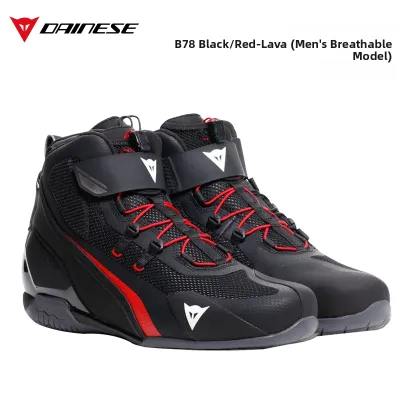
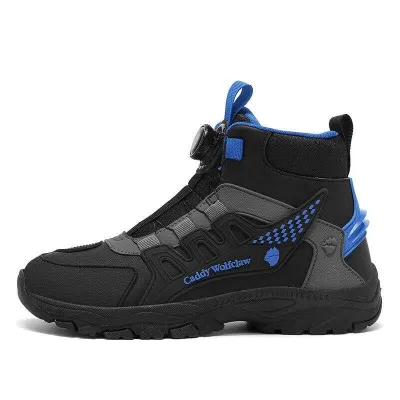
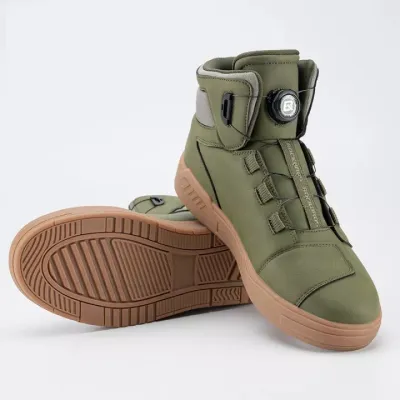
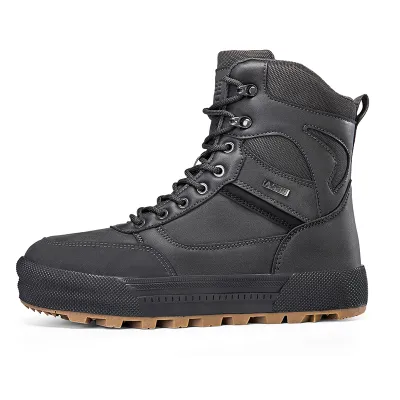
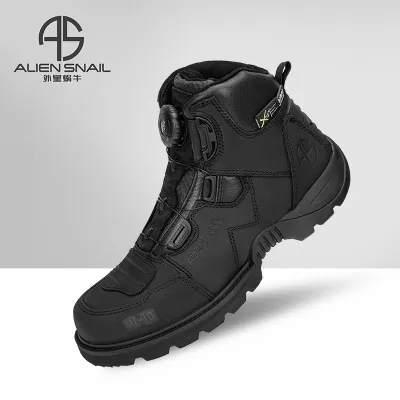
Prices are valid at publication and may change. Please refer to the product page for the latest price.
It is crucial to check the specific model’s label rather than assuming brand-wide compliance. A brand may produce a highly protective, Level 2-certified touring boot alongside a casual, Level 1-certified riding sneaker. Relying solely on brand reputation can lead to under-protection if you assume all shoes from a premium manufacturer offer identical safety levels. Always verify the exact four-digit rating on the physical tag or the manufacturer’s official specification sheet before making a purchase.
Evaluating Ankle Protection Features
The ankle is one of the most vulnerable areas of the foot during a motorcycle accident, prone to both direct impact and severe twisting forces. When comparing different models, you must physically inspect and compare the ankle support mechanisms. Look for dedicated protectors positioned over the medial and lateral malleolus—the bony protrusions on the inside and outside of your ankle. These protectors should feel like distinct, rigid inserts beneath the outer material, rather than simple layers of thin fabric.

Ankle armor generally falls into two categories: hard armor and soft, intelligent padding. Hard armor, typically constructed from Thermoplastic Polyurethane (TPU) or hard plastics, excels at sliding and dispersing direct impact energy over a wider surface area. Soft padding, such as D3O or specialized memory foams, remains flexible during normal movement but hardens instantly upon impact. You can verify the presence of these materials by feeling the ankle area of the shoe; it should resist direct thumb pressure and feel significantly thicker than the surrounding panels.
Beyond impact protection, the shoe must secure the ankle to prevent hyperextension, hyperflexion, and lateral rollover. Compare the collar height and closure systems of different models. High-top designs that wrap securely above the ankle joint offer inherently better stabilization than low-cut riding shoes. Look for robust closure systems—such as heavy-duty zippers, micro-adjustable buckles, or secure hook-and-loop straps—that lock the heel into the back of the shoe. If a shoe utilizes laces, ensure it features an integrated lace-retention strap or pocket to prevent loose loops from catching on the motorcycle’s footpegs or gear shifter.
Assessing Impact Resistance and Structural Integrity
A motorcycle shoe must protect the foot from being crushed under the weight of a fallen motorcycle and resist the intense friction of a high-speed slide. The foundation of this protection is the shoe’s torsional rigidity, which is achieved through an integrated midsole shank. This shank, made of steel, molded TPU, or composite materials, runs along the sole to prevent the shoe from twisting or folding in half during an accident. You can test this by attempting to twist the shoe like a wet towel; a safe riding shoe will offer substantial resistance to twisting and bending across the arch.
The toe box and heel cup are equally critical for structural integrity. Inspect these areas by pressing down firmly on the front toe and the rear heel counter. In a dedicated motorcycle shoe, these zones are reinforced with internal thermoplastic shells that maintain their shape under heavy pressure. This reinforcement protects your toes from impact with the road or debris and prevents the heel from being crushed. Additionally, look for a durable shift pad overlay on the toe box, which prevents the gear shifter from wearing through the protective upper material over time.
The upper material itself dictates the shoe’s overall abrasion resistance. Full-grain leather remains the traditional benchmark for durability, offering excellent natural resistance to tearing and sliding friction. However, modern synthetic textiles, high-density microfibers, and specialized nylons can offer comparable protection while reducing weight and improving breathability. Always review the product labels and care tags to verify the exact material composition and ensure the upper is constructed from materials specifically rated for motorcycle use.
Matching Protection Levels to Riding Scenarios
Selecting the right motorcycle shoe requires balancing safety features with daily usability. If a shoe is too stiff, heavy, or hot, you may find yourself leaving it at home, which completely negates its protective value. For urban commuting, where you may need to walk around an office or run errands, look for casual riding shoes that offer discreet protection. These models typically feature Level 1 certifications, flexible soles, and styling that blends in with everyday wear, providing a practical compromise for low-speed city riding.
Conversely, sport, track, or long-distance touring demands maximum coverage and high structural stiffness. These riding styles involve higher speeds and a greater risk of high-energy impacts, making full-height boots with Level 2 certifications and external bracing systems essential. While these boots offer limited walkability and can feel restrictive off the bike, they provide the necessary defense against severe road rash and joint injuries during high-speed slides.
Local climate factors also play a significant role in material selection and comfort. In hot and humid environments, such as Singapore, a fully sealed leather boot can quickly lead to overheating and discomfort. In these conditions, look for highly ventilated or perforated leather options, or shoes utilizing breathable synthetic mesh panels that allow airflow while maintaining structural integrity. If you ride through frequent tropical downpours, consider shoes equipped with breathable, waterproof membranes that keep your feet dry without trapping sweat inside the shoe.
Decision Framework: Choosing the Right Protection
To finalize your comparison and make an informed purchase, apply a conditional decision framework based on your primary riding habits. If your daily routine consists of short, low-speed urban commutes followed by hours of walking, prioritize a lightweight, highly breathable riding shoe with reinforced ankle inserts and a flexible sole. If your riding involves highway speeds, weekend touring, or track days, bypass casual designs entirely and invest in a full-height, rigid boot featuring Level 2 CE certifications, external TPU sliders, and a steel midsole shank.
Regardless of the style you choose, trying on the shoes before purchasing is absolutely necessary to verify fit. A poorly fitting shoe compromises safety; if the shoe is too loose, the internal ankle armor can shift away from your bones during a fall, leaving you unprotected. Ensure your heel remains locked in place when walking and that the toe box does not pinch your feet. The shoe should feel snug but comfortable, with the protective armor aligning perfectly over your ankle bones.
Finally, always verify the exact model’s specification sheet and purchase from authorized retailers to ensure you are receiving genuine products that meet international safety standards. Counterfeit gear or uncertified fashion boots may mimic the appearance of protective footwear but lack the internal shanks, reinforced cups, and abrasion-resistant stitching required to protect you in an accident. Taking the time to verify these details ensures your investment provides real, physical protection on every ride.
Frequently Asked Questions (FAQ)
Can I use regular sports sneakers for riding?
Regular sports sneakers are not suitable for motorcycle riding because they lack the structural integrity and specialized materials required to withstand an accident. Standard athletic shoes are designed for flexibility and cushioning, meaning they offer zero resistance to twisting forces that can fracture the bones in your foot. They also lack dedicated ankle armor to protect against impact and use lightweight fabrics that can wear through in less than a second during a slide on asphalt. Furthermore, loose laces on standard sneakers pose a severe safety hazard, as they can easily become entangled in your motorcycle’s chain, sprocket, or footpegs, leading to a loss of control when coming to a stop.
When should I replace my motorcycle shoes?
You should replace your motorcycle shoes whenever they show visible signs of structural degradation or after they have been involved in a significant accident. Inspect your shoes regularly for worn-out or smooth outsoles, which can cause your feet to slip when stopping on wet or oily roads. Look for torn stitching, cracked leather, or exposed internal armor, as these compromises greatly reduce abrasion resistance. Additionally, the impact-absorbing materials inside the ankle guards and heel cups can degrade over time due to exposure to sweat, heat, and environmental elements. If the shoe feels significantly softer, loses its torsional rigidity, or no longer holds your foot securely, it is time to consult the manufacturer’s guidelines or replace the footwear to ensure your safety is not compromised.
Community discussion
Share your experience or ask a question. Comments are reviewed before publication.