
Adding a memory foam back support to your car seat can significantly improve driving comfort, but its performance depends heavily on the seat cover material underneath. Whether your vehicle is equipped with sleek leather, durable fabric, or highly ventilated mesh, the interaction between the support cushion and the upholstery affects stability, heat retention, and material wear. Choosing the right combination ensures that your ergonomic upgrade stays securely in place without damaging your car’s interior or trapping excessive heat during long drives in Singapore’s humid climate.
Understanding How Memory Foam Interacts With Seat Materials
Memory foam is a dense, temperature-sensitive material that contours to your body by retaining heat. When placed against a car seat, this density creates a physical barrier that alters how air flows through the cabin upholstery. Understanding these thermal dynamics is essential, especially in tropical climates where heat buildup can quickly turn a comfortable drive into an unpleasant, sweaty experience. The foam absorbs body heat to soften and mold to your spine, but this same heat-retention property means the contact zone can become a thermal trap if the underlying seat cover does not allow for adequate heat dissipation.
Friction and slip resistance represent another critical variable in this pairing. A back support that constantly slides out of alignment during cornering or when you enter and exit the vehicle is more than just an annoyance; it can disrupt your driving posture and cause distraction. The texture of your seat cover determines how much grip the back support has, which dictates whether you need a cushion with specialized non-slip backing or heavy-duty adjustable straps. If the materials do not match well, you may find yourself constantly adjusting the cushion, which can lead to accelerated wear on both the seat cover and the support itself.
Products mentioned in this guide
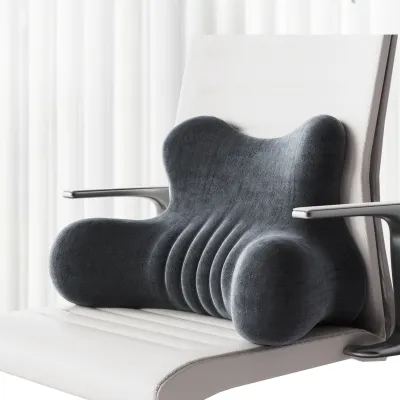
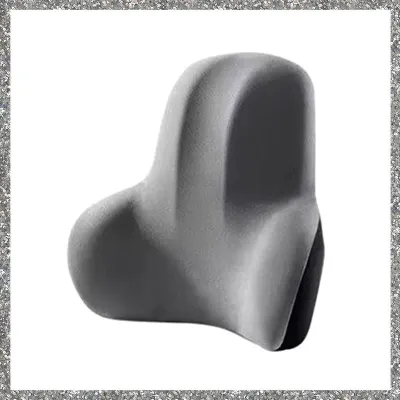
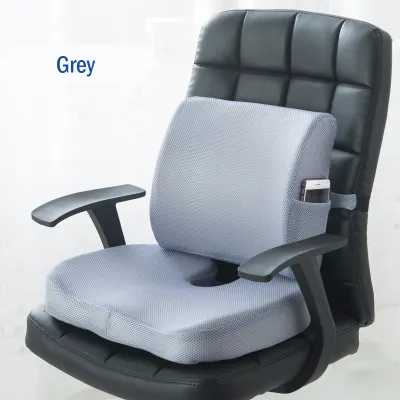
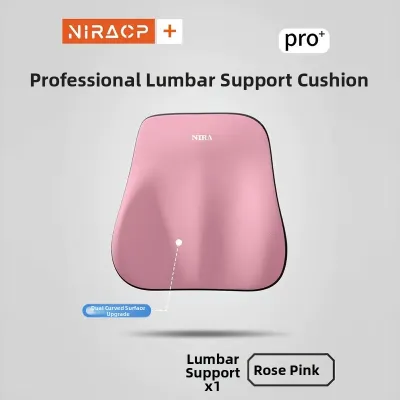
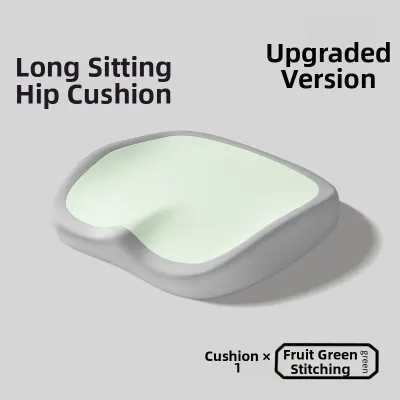
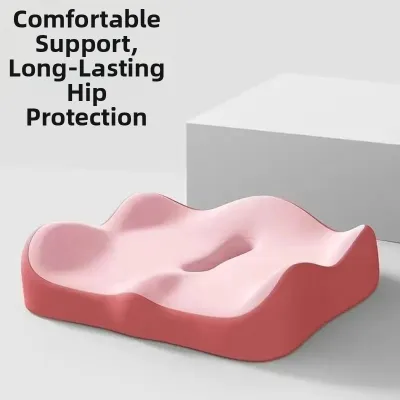
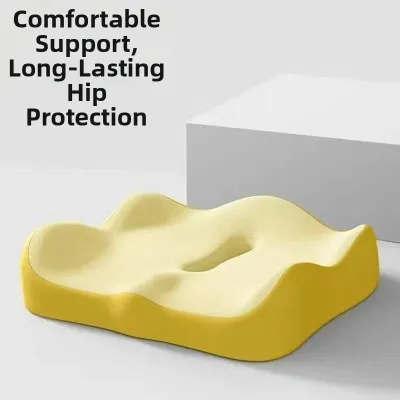
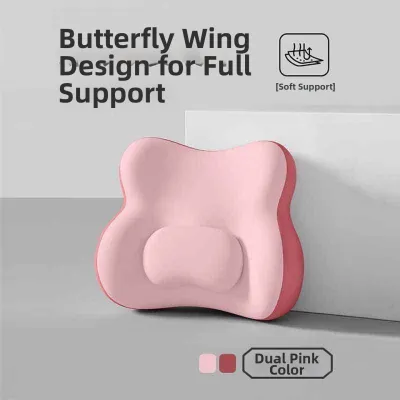
Prices are valid at publication and may change. Please refer to the product page for the latest price.
Over time, the continuous pressure and micro-movements of daily driving can cause friction damage between the back support and the seat cover. Rough seams, exposed zippers, or abrasive backing materials on the cushion can gradually wear down delicate upholstery. Evaluating these physical interactions beforehand helps prevent premature pilling, scuffing, or discoloration of your vehicle’s original seats. By understanding how different materials interact under pressure, you can make an informed decision that preserves both your physical comfort and your car’s resale value.
Pairing Memory Foam With Leather Seat Covers
Leather and synthetic leather seat covers offer a premium look and feel, but their smooth surfaces present unique challenges when paired with a memory foam back support. The lack of natural surface texture means that standard cushions are highly prone to sliding around. To maintain proper ergonomic alignment, look for back supports that feature secure, adjustable straps or a specialized high-friction backing designed specifically not to slip on smooth surfaces. Without these features, the cushion will likely shift every time you turn a corner or adjust your seating position.

Thermal comfort is another major consideration when placing dense foam against leather. Because leather does not breathe as freely as woven textiles, combining it with heat-retaining memory foam can create a hot spot right against your lower back. This effect is particularly noticeable when a car has been parked under the direct sun, causing the leather to absorb heat before you even sit down. Drivers should monitor their comfort levels during longer journeys and consider choosing a back support with a breathable, perforated outer cover to help dissipate trapped heat.
Protecting the leather surface from physical damage is equally important. Hard plastic buckles, metal zippers, or rough elastic straps can easily scratch, scuff, or leave permanent indentations on soft leather. Over time, the constant pressure can also cause the backing material of the support to transfer dye or chemicals onto the leather, leading to unsightly discoloration. Before securing the support, verify that all fastening hardware is shielded by fabric flaps and check the seat periodically to ensure the backing material is not causing abrasion to the leather finish.
Pairing Memory Foam With Fabric Seat Covers
Fabric seat covers, whether woven or knit, offer excellent natural grip that helps keep a memory foam back support firmly in place. The textured fibers of the fabric create sufficient friction against the cushion’s outer cover, often reducing the need for overtightened straps. This natural stability makes fabric seats a highly compatible base for aftermarket lumbar supports, as the cushion is much less likely to shift during daily commutes.
However, the textured nature of fabric covers also makes them prone to trapping debris, lint, and pet hair in the gap between the seat and the back support. The constant contact and micro-movements can grind small dirt particles into the fabric fibers, leading to localized staining or deep-seated dust accumulation. This is especially true in humid environments where moisture can bind dust to the fabric. Regularly removing the support to vacuum both the seat and the cushion cover prevents this buildup from becoming difficult to clean.
Continuous friction between two fabric surfaces can also lead to localized wear, such as pilling or fabric thinning. When the outer cover of the memory foam support rubs against the seat cover, the fibers can twist and break, forming small fiber balls or wearing down the weave. To minimize this risk, inspect the contact areas periodically for signs of fiber degradation or color fading. Choosing a memory foam support with a smooth, non-abrasive outer cover can significantly reduce the friction that causes fabric-on-fabric wear during daily use.
Pairing Memory Foam With Breathable Mesh Seat Covers
Breathable mesh seat covers are designed specifically to maximize airflow and keep drivers cool, but placing a solid block of memory foam directly against them can compromise this benefit. Because memory foam is highly dense, it naturally blocks the passage of air through the section of the mesh seat it covers. This can negate the primary cooling advantage of your mesh upholstery, leading to localized heat buildup. To preserve as much ventilation as possible, look for contoured supports that feature ventilated channels, perforated foam cores, or highly breathable outer mesh fabrics.
The open-weave structure of mesh covers also makes them vulnerable to snagging and tearing. Rough seams, exposed hook-and-loop fasteners, or sharp zipper pulls on the back support can easily catch on the delicate mesh fibers, leading to unsightly pulls or structural damage to the seat cover. Once a mesh fiber is pulled or broken, the integrity of the weave can quickly degrade under the weight of an occupant. Carefully inspect the entire exterior of the back support for any abrasive elements before placing it against a mesh surface.
Additionally, the flexible nature of mesh covers means they can stretch and flex under pressure. When a dense memory foam support is strapped tightly to a mesh seat, the tension can alter the shape of both the seat and the cushion, potentially reducing the ergonomic effectiveness of the support. Over-tightening the straps can also put excessive stress on the mesh seams, leading to premature tearing. Ensure the straps are adjusted to provide secure positioning without distorting the natural contour of the mesh seat or putting undue tension on the fabric.
Safe Installation and Maintenance Checks
Before installing any aftermarket back support, your primary concern must be vehicle safety. Many modern car seats are equipped with side airbags integrated directly into the outer seams of the seatback. You must consult your vehicle’s owner’s manual to locate these deployment zones and ensure that no straps, buckles, or parts of the memory foam support obstruct or cross over these critical safety areas. An obstructed airbag may fail to deploy correctly in an emergency, posing a severe safety risk to the occupants.
Proper strap routing is also essential to avoid damaging your vehicle’s interior components. Avoid wrapping straps too tightly around delicate headrest posts or forcing them through tight gaps where they might interfere with seat adjustment mechanisms, lumbar adjustment motors, or seatbelt pretensioners. Adjust the tension so the support remains stable during normal driving without putting excessive strain on the seat structure or the seat cover seams. If your seat has power adjustment controls, double-check that the straps do not pinch or pull on any electrical wiring underneath the seat.
Maintaining both the memory foam support and your seat covers requires adhering strictly to manufacturer care instructions. Never apply harsh chemical cleaners, solvents, or excessive moisture directly to the memory foam core, as this can permanently degrade its structural integrity and cause it to lose its supportive properties. Always remove the support from the vehicle entirely before spot-cleaning or washing the removable cover, and ensure all components are completely dry before reinstallation. This prevents moisture from being trapped between the cushion and the seat cover, which can lead to mold growth, unpleasant odors, and permanent upholstery stains.
Frequently Asked Questions (FAQ)
Can a memory foam back support interfere with my car's side airbags?
Yes, if installed incorrectly, the straps or the body of a back support can obstruct the deployment path of side airbags. Modern vehicles often house side airbags within the outer seams of the front seatbacks, designed to deploy instantly in an impact. You must consult your vehicle’s owner’s manual to identify these exact deployment zones and ensure that no mounting straps or cushion edges cover or restrict these seams. If your seat covers also wrap around the sides, verify that they are specifically certified as airbag-compatible before adding any additional straps.
How do I clean a memory foam back support without damaging the seat cover?
To clean your back support safely, always remove it completely from the vehicle first to prevent any moisture or cleaning agents from transferring to your car’s upholstery. Check the care labels on both the memory foam core and its removable outer cover; typically, only the outer cover is machine washable, while the foam core must only be gently spot-cleaned with a damp cloth. Ensure both parts are entirely dry before putting them back together and reinstalling them in your car to avoid trapping moisture, which can lead to mold, mildew, or water stains on your seat covers.

Community discussion
Share your experience or ask a question. Comments are reviewed before publication.