
Finding the right electric pump for your bicycle depends entirely on matching the pump’s pressure limit and air volume delivery to your specific tire type. Road bikes require high-pressure inflation that many basic pumps struggle to reach, while mountain bikes need high-volume air delivery at much lower pressures. Hybrid and commuter bikes fall right in the middle, requiring a balanced tool that offers both moderate pressure and decent speed. By understanding your tire’s exact specifications, you can select an electric pump that inflates efficiently without overheating or damaging your equipment.
How to Read Your Bicycle Tire PSI Requirements
To find your tire’s correct pressure range, look closely at its sidewall. Manufacturers mold the recommended minimum and maximum inflation pressures directly into the rubber, usually expressed in PSI (pounds per square inch) or Bar. These markings represent the safe operating limits designed for the tire’s construction, and staying within this window is crucial for preventing blowouts or pinch flats.
Different bicycle categories have vastly different pressure profiles due to their tire width and volume. Narrow road tires have very little air volume and require high pressure to support the rider and minimize rolling resistance. Conversely, wide mountain bike tires hold a large volume of air and run at much lower pressures to maximize traction and absorb trail impacts. Hybrid tires bridge this gap, offering a moderate width that performs best at medium pressures.
Products mentioned in this guide
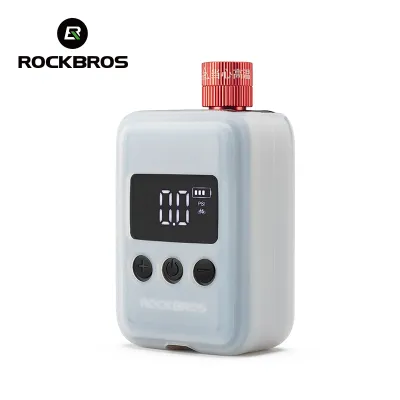
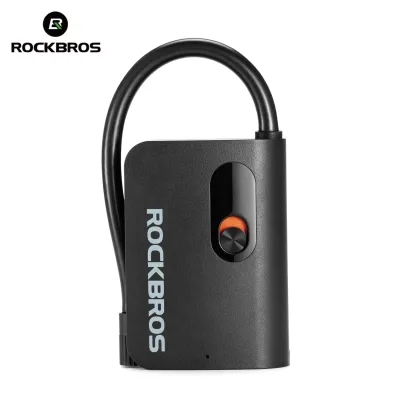
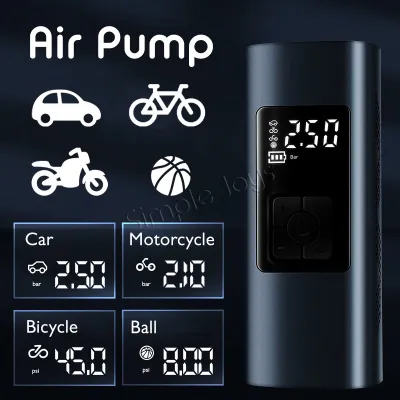
![[2025] Xiaomi Pump 2 MiJia Portable Handheld Electronic Air inflator/Pump Suitable For Car Motorcycle EBike Scooter Instock](https://img.lazcdn.com/g/p/3e082dd3fde1bc260eb18bfa0cd19ce7.jpg_400x400q80.jpg_.webp)
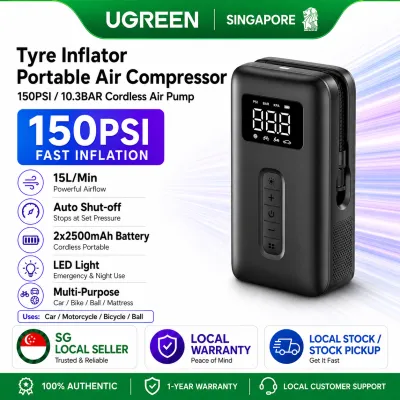
![[SG Stock] Air Pump Car Inflator Compressor Portable Ball Bike Bicycle Rechargeable Basketball Soccer Volleyball Tyre Wheel Tire 12V LED Fast Auto Shut-off Emergency](https://img.lazcdn.com/g/p/cc7d92c566c3860fbbfa1d535cc6f3bb.jpg_400x400q80.jpg_.webp)
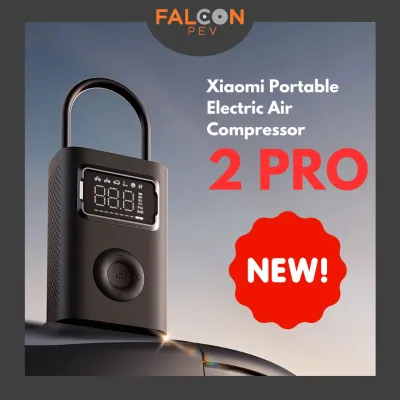
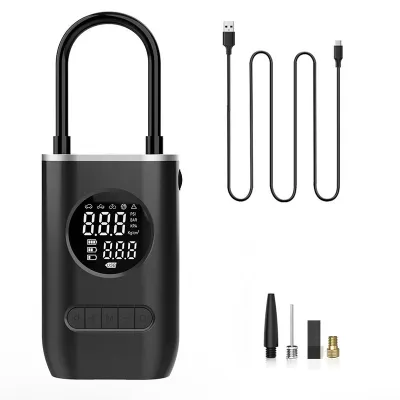
Prices are valid at publication and may change. Please refer to the product page for the latest price.
Your ideal pressure within the manufacturer’s range is not a fixed number; it depends on several real-world variables. A heavier rider or a commuter carrying loaded panniers will need to run higher pressures closer to the maximum limit to prevent the tire from bottoming out on the rim. Conversely, riding on wet roads or rough gravel paths often warrants lowering the pressure slightly toward the minimum recommendation to improve grip and comfort.
Decoding Electric Pump for Bicycle Specifications
When shopping for an electric pump for bicycle use, it is easy to be misled by maximum pressure ratings. A pump advertised with a peak capability of 150 PSI may only be able to reach that level under ideal, short-burst conditions. For regular use, you need to look at the sustainable working pressure, which indicates what the pump can reliably deliver during a standard inflation cycle without straining its motor.

Battery capacity and inflation speed are equally critical parameters to evaluate before purchase. A larger battery capacity, measured in milliampere-hours (mAh), ensures the pump can handle multiple tires on a single charge, which is especially important for group rides or long commutes. Additionally, look for a reliable auto-shutoff feature that stops the pump automatically once the target pressure is reached, protecting your tires from accidental over-inflation.
Valve compatibility is another essential factor that determines whether a pump will work out of the box. Most bicycles use either Schrader valves (the wider type found on cars) or Presta valves (the narrower type common on road and high-end mountain bikes). Ensure the electric pump features a dual-purpose chuck or comes with secure, threaded brass adapters to prevent air leaks during high-pressure operation.
Matching Pump Capabilities to Road, MTB, and Hybrid Tires
Road tires demand an electric pump that can consistently deliver high-pressure output, often exceeding 80 to 100 PSI. Because compressing air to these levels generates significant heat, a road-focused pump must feature robust thermal management, such as an aluminum alloy casing or built-in cooling vents. Without adequate heat dissipation, the pump’s internal seals can degrade rapidly, leading to pressure loss and premature motor failure.
For mountain bike tires, the primary challenge is volume rather than high pressure. MTB tires require a pump that can move a large quantity of air quickly to seat the tire bead, especially on tubeless setups. When selecting a pump for mountain biking, prioritize models with a high flow rate and a highly sensitive, low-pressure digital gauge, as a variance of just 2 PSI can drastically alter trail handling and traction.
Hybrid and commuter tires are highly versatile and benefit from a well-rounded, portable electric pump. These tires typically operate in the moderate range of 50 to 75 PSI, making them compatible with most standard portable inflators. For daily commuters navigating Singapore’s extensive Park Connector Network (PCN) in humid conditions, portability and ease of storage in a frame bag or backpack are often more important than extreme pressure or high-volume capabilities, making compact, lightweight designs the ideal choice.
Safe Operation and Equipment Care
Operating an electric pump safely requires strict adherence to the manufacturer’s continuous duty cycle limits. Most portable electric pumps are designed to run for a maximum of 5 to 10 minutes before requiring a cool-down period. Ignoring these limits can lead to extreme heat buildup, which degrades the internal lithium-ion battery and risks permanent motor damage.
Always monitor the pump closely during operation and establish clear stop conditions. If you notice abnormal heat radiating from the hose connector, an unexpected drop in inflation speed, or a discrepancy between the pump’s gauge and the tire’s firmness, turn off the unit immediately. These symptoms often point to a failing internal seal, a clogged valve, or an overheating battery that needs to cool down.
Routine maintenance is key to ensuring your electric pump remains reliable over time. Periodically inspect the air hose for cracks, check the rubber seals inside the valve connector for wear, and verify the gauge’s accuracy against a trusted manual pressure gauge. Keeping the battery charged between 20% and 80% during storage will also prolong its overall lifespan, ensuring the pump is ready when you encounter a flat on the road.
Frequently Asked Questions (FAQ)
Can I use a standard car electric pump for bicycle tires?
Yes, you can use a standard car electric pump, but you must exercise extreme caution. Car pumps are designed to deliver high volumes of air at relatively low pressures, which can quickly over-inflate and burst a low-volume bicycle tire if not monitored closely. Additionally, car pumps typically feature Schrader connectors, so you will need a secure Presta adapter if your bicycle uses narrower valves. Always set a conservative target pressure and monitor the inflation process second by second to prevent damage.
Why does my tire pressure drop quickly after inflating?
A rapid drop in tire pressure usually indicates an issue with the valve core, the tube, or the tire casing itself. Start by checking if the valve core is tightly screwed in, as a loose core is a common source of slow leaks. For tubeless setups, a sudden pressure drop often points to dry sealant or an improperly seated bead along the rim. If you use inner tubes, a small puncture or a pinch flat from improper installation is the most likely culprit, requiring tube replacement or patching.
Community discussion
Share your experience or ask a question. Comments are reviewed before publication.