
Quick Answer: Which Side Mirror Type Should You Choose?
Selecting the correct side mirror depends on your vehicle’s existing electrical architecture, your typical driving environment, and your budget for both purchase and long-term maintenance. Replacing or upgrading a side mirror is rarely a one-size-fits-all task, as modern vehicles rely on highly integrated electronic systems.
Choose manual mirrors if you drive an older or entry-level vehicle that lacks internal door wiring, you prefer a straightforward and highly durable mechanical design, and your primary goal is to minimize repair costs. These mirrors require physical adjustment by hand or via a small mechanical cabin lever, offering zero electrical failure points.
Choose electric mirrors if you share your vehicle with multiple drivers and require frequent, convenient in-cabin adjustments. They are also highly beneficial if you require integrated heating elements to clear condensation during humid mornings or sudden downpours, provided your vehicle is already equipped with the necessary factory wiring harness and door switches.
Products mentioned in this guide
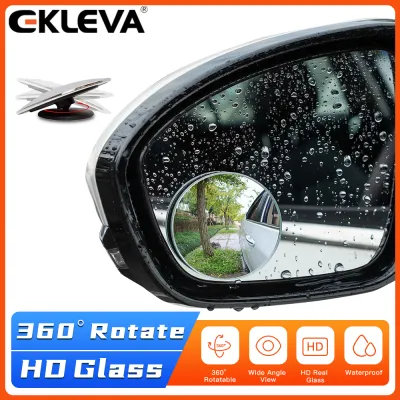

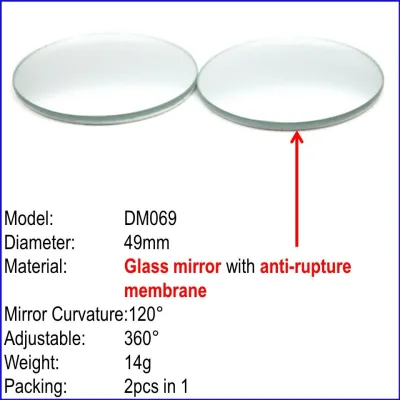
![[SG SELLER] [FREE SHIPPING] Car Blind Spot Mirror (Type B) Side View Mirror Wide Angle Drive Easy Small Round 360 View](https://img.lazcdn.com/g/ff/kf/Sd99de54ea15a4ae795d468f33154d0dcJ.jpg_400x400q80.jpg_.webp)
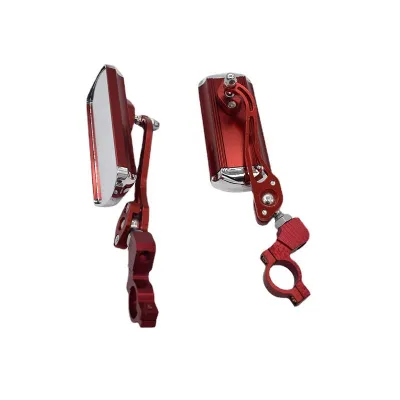
![[SG SELLER] Bicycle Rear Side Mirror Riding Clear Wide Range Left And Right bicycle accessories Adjustable Handlebar Mirror](https://img.lazcdn.com/g/p/f2dd6377f4df1ecbd783b180bbadfcfa.png_400x400q80.png_.webp)

Prices are valid at publication and may change. Please refer to the product page for the latest price.
Choose blind-spot detection (BSM) mirrors if you frequently navigate multi-lane expressways, dense urban traffic, or tight merging zones, and your vehicle already possesses the necessary Advanced Driver Assistance Systems (ADAS) architecture. These mirrors feature integrated visual LED indicators that work in tandem with rear-mounted radar sensors to alert you to vehicles hidden from your direct line of sight.
Verify first if your vehicle’s door panels, wiring harnesses, and body control modules can support an upgrade before purchasing an advanced mirror assembly. Attempting to install an electric or BSM mirror on a vehicle originally built for manual mirrors usually requires extensive, costly modifications that may compromise your vehicle’s electrical integrity.
Core Differences: Manual, Electric, and Blind-Spot Mirrors Compared
Understanding the mechanical and electrical foundations of each side mirror type is essential for making an informed decision. While all three serve the fundamental purpose of providing rearward visibility, their construction, operating requirements, and failure modes differ significantly.

Manual Mirrors
Manual side mirrors represent the most traditional and robust design. They operate entirely without electrical power, relying instead on direct physical force. To adjust the viewing angle, you must either press directly on the glass itself or manipulate a mechanical joystick that extends through the door panel. This joystick uses physical cables to pull the glass backing plate into position. Because they contain no motors, wiring, or electronic components, manual mirrors are highly resistant to water ingress, vibration, and physical wear. However, adjusting the passenger-side mirror from the driver’s seat requires reaching across the cabin, which is highly impractical while driving.
Electric (Power) Mirrors
Electric mirrors replace manual cables with small, internal 12-volt DC stepper motors mounted inside the mirror housing. These motors are wired to a directional switch on the driver’s door panel or dashboard, allowing you to adjust both left and right mirrors effortlessly. Beyond simple adjustment, the electrical connection serves as a foundation for several convenience features. Many electric mirrors include resistive heating grids adhered to the back of the glass to clear fog, power-folding actuators to fold the mirrors flat in tight parking spaces, and electrochromic layers that automatically dim to prevent glare from headlights behind you.
Blind-Spot Detection Mirrors
Blind-spot detection mirrors represent an active safety integration. It is important to note that the mirror assembly itself does not detect surrounding obstacles; rather, it serves as the visual display interface for the vehicle’s wider ADAS network. The mirror glass contains a small, etched icon backed by a dedicated LED light source. When radar or ultrasonic sensors mounted behind the vehicle’s rear bumper detect an object in your blind spot, the system sends a signal through the vehicle’s Controller Area Network (CAN bus) to illuminate the LED in the corresponding mirror. Some advanced systems will also flash the light or trigger an audible cabin alert if you activate your turn signal while an obstacle is detected.
Comparison Table
| Feature | Manual Mirrors | Electric (Power) Mirrors | Blind-Spot Detection Mirrors |
|---|---|---|---|
| Adjustment Method | Direct glass push or mechanical joystick | Electronic cabin switch (directional pad) | Electronic cabin switch (plus automated sensor alerts) |
| Power Requirements | None (0V) | 12V DC vehicle electrical system | 12V DC + CAN bus data network integration |
| Typical Extra Features | None | Heated glass, power-folding, memory positions | LED warning indicators, heated glass, auto-dimming |
| Relative Repair Complexity | Low (Simple mechanical swap) | Moderate (Requires basic wiring and trim removal) | High (Requires diagnostic tools and sensor calibration) |
Key Decision Factors for Your Vehicle and Driving Needs
Choosing the right side mirror involves balancing your vehicle’s technical limitations with your daily driving habits and long-term ownership costs.
Vehicle Compatibility and Electrical Requirements
Before purchasing a replacement or upgraded side mirror, you must verify the physical and electrical interface of your vehicle. Electric and BSM mirrors rely on specific wiring harnesses that terminate in multi-pin connectors inside the door panel. A basic electric mirror might use a 3-pin or 5-pin connector to control horizontal and vertical movement. If you add heating elements, turn signal repeaters, or power-folding motors, the pin count can quickly increase to 9, 12, or even 16 pins.
Never assume plug-and-play compatibility based solely on your vehicle’s make, model, and year. If your car left the factory with manual mirrors, the door wiring harness will lack the electrical leads, fuses, and relays needed to power an electric motor. Furthermore, upgrading to BSM mirrors is not merely a matter of buying mirror glass with an LED icon. The vehicle must possess the corresponding radar sensors, mounting brackets, wiring looms, and a compatible Body Control Module (BCM) that can interpret sensor data and command the LED to illuminate. Without these factory-installed modules, an advanced mirror will function only as a standard glass mirror.
Driving Environment and Visibility Needs
Your local climate and daily driving routes play a major role in determining which features are genuinely useful. In tropical regions characterized by high humidity, sudden temperature drops, and torrential downpours, condensation quickly accumulates on cold glass surfaces. Heated electric mirrors are highly effective in these conditions; they use resistive heating to warm the glass to approximately 40°C to 50°C, rapidly evaporating water droplets and fog to maintain a clear lateral view.
For drivers navigating dense urban areas, narrow streets, and multi-lane expressways, blind-spot detection provides a significant safety advantage. High-traffic environments require rapid lane changes where motorcycles and small vehicles can easily disappear into blind spots. The passive warning light in a BSM mirror alerts you to these hazards before you begin to turn the steering wheel, reducing cognitive fatigue. Conversely, manual mirrors offer no active safety support, requiring you to execute more pronounced physical head checks to confirm a clear path, which can be challenging in fast-moving, unpredictable traffic.
Maintenance, Repair Costs, and Durability
Long-term ownership costs are directly tied to the complexity of the mirror you choose. Manual mirrors are incredibly durable and inexpensive to maintain. Because they lack electronic components, they are virtually immune to water damage or electrical shorts. If a manual mirror is damaged in a minor parking mishap, a replacement glass or complete housing is highly affordable, typically ranging from S$30 to S$120 depending on the vehicle model.
Advanced mirrors carry much higher financial risks. Electric mirrors contain delicate plastic gears and motors that can strip if the mirror is forcibly folded by hand or struck by a passing vehicle. A replacement assembly can cost between S$150 and S$400. BSM mirrors are the most expensive to repair; a minor side-swipe that shatters the glass or damages the internal LED wiring can result in a bill ranging from S$500 to over S$1,500. Additionally, if the impact affects the rear-mounted radar sensors or misaligns the mirror housing, the entire system must undergo professional diagnostic scans and physical recalibration to ensure the safety alerts remain accurate.
Installation, Calibration, and Safety Boundaries
Replacing or upgrading side mirrors involves critical safety and technical boundaries that must not be overlooked. Because side mirrors are primary safety devices, improper installation can lead to blind spots, electrical failures, or non-compliance with road regulations.
If your vehicle is equipped with a blind-spot detection system, any replacement of the mirror assembly, glass, or rear bumper sensors requires precise calibration. BSM systems are highly sensitive ADAS components. Even a tiny misalignment of a fraction of a degree can cause the radar to miscalculate the position of overtaking vehicles, leading to delayed warnings or false positives. Calibration must be performed using specialized diagnostic equipment, either through static targets set up at precise distances around the vehicle or via a dynamic calibration drive while connected to an OEM-compatible scan tool.
For electric and manual mirrors, physical installation requires removing the interior door trim panel to access the mounting bolts and electrical connectors. Splicing or pinning wires without a factory wiring diagram is highly risky. Modern vehicles use complex multiplex wiring networks; a short circuit caused by incorrect pin alignment can blow critical fuses, damage the door control module, or even corrupt the main body control module, resulting in expensive electronic repairs. Always refer to your vehicle’s original workshop manual for the correct disassembly steps and torque specifications.
Before installing any aftermarket mirror assembly, you must also verify its compliance with local road safety standards. In Singapore, vehicles must comply with Land Transport Authority (LTA) regulations regarding rear-view visibility. Replacement mirrors must provide an adequate field of view, use approved convex or flat glass curvatures that do not distort distance excessively, and must not protrude beyond the maximum allowable vehicle width. If you are unsure about the electrical compatibility, pin configuration, or calibration requirements of a replacement mirror, stop the installation process immediately and consult a qualified automotive electrician or an authorized service center.
How to Verify Fitment Before You Buy
To avoid purchasing an incompatible part, follow a systematic verification process before placing an order. Side mirror designs often change mid-generation or vary significantly between different trim levels of the exact same model year.
- Locate the OEM Part Number: The most reliable way to ensure a perfect match is to find the Original Equipment Manufacturer (OEM) part number. This number is typically printed on a paper label or stamped directly into the plastic housing on the underside of the mirror, or on the plastic backing plate of the mirror glass itself. You may need to carefully pop the mirror glass off its mounting ring or remove the interior plastic sail panel to see this label.
- Verify the VIN (Vehicle Identification Number): Provide your vehicle's 17-character VIN to an authorized parts dealer. The VIN acts as a fingerprint for your car, allowing parts specialists to access the factory build sheet. This sheet confirms the exact options your vehicle was built with, such as heated glass, power-folding motors, or BSM indicators, ensuring you receive a mirror with the correct internal features.
- Inspect the Electrical Connector Pin Configuration: If you are replacing an electric or BSM mirror, physically inspect the electrical plug inside the door panel. Unplug the connector and count the physical metal pins inside the plastic housing. A mirror housing might look identical on the outside, but a mismatch in the pin count (for example, putting a 7-pin mirror into a 5-pin socket) will prevent features like heating or folding from functioning.
- Confirm Software and Coding Requirements: Ask the parts supplier or an experienced technician if your vehicle requires software coding after a mirror replacement. Many modern vehicles require the BCM to be programmed to recognize a new mirror component, especially if you are replacing a mirror that features memory positioning, auto-dimming, or ADAS-linked blind-spot indicators.
Frequently Asked Questions (FAQ)
Can I upgrade my manual side mirrors to electric or blind-spot detection?
While physically mounting an electric or BSM mirror onto your door is usually possible, upgrading a manual system is highly complex and rarely a simple plug-and-play process. To make an electric mirror function, you must install the factory door switches, run new wiring harnesses through the door rubber boots into the cabin, and install compatible relays. Upgrading to a functioning BSM system is even more difficult and expensive, as it requires mounting radar sensors behind your rear bumper, integrating them into the vehicle’s CAN bus network, and performing a professional system calibration. For most vehicles, the labor and component costs make retrofitting these systems financially impractical compared to buying a vehicle with these features pre-installed.
Do blind-spot detection mirrors work reliably in heavy rain?
Radar-based blind-spot detection systems are highly resilient and can easily penetrate moderate rain and fog. However, extreme tropical downpours, heavy road spray, or a buildup of road grime, mud, and wet debris over the rear bumper corners can degrade sensor performance. When the radar signals are severely blocked, the vehicle’s diagnostic system will usually display a warning message on the instrument cluster indicating that the blind-spot monitors are temporarily unavailable. It is vital to keep the rear bumper corners clean using manufacturer-approved car wash soap and microfibre cloths. Always remember that BSM is strictly a driver-assist tool; it should never replace a physical shoulder check and direct visual confirmation before changing lanes.
Community discussion
Share your experience or ask a question. Comments are reviewed before publication.