
Choosing between a manual pump foam sprayer and an electric foam cannon comes down to your specific home environment, vehicle size, and how much physical effort you want to put into your car care routine. Neither tool is universally superior. The right choice depends on your access to outdoor utilities and your personal preference for convenience versus simplicity.
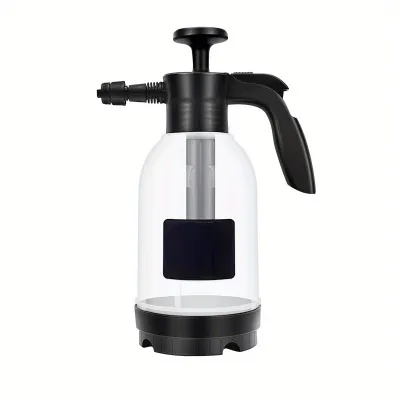
A manual pump foam sprayer is a standalone, hand-pressurized unit that requires no external power or water connections. You simply fill the bottle with water and soap, pump the handle manually to build pressure, and spray.
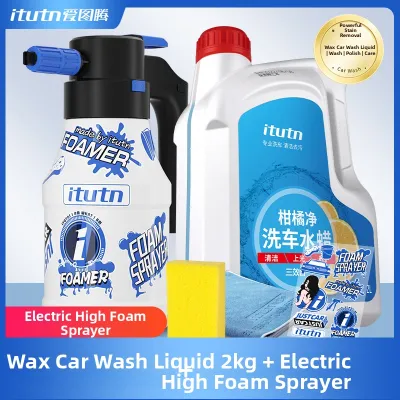
An electric foam cannon, on the other hand, is a powered device that typically relies on an external water source and a pressure washer to generate thick, clinging foam. Some electric models can connect directly to a standard garden hose, but they still require a power source to operate.
Products mentioned in this guide
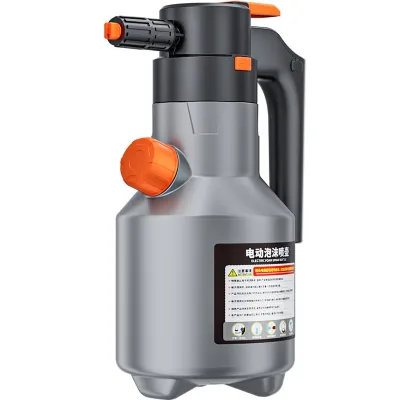
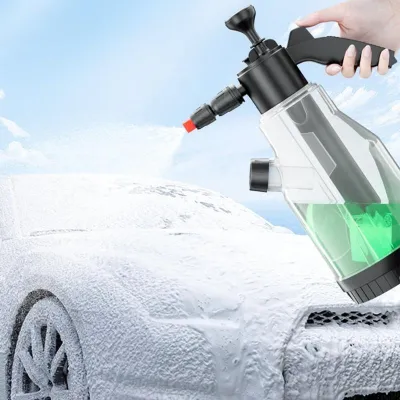
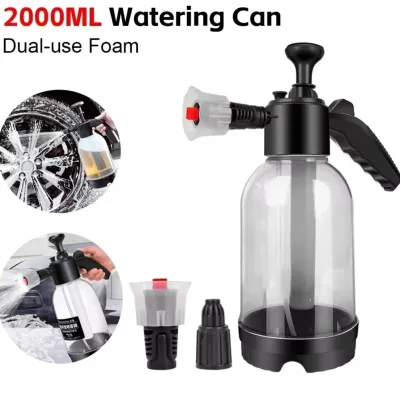
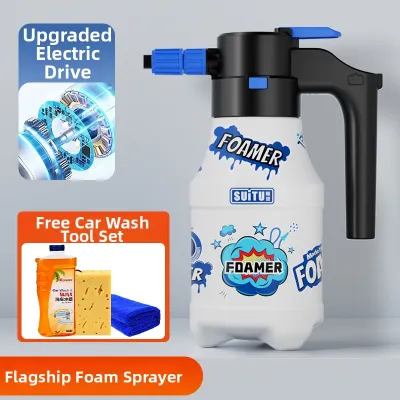
Prices are valid at publication and may change. Please refer to the product page for the latest price.
Before making a purchase, you must assess your available outdoor power outlets and water connections. For instance, if you live in a high-rise apartment with shared washing bays, a manual sprayer is often the only practical option. If you have a private driveway with dedicated utility taps, an electric setup becomes highly viable.
Setup and Utility Requirements
Operating a manual pump foam sprayer is straightforward because it operates independently of your home’s infrastructure. You do not need to worry about finding an electrical outlet or dragging a heavy hose across your driveway. However, this independence means you must rely entirely on physical pumping to build the necessary pressure. When preparing a manual unit, always check the product label for the maximum fill line. Leaving an adequate air gap at the top of the bottle is essential, as this space holds the compressed air that forces the liquid out. Additionally, verify that the unit features a functional pressure release valve to safely depressurize the container after use.
Electric foam cannons require a more complex setup that depends on your home’s utility layout. You must have access to a reliable outdoor power outlet and a compatible water source. Before purchasing, consult the manufacturer’s manual to verify the required voltage, water pressure thresholds, and connector types. Using an incompatible power source or incorrect water pressure can damage the unit or result in poor foaming performance.
The water source requirement is a critical distinction among electric models. Some electric foam sprayers are designed to connect directly to a standard garden hose, while others strictly require the high pressure of a dedicated pressure washer. If you live in Singapore and wash your car in a landed property with an outdoor tap, setting up an electric pressure washer is relatively simple. For those utilizing shared multi-storey car park washing bays, the lack of private power outlets and water taps makes electric setups highly impractical, leaving manual sprayers as the logical choice.
Foam Quality and Washing Performance
The quality of the foam produced is a major consideration for car detailing enthusiasts. Thick foam clings to the vehicle’s surface, loosening dirt and road grime before you touch the paint with a wash mitt. This pre-wash step is crucial for preventing swirl marks and fine scratches. However, achieving the ideal foam consistency is not automatic and depends on several variables.

Foam thickness is primarily determined by the soap-to-water ratio, the specific nozzle design of the sprayer, and the water pressure. For electric foam cannons, the high pressure from a pressure washer shears the soap and water mixture through a fine mesh filter, creating a dense, clinging foam. If you use an electric model with a standard garden hose, the foam will naturally be runnier due to the lower water pressure.
Manual pump sprayers can still produce effective foam, but they require more attention to detail. You must check the foam sprayer’s manual for the recommended car wash soap types. Dedicated snow foams are formulated with specific foaming agents that perform best under manual pressure. Standard car wash soaps may not foam as effectively in a manual unit, resulting in a watery mixture that slides off the vehicle too quickly.
Consistency is another performance differentiator. Manual sprayers require intermittent pumping to maintain the internal pressure as the liquid level drops. If you do not pump the unit regularly during the wash, the foam stream will weaken and turn into a drizzle. Electric models, provided they are connected to a stable power and water supply, deliver a continuous and consistent foam output from start to finish.
Physical Effort and Time Investment
The physical demands of each tool can significantly affect your washing experience, especially if you wash your vehicle frequently. A manual pump sprayer requires repetitive physical exertion. You must pump the handle dozens of times to pressurize the bottle initially, and then continue pumping periodically throughout the wash process.
For larger vehicles like SUVs, MPVs, or family vans, a manual sprayer can become physically tiring. You may also need to refill the bottle multiple times to cover the entire vehicle, which extends the overall washing time. This makes manual units best suited for low-frequency washing, spot cleaning, or smaller vehicles like motorcycles and compact hatchbacks.
Electric foam cannons minimize physical effort by automating the pressurization process. Once the system is connected and turned on, you simply pull the trigger to coat your entire vehicle in seconds. This speed and ease of use make electric setups ideal for regular, high-frequency washing.
However, you must weigh this operational speed against the initial setup and teardown time. Uncoiling hoses, plugging in power cords, connecting the pressure washer, and packing everything away afterward can take longer than the actual wash. If you only have fifteen minutes for a quick rinse, the setup time of an electric system might outweigh its operational speed.
Cost, Maintenance, and Storage
Financial investment and long-term upkeep are practical factors that should influence your decision. Manual pump foam sprayers generally occupy a lower price tier, with many reliable options available for under S$50. This low entry cost makes them an attractive option for casual hobbyists who do not want to commit a large budget to car care.
Electric setups require a significantly higher initial investment. In addition to the foam cannon itself, you may need to purchase a compatible pressure washer, high-pressure hoses, and specific adapters. This total cost can easily run into hundreds of dollars. For dedicated detailing enthusiasts, this investment is often justified by the time saved and the superior foam quality, but it may be excessive for occasional washers.
Maintenance routines are essential for both types of equipment to ensure longevity. Soap residue can dry and clog the internal nozzles, filters, and valves over time. After every use, you must rinse the internal components thoroughly with clean water. For manual sprayers, this involves flushing the bottle and spraying clean water through the nozzle. For electric cannons, you should run clean water through the system to clear out any remaining soap concentrate. Always follow the manufacturer’s specific cleaning instructions to avoid clogging and maintain safe operation.
Storage space is another consideration, particularly in urban homes where space is at a premium. Manual sprayers are compact and highly portable, easily fitting on a shelf in a utility closet or in the boot of your car. Electric setups, with their bulky pressure washers, long hoses, and power cables, require a much larger storage footprint and are harder to transport.
Decision Framework: Which Foam Sprayer Should You Buy?
To finalize your choice, evaluate your personal washing profile against the unique characteristics of each tool. Your decision should align with your living situation, budget, and physical comfort.
Choose a manual pump foam sprayer if you live in an apartment or high-rise building without private outdoor power outlets. It is also the ideal choice if you have limited storage space, prefer a lower upfront cost, and wash your vehicle infrequently. The manual sprayer offers maximum portability and independence, allowing you to wash your car anywhere at any time.
Choose an electric foam cannon if you live in a landed property with easy access to outdoor power and a dedicated water tap. This option is best if you wash your vehicle regularly, own multiple or larger vehicles, and want to minimize physical effort during the wash. The electric setup provides unmatched speed and foam consistency for a thorough clean.
Before purchasing any electric model, verify the compatibility of your existing equipment. Check the connector sizes, thread types, and pressure ratings on your pressure washer to ensure they match the foam cannon’s specifications. Purchasing the correct adapters beforehand will prevent installation issues and ensure a seamless setup.
Frequently Asked Questions (FAQ)
Can I use any car wash soap in a foam sprayer?
Not all car wash soaps are formulated to produce the thick, clinging foam required for an effective pre-wash. While standard car wash soaps will lubricate the surface, they often run off too quickly when applied through a sprayer. For the best results, you should use dedicated snow foams that contain specific surfactants designed to generate dense foam. Always check your foam sprayer’s manual and the soap manufacturer’s label for the correct dilution ratios, as using too much soap can clog the nozzle, while too little will result in watery foam.
Do I need a pressure washer to use an electric foam cannon?
The requirement for a pressure washer depends entirely on the specific model of the electric foam cannon. Some electric sprayers are designed to operate at lower pressures and can connect directly to a standard garden hose. However, many high-performance foam cannons strictly require the high water pressure provided by a dedicated pressure washer to function correctly. Before making a purchase, carefully verify the product specifications and water pressure thresholds listed in the manufacturer’s documentation to ensure compatibility with your home setup.
Community discussion
Share your experience or ask a question. Comments are reviewed before publication.