
When selecting a replacement or upgrading your vehicle’s side mirrors, understanding the exact terminology and functionality is crucial. While the term “rear mirror” is often used colloquially to describe the interior rearview mirror, advanced automotive features like power-folding mechanisms and integrated heating elements are almost exclusively found on exterior side mirrors, also known as wing mirrors. Choosing the right rear mirror configuration requires balancing your daily driving habits, parking environment, and vehicle’s electrical compatibility.
This guide breaks down the four primary configurations available on the market today. By evaluating the mechanical differences, installation complexities, and practical benefits of each option, you can make an informed decision that enhances both your driving safety and convenience.
Quick Guide: Which Rear Mirror Configuration Fits Your Vehicle?
Selecting the right rear mirror setup is not just a matter of personal preference; it is heavily dictated by your vehicle’s existing wiring and the environments where you drive. If you are replacing a damaged mirror, the most straightforward path is to match the original factory specifications. However, if you are considering an upgrade, you must understand what each configuration offers and whether your vehicle can support it.
Products mentioned in this guide
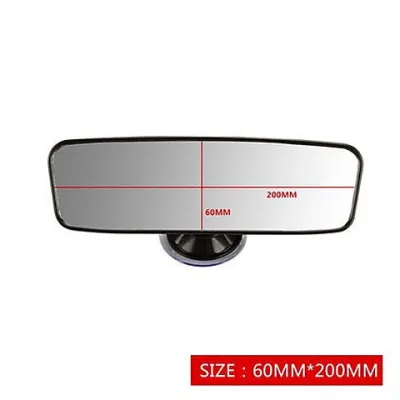
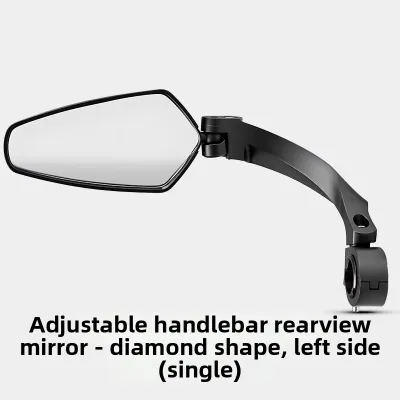
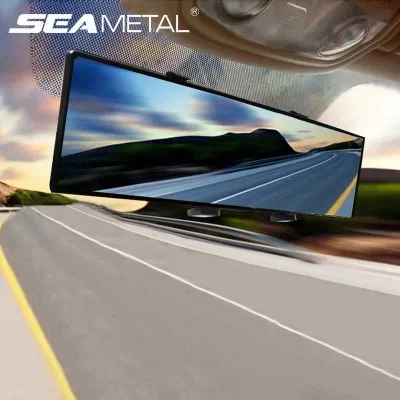
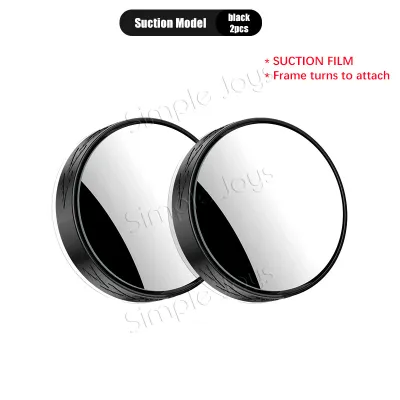
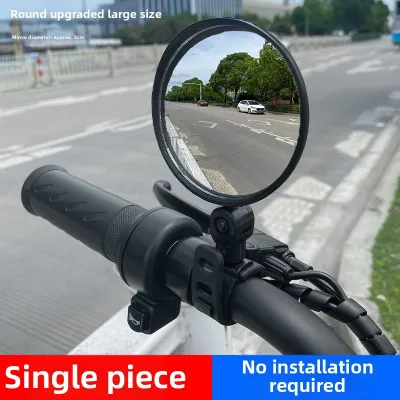
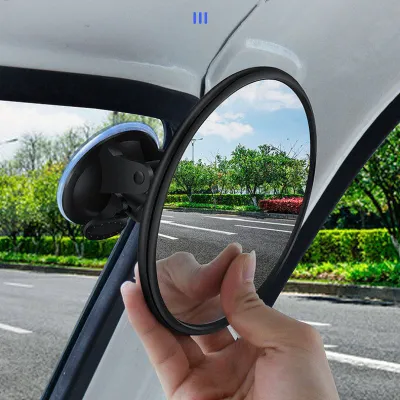
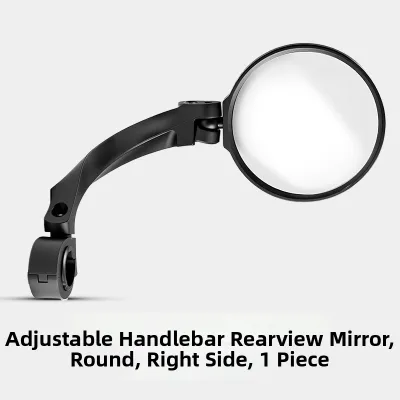

Prices are valid at publication and may change. Please refer to the product page for the latest price.
To help you identify the most suitable configuration for your driving habits and environment, consider these four primary setups:
- Manual Mirrors: Adjusted physically by hand, either by pressing the glass directly or using a small mechanical joystick inside the cabin. They contain no electrical components.
- Power-Adjustable Mirrors: Feature internal electric motors that allow you to adjust the angle of the mirror glass using a switch on your driver's door panel or dashboard.
- Power-Folding Mirrors: Equipped with a motorized mechanism that folds the entire mirror housing flat against the vehicle's body when parked or navigating tight spaces.
- Heated Mirrors: Contain integrated electrical heating elements behind the glass to clear condensation, mist, and rain droplets rapidly.
Your driving environment should play a major role in your decision. For example, navigating the narrow lanes and tight parking spaces of Housing & Development Board (HDB) or condominium multi-storey carparks in Singapore makes power-folding mirrors an invaluable asset. On the other hand, driving through heavy tropical downpours during the monsoon seasons highlights the safety benefits of heated mirrors, which keep your side visibility clear.
Before purchasing any replacement, remember that vehicle compatibility is your primary constraint. Modern vehicles rely on complex wiring harnesses and electronic control units (ECUs). If your car was not originally equipped with power-folding or heated features, upgrading is rarely a simple plug-and-play process. It often requires extensive wiring, new switches, and potentially reprogramming the vehicle’s computer.
Manual and Power-Adjustable Mirrors: The Practical Baseline
For many drivers, the choice comes down to the two most common configurations: manual and power-adjustable. These options represent the standard baseline for passenger vehicles, prioritizing simplicity, reliability, and cost-effectiveness.

Manual Mirrors
Manual mirrors are the most basic option available. Because they lack electric motors, wiring, and electronic control modules, they are incredibly robust. There are no electrical components to fail, meaning they are virtually immune to the wear and tear that can disable power-operated systems over time. If a manual mirror is struck or damaged, the replacement cost is significantly lower than any other configuration, making it an excellent choice for budget-conscious drivers.
However, manual mirrors come with distinct convenience trade-offs. To adjust the passenger-side mirror, you must either stretch across the cabin or exit the vehicle entirely. Even driver-side manual mirrors with internal mechanical joysticks can be tedious to adjust. In bad weather, such as a sudden tropical rainstorm, having to roll down your window to adjust a mirror is highly inconvenient and guarantees water will enter the cabin.
Power-Adjustable Mirrors
Power-adjustable mirrors solve this convenience issue by placing small electric servo motors behind the mirror glass. These motors are wired to a central switch accessible from the driver’s seat, allowing you to adjust both the driver and passenger mirrors precisely with the touch of a button. This is particularly beneficial for vehicles shared by multiple drivers, as resetting the viewing angles takes only a few seconds.
While power-adjustable mirrors are standard on almost all modern vehicles, they do introduce mechanical vulnerability. Over years of exposure to heat, humidity, and vibration, the internal servo motors can burn out, or the electrical switch gear can fail. Replacing a power-adjustable mirror is more expensive than a manual one, and troubleshooting an electrical fault requires checking fuses, wiring continuity, and switch contacts. Despite this, the balance of convenience and safety makes power-adjustable mirrors the preferred baseline for the vast majority of motorists.
These standard configurations are ideal for drivers who operate their vehicles under predictable conditions, park in spacious areas, and rarely need to adjust their mirrors once the initial driving position is set.
Power-Folding Mirrors: Protecting Your Mirrors in Tight Spaces
Power-folding mirrors represent a significant step up in urban convenience. This configuration features an internal motor and gear assembly designed to fold the entire mirror housing inward, reducing the vehicle’s overall width when parked or driving through restricted spaces.
In highly urbanized environments like Singapore, power-folding mirrors are highly practical. Standard parking spaces in multi-storey carparks, shopping malls, and private estates can be exceptionally narrow. Leaving your mirrors extended increases the risk of them being clipped by passing vehicles, struck by shopping trolleys, or bumped by pedestrians. By folding your mirrors automatically when locking the car, you significantly reduce the profile of your vehicle, protecting expensive mirror assemblies from costly accidental damage.
Beyond parking protection, power-folding mirrors offer functional benefits while driving. If you find yourself navigating an exceptionally narrow alleyway or squeezing past a large commercial vehicle on a tight road, you can temporarily fold the mirrors from inside the cabin to clear the obstacle safely, then deploy them once you have passed.
However, the convenience of power-folding mirrors comes with specific mechanical limitations. The internal mechanism relies on small, high-torque gears, which are often made of plastic to save weight and reduce manufacturing costs. If a pedestrian accidentally bumps into a folded mirror, or if you attempt to force a power-folding mirror manually, these internal gears can easily strip or break. Once the gears are stripped, the motor will spin uselessly—often making a distinct grinding noise—and the mirror will no longer hold its position.
If your vehicle did not come equipped with power-folding mirrors from the factory, attempting a retrofit is a major undertaking. It is not simply a matter of swapping the mirror housing. You must install new door wiring harnesses, mount a compatible folding switch on your door card or dashboard, and in many modern vehicles, install or reprogram a door control module so the car knows to fold the mirrors when you lock the doors. Because of this complexity, aftermarket retrofits should only be undertaken after consulting a professional automotive electrician.
Heated Mirrors: Clearing Rain and Condensation Quickly
Heated mirrors are designed to address visibility issues caused by weather. This configuration features a thin, flexible electrical resistance heating grid adhered directly to the back of the mirror glass. When an electric current passes through this grid, it generates gentle heat across the entire surface of the mirror.
While drivers in colder climates rely on heated mirrors to melt ice and frost, they are equally valuable in warm, humid, and tropical climates. In environments like Singapore, high humidity levels frequently cause condensation to form on vehicle mirrors, especially in the early morning or when exiting cool underground parking structures into warm, damp air. Furthermore, during heavy monsoon downpours, water droplets cling to the mirror glass, severely distorting your view of adjacent lanes.
When activated, the heating element warms the glass slightly above the ambient temperature. This heat rapidly evaporates morning condensation and accelerates the runoff of rain droplets, keeping the glass clear. By maintaining a clean, unobstructed view of your blind spots during adverse weather, heated mirrors directly improve your driving safety, reducing the need to roll down your windows and manually wipe the glass while on the move.
In most factory-equipped vehicles, the heated mirror system does not have a dedicated button. Instead, it is wired directly into the rear window defogger circuit. When you press the rear defogger button on your climate control panel, power is simultaneously sent to the heating grids in both side mirrors. This integrated design simplifies operation and ensures you do not accidentally leave the mirror heaters running indefinitely.
If you are replacing a heated mirror or attempting to add this feature, you must respect strict electrical safety boundaries. Never attempt to wire an aftermarket heated mirror directly to a constant 12-volt power source. Without a timed relay or automatic shut-off mechanism, the heating elements can overheat, which can crack the mirror glass, melt the internal plastic components, or even cause an electrical fire. Always refer to your vehicle’s factory wiring diagrams and ensure the circuit is properly fused and relay-controlled.
Comparing Rear Mirror Configurations at a Glance
To help you weigh the practical trade-offs of each configuration, the table below summarizes the key differences in convenience, relative replacement costs, maintenance, and ideal use cases.
| Configuration | Convenience Level | Relative Replacement Cost | Maintenance Complexity | Ideal Use Case |
|---|---|---|---|---|
| Manual | Low | Low | Very Low | Budget-conscious drivers, older vehicles, and fleet cars with single drivers. |
| Power-Adjustable | Medium | Medium | Low to Medium | Standard daily drivers who require easy, precise adjustments from the cabin. |
| Power-Folding | High | High | Medium to High | Urban drivers frequently navigating tight parking bays and narrow streets. |
| Heated | High | Medium to High | Medium | Drivers in humid, high-rainfall regions who prioritize clear visibility in bad weather. |
Note: Relative replacement costs are indicated as Low, Medium, or High to reflect general market positioning. Exact costs will vary depending on your vehicle’s make, model, and whether you choose original equipment manufacturer (OEM) or aftermarket parts.
Sourcing and Installing the Right Replacement Safely
If you need to replace a damaged mirror or are planning an upgrade, sourcing the correct part requires careful verification of your vehicle’s specifications. Side mirrors are highly vehicle-specific, and purchasing the wrong part can lead to compatibility issues and installation failures.
Verifying Your Vehicle's Specifications
Before ordering a replacement mirror, you must verify your vehicle’s exact make, model, year of manufacture, and trim level. Do not assume that a mirror listed for your car model will fit automatically. Manufacturers often use different mirror wiring harnesses across different trim levels of the same model year.
For example, a base-model vehicle might use a simple 3-pin electrical connector to control basic power-adjustment motors. A higher-spec trim of the same car might use a 7-pin or 9-pin connector to accommodate additional features like integrated turn signals, blind-spot monitoring sensors, power-folding motors, and heating elements. If you purchase a high-spec mirror for a base-spec car, the physical connector will likely not match your door harness, and the advanced features will not function without custom wiring and programming.
Choosing Between OEM and Aftermarket Parts
When sourcing your replacement mirror, you will generally choose between Original Equipment Manufacturer (OEM) parts and aftermarket alternatives:
- OEM Parts: These are produced by or directly authorized by your vehicle's manufacturer. They guarantee a perfect physical fit, exact matching paint finish, correct electrical connector compatibility, and high-quality optical glass that matches factory specifications. While they are more expensive, they offer the highest reliability and preserve your vehicle's original safety standards.
- Aftermarket Parts: These are produced by third-party manufacturers and are generally more cost-effective. However, quality can vary significantly. Lower-grade aftermarket mirrors may suffer from excessive vibration at highway speeds, poor glass clarity that distorts distances, or slight physical misalignments that make installation difficult. If you choose aftermarket, opt for reputable brands that certify compliance with original equipment standards.
Installation Safety and Best Practices
For basic manual and power-adjustable mirrors, replacement is often a straightforward task that can be completed with basic hand tools. The process typically involves carefully prying off the interior plastic triangle trim piece on the inside of the door, disconnecting the electrical harness plug (if equipped), removing three retaining bolts, and swapping the mirror assembly. Always consult your vehicle’s service manual for specific trim removal instructions to avoid breaking plastic clips.
However, if your replacement involves power-folding or heated mirrors—especially if you are attempting to retrofit these features to a vehicle not originally equipped with them—the task becomes significantly more complex. This work involves routing new wiring through the rubber door bellows, splicing into existing factory wiring, and installing relays and fuses.
Improper electrical work can easily damage your vehicle’s sensitive electronic control modules, void your manufacturer’s warranty, or create a short circuit that poses a fire hazard. If your replacement or upgrade requires custom electrical integration, always consult a qualified automotive electrician or professional service center to ensure the work is completed safely and in accordance with manufacturer guidelines.
Frequently Asked Questions (FAQ)
Can I upgrade my manual mirrors to power-folding?
Upgrading manual mirrors to power-folding is highly complex and rarely a simple plug-and-play process. To perform this retrofit, you must replace the entire mirror assemblies with motorized versions, install compatible door wiring harnesses, mount a new switch inside the cabin, and install the appropriate control relays. In many modern vehicles, you may also need to install a compatible door control module and reprogram the vehicle’s computer to recognize the folding function. Because of the high cost of parts and labor, it is highly recommended to have a professional automotive electrician assess your vehicle’s specific wiring architecture before proceeding.
Why is my power mirror making a grinding noise?
A grinding noise from a power-adjusting or power-folding mirror is almost always caused by stripped internal gears. These gears, which are typically made of plastic, can strip if the mirror housing is struck by an object, forced manually by a pedestrian, or if the internal motor attempts to operate while the mirror is physically obstructed (such as by dirt, debris, or a tight parking wall). Once these plastic teeth are stripped, the electric motor will spin freely without moving the mirror housing or glass. In most cases, individual gears cannot be replaced separately, meaning you will need to replace the internal actuator motor or the entire mirror assembly.
Do heated mirrors turn off automatically?
Most factory-installed heated mirrors are designed to turn off automatically. In the vast majority of vehicles, the mirror heating elements are tied directly to the rear window defogger circuit, which operates on an automatic timer. Once activated, the system will typically run for 10 to 20 minutes before automatically shutting off to prevent the glass from overheating and to reduce electrical load on the vehicle’s alternator. However, if you have installed an aftermarket heated mirror kit with a manual toggle switch, it may not have an automatic timer. In this case, you must manually turn the switch off once the glass is clear to prevent damage to the heating element or the mirror housing.
Community discussion
Share your experience or ask a question. Comments are reviewed before publication.