
Choosing between a magnetic and a clip-on phone holder for your car’s seat back is not a matter of finding a universally ideal design, but rather identifying which mechanism aligns with your vehicle’s interior architecture and your passengers’ viewing habits. A phone magnetic holder offers a minimalist, low-profile aesthetic that allows for instantaneous, one-handed mounting, making it highly convenient for quick stops and transitions. Conversely, clip-on mounting systems rely on robust mechanical clamps that physically lock onto the headrest posts, providing a highly stable and slip-free grip that excels at holding heavier devices over long journeys. To make an informed decision, you must evaluate several critical factors, including the physical dimensions of your headrest posts, the weight of your mobile device, and the specific cabin space constraints of your vehicle.
How to Check Seat Back and Headrest Compatibility
Before purchasing any seat back mounting accessory, you must thoroughly inspect the physical design of your vehicle’s front seats to ensure a secure fit. Begin by examining the headrest support posts, which are the primary anchoring points for most rear-passenger entertainment mounts. Standard headrests feature two cylindrical metal posts that slide into the seat back, but some modern vehicles utilize flat, rectangular, or highly stylized oval posts. You should measure the diameter of these posts and the precise distance between them using a caliper or tape measure, then compare these dimensions against the manufacturer’s installation specifications. Many clip-on brackets require a specific minimum and maximum spacing to allow their spring-loaded or screw-tightened arms to lock securely into place.
Next, evaluate the material, contour, and overall thickness of the seat back itself. If you are considering a magnetic mount that relies on an adhesive backing or a secondary support strap that rests against the seat structure, the texture of the upholstery becomes a critical factor. Smooth, flat surfaces allow adhesive pads to bond effectively, whereas heavily textured leather, synthetic vinyl, or porous fabrics can prevent proper adhesion, leading to premature failure of the mount. Additionally, highly contoured sport seats or seats with integrated, non-removable headrests often lack exposed metal posts entirely. In these specialized seating configurations, standard clip-on designs cannot be installed, making magnetic mounts with alternative attachment methods or custom-fit vehicle accessories the only viable option. Always consult your vehicle’s owner manual to verify if the headrests can be adjusted or removed safely before attempting to force any aftermarket bracket onto the assembly.
Products mentioned in this guide

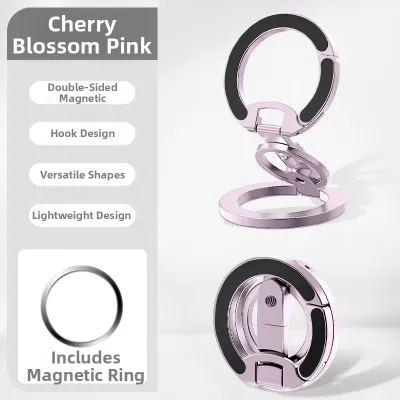
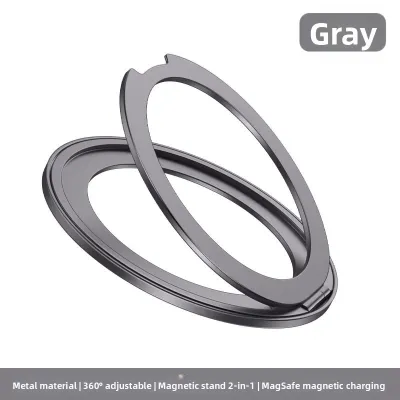
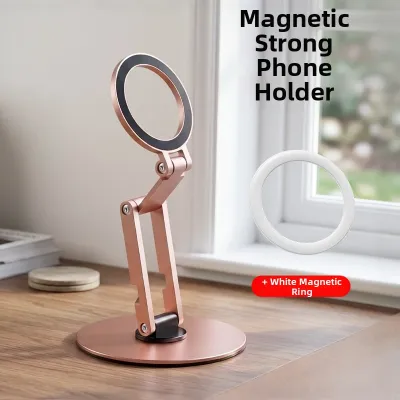
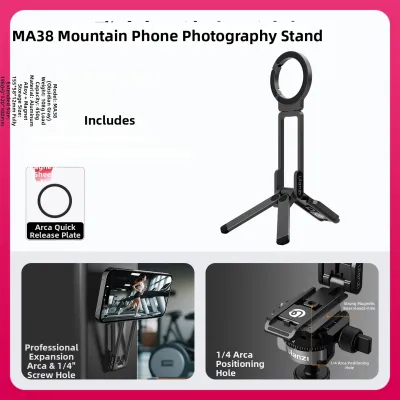
Prices are valid at publication and may change. Please refer to the product page for the latest price.
Evaluating Stability and Vibration on the Road
Maintaining a steady, vibration-free screen is essential for passenger comfort, especially during long road trips where motion sickness can be exacerbated by a shaking display. The mechanical grip of a clip-on holder physically locks the phone within adjustable jaws, which prevents the device from slipping even when driving over speed bumps, potholes, or unpaved roads. However, the stability of a clip-on mount depends heavily on the quality of its joints and extension arms. If the mount features multiple plastic articulation points or long, unreinforced arms, road vibrations can travel up the seat back and cause the screen to wobble continuously. To mitigate this, look for clip-on models that feature user-adjustable tension knobs or locking collars, which allow you to tighten the joints and minimize play in the assembly.

Magnetic holders, on the other hand, rely entirely on magnetic pull force to keep the phone in place. While a high-quality phone magnetic holder provides a clean look and eliminates the need for mechanical side clamps, its holding power is highly dependent on the alignment and strength of the magnetic array. When evaluating magnetic options, you must verify the manufacturer’s specified weight capacity and ensure it comfortably exceeds the actual weight of your phone combined with its protective case. Heavy rugged cases or thick wallet cases can significantly weaken the magnetic connection if they do not feature integrated magnetic rings. During sudden braking, sharp turns, or rapid acceleration, the G-forces exerted on a heavy phone can overcome a weak magnetic field, causing the device to slide off the mount and fall into the footwell. To prevent this, always check that your phone case is fully compatible with the specific magnetic standard used by the holder, or install the manufacturer-supplied metal plate directly to the exterior of your case to maximize surface contact.
Comparing Viewing Angles and Passenger Comfort
The physical design of the mount directly influences how rear passengers interact with the screen and how much space they have within the cabin. Clip-on holders typically feature robust ball joints and extendable scissor arms that allow the screen to be pulled closer to the passenger, tilted downward to reduce glare, or swiveled toward the center of the vehicle for shared viewing. While this high degree of adjustability is excellent for finding the perfect angle, the physical bulk of these mechanical arms can protrude significantly into the rear passenger’s legroom. In compact cars or vehicles with limited rear cabin space, a protruding clip-on mount can feel intrusive, potentially bumping against the knees of taller passengers or making it difficult to enter and exit the vehicle.
In contrast, magnetic puck designs are inherently low-profile and compact. Because they do not require bulky clamping arms or complex extension mechanisms, they sit much closer to the headrest posts, preserving valuable cabin space and maintaining a clean, uncluttered interior aesthetic. This flush mounting style is particularly beneficial in smaller vehicles where every centimeter of legroom matters. However, the reduced physical footprint of a magnetic mount also means it offers a more localized range of motion. While most magnetic mounts still feature a swiveling ball joint behind the magnetic face, the phone cannot be extended outward toward the passenger. This requires the viewer to sit slightly further back or lean forward to interact with the touchscreen, which may cause minor neck strain over extended periods if the seat back is reclined at an awkward angle.
Potential Risks to Your Phone and Car Interior
Integrating aftermarket accessories into your vehicle requires careful consideration of potential wear and tear on both your electronic devices and your car’s interior upholstery. One of the primary concerns with clip-on mounts is the constant mechanical pressure they exert on the headrest posts and the upper portion of the seat back. Over time, the hard plastic edges of a clamp can rub against leather, synthetic leather, or fabric, leaving permanent indentations, creases, or even deep scratches. To protect your vehicle’s interior value, always inspect the clamp jaws before installation to ensure they are equipped with thick, intact silicone or rubber padding. Additionally, you should periodically remove the mount to inspect the upholstery and allow the compressed materials to recover their natural shape.
For magnetic mounts, the primary considerations shift toward device compatibility and potential electronic interference. Modern smartphones utilize highly sensitive internal sensors, including digital compasses and optical image stabilization (OIS) systems in their cameras. While the static magnetic fields generated by consumer-grade phone holders are generally safe for modern solid-state storage and screens, some phone manufacturers warn that prolonged exposure to strong magnetic fields can temporarily disrupt OIS performance or cause compass calibration errors. To avoid these issues, always check your specific phone manufacturer’s official guidelines regarding magnetic accessories. Furthermore, if you use wireless charging at home, placing an adhesive metal plate in the wrong position on the back of your phone can block the induction coils or cause dangerous overheating during charging. Utilizing a dedicated, magnetically compatible phone case that aligns perfectly with the internal charging coils is the safest way to ensure both secure mounting and reliable wireless charging.
Decision Guide: When to Choose Magnetic vs Clip-On
To finalize your decision, you must weigh the specific physical constraints of your vehicle against your daily usage patterns. A magnetic phone holder is the ideal choice if your vehicle has limited rear legroom, your headrest posts are thin or closely spaced, and you prioritize a sleek, unobtrusive look that can be operated instantly with one hand. This setup works best when paired with a phone that natively supports magnetic attachment or is housed in a high-quality magnetic case, ensuring a clean connection without the need for unsightly adhesive plates.
Conversely, a clip-on holder is the more effective option if you frequently transport passengers who watch media on larger, heavier smartphones, or if you prefer not to use a magnetic phone case. The mechanical security of a clamp provides peace of mind on bumpy roads and eliminates any risk of the phone detaching during sudden maneuvers. Before making any purchase, always verify if your car features fixed, non-adjustable headrests or specialized active head restraint systems, as these designs may block both standard mounting methods entirely. In such cases, you should consult your vehicle’s manual or explore alternative mounting solutions, such as console-mounted brackets or custom-fit seat organizer systems.
Frequently Asked Questions (FAQ)
Will a magnetic seat back holder damage my phone's internal components?
Modern smartphones use flash memory and solid-state components that are unaffected by the static magnetic fields produced by consumer car mounts. However, strong magnets can temporarily interfere with internal sensors, such as the digital compass, GPS calibration, and the magnets used in optical image stabilization (OIS) camera modules. To prevent any temporary performance degradation, verify that your phone is mounted according to the manufacturer’s guidelines, and ensure that any magnetic plates or cases you use are officially rated for compatibility with your specific device model.
Can I use these seat back mounts for a tablet instead of a phone?
Standard phone magnetic holders and compact clip-on mounts are engineered specifically for the weight and dimensions of mobile phones, and using them to support a tablet poses a significant safety hazard. The increased weight and surface area of a tablet can easily overcome a standard magnetic array or cause a plastic clip-on bracket to snap under the leverage, creating a dangerous projectile inside the cabin during sudden braking. If you need to mount a tablet, you must purchase a heavy-duty, mechanically clamping mount specifically rated for tablet dimensions, and verify that your vehicle’s headrest posts are strong enough to support the additional weight without bending.

Community discussion
Share your experience or ask a question. Comments are reviewed before publication.