
Deciding on the ideal cabin setup involves balancing driver accessibility with passenger comfort. When choosing a magnetic phone holder car mount, the right decision depends entirely on who needs to view the screen and how you intend to organize your vehicle’s interior. Driver-focused configurations require immediate visibility for navigation, while passenger-centric setups prioritize entertainment, cable management, and keeping the cabin free of clutter.
Dashboard mounts are engineered primarily for the driver, positioning the device within your natural line of sight for hands-free navigation and quick access. They keep front-cabin utilities centralized but can introduce visual clutter or block essential airflow. Conversely, seat-back mounts attach to the front headrest poles, transforming the rear cabin into an organized media center for passengers while keeping devices off the seats and floor.
Before installing any front-cabin mount, you must verify local traffic regulations in Singapore regarding windshield and dashboard obstructions. The Land Transport Authority (LTA) requires an unobstructed view of the road, meaning any device mounted on the dashboard must not impede your field of vision. Additionally, you must ensure that any dashboard-mounted accessory remains completely clear of your vehicle’s airbag deployment zones to prevent severe injury during an accident.
Products mentioned in this guide
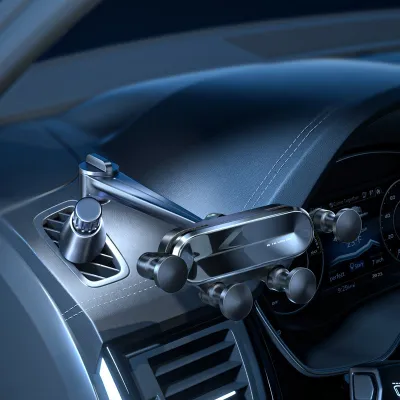
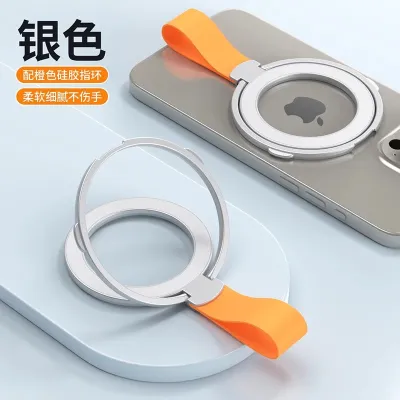
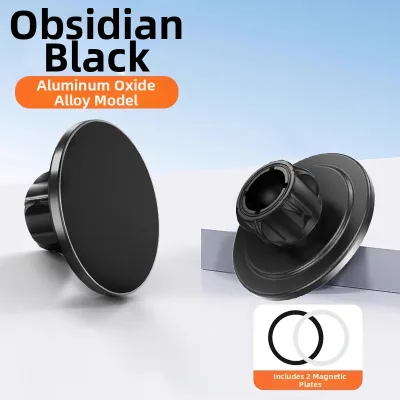
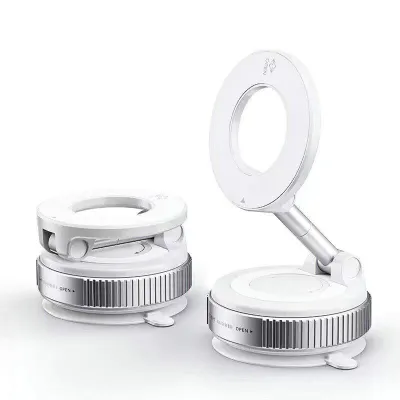
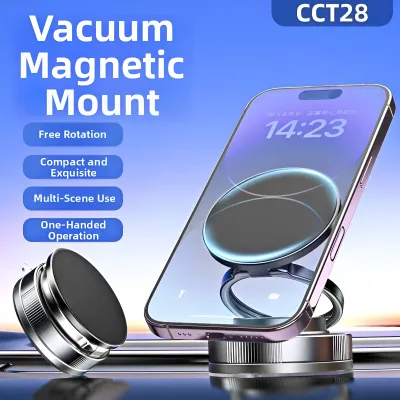
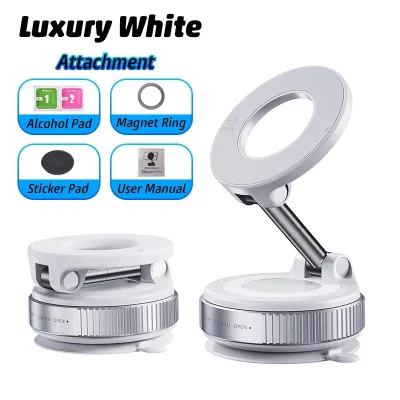
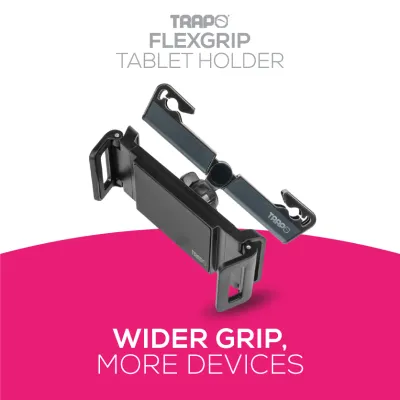
Prices are valid at publication and may change. Please refer to the product page for the latest price.
Core Comparison: Dashboard vs. Seat-Back Magnetic Holders
Driver Visibility and Road Safety
Placing a magnetic phone holder car mount on the dashboard directly impacts your forward field of vision. A poorly positioned mount can create blind spots, especially when navigating tight corners or pedestrian-heavy areas in urban environments. Windshield reflections from the phone screen during bright afternoon sun or night driving can also cause temporary glare, reducing your reaction times.
Airbag safety is the most critical factor when selecting a dashboard mounting location. Modern vehicles feature complex passenger and side-curtain airbag systems that deploy with immense force. If a magnetic holder or the phone itself is positioned within an airbag deployment zone, it can become a dangerous projectile during a collision. You must consult your vehicle’s owner manual to map out the exact deployment paths of all front airbags before choosing a mounting spot.
Seat-back mounts completely eliminate these front-cabin safety risks by moving the device out of the driver’s sightline. Because they are positioned behind the front seats, they offer zero utility for driver navigation or hands-free calls. However, they ensure the driver’s view remains entirely unobstructed, helping you comply with local road safety laws while keeping front-cabin distractions to an absolute minimum.
Passenger Entertainment and Cabin Organization
Rear-cabin organization is a common pain point during family road trips, carpools, or long commutes. Without dedicated storage, rear passengers often hold their devices for hours, leading to neck strain, or leave them loose on the seats where they can slide onto the floor. A seat-back magnetic holder solves this by securing the phone at an ergonomic viewing height, creating a tidy, hands-free entertainment station.
These rear-mounted systems also help streamline cable management throughout the vehicle. By keeping the phone suspended on the back of the seat, passengers can route charging cables directly from rear USB ports or center console outlets without dangling wires across the gear shifter or handbrake. This keeps the center console area clean and prevents passengers from accidentally tripping over or pulling on charging cords.
Dashboard mounts provide virtually no organizational benefits for the rear of the vehicle. A phone mounted on the dashboard is completely out of reach and sight for backseat passengers, forcing them to rely on handheld devices or alternative storage solutions. If your primary goal is to pacify rear passengers with offline media or keep the back row organized, a front-mounted dashboard holder will leave your cabin setup feeling incomplete.
Installation, Surface Compatibility, and Interior Aesthetics
Dashboard mounts typically rely on high-strength chemical adhesives or heavy-duty suction cups to secure themselves to the vehicle. While effective on flat, non-porous surfaces like glass or smooth plastic, they struggle to adhere to modern textured, curved, or leather-wrapped dashboards. Over time, the physical weight of the phone combined with cabin vibrations can cause these mounts to peel away, potentially leaving behind a sticky, unsightly residue or permanently discoloring premium interior materials.
Singapore’s intense tropical climate accelerates this adhesive degradation. Direct sunlight passing through the windshield can raise dashboard surface temperatures to over 60 degrees Celsius, melting the adhesive backing of cheap mounts and causing them to fail. If your vehicle features a soft-touch or genuine leather dashboard, applying a strong chemical adhesive can tear or warp the material upon removal, severely impacting your car’s resale value.
Seat-back mounts offer a completely non-destructive installation process that preserves your car’s interior materials. These holders generally utilize mechanical clamps that secure tightly around the metal poles of adjustable headrests, or heavy-duty strap systems that wrap around the seat structure. This mechanical connection avoids the use of chemical adhesives entirely, making them incredibly easy to install, adjust, or remove without leaving permanent marks on your upholstery.
Before purchasing a seat-back mount, you must inspect your vehicle’s headrest design. Many modern sporty models or vehicles with active head restraint systems feature integrated, single-piece seats with no exposed metal poles. If your car has fixed headrests, standard clamp-style seat-back mounts will not be compatible, and you will need to look for alternative strap-based or console-mounted organization systems.
Magnetic Grip and Stability on Uneven Roads
The physical stability of your phone depends heavily on the grade of magnets used in the holder. High-quality magnetic mounts typically feature N52 neodymium magnets, which provide a powerful grip capable of holding heavy smartphones even through thick protective cases. You should always verify the manufacturer’s specified magnet grade and weight capacity rather than assuming all magnetic mounts offer identical holding power.
On the dashboard, a magnetic holder must contend with direct chassis vibrations transmitted through the suspension. Driving over speed bumps, rough asphalt, or construction zones can cause a weak magnetic mount to drop your phone onto the floorboard, creating an immediate driving hazard. Furthermore, the constant exposure to direct sunlight on the dashboard can cause the phone itself to overheat, triggering thermal throttling and shutting down your navigation app mid-journey.
Seat-back mounts experience a different set of physical forces during transit. Because they are attached to the seat structure, they are partially cushioned from harsh chassis vibrations by the seat padding. However, if the clamp system is not secured tightly to the headrest poles, the mount can swing or vibrate laterally during cornering, making the screen difficult for rear passengers to read.
Additionally, seat-back mounts are naturally shielded from direct sunlight by the vehicle’s roof and front seats. This shade keeps both the mount and the attached phone significantly cooler, reducing the risk of battery degradation and thermal shutdowns. This environmental protection makes seat-back mounts highly reliable for long-duration media playback or continuous video streaming on extended family trips.
Dashboard Magnetic Phone Holders: Best for the Driver
For solo commuters, rideshare drivers, and daily navigators, a dashboard magnetic phone holder car mount is an indispensable tool. It places your smartphone directly within your peripheral vision, allowing you to follow GPS directions with quick, glance-and-go movements that keep your eyes focused on the road ahead. This ergonomic placement minimizes the physical head movements required to check a map, reducing driver fatigue during peak-hour traffic.

The immediate accessibility of a dashboard mount also simplifies hands-free call management and voice assistant commands. When a call comes in, you can easily see the caller ID and answer via voice control or a single tap without reaching down into a cup holder or center console. This proximity ensures you maintain full control of your vehicle while staying connected, supporting a safer and more focused driving environment.
However, these driver-centric benefits come with several distinct trade-offs that you must carefully evaluate. The primary risk is the potential to obstruct your view of the road or block critical dashboard instruments, such as speedometers or warning lights. You must spend time finding a mounting position that balances easy visibility with a completely clear windshield view, ensuring compliance with local traffic safety standards.
Furthermore, the thermal stress placed on devices mounted to the dashboard can be severe. In warm climates, the combination of direct sunlight and windshield heat magnification can cause your phone’s battery temperature to spike rapidly. This heat not only slows down processing speeds but can also cause permanent battery degradation over time. To mitigate this, some drivers choose vent-mounted magnetic holders, though these can block cabin airflow and put structural stress on delicate plastic vent slats.
Ultimately, the dashboard mount is best suited for individuals who prioritize front-cabin utility and driver navigation. If you frequently drive alone, rely heavily on real-time traffic apps to navigate urban routes, and have a flat, solid dashboard surface that can safely accommodate a mount away from airbag deployment zones, this style is the logical choice for your vehicle setup.
Seat-Back Magnetic Phone Holders: Best for Passengers and Organization
A seat-back magnetic phone holder car mount is designed from the ground up to maximize rear-cabin organization and passenger comfort. For families with children, carpoolers, or rideshare operators looking to provide a premium passenger experience, these mounts are highly effective. They turn the back of any standard front seat into a dedicated media hub, keeping rear passengers entertained and quiet during long journeys.
By elevating the phone to eye level, seat-back mounts promote better posture for rear passengers. Looking down at a handheld device for extended periods can cause significant neck strain and physical discomfort, especially for growing children. A headrest-mounted holder allows passengers to sit back comfortably against the seat cushion, reducing physical fatigue and making long road trips much more enjoyable.
From an organizational perspective, these mounts are excellent for keeping the rear cabin tidy. They prevent phones, tablets, and charging cables from being left loose on the seats, where they can easily be sat on, scratched, or stepped on when passengers exit the vehicle. By keeping devices securely docked, you minimize cabin clutter and protect your expensive electronics from accidental damage.
Despite these advantages, seat-back mounts have clear functional limitations that you must consider before buying. They are entirely useless for driver navigation or front-cabin utility, meaning you will still need a separate solution if you require GPS access while driving. Additionally, if your vehicle is equipped with rear-seat side airbags or active headrests, you must verify that the clamp or strap mechanism does not interfere with these safety systems.
The ideal user profile for a seat-back magnetic holder is a driver who frequently carries passengers and wants to maintain a clean, organized rear cabin. If you regularly transport children, operate a passenger service, or take frequent group road trips, investing in a high-quality headrest magnetic mount will significantly improve your vehicle’s overall organization and passenger satisfaction.
Decision Framework: How to Choose Your Car Phone Mount
To finalize your car organization setup, use this practical decision framework to determine which magnetic phone holder car mount style fits your specific needs and vehicle configuration.
- Choose Dashboard if: You need hands-free driver navigation and real-time traffic updates, you drive alone or primarily with a front-seat passenger, your vehicle has a flat, non-porous dashboard surface or a secure windshield mounting zone that does not obstruct your view, and you can mount the device completely clear of all front airbag deployment zones.
- Choose Seat-Back if: Your main goal is rear-seat entertainment, passenger comfort, and keeping the backseat organized, you frequently travel with children, carpool passengers, or clients, your vehicle features standard, adjustable front headrests with exposed metal poles, and you want a non-destructive mounting solution that avoids the use of chemical adhesives.
- Neither may fit if: Your vehicle features highly contoured, textured, or leather-wrapped dashboards with no safe, flat mounting zones, and also has integrated, single-piece front seats with no exposed headrest poles. In this scenario, you may need to explore specialized cup-holder mounts or air-vent magnetic holders.
- Verify first if: You are uncertain about the location of your vehicle's airbag deployment zones (check your owner's manual), your phone case is exceptionally thick or heavy (which requires verifying the magnetic weight limit and ensuring the mount uses high-grade N52 neodymium magnets), or your local traffic laws restrict specific windshield mounting zones or dashboard heights.
Frequently Asked Questions (FAQ)
Will a magnetic phone holder damage my car's dashboard or seats?
Strong adhesive dashboard mounts can peel, discolor, or tear soft-touch, textured, or leather dashboards upon removal, especially after prolonged exposure to high cabin temperatures. To prevent this, look for removable adhesive pads or use suction-cup mounts on the windshield if allowed by local laws. Seat-back mounts that use metal headrest clamps are generally non-destructive, but you should ensure the clamps are padded with rubber or silicone to prevent scratching the metal headrest poles over time.
Do magnetic car mounts interfere with wireless charging or phone signals?
The permanent magnets inside a high-quality magnetic car mount do not interfere with cellular, Wi-Fi, or GPS signals, as these technologies operate on radio frequencies unaffected by static magnetic fields. However, placing a standard magnetic metal plate directly on the back of your phone will physically block the induction coils required for Qi wireless charging. To maintain wireless charging compatibility, you should use a MagSafe-compatible phone case or a magnetic mount designed with an open-center ring that allows wireless charging current to pass through freely.
Community discussion
Share your experience or ask a question. Comments are reviewed before publication.