
Selecting the right motor oil for your vehicle is not a matter of finding a single, universally superior brand. Instead, the decision relies entirely on matching the oil’s viscosity, industry specifications, and additive formulations to the precise requirements set by your car’s manufacturer. While Shell and Castrol are established global brands with proprietary technologies, value-focused options like Lynlex offer alternative choices for routine maintenance.
In Singapore’s demanding driving environment, characterized by high ambient temperatures and constant stop-and-go traffic, choosing the wrong oil can lead to accelerated engine wear or voided warranties. To make an informed choice, you must look past marketing claims and focus on the technical data printed on the back of the bottle. This guide will help you navigate the specifications of Lynlex, Shell, and Castrol to find the safest and most cost-effective match for your vehicle.
Identify Your Engine's Exact Oil Requirements
Before comparing the marketing promises of Lynlex, Shell, or Castrol, you must establish your engine’s baseline requirements. Your vehicle’s manufacturer has engineered the engine to operate within specific tolerances, which dictate the necessary oil thickness and chemical composition. Using an oil that does not meet these exact parameters can result in inadequate lubrication, increased friction, and long-term mechanical damage.
Products mentioned in this guide
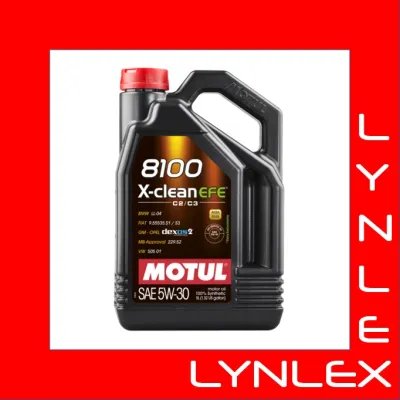
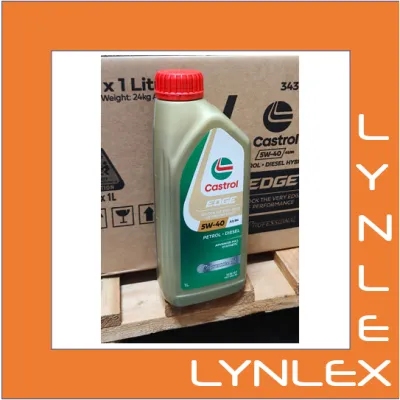
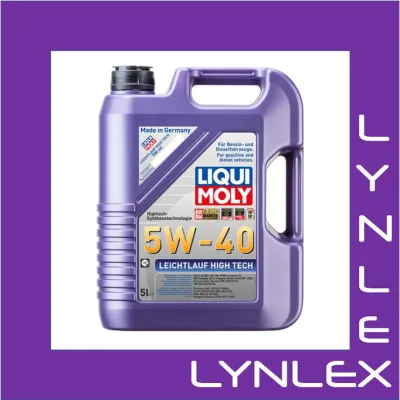
Prices are valid at publication and may change. Please refer to the product page for the latest price.
The first step is to locate the recommended viscosity grade, which is typically printed on the oil filler cap under the hood or detailed in the vehicle owner’s manual. Viscosity is represented by an SAE rating, such as 0W-20, 5W-30, or 10W-40. The number preceding the “W” indicates cold-temperature flow, while the number following it represents the oil’s resistance to thinning at operating temperatures.
Beyond viscosity, you must identify the required industry standards and OEM approvals. Modern engines often require specific performance certifications, such as the API SP standard or the ACEA C3 specification. These standards ensure the oil can handle the unique stresses of modern engine designs, including turbocharging and direct injection.
Many European and Japanese manufacturers also mandate proprietary OEM approvals, such as VW 508.00, BMW LL-04, or Mercedes-Benz MB 229.51. If your vehicle requires a specific OEM approval, you must verify that this exact code is listed on the oil bottle’s label before purchasing.
Ultimately, matching these baseline specifications is far more critical for engine longevity than brand loyalty. An entry-level oil that carries the exact OEM approval for your engine will always provide safer lubrication than a premium oil that lacks the correct certification. Brand choice should only be considered after you have filtered your options by these non-negotiable technical requirements.
Brand Focus: Lynlex vs Shell vs Castrol
Once you understand your engine’s technical requirements, you can evaluate how Lynlex, Shell, and Castrol position their products to meet these needs. Each brand approaches lubrication engineering with different priorities, target audiences, and proprietary technologies, which influences their performance characteristics and pricing.

Lynlex positions itself primarily as a value-oriented option in the automotive aftermarket. It is designed for budget-conscious drivers who want to maintain their vehicles without paying the premium associated with global marketing campaigns. When considering Lynlex, it is essential to carefully inspect the product label to verify its API certifications and base oil type, ensuring it aligns with modern engine standards rather than older, less demanding specifications.
Shell is globally recognized for its advanced chemical engineering, particularly its proprietary gas-to-liquid base oil technology. This process converts natural gas into a crystal-clear base oil that is virtually free of the impurities found in crude oil. Combined with active cleansing agents, Shell’s formulations are highly regarded for their ability to prevent sludge buildup and keep modern, high-performance engines clean over extended drain intervals.
Castrol focuses heavily on wear protection and fluid strength under extreme pressure. Its flagship synthetic lines often feature titanium-based additives designed to physically transform the oil’s behavior under high stress, reducing metal-to-metal contact. This engineering focus makes Castrol a popular choice for drivers facing severe operating conditions, such as frequent cold starts and heavy stop-and-go city driving, where boundary lubrication is most critical.
It is important to remember that actual engine protection depends on selecting the correct product line within each brand rather than the brand name itself. A semi-synthetic oil from a premium brand will not offer the same level of protection or longevity as a fully synthetic oil from a value brand, provided both meet the required industry standards.
How to Read Motor Oil Labels for Your Car
Reading a motor oil label requires understanding a few standardized rating systems that define how the fluid will perform inside your engine. The front label typically displays the brand, product line, and viscosity grade, while the back label contains the critical technical certifications and compliance statements that guarantee safety.
The viscosity grade, determined by the SAE, is the most prominent rating on the bottle. In Singapore’s consistent tropical climate, where ambient temperatures rarely drop below 24 degrees Celsius, the cold-flow rating (the number before the “W”) is less critical than it would be in freezing climates. However, you must still adhere to the manufacturer’s specified viscosity, as modern engines rely on precise oil flow rates to operate variable valve timing systems and maintain hydraulic pressure.
Performance standards from organizations like the API and ACEA indicate the oil’s chemical capabilities. For gasoline engines, look for the latest API ratings, such as API SP, which is specifically formulated to protect turbocharged direct-injection engines from low-speed pre-ignition. For diesel engines or vehicles equipped with exhaust aftertreatment systems like diesel particulate filters, look for ACEA ratings like C3 or C5, which limit sulfated ash, phosphorus, and sulfur to prevent catalyst clogging.
The label will also specify the base oil composition, categorizing the product as fully synthetic, semi-synthetic, or mineral. Fully synthetic oils offer the highest thermal stability, oxidation resistance, and molecular uniformity, making them the standard choice for modern turbocharged or high-performance vehicles. Semi-synthetic oils blend synthetic and mineral bases to offer a balance of performance and affordability, while mineral oils are generally reserved for older, simpler engine designs.
When examining the back label, look for explicit statements of approval rather than vague marketing language. Phrases like “meets the requirements of” or “suitable for use in” are different from official OEM approvals, which state “approved under” or list the specific license numbers. For vehicles under warranty, choosing an oil with official, licensed OEM approvals is the safest way to ensure compliance and protect your investment.
Evaluating Price, Value, and Authenticity in Singapore
Maintaining a vehicle in Singapore involves balancing high operational costs with the necessity of reliable performance. When comparing Lynlex, Shell, and Castrol, evaluating the total cost of ownership requires looking at the price-per-liter of fully synthetic options alongside the practicalities of sourcing and installation.
Value-oriented brands like Lynlex typically offer a lower price-per-liter compared to the premium synthetic lines from Shell and Castrol. For routine maintenance on everyday commuter vehicles that do not require highly specialized European OEM approvals, this price difference can lead to noticeable savings over multiple service intervals. However, you must weigh these savings against the peace of mind and advanced additive packages offered by the more expensive, globally tested formulations.
The risk of counterfeit motor oil is a serious concern in the automotive aftermarket, as low-quality or recycled oils packaged in branded bottles can cause catastrophic engine failure. To protect your vehicle, always verify the authenticity of the oil before pouring it into your engine. Look for intact security seals, holographic labels, and unique batch codes on the bottles, and avoid purchasing from unverified third-party sellers on online marketplaces.
The safest way to ensure authenticity is to purchase motor oil directly from authorized workshops, official brand distributors, or official online flagship stores. While buying oil independently from parallel importers might offer minor upfront savings, it increases the risk of obtaining counterfeit or expired products that do not meet the advertised specifications.
Additionally, remember to factor in workshop labor costs and environmental disposal fees if you are not performing the oil change yourself. Many workshops in Singapore charge a premium or a “bring-your-own-oil” fee if you supply your own lubricants, which can quickly offset any savings gained from buying cheaper oil online. Consulting with a professional mechanic or using an authorized service package that includes both the oil and labor is often the most convenient and reliable approach.
Final Decision: Which Brand Fits Your Driving Needs?
Making the final decision between Lynlex, Shell, and Castrol requires aligning your driving habits, vehicle specifications, and budget into a clear decision framework. No single brand is the correct choice for every driver, but analyzing your specific circumstances will point you toward the most appropriate option.
You should consider Shell if your vehicle features a modern, high-performance, or high-mileage engine that benefits from advanced cleaning properties. If you prioritize keeping your engine free of internal deposits and want an oil formulated from ultra-pure gas-to-liquid base stocks, Shell’s premium synthetic lines provide excellent long-term protection and thermal stability.
You should consider Castrol if your daily commute involves heavy, stop-and-go traffic in urban areas, where constant idling and short trips place high stress on the engine. Castrol’s focus on fluid strength and wear-reduction additives makes it highly suitable for protecting critical engine components during the frequent transitions between idling and acceleration.
You should consider Lynlex if you drive a standard commuter vehicle, prioritize routine maintenance value, and can verify that the specific product carries the exact API or OEM certifications required by your car. If the oil’s specifications match your owner’s manual, Lynlex offers a practical, cost-effective solution for keeping your vehicle running smoothly without the premium price tag.
Before making any purchase, always verify your vehicle’s current status. If your car is under an active manufacturer warranty, requires a highly specific European OEM approval, or utilizes a specialized hybrid engine that demands ultra-low viscosity oils, you must prioritize official OEM-approved formulations from established brands to ensure complete compatibility and warranty protection.
Frequently Asked Questions (FAQ)
Can I mix Lynlex with Shell or Castrol motor oil?
While mixing different brands of motor oil will not typically cause immediate mechanical failure, it is generally not recommended for routine operation. Each brand uses a unique, proprietary blend of additives, detergents, and anti-wear agents designed to work together cohesively. Mixing different brands or product lines can disrupt this chemical balance, potentially reducing the overall effectiveness of the lubrication and accelerating oil degradation.
The only acceptable scenario for mixing different brands is during an emergency top-up when your oil level is critically low and the exact brand is unavailable. In this situation, you must ensure the top-up oil matches the exact viscosity grade and industry specifications required by your engine. Once the emergency is resolved, it is highly recommended to perform a full oil drain and filter replacement to restore optimal engine protection.
Does using a more affordable brand void my car's warranty?
Using a more affordable brand of motor oil, such as Lynlex, will not void your vehicle’s warranty, provided the oil meets the exact viscosity grade, industry standards, and OEM specifications mandated by your car’s manufacturer. Warranties are legally tied to the technical specifications of the fluid, not the brand name printed on the bottle.
To protect your warranty, you must maintain meticulous records of your vehicle’s maintenance. Always keep detailed purchase receipts that show the exact product name and specifications, or ensure your service workshop clearly documents the specific oil used on your service invoice. If a warranty claim arises, you must be able to prove that the oil used met all manufacturer requirements, regardless of the brand’s price point.
Community discussion
Share your experience or ask a question. Comments are reviewed before publication.