
Selecting the right motorcycle oil is not a matter of finding a single, universally superior product, but rather matching the lubricant to your specific engine design, mileage, and riding environment. When comparing Lynlex 10W-40 and Lynlex 15W-50, your choice should align with your manufacturer’s specifications and your daily riding habits. Neither viscosity grade is inherently better than the other; instead, each is engineered to address distinct mechanical tolerances and thermal demands.
You should choose Lynlex 10W-40 if you ride a modern, liquid-cooled motorcycle for daily commuting in Singapore, prioritize optimal fuel efficiency, and your owner’s manual lists this grade as recommended. This thinner viscosity ensures rapid oil circulation through tight engine clearances, minimizing internal drag and supporting quick throttle response during short trips. It is the standard choice for most modern street bikes operating under typical urban conditions.
Conversely, you should choose Lynlex 15W-50 if you ride an older, high-mileage, or air-cooled motorcycle, or frequently ride under heavy loads or high RPMs. The heavier oil film provides an extra layer of hydrodynamic protection under severe thermal stress, which helps manage minor oil consumption in hot weather and dampens mechanical noise.
Products mentioned in this guide
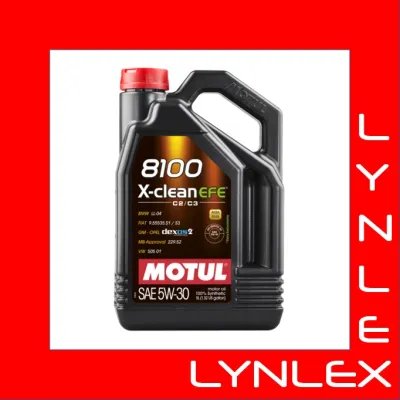
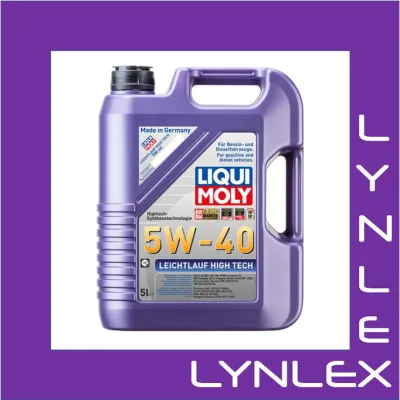
Prices are valid at publication and may change. Please refer to the product page for the latest price.
Regardless of general viscosity guidelines, your motorcycle manufacturer’s recommended SAE grade in the owner’s manual must always take precedence. Deviating from these engineered specifications without a specific mechanical reason can compromise engine longevity. Always verify your engine’s requirements before making a final selection.
Understanding the Numbers: What 10W-40 and 15W-50 Actually Mean
To make an informed decision between these two Lynlex lubricants, you must first understand the Society of Automotive Engineers (SAE) multi-grade classification system. The numbers on the bottle describe how the oil flows at both low and high temperatures, which directly affects how well your engine is protected during startup and under full operating loads. Multi-grade oils use viscosity index improvers to remain fluid enough when cold while retaining sufficient thickness when hot.
The “W” in the rating stands for Winter and indicates the oil’s cold-flow characteristics. A lower number before the “W,” such as 10W, means the oil remains more fluid at low temperatures compared to a 15W oil. However, in a tropical climate like Singapore, where ambient temperatures consistently remain warm, the cold-cranking performance difference between 10W and 15W is practically negligible. Both grades flow easily during a morning startup in tropical conditions, meaning you do not need to worry about sub-zero pumping limits.
The second number in the rating, either 40 or 50, represents the oil’s kinematic viscosity measured at 100°C, which is the standard operating temperature for a fully warmed-up engine. This number indicates how thick the oil remains under intense heat. A 50-weight oil is significantly more viscous at high temperatures than a 40-weight oil, meaning it forms a more robust, heavier barrier between moving parts under extreme thermal loads.
Choosing between these two profiles involves balancing protection against efficiency. A 50-weight oil maintains a thicker protective film under high heat and shear stress, which prevents metal-to-metal contact when the engine is pushed to its limits. On the other hand, a 40-weight oil flows more freely, reducing internal engine drag and allowing components to move with less resistance, which translates directly to improved energy efficiency.
Key Comparison Dimensions for Singapore Riders
Cold Start vs. Hot Climate Performance
Operating a motorcycle in Singapore introduces specific environmental challenges that differ significantly from temperate regions. With ambient temperatures typically ranging from 26°C to 32°C year-round, your engine never experiences a true “cold” start in the winter sense. Consequently, the traditional advantage of a 10W oil over a 15W oil during freezing mornings is virtually non-existent here, as both lubricants are well within their optimal fluid states at startup.

Because startup wear is minimized by the warm ambient climate, your primary focus must shift to how the oil behaves once the engine reaches operating temperature. Singapore’s dense urban traffic, combined with high humidity, prevents efficient air cooling and forces engines to run hot, especially during prolonged idling on major expressways. Under these conditions, the high-temperature rating of the oil becomes the critical factor in preventing thermal breakdown.
When stuck in slow-moving traffic, a liquid-cooled engine relies heavily on its radiator, while an air-cooled engine depends entirely on airflow to dissipate heat. If the ambient air is warm and stationary, engine temperatures can spike rapidly, causing the oil to thin out. A higher high-temperature rating, such as the 50 in 15W-50, provides a wider safety margin against this heat-induced thinning, ensuring the oil film does not rupture when you need it most.
High-Temperature Engine Protection and Shear Stability
The primary job of engine oil is to maintain a continuous hydrodynamic film between rapidly moving metal components, such as the piston rings, cylinder walls, and crankshaft bearings. Lynlex 15W-50 excels in this regard by providing a thicker physical barrier that resists the immense shear forces generated inside the engine. This robust film is particularly beneficial for air-cooled or oil-cooled engines, which experience wider temperature fluctuations and higher peak operating temperatures than liquid-cooled systems.
Modern liquid-cooled engines, however, are manufactured with incredibly tight tolerances and precise clearances between moving parts. For these tightly built engines, Lynlex 10W-40 is often the ideal choice because its thinner profile allows it to circulate rapidly through small oil galleries and narrow bearing clearances. If you use an oil that is too thick, such as a 50-weight in an engine designed specifically for a 40-weight, the oil may struggle to flow efficiently through these tight spaces, potentially leading to localized starvation and localized overheating.
Conversely, using an oil that is too thin in an engine designed for a heavier grade carries its own risks. In older or heavily worn engines where internal clearances have naturally widened over years of service, a 40-weight oil may not be thick enough to fill the gaps. This can result in boundary lubrication, where the oil film becomes so thin that microscopic metal peaks on the component surfaces make direct contact, accelerating wear and increasing mechanical noise.
Fuel Economy and Engine Drag
Every time your engine rotates, it must overcome the internal resistance of the oil clinging to its moving parts, a phenomenon known as fluid friction or viscous drag. Because Lynlex 10W-40 has a lower kinematic viscosity at operating temperature, it presents less resistance to the engine’s internal components. This reduction in drag allows the crankshaft, pistons, and valvetrain to move more freely, which can result in a noticeable improvement in throttle response and overall engine liveliness.
This lower internal resistance also has a direct impact on your fuel consumption. Because the engine does not have to work as hard to pump and shear through a thinner oil, it burns less fuel to maintain a given speed. For daily commuters covering long distances across Singapore, the cumulative fuel savings of using a 10W-40 oil can be measurable over time, making it an economically attractive option for standard daily riding.
While Lynlex 15W-50 introduces slightly more viscous drag and may marginally increase your fuel consumption, this trade-off is often necessary and acceptable for specific riding profiles. The slight loss in fuel efficiency is a minor compromise for riders who require the enhanced thermal protection and shear stability that a thicker oil provides. If your riding involves high-stress conditions, the priority must always be engine preservation over minor fuel savings.
Matching the Oil to Your Motorcycle and Riding Style
Choose Lynlex 10W-40 If…
You should opt for Lynlex 10W-40 if your motorcycle is relatively new, has low to moderate mileage, and is equipped with a modern liquid-cooled engine. These powerplants are engineered to operate within a highly controlled temperature range, meaning they do not require the extreme high-temperature protection of a 50-weight oil. The tighter manufacturing tolerances of modern Japanese and European street bikes are perfectly matched to the flow characteristics of a 40-weight lubricant.
This viscosity grade is also the ideal choice if your riding profile consists primarily of daily urban commuting, stop-and-go city riding, and typical highway cruising at moderate speeds. Under these conditions, your engine benefits from the rapid oil pressure build-up and immediate circulation that a 10W-40 oil provides. This rapid flow is especially important during short trips where the engine may not reach full operating temperature for long periods.
Furthermore, if your primary goal is to maximize fuel efficiency and maintain a crisp, responsive throttle feel, the lower viscous drag of Lynlex 10W-40 will serve you well. It allows your engine to rev freely and operate at peak efficiency. Most importantly, you should choose this grade if your motorcycle’s owner’s manual explicitly specifies 10W-40 as the primary recommended viscosity for your climate zone.
Choose Lynlex 15W-50 If…
You should select Lynlex 15W-50 if you ride a motorcycle with high mileage, where years of operation have naturally increased the clearances between internal engine components. A thicker oil helps seal these wider gaps, particularly around the piston rings and valve guides, which can prevent oil from migrating into the combustion chamber and burning off. This helps maintain proper engine compression and reduces the need for frequent oil top-ups.
This heavier grade is also highly recommended if you ride an air-cooled or oil-cooled motorcycle, such as certain classic models or large-displacement cruisers. These engines run naturally hotter than liquid-cooled designs and rely heavily on the oil to carry heat away from the cylinder head. The superior thermal stability of Lynlex 15W-50 ensures that the oil maintains its protective qualities even when subjected to the intense heat of slow-moving traffic in a tropical climate.
Additionally, if your riding style is aggressive, or if you frequently use your motorcycle for track days, long-distance touring with heavy luggage, or carrying a pillion passenger, the extra protection of a 50-weight oil is invaluable. The thicker oil film cushions high-load components like the connecting rod bearings and transmission gears against extreme forces. If you have noticed minor oil consumption or increased mechanical noise, such as valvetrain clicking when the engine is hot, switching to a 15W-50 oil can help dampen these vibrations and protect the metal surfaces.
How to Verify the Correct Viscosity for Your Bike
Before purchasing any motorcycle oil, you must verify that the viscosity and performance specifications align with your vehicle’s requirements. The first and most authoritative source of information is always your motorcycle’s owner’s manual. Manufacturers spend thousands of hours testing engines to determine the exact oil flow rates required to protect bearings and maintain proper oil pressure. The manual will typically feature a temperature-viscosity chart showing which SAE grades are approved for your specific climate.
In addition to checking the viscosity grade, you must examine the product label of the Lynlex oil to ensure it meets the necessary performance standards. For motorcycles with wet clutches—where the engine oil also lubricates the clutch and transmission—it is critical to look for the JASO MA or JASO MA2 certification. These standards guarantee that the oil contains the correct frictional properties to prevent clutch slippage under load. You should also check the API (American Petroleum Institute) service category to ensure the oil meets or exceeds the minimum quality standard specified by your bike’s manufacturer.
Always check the applied product’s label and your motorcycle manufacturer’s instructions before performing an oil change. If instructions conflict, the product is unidentified, or your specific usage scenario is not covered, stop and consult the manufacturer or a qualified professional. If your engine has been modified with aftermarket performance parts, has been completely rebuilt with non-standard clearances, or is showing signs of severe mechanical wear, the original manufacturer recommendations may no longer apply, and a professional mechanic should guide your lubrication strategy.
Frequently Asked Questions (FAQ)
Can I mix 10W-40 and 15W-50 oils in an emergency?
If you find your oil level is dangerously low and you cannot source the exact viscosity grade currently in your engine, mixing Lynlex 10W-40 and Lynlex 15W-50 of the same base type is acceptable as a temporary measure. It is far better to run an engine with mixed oil than to allow it to run dry, which would cause catastrophic internal damage. The resulting mixture will have an intermediate viscosity somewhere between the two grades, depending on the ratio of the mix.
However, this should only be treated as a temporary solution to get you safely to a workshop or home. Because different viscosity grades use different balance ratios of base oils and viscosity modifiers, mixing them can slightly alter the overall performance characteristics of the fluid. You should plan to drain the mixed oil, replace the oil filter, and refill the engine with a single, consistent viscosity grade as soon as practical.
Does a thicker oil like 15W-50 fix engine knocking or oil consumption?
Using a thicker oil like Lynlex 15W-50 can sometimes reduce minor oil consumption and quiet down slight mechanical noises, but it is important to understand that oil cannot repair physical damage. If your engine is burning oil because of worn piston rings or valve stem seals, or if it is knocking due to worn rod bearings, a heavier oil only masks the symptoms temporarily. It does not address the underlying mechanical wear that requires physical replacement or repair.
Furthermore, attempting to cure a severe mechanical issue by using excessively thick oil can backfire. If you put a heavy 50-weight oil into an engine designed for a much thinner lubricant, you may restrict oil flow during cold starts and increase internal operating temperatures, potentially accelerating wear on other components. If your motorcycle is exhibiting persistent knocking, unusual vibrations, or high oil consumption, you should have it inspected by a professional mechanic to diagnose and resolve the root cause.
Community discussion
Share your experience or ask a question. Comments are reviewed before publication.