
To pass the mandatory Land Transport Authority (LTA) vehicle inspection in Singapore, your motorcycle mirrors must meet strict standards for rearward visibility, structural stability, and physical dimensions. Inspectors evaluate these components to ensure you have an unobstructed view of traffic behind you without creating safety hazards for other road users. Riding with non-compliant, damaged, or poorly positioned mirrors can lead to immediate inspection failure, requiring costly re-tests and potential fines.
Understanding the specific parameters that inspectors look for is the most effective way to prepare your motorcycle for its inspection. While many riders modify their motorcycles for personal style, the safety function of your mirrors remains a non-negotiable legal requirement. By focusing on visibility, stability, and proper placement, you can ensure your motorcycle remains road-legal and safe for Singapore’s busy roads.
Key LTA Compliance Dimensions for Motorcycle Mirrors
The Land Transport Authority evaluates motorcycle mirrors across several distinct safety dimensions during a vehicle inspection. The primary objective is to guarantee that the rider has a clear, continuous view of the road behind and to the sides of the vehicle. Inspectors check the field of view to ensure there are no significant blind spots that could lead to accidents during lane changes. To verify compliance, refer to the official LTA guidelines or consult an authorized inspection center to understand the exact minimum acceptable vision zones required for your specific class of motorcycle.
Products mentioned in this guide
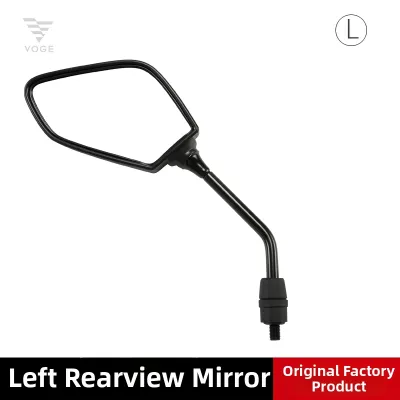
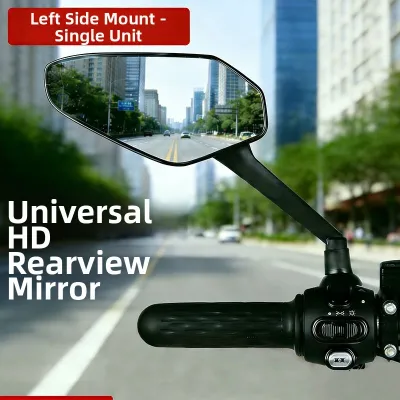
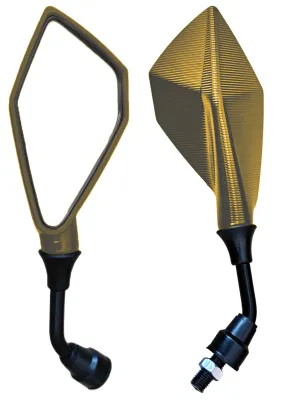
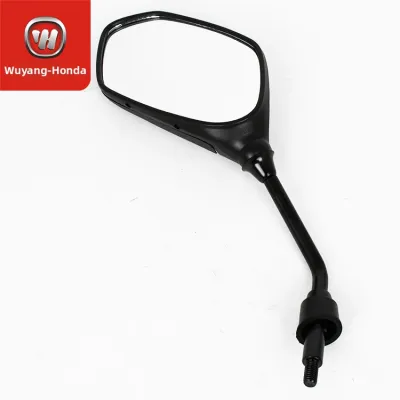
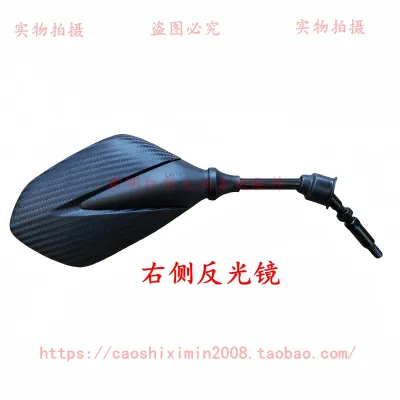
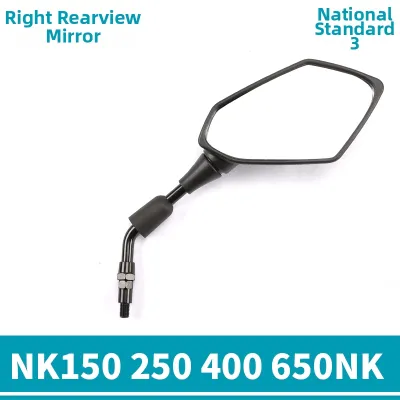
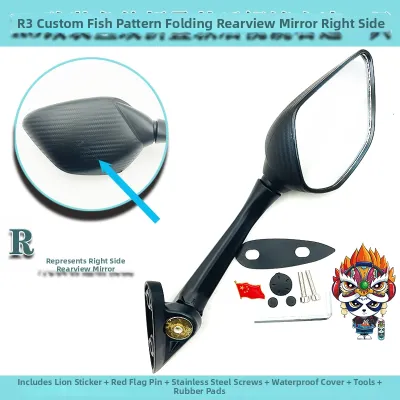
Prices are valid at publication and may change. Please refer to the product page for the latest price.
Structural integrity and mounting stability are equally critical. Mirrors must be securely fastened to the motorcycle’s handlebars or fairings so they do not vibrate excessively, fold inward under wind pressure, or detach while riding. Excessive vibration distorts the reflected image, making it difficult to judge the distance and speed of approaching vehicles. Inspectors will physically test the mirrors to ensure the mounting brackets, stems, and pivot joints are tight and capable of withstanding typical road conditions.
Placement and protrusion limits are strictly enforced to protect both the rider and other road users. Mirrors must be positioned in a way that does not exceed the maximum legal width restrictions of the motorcycle assembly. If a mirror extends too far outward, it poses a hazard to pedestrians, cyclists, and other vehicles, especially when filtering through traffic. The mounting height must also allow the rider to view the mirrors naturally without taking their eyes off the road ahead for an unsafe duration.
Finally, the condition of the reflective surface itself is scrutinized. The mirror glass must be unbroken, free of deep scratches, and devoid of any optical distortion that could misrepresent the position of trailing vehicles. The reflective coating must be intact, with no signs of peeling or desilvering around the edges. Inspectors require a clean, clear, and flat or slightly convex surface that provides an accurate representation of the rear environment under both daytime and nighttime riding conditions.
Common Reasons Motorcycle Mirrors Fail LTA Inspection
One of the most frequent reasons motorcycles fail LTA inspection is the installation of undersized or purely aesthetic aftermarket mirrors. Many custom mirrors available on online marketplaces prioritize minimalist styling over safety, resulting in a reflective surface area that is far too small to meet legal requirements. These compact mirrors severely restrict your field of view, making it impossible to see vehicles in your blind spots. During an inspection, any mirror that does not meet the minimum surface area standards specified for your vehicle type will be rejected immediately.

Specific styles, such as bar-end mirrors, are another common source of inspection failures. While popular for certain custom aesthetics, bar-end mirrors often extend the overall width of the handlebars beyond legal limits, violating protrusion rules. Additionally, because they are mounted lower and further outward than standard mirrors, they can force the rider to look down and away from the road, which inspectors may deem a safety hazard. If the bar-end mirrors obstruct the required field of view or interfere with the rider’s control of the motorcycle, the vehicle will fail the inspection.
Physical damage accumulated through daily riding or minor accidents is a straightforward cause for rejection. Cracked or shattered mirror glass is an automatic fail, as it distorts the reflection and can scatter light dangerously at night. Similarly, loose or stripped mounting stems that allow the mirror to droop or swing freely will not pass. Over time, exposure to Singapore’s humid climate and heavy rain can cause the reflective backing of the mirror to fade, peel, or cloud over, which significantly reduces visibility and leads to an inspection failure.
Unauthorized modifications to the original mounting points, handlebars, or fairing structures to accommodate non-standard mirrors are also heavily scrutinized. Drilling new holes into structural components or using unstable, custom-made brackets can compromise the structural integrity of your motorcycle’s front-end assembly. If an inspector detects that the mounting points have been altered in a way that weakens the handlebars or fairings, or if the mirrors are mounted using insecure, non-standard hardware, the motorcycle will fail.
How to Choose and Verify Compliant Aftermarket Mirrors
When selecting replacement or upgraded mirrors, your first step should be to cross-reference the specifications of the aftermarket parts with your motorcycle’s original equipment manufacturer (OEM) manual and LTA vehicle specifications. The OEM manual provides the baseline dimensions, mounting thread sizes, and placement positions designed specifically for your bike’s model and year. Choosing mirrors that closely match these original specifications minimizes the risk of installation issues and ensures that the replacement parts align with local legal standards.
To ensure high optical quality and structural safety, look for mirrors that carry recognized international safety standard markings, such as ECE, DOT, or JIS. These markings indicate that the mirror has undergone rigorous testing for impact resistance, reflectivity, and field of view. However, while these markings are strong indicators of quality, you must still confirm that the specific mirror design complies with local LTA regulations regarding width and placement on Singapore roads.
If you are planning to install non-standard or custom mirrors, it is highly recommended to consult authorized dealers, LTA-authorized inspection centers, or the LTA directly before making a purchase. These professionals can provide definitive guidance on whether a specific mirror model is acceptable for your motorcycle class. Seeking advice beforehand prevents you from spending money on aftermarket accessories that you will ultimately have to remove and replace before your mandatory inspection.
Always ensure that the selected mirrors match the specific make, model, and year of your motorcycle. Proper fitment is essential for safe operation, as ill-fitting mirrors can interfere with the throttle, brake levers, or clutch operation. For any modifications involving electrical work—such as mirrors with integrated turn signals—or changes to the control structures, always refer to the original-vehicle instructions. To maintain safety and road legality, have these components installed by a qualified professional who can verify that the installation does not compromise the motorcycle’s electrical or mechanical systems.
Pre-Inspection Self-Check Routine for Your Motorcycle Mirrors
Performing a thorough self-check of your motorcycle mirrors before heading to the inspection center can save you time, money, and the hassle of a re-test. Begin with a meticulous visual inspection of the reflective surfaces on both mirrors. Look closely for any hairline cracks, deep scratches, cloudiness, or signs of desilvering around the edges of the glass. If you detect any damage that impairs your view or compromises the structural integrity of the glass, replace the mirror assembly before your scheduled inspection date.
Next, conduct a physical stability test of the mounting joints, stems, and ball sockets. Grasp the mirror firmly and attempt to wiggle it to check for any play or looseness in the fittings. The mirror should be tight enough to hold its position securely, even when subjected to high wind resistance at highway speeds. If the mirror pivots too easily or droops when touched, tighten the mounting bolts or adjust the tension screws. If the internal ball joint is worn out and can no longer hold its position, the entire mirror unit must be replaced.
Sit on your motorcycle in your normal riding posture to perform a seated field-of-view test. Adjust both mirrors so that you have a clear, unobstructed view of the lanes behind you and to your sides. You should be able to monitor traffic with a quick glance, without needing to twist your torso or move your head excessively. Ensure that your shoulders or elbows do not block more than a minor portion of the reflection; if your body obstructs the view, the mirrors may need to be adjusted outward or fitted with compliant stem extenders.
Finally, clean the mirror surfaces thoroughly using an authorized glass cleaner to remove dirt, road grime, and water spots that could obscure your vision. While cleaning, inspect the surrounding fairings, handlebars, and mounting brackets for any sharp edges, loose fittings, or illegal protrusions. Ensure that the mirror installation does not interfere with the full range of motion of your handlebars or block any other safety components, such as your front brake fluid reservoir or turn signals.
Frequently Asked Questions (FAQ)
Are bar-end mirrors legal for motorcycles in Singapore?
Bar-end mirrors can be legal in Singapore, but their compliance depends strictly on whether they meet the LTA’s requirements for field of view, mounting height, and maximum vehicle width. Because bar-end mirrors mount to the very tips of the handlebars, they often cause the motorcycle to exceed the legal width limits, which is a common reason for inspection failure. Additionally, they must be positioned to provide an unobstructed rearward view without forcing the rider to look down dangerously. To avoid failure, verify the specific dimensions and mounting configuration of your bar-end mirrors with an LTA-authorized inspection center before attending your scheduled inspection.
Can I use tinted or colored mirrors to pass the LTA inspection?
To pass the LTA inspection, your motorcycle mirrors must provide a clear, undistorted, and highly accurate reflection of the rear environment. Mirrors with heavy tints, colored glass (such as deep blue, gold, or yellow), or extreme convex shapes are generally not accepted because they reduce light transmission and alter the appearance of vehicles behind you, especially during night riding. While slight anti-glare tints that meet international safety standards may be permissible, any tinting that significantly reduces visibility or distorts colors will result in an inspection failure. It is best to stick to clear, high-quality glass or consult current LTA guidelines before installing tinted mirrors.
Community discussion
Share your experience or ask a question. Comments are reviewed before publication.