
Selecting a vehicle camera in Singapore requires balancing high-definition recording with strict local regulations. While many drivers search for an official compliance stamp on product packaging, the Land Transport Authority does not actually issue individual certification labels for specific dash cam brands or models. Instead, compliance is determined by how the device is designed, where it is physically mounted on your windscreen, and how it is wired into your car’s electrical system.
To ensure your vehicle camera is fully road-legal and safe, you must evaluate its physical dimensions, screen behavior, and installation position. A non-compliant setup can lead to failed vehicle inspections, fines, or even safety hazards during an accident. By understanding the underlying regulations and matching them to Singapore’s unique driving conditions, you can confidently choose a camera that protects your legal interests without compromising road safety.
Understanding LTA Regulations for Vehicle Cameras
The primary regulatory concern for any front-facing vehicle camera is driver visibility. According to LTA guidelines, no aftermarket accessory should obstruct the driver’s direct line of sight or interfere with the safe operation of the vehicle. In practice, this means the camera must be mounted in a position that does not block your view of the road ahead. The ideal location is typically directly behind or adjacent to the rear-view mirror, where the camera body is shielded from your direct field of vision while still capturing a clear view of the road.
Products mentioned in this guide
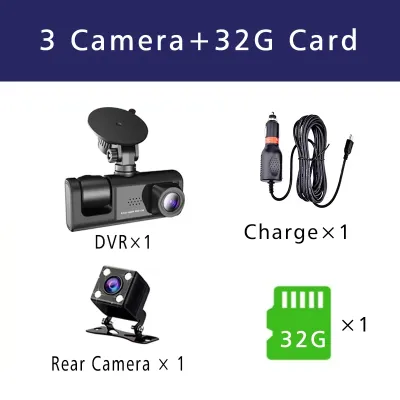
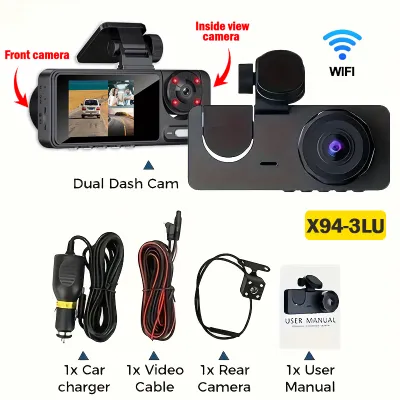
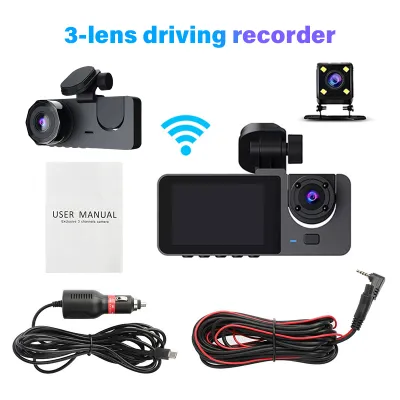
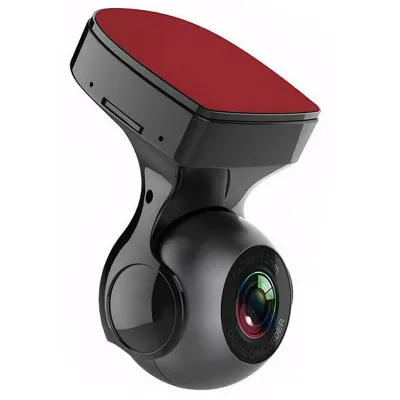
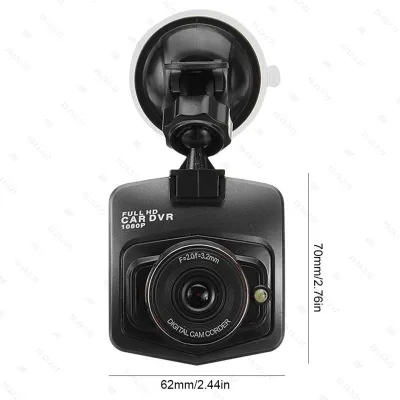
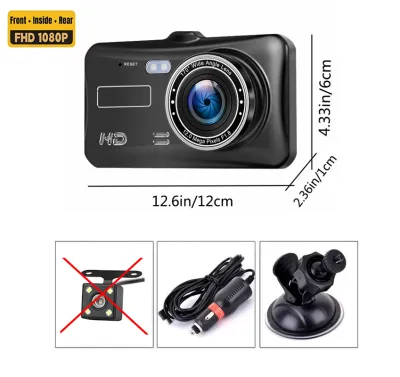
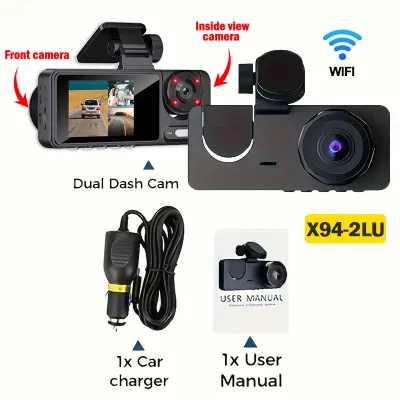
Prices are valid at publication and may change. Please refer to the product page for the latest price.
Another critical physical constraint involves the swept area of your windscreen wipers. While the camera lens needs a clear view—which often requires placing it within the path cleared by the wipers—the mounting bracket and housing must not protrude excessively into this zone. If a vehicle inspector deems that your camera setup significantly compromises your forward vision, you may be required to reposition or remove the device before your vehicle can pass its periodic inspection.
Privacy laws in Singapore also intersect with how you use your vehicle camera, particularly regarding audio recording. Under the Personal Data Protection Act, capturing the voices and personal details of passengers inside the vehicle can be considered a collection of personal data. If you operate a private hire vehicle or regularly carry carpool passengers, recording in-cabin audio or video without explicit consent can violate these privacy guidelines. For personal vehicles, this is less of an issue, but it is still highly recommended to disable internal audio recording or place a clear notification decal in the cabin if you frequently transport guests.
Finally, the design of the camera’s built-in display screen is subject to safety restrictions. If your vehicle camera features an integrated display screen, it must not show active video playback or distracting animations while the vehicle is in motion. LTA regulations aim to prevent driver distraction, meaning any screen on your dash cam should feature an automatic timeout setting. This setting should turn the display off within a few seconds of starting the engine, leaving only a subtle status light to indicate that recording is active.
Essential Features for Singapore Driving Conditions
Singapore’s tropical climate and unique urban layout demand specific hardware capabilities that go beyond basic video resolution. The most critical hardware consideration is the camera’s power source. Cheap or poorly designed vehicle cameras often rely on internal lithium-ion batteries to save footage when the engine is turned off. However, when a car is parked unsheltered under the intense Singapore sun, cabin temperatures can easily rise to extreme levels. Under these conditions, lithium-ion batteries are highly prone to swelling, leaking, or even failing entirely. To prevent these hazards, you should exclusively look for cameras powered by supercapacitors, which are designed to withstand extreme thermal stress and safely shut down the device without degrading.

The local weather also presents severe challenges for optical sensors. Singapore is prone to sudden, torrential downpours that can instantly reduce visibility on expressways. A high-quality vehicle camera must feature a sensor with strong contrast handling and a high frame rate to resolve license plates through heavy sheets of water. Look for lenses with a wide aperture and glass elements rather than plastic, as glass resists warping and clouding when exposed to constant heat and UV radiation.
Night driving on poorly lit slip roads, industrial estates, or within dimly lit multi-storey carparks requires advanced low-light performance. High Dynamic Range or Wide Dynamic Range technology is essential for balancing extreme lighting contrasts. For instance, when exiting a dark carpark into bright daylight, or when your headlights reflect off a highly reflective license plate directly in front of you, these technologies prevent the image from becoming completely blown out or underexposed. This ensures that crucial details remain legible in your footage.
Furthermore, the camera’s field of view should be carefully balanced. While a wider angle captures more of the sides of the road, an excessively wide lens creates a distorted image. This distortion makes vehicles in front of you appear much farther away than they actually are, which can complicate distance estimations during insurance disputes. A field of view between 130 and 140 degrees is generally considered the sweet spot for capturing adjacent lanes without sacrificing forward detail.
How to Build Your Shortlist and Verify Compliance
When compiling a list of potential vehicle cameras, your first step should be verifying the physical dimensions of the device against your car’s windscreen space. Before making a purchase, measure the area behind your rearview mirror and check the manufacturer’s specification sheet for the camera’s exact height, width, and depth. A camera that looks compact in online photos may turn out to be surprisingly bulky once mounted, potentially violating LTA’s line-of-sight restrictions.
You must also exercise caution when evaluating retailer claims. Many online listings on global ecommerce platforms use buzzwords like compliant or approved as mere marketing terms without any official backing. To protect yourself, prioritize purchasing from reputable local distributors or authorized automotive workshops. Buying locally not only ensures that the product is suited for the local climate but also provides you with a valid local warranty. If the camera fails due to heat damage or a firmware glitch, a local warranty allows you to get a replacement quickly without dealing with expensive international shipping.
Storage capacity and recording reliability are equally important when budgeting for your setup. High-definition recording generates massive amounts of data, which means your camera will constantly overwrite older footage. This continuous cycle of writing and erasing puts immense strain on memory cards. You should budget for a high-endurance microSD card specifically rated for continuous dash cam use, rather than a standard card meant for cameras or smartphones. When calculating your total budget, expect to spend between S$150 and S$500 for a reliable mid-to-high-range setup, keeping in mind that professional installation services will add to this cost.
Before finalizing your choice, verify the camera’s interface and power requirements. Some modern vehicles feature sensitive electrical systems or hybrid batteries that require specific voltage regulators to prevent battery drain during parking mode. Always cross-reference the camera’s power specifications with your vehicle’s documentation to ensure compatibility, and avoid any modifications that could compromise your car’s electrical integrity.
Installation Rules and Ongoing Maintenance
Even the most compliant vehicle camera can become a safety hazard or a legal liability if it is installed incorrectly. When mounting the camera, you must ensure that the device and its mounting bracket do not obstruct the deployment paths of your vehicle’s airbags. Many modern cars feature side-curtain airbags stored within the A-pillars. If you route the camera’s power cable directly across these pillars without proper care, a deploying airbag could turn the cable or the camera itself into a dangerous projectile.
To maintain a clean and safe cabin interior, cables should be neatly routed behind the vehicle’s trim panels. While some drivers attempt a DIY installation by plugging the camera into a 12V cigarette lighter socket, a permanent and cleaner setup involves hardwiring the camera to the vehicle’s fuse box. This is especially true if you want to utilize a parking monitoring feature. However, hardwiring requires a deep understanding of your car’s electrical layout. You must refer to your vehicle’s original manual to identify safe fuse slots that do not interfere with critical safety systems. Because of the risks involved in electrical work, we highly recommend having the installation performed by a qualified professional at a reputable automotive workshop.
Once installed, your vehicle camera requires routine maintenance to ensure it functions reliably when you need it most. Get into the habit of formatting your memory card at least once a month. This clears up accumulated corrupted files and extends the lifespan of the card. Additionally, check the camera’s timestamp regularly; Singapore’s timezone must be accurately reflected on the footage for it to be easily admissible in insurance claims or police investigations.
Finally, keep the camera lens and your windscreen clean. A buildup of road grime, dust, or interior haze on the glass directly in front of the lens can severely degrade video quality, rendering night vision features useless. Wipe the lens gently with a microfiber cloth during your regular car cleaning routine, and ensure your wiper blades are in good condition so they effectively clear rain from the camera’s field of view.
Frequently Asked Questions (FAQ)
Can I use a dual-channel vehicle camera with a rear-facing lens?
Yes, you can legally use a dual-channel vehicle camera system in Singapore. The rear-facing camera must be mounted on your rear windscreen in a position that does not obstruct your view through the rearview mirror. Just like the front camera, the rear unit should be compact and positioned high up on the glass. If you are installing an inward-facing cabin camera to record the interior of the vehicle, you must comply with privacy guidelines. For private hire vehicles, this includes displaying prominent notification decals on the windows to inform passengers that recording is in progress.
What happens if my dash cam footage is needed for a police investigation?
If your vehicle camera captures footage that is relevant to a traffic accident or a police investigation, you should extract the video files as soon as safely possible. Avoid leaving the memory card in the camera, as loop recording may overwrite the crucial footage before you can save it. Use a computer or the camera’s companion mobile app to download the unedited, original video files. Do not edit, crop, or alter the video in any way, as modifying the file can compromise its integrity as legal evidence. Ensure your camera’s date and time settings are perfectly synchronized with Singapore time to prevent any disputes regarding when the recorded event occurred.
Community discussion
Share your experience or ask a question. Comments are reviewed before publication.