
Finding the right exhaust system for a Honda CB400 Super Four in Singapore requires balancing performance, aesthetics, and strict legal compliance. As one of the most iconic Class 2A motorcycles on Singapore’s roads, the CB400 has a massive market for aftermarket upgrades. However, navigating the local regulatory landscape is crucial when shopping for cb400 accessories. To remain road-legal, any replacement exhaust must carry official certification from the Land Transport Authority (LTA) or an approved testing body, ensuring it meets specific noise and emission standards.
Navigating LTA Noise and Modification Rules for Motorcycles
The Land Transport Authority (LTA) maintains strict oversight on vehicle modifications to control noise pollution and environmental emissions in Singapore’s highly urbanized environment. If you choose to modify your motorcycle’s exhaust system, you must ensure that the aftermarket part is specifically approved for your vehicle’s make, model, and year. Unapproved exhaust modifications can result in heavy fines, mandatory vehicle inspections, or even de-registration of the motorcycle. Every rider must prioritize compliance to avoid these severe penalties and ensure their motorcycle remains street-legal.
To verify compliance, the exhaust system must bear an approved certification mark or be accompanied by a valid certificate of conformity. In Singapore, approved aftermarket exhausts are typically stamped with a physical identification plate or tag issued by approved workshops or testing bodies. This physical mark proves that the exhaust has undergone rigorous testing at an authorized center to verify that its noise emissions and exhaust gas levels fall within acceptable legal limits. Riding with an exhaust that lacks this physical certification tag is a primary cause of inspection failures and roadside enforcement penalties.
Products mentioned in this guide
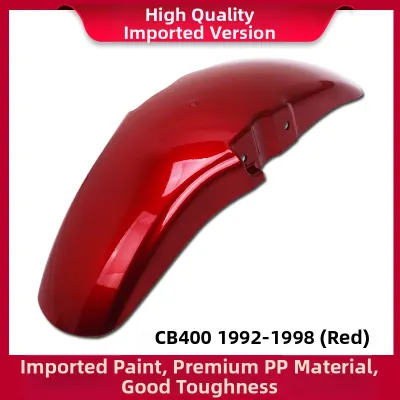
Prices are valid at publication and may change. Please refer to the product page for the latest price.
Because noise and emission regulations are subject to periodic updates, riders must verify the current, specific noise limit thresholds directly on the official LTA website or consult an authorized inspection center like VICOM or STA before making a purchase. In general, the noise level of the modified exhaust must not exceed the noise level of the standard factory exhaust under specified testing conditions. Relying on outdated forum posts or unverified seller claims can lead to costly mistakes, so direct verification with official sources is always the safest path.
A common pitfall among riders is modifying the internal components of an approved exhaust system to alter its sound. Removing the baffle (dB killer), altering the catalytic converter, or modifying the internal silencing packing is strictly illegal under Singapore law. Doing so immediately invalidates the exhaust’s certification, increases noise levels beyond legal limits, and risks severe penalties during routine road blocks or mandatory vehicle inspections. Keeping the exhaust in its factory-certified state is the only way to guarantee ongoing compliance.
Selecting CB400 Accessories: What to Look for in an Exhaust
Fitment and Model Specificity
The Honda CB400 has a rich production history spanning several decades, from the early Project Big-1 models to the VTEC Spec I, II, III, and the fuel-injected VTEC Revo (NC42). When browsing for cb400 accessories like exhaust pipes, you must verify your exact model year and engine generation. A slip-on designed for a carbureted VTEC Spec III will not bolt directly onto a fuel-injected Revo without modification, as the mounting brackets, pipe diameters, and O2 sensor bungs differ significantly. Always cross-reference the manufacturer’s fitment chart with your motorcycle’s chassis number to ensure a perfect match.

Material Considerations
Aftermarket exhausts are generally fabricated from stainless steel, titanium, or carbon fiber. Stainless steel is highly durable, resistant to physical impacts, and relatively affordable, though it is the heaviest of the three materials. Titanium offers an exceptional strength-to-weight ratio and excellent heat dissipation, turning a distinctive blue hue over time, but it comes at a premium price. Carbon fiber is incredibly lightweight and remains cool to the touch, but it requires diligent maintenance to prevent UV degradation and cracking from prolonged exposure to Singapore’s tropical heat and humidity.
Acoustic Profile and Testing
While the characteristic inline-four howl of the CB400 is a major draw for riders, you must evaluate the acoustic profile using manufacturer-provided decibel (dB) ratings. Many reputable brands publish sound level data measured at specific engine speeds (RPM). Keep in mind that real-world sound levels can vary based on your engine’s physical condition, valve clearances, and the surrounding riding environment. A worn engine with poor compression or out-of-spec valves may produce different acoustic characteristics than a factory-fresh unit.
Sensor and ECU Compatibility
Modern CB400 models, particularly the fuel-injected VTEC Revo, rely on an oxygen (O2) sensor mounted in the exhaust system to regulate the air-fuel mixture. When selecting an aftermarket exhaust, you must verify that the pipe includes a dedicated O2 sensor bung in the correct position. Installing an exhaust without this sensor, or failing to properly reinstall the sensor, will trigger an engine warning light and cause the engine to run in a default “limp” mode. Additionally, changing the exhaust flow dynamics may alter backpressure, sometimes requiring an ECU remap or an external fuel controller to prevent lean running conditions that can damage engine valves over time.
Comparing Slip-On Mufflers and Full Exhaust Systems
Slip-On Mufflers
A slip-on muffler replaces only the rear silencer portion of the exhaust system, leaving the factory header pipes and catalytic converter intact. This is the most common upgrade path for CB400 riders in Singapore due to its lower cost and minimal compliance risk. Because the stock emissions control equipment remains untouched, slip-on mufflers are far more likely to pass LTA emission standards during routine inspections. They primarily alter the aesthetic appearance of the rear of the motorcycle and refine the exhaust note without significantly changing the engine’s backpressure or fueling requirements. Installation is straightforward and minimally invasive, though you must still ensure the specific slip-on model is LTA-approved for your specific CB400 sub-model.
Full Exhaust Systems
A full exhaust system replaces the entire assembly from the engine exhaust ports to the rear muffler, including the headers, mid-pipe, and silencer. While a full system offers maximum weight reduction and potential performance gains by optimizing exhaust gas flow, it carries a substantially higher compliance risk in Singapore. Most aftermarket full systems lack a catalytic converter or use high-flow variants that may not meet local emission standards. Removing or bypassing the factory catalytic converter is a direct violation of environmental laws. Furthermore, full systems significantly alter engine backpressure, making professional ECU tuning or fuel remapping mandatory to prevent severe lean conditions, engine hesitation, or long-term mechanical damage. For street-legal riding in Singapore, finding an LTA-approved full exhaust system for the CB400 is extremely difficult, making slip-ons the preferred choice for law-abiding riders.
Safe Installation and Long-Term Maintenance
Professional Installation
Due to the safety implications of exhaust gas leaks and the delicate nature of components like O2 sensors, having your exhaust fitted by a qualified motorcycle technician is strongly recommended. A professional installer will ensure that new exhaust gaskets are used, preventing toxic gas leaks and securing a proper seal. They will also apply the correct torque specifications to the header bolts and mounting brackets, preventing stripped threads on the engine block and ensuring the system does not vibrate loose during operation. Always refer to your motorcycle’s original manufacturer instructions and the exhaust installation manual before beginning any work.
Leak and Clearance Checks
Once the exhaust is installed, a thorough inspection is necessary to verify there are no leaks and that the system has adequate clearance. A simple way to check for leaks is to apply a mild soapy water solution to the joints when the engine is cold, then start the motorcycle and look for bubbling. Additionally, you must verify that the exhaust pipe maintains a safe clearance from critical components such as the rear shock absorber, swingarm, passenger footpegs, and the rider’s legs to prevent heat damage or physical interference during suspension travel.
Routine Inspections
Over time, the constant vibration of the CB400’s inline-four engine can cause exhaust components to loosen. It is good practice to periodically inspect the mounting bolts, rubber hangers, exhaust clamps, and silencer rivets. Look for signs of physical wear, cracking in the brackets, or loose hardware. If you notice any rattling, unusual exhaust noise, or movement in the muffler, address it immediately to prevent dangerous detachment while riding on public roads. Regular inspections help catch minor issues before they become safety hazards.
Cleaning and Care
To maintain the appearance and structural integrity of your exhaust, follow the manufacturer’s specific care instructions. For stainless steel pipes, a specialized metal polish can remove road grime and heat discoloration, but avoid using abrasive scouring pads that can scratch the surface. Carbon fiber mufflers require gentle cleaning with mild soap and water; never use harsh chemical solvents or high-pressure washers directly on carbon fiber, as this can degrade the protective resin coating and lead to premature fraying or cracking of the fibers. Always ensure the exhaust is completely cool before applying any cleaning products.
Frequently Asked Questions (FAQ)
Can I use an aftermarket exhaust without a compliance mark in Singapore?
No, using an aftermarket exhaust without a valid LTA compliance mark or certificate of conformity on public roads in Singapore is illegal. Doing so can result in heavy fines, vehicle inspection failures, and a directive to restore the motorcycle to its stock configuration. Always purchase exhausts from authorized dealers who provide the necessary legal documentation and ensure the physical compliance tag is permanently affixed to the pipe.
Will changing the exhaust affect my CB400's fuel consumption?
A standard LTA-approved slip-on muffler typically has a negligible effect on your CB400’s fuel consumption, as it retains the factory fueling parameters and catalytic converter. However, if you install a full exhaust system or modify the intake and exhaust flow without professional ECU tuning, the engine may run rich or lean. This inefficient combustion not only increases fuel consumption but can also cause engine damage over time.
How do I prepare my modified CB400 for its LTA vehicle inspection?
To prepare for a mandatory vehicle inspection at an authorized center like VICOM or STA, ensure your aftermarket exhaust’s compliance plate is clean and clearly legible. Inspect the entire system for exhaust leaks, loose brackets, or missing baffles. It is highly recommended to visit a reputable motorcycle workshop before your inspection date to perform a pre-inspection check, verifying that both noise levels and exhaust emissions comply with official regulatory standards.
Community discussion
Share your experience or ask a question. Comments are reviewed before publication.