
To find the right car dashcam for Singapore’s roads, you must look beyond basic video specifications and focus on how a device handles local legal limits and environmental challenges. There is no single “best” brand for every driver. Instead, the ideal choice depends on matching a brand’s power design—specifically supercapacitors versus standard lithium-ion batteries—and parking features to your daily parking environment. For instance, a vehicle parked in an open-air lot under intense tropical heat requires a highly heat-tolerant system, whereas a vehicle parked in a sheltered multi-storey car park can safely utilize more basic setups. Additionally, any brand you select must strictly comply with local regulations, meaning it must not feature integrated radar or laser detection hardware, and it must be installed in a way that complies with Land Transport Authority (LTA) windshield placement rules. Premium brands generally offer superior thermal management, advanced parking modes, and reliable cloud connectivity, while value-oriented consumer brands provide excellent plug-and-play functionality for straightforward daily commuting.
Understanding LTA Compliance Rules for Your Car Dashcam
When equipping your vehicle with a car dashcam in Singapore, legal compliance and road safety must be your primary considerations. The Land Transport Authority (LTA) does not maintain an official list of approved dashcam brands, but it enforces strict rules regarding vehicle modifications and accessories to ensure they do not compromise road safety. The first critical rule involves windshield placement. Any aftermarket device mounted on the windscreen must not obstruct the driver’s direct line of sight. To ensure compliance, the camera should be positioned high up, typically behind or adjacent to the rearview mirror. It is also important that the lens sits within the swept area of the windscreen wipers so that rain, road grime, or morning condensation does not obscure the recorded footage, yet it must remain entirely outside your primary forward-facing field of view.
Another crucial legal boundary concerns prohibited features. Under Singapore’s Road Traffic Act, it is strictly illegal to import, possess, or use any device that can detect speed-monitoring technologies, such as police radar or laser speed guns. While many international dashcam models include built-in radar detection sensors or active speed-trap warning systems, these variants are unlawful on local roads. You must ensure that any dashcam you buy does not contain active radar-receiving hardware. Passive, GPS-based speed camera alerts that rely on pre-loaded databases rather than active signal interception are generally acceptable, but you should verify this distinction carefully before purchasing an imported model.
Products mentioned in this guide
![[4K+4K] DDPAI Z90 Master Front 4K & Rear 4K HDR Sony Starvis 2 Series Dash Cam with 4G Connectivity](https://img.lazcdn.com/g/p/1066b3d8e9d2a6914fc4e514db155f17.jpg_400x400q80.jpg_.webp)
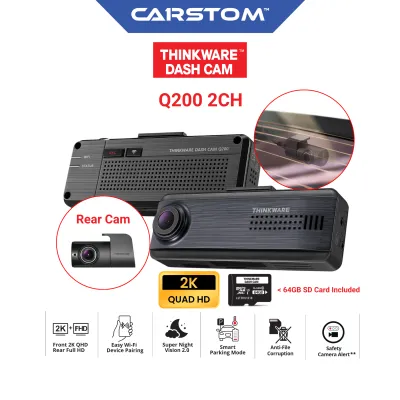
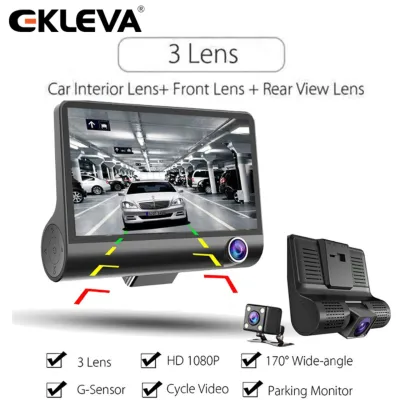
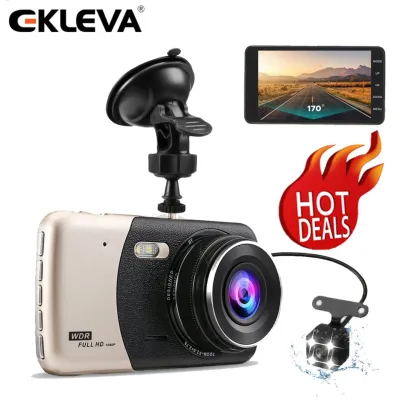
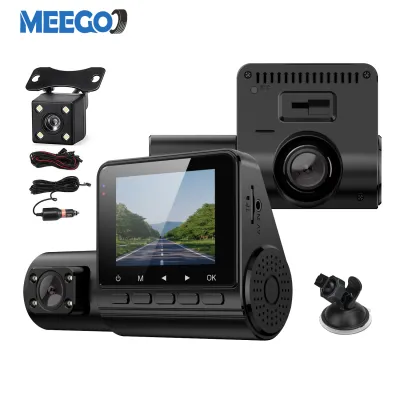
![[SG Local Seller] 7-STAR* Latest Touch Screen 4” inch Car DVR Dashcam Full HD 1080P Car Recorder Camera Dual-lens (Front and Back) 2Ch Driving Data Car Recorder 170° Wide Angle Night-Vision Loop-Recording G-Sensor](https://img.lazcdn.com/g/p/e183a5bd7644cabfd1116b60d588f41b.png_400x400q80.png_.webp)
![[NEW] 70mai A810S Dash Cam 4K Resolution + HDR | 4G Connectivity | Built-in GPS & ADAS | Dual SONY HDR | Supercapacitor](https://img.lazcdn.com/g/p/12b3e825bd363ef619248cedda0ec9fd.jpg_400x400q80.jpg_.webp)
![[NEW] 70mai M800 Dashcam 4K Resolution | 4G Connectivity | Dual-Channel Recording | Night Owl Vision | Built-in Storage](https://img.lazcdn.com/g/p/06967fbd6b007a985e15d1ff701ebb1f.jpg_400x400q80.jpg_.webp)
Prices are valid at publication and may change. Please refer to the product page for the latest price.
Thermal safety is another critical regulatory and practical concern. Singapore’s tropical climate exposes vehicles to extreme heat, particularly when parked in open-air car parks during the afternoon. Under direct sunlight, cabin temperatures can easily exceed 60 degrees Celsius. Standard lithium-ion batteries are highly susceptible to heat degradation, which can lead to swelling, internal short circuits, permanent capacity loss, or even thermal runaway. Consequently, local safety standards and distributor recommendations strongly favor dashcams powered by supercapacitors or certified high-temperature batteries. Supercapacitors do not store energy chemically like batteries do; instead, they hold an electrostatic charge sufficient to safely save the current video file and shut down the camera when the vehicle’s engine is turned off, making them vastly safer and more durable in local weather.
To verify that a dashcam is fully compliant and safe for local use, you should perform several quick checks before buying. First, confirm whether the device has been registered with the Info-communications Media Development Authority (IMDA), which is required for any equipment utilizing wireless frequencies like Wi-Fi or cellular LTE. Purchasing from an authorized local distributor is the most reliable way to ensure the device meets these standards, as local distributors typically handle the necessary compliance testing and provide valid local warranties. Avoid buying unbranded or grey-import models that lack clear manufacturer compliance statements or local warranty support, as these models may not have been adapted for Singapore’s high-temperature environment.
Core Dimensions for Comparing Dashcam Brands
Evaluating different dashcam brands requires looking past basic marketing claims and analyzing specific technical dimensions that directly impact daily usability, legal compliance, and long-term durability. The first dimension to assess is video resolution and sensor quality. While many brands advertise high resolutions like 4K, the actual clarity of the footage depends heavily on the image sensor and image processing algorithms. A high-quality sensor, such as those in the Sony STARVIS series, is essential for capturing legible license plates and road signs, especially during night driving on poorly lit roads or inside dark multi-storey car parks. High dynamic range (HDR) capabilities are also critical, as they prevent the camera from being blinded by the headlights of oncoming traffic or sudden changes in lighting when entering or exiting tunnels.

Power management and parking mode functionality represent the second major dimension. If you want your camera to record footage while your vehicle is parked—such as to capture hit-and-run incidents in crowded car parks—you must evaluate how the brand manages electrical power. Parking mode typically requires hardwiring the dashcam to the vehicle’s fuse box or connecting it to a dedicated external dashcam battery pack. When hardwired, the camera relies on a low-voltage cutoff mechanism to monitor the car’s main 12V battery. If the battery voltage drops below a pre-set threshold (such as 11.8V or 12V), the system must automatically cut power to the dashcam to prevent draining the car’s battery and leaving you stranded. You should compare how different brands implement these cutoff thresholds and whether they offer adjustable settings to suit different vehicle types.
The reliability of the app ecosystem and cloud connectivity is another key differentiator. Most modern dashcams do not have screens, meaning you must rely on a smartphone application to adjust settings, view live feeds, and download recorded clips. A poorly designed app with slow Wi-Fi transfer speeds can make retrieving footage during a roadside dispute incredibly frustrating. Premium brands often offer dual-band Wi-Fi (2.4 GHz and 5 GHz) for faster transfer rates, alongside robust cloud features that automatically upload critical event clips to remote servers via an active internet connection. If you require real-time parking notifications or remote live-viewing, you will need to compare the subscription costs, cellular compatibility, and local server response times of each brand’s cloud service.
Finally, physical build quality and heat tolerance must be evaluated. The housing of the dashcam should be constructed from high-grade, heat-resistant plastics that do not warp or emit toxic fumes when exposed to intense sunlight. Internal components must also be engineered to withstand prolonged heat exposure. Brands that prioritize durability often design their units with extensive ventilation grilles, internal heat sinks, and automatic thermal shutdown features that temporarily turn off the camera if internal temperatures reach unsafe levels, thereby protecting the delicate image sensor and processor from permanent damage.
How Different Brand Categories Approach Compliance and Value
Premium and Professional Brands
Premium and professional dashcam brands focus on delivering high-end performance, advanced surveillance features, and exceptional long-term reliability. These brands almost exclusively utilize high-quality supercapacitors instead of standard lithium-ion batteries, ensuring maximum safety and durability under Singapore’s harsh sun. They typically feature dual-channel (front and rear) or even triple-channel setups with high-resolution sensors, advanced low-light processing, and sophisticated parking modes like buffered event recording, which saves footage from a few seconds before an impact is detected.
From a compliance perspective, premium brands are highly reliable because they are usually imported and distributed by established local agents who work closely with regulatory bodies. These distributors ensure that the models sold locally are fully compliant with IMDA wireless standards and do not contain illegal radar-detection hardware. Furthermore, these brands provide detailed, localized documentation and robust warranty support, giving you peace of mind that your investment is protected. While the initial purchase price is significantly higher, often exceeding S$300 or S$400, the combination of advanced heat dissipation, reliable parking mode, and comprehensive local support makes them the preferred choice for drivers who park outdoors frequently and require uncompromising 24/7 surveillance.
Consumer and Value-Oriented Brands
Consumer and value-oriented brands cater to drivers who want reliable, straightforward video recording without a premium price tag. These brands excel at providing compact, discreet form factors that fit easily behind the rearview mirror, user-friendly mobile applications, and built-in GPS logging for speed and route tracking. They offer excellent plug-and-play value, often operating via a simple connection to the vehicle’s 12V cigarette lighter port, making them highly accessible for daily commuters who only need recording while driving.
However, choosing a value-oriented brand requires a higher level of vigilance from the buyer regarding compliance and safety. Because many of these brands target a global market, some of their models may still use cheaper lithium-ion batteries, which pose safety risks if left in a hot car parked under the sun. Additionally, some regional variants sold on international ecommerce platforms might include active radar-alert hardware or other features that violate local LTA regulations. To remain compliant, you must carefully verify the power source and technical specifications of the specific model you plan to buy. When properly selected—focusing on models that use supercapacitors and lack prohibited features—these value-oriented brands offer outstanding cost-effectiveness, especially for drivers who primarily park in sheltered HDB or office car parks.
Feature and Value Comparison Matrix
To help you quickly compare the two primary categories of dashcam brands available in the local market, the following matrix summarizes how they stack up across key technical and practical criteria.
| Brand Category | Typical Power Source | Parking Mode Reliability | App/Cloud Ecosystem | Estimated Value Tier |
|---|---|---|---|---|
| Premium / Professional | Supercapacitor | High (Buffered recording, low-voltage cutoff, optional external battery compatibility) | Advanced (Dual-band Wi-Fi, remote cloud storage, real-time notifications) | S$300 to S$600+ |
| Consumer / Value | Supercapacitor or Lithium Battery (Verify before buying) | Moderate (Basic voltage cutoff, often requires separate hardwiring kit) | Standard (Single-band Wi-Fi, local app storage, no remote cloud) | Under S$150 to S$250 |
When reviewing these categories, remember that the estimated value tier reflects the total cost of ownership, which may include professional installation and optional accessories like high-endurance memory cards or external battery packs.
Decision Framework: Choosing the Right Dashcam
To finalize your decision, you should map your specific driving habits, parking environment, and budget against the strengths and limitations of each brand category.
- Choose a premium supercapacitor brand if: You frequently park your vehicle outdoors in direct sunlight, require reliable 24/7 parking surveillance, and prioritize long-term durability. These systems are engineered to handle the extreme thermal stress of Singapore's climate while providing advanced features like buffered parking recording and remote cloud alerts that ensure your vehicle is monitored even when you are away.
- Choose a consumer/value brand if: You primarily park in shaded or indoor multi-storey car parks, prefer a simple plug-and-play installation, and only require video recording during your daily commute. These compact devices provide clear footage and easy app access at a fraction of the cost, making them highly practical for straightforward driving scenarios.
- Verify first if: The specific model uses a lithium-ion battery. If you plan to leave your car parked in hot, open-air environments, you should avoid battery-powered models entirely and select a supercapacitor-equipped alternative. Additionally, double-check that the device does not include any active radar-detection hardware, as using such features is illegal and can lead to severe penalties under local traffic laws.
- Neither may fit if: The brand or model lacks a local distributor warranty or official IMDA compliance documentation. Buying unverified grey-market imports may save you money initially, but it leaves you without recourse if the device fails due to heat stress, and it increases the risk of accidentally installing non-compliant hardware on your vehicle.
Safe Installation and Maintenance Boundaries
Proper installation and regular maintenance are just as important as choosing the right brand to ensure your dashcam remains compliant and functions reliably when you need it most. When positioning the camera, always verify that it is mounted high on the windshield, within the sweep path of the wipers, and completely outside your direct line of sight. Crucially, make sure that neither the camera body nor its power cables cross any SRS airbag deployment zones, particularly along the A-pillars or side curtain areas, as loose wires can interfere with airbag inflation during an accident.
If you choose a dashcam with parking mode, the system must be hardwired to your vehicle’s electrical system. Because improper fuse box connections can lead to electrical faults, battery drain, or even void your vehicle’s factory warranty, you should refer to your car’s manufacturer guidelines and the dashcam’s official manual. To ensure safety and preserve your warranty, having the system installed by a qualified automotive professional is highly recommended.
Lastly, establish a routine maintenance schedule. Dashcams write data continuously, which subjects microSD cards to intense wear and tear. You should inspect and format your high-endurance memory card every two to four weeks according to the manufacturer’s instructions, and replace it immediately if you notice corruption errors. Additionally, check the physical adhesive mount periodically; Singapore’s high humidity and heat can degrade the double-sided tape over time, and replacing worn adhesive promptly will prevent the camera from falling and creating a dangerous distraction while you are driving.
Community discussion
Share your experience or ask a question. Comments are reviewed before publication.