
Quick Answer: What Defines the Best Value 4K Dash Cam?
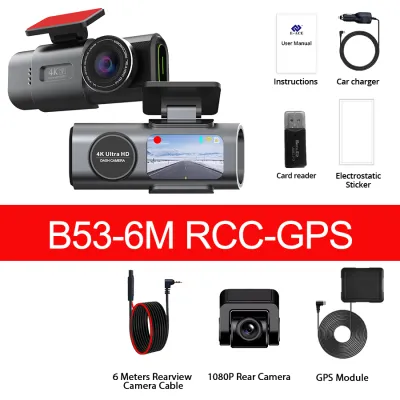
To find the best value 4k dash cam in Singapore, you must look beyond the price tag and focus on a balance of true ultra-high-definition resolution, thermal durability, and strict regulatory compliance. A cheap camera that fails under the tropical sun or gets flagged during a vehicle inspection is a poor investment. For Singaporean motorists, “best value” means a device that delivers undeniable video evidence when needed, operates safely in extreme cabin heat, and complies fully with local road safety laws.
Rather than chasing bloated feature lists or inflated marketing specifications, savvy drivers prioritize three foundational pillars: genuine native 4K sensors, supercapacitor-based power systems, and verified local warranty support. A high-quality dual-channel setup that captures both front and rear traffic clearly is generally considered the sweet spot for daily commuters. By focusing on these core elements, you can avoid the common pitfalls of cheap online purchases and secure a reliable system that protects your insurance interests and your wallet.
LTA Compliance: Legal Mounting and Safety Rules
Operating a vehicle in Singapore requires strict adherence to the Land Transport Authority (LTA) rules, and this extends directly to how you install your 4k dash cam. The LTA prioritizes road safety and driver visibility, meaning that any aftermarket accessory must be positioned carefully to avoid obstructing your field of vision.
Products mentioned in this guide
![[4K+2K] DDPAI N5 Pro 4K + 2K HDR GPS Front & Rear Super Capacitor Dash Cam with 4G Connectivity & ADAS](https://img.lazcdn.com/g/p/10b6f741dd18f9bd833586895c1a69a8.jpg_400x400q80.jpg_.webp)
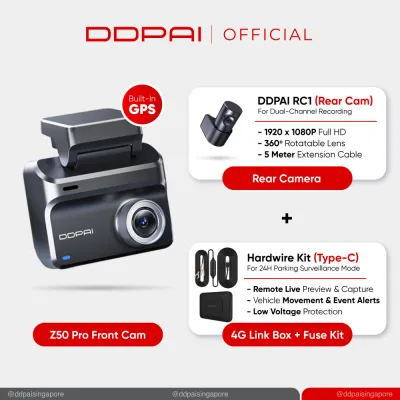
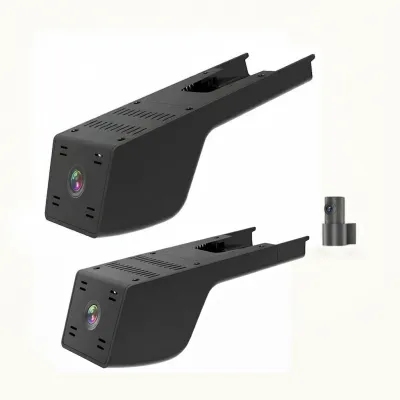
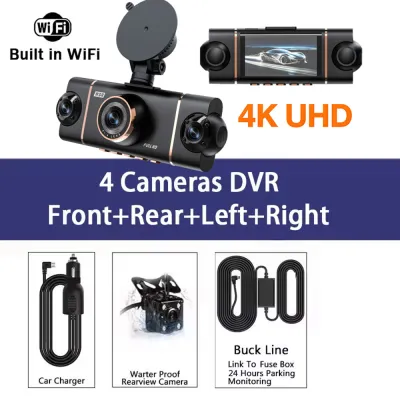
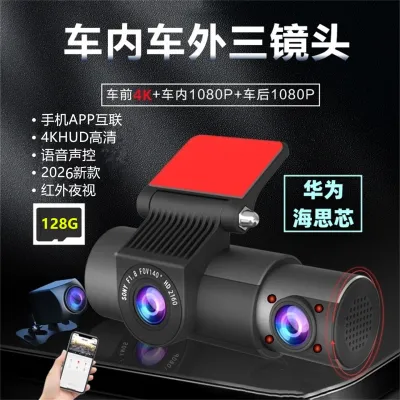
Prices are valid at publication and may change. Please refer to the product page for the latest price.

The primary legal requirement dictates that the camera must be mounted within the swept area of the windscreen wipers but positioned in a way that does not block the driver’s direct line of sight. The most common and compliant mounting location is directly behind or adjacent to the internal rearview mirror. This positioning keeps the device out of your immediate field of vision while allowing the lens to capture a clear, unobstructed view of the road ahead. Cables must be neatly tucked away and secured; loose, hanging wires are not only an aesthetic nuisance but can also be flagged as a safety hazard during periodic vehicle inspections.
Furthermore, Singapore’s regulations restrict the use of active screens that could distract the driver. If your dash cam features an integrated LCD screen, it must be configured to turn off automatically after a short period (usually 30 seconds to a minute) once the vehicle is in motion. Having a live video feed constantly playing within the driver’s line of sight is a safety hazard and may violate local traffic safety guidelines.
Beyond mounting positions, safety compliance involves the internal engineering of the camera itself. Singapore’s tropical climate presents a unique challenge: vehicles parked in open-air HDB carparks or outdoor industrial estates can experience internal cabin temperatures exceeding 60°C. Under these extreme conditions, dash cams powered by traditional lithium-ion batteries pose a severe risk of swelling, leaking, or even catching fire. To ensure safety and compliance with general vehicle safety standards, you should only select models powered by supercapacitors. Supercapacitors are designed to withstand extreme temperatures, ensuring the camera shuts down safely and preserves the final video file without the risk of thermal runaway.
Core Comparison Dimensions for a 4K Dash Cam
Evaluating different brands for local road and weather conditions requires looking past generic marketing labels. To find a truly reliable device, you must analyze three critical technical dimensions: video authenticity, thermal durability, and low-light performance.
True 4K Resolution vs. Interpolated Video
Many budget-friendly cameras advertised on e-commerce platforms claim “4K” resolution, but they often utilize cheap 1080p or 2K sensors that upscale the image digitally. This process, known as interpolation, stretches the pixels to fit a 4K canvas (3840 x 2160 pixels) without adding any actual detail. The resulting footage looks blurry when zoomed in, making it impossible to read license plates or vehicle decals when it matters most.
To verify a true 4k dash cam, you must check the physical image sensor specifications provided by the manufacturer. High-end, native 4K systems typically use advanced sensors such as the Sony STARVIS 2 series (for example, the IMX678 sensor). These sensors possess a native physical pixel count of approximately 8.29 megapixels, ensuring that every frame captures genuine, uncompressed detail.
Additionally, you must consider the recording bitrate and frame rates. A high-resolution video requires a high bitrate (measured in Megabits per second, or Mbps) to prevent compression artifacts, especially when driving at speed on expressways like the Pan Island Expressway (PIE) or Ayer Rajah Expressway (AYE). Look for cameras that offer a bitrate of at least 25 to 30 Mbps for the front channel. While higher bitrates consume more memory card space, they are essential for ensuring that fast-moving details remain crisp and legible under forensic analysis.
Heat Resistance and Power Management
Thermal durability is the single most critical factor determining the lifespan of your dash cam in Singapore. As mentioned, supercapacitor-based models are the industry standard for hot climates. Unlike lithium batteries, which degrade rapidly and lose capacity when exposed to heat, supercapacitors use electrostatic fields to store energy. This allows them to operate reliably year after year in high-temperature environments.
If you plan to use parking surveillance mode to monitor your vehicle while it is parked at shopping malls or HDB estates, power management becomes a vital consideration. To run parking mode, the dash cam must be hardwired to the vehicle’s fuse box or connected to a dedicated external dash cam battery pack.
When hardwiring directly to the car’s starter battery, you must use a smart hardwiring kit equipped with an adjustable low-voltage cutoff feature. This safety mechanism monitors the car battery’s voltage and automatically cuts power to the dash cam if the voltage drops below a safe threshold (typically 12.0V or 12.2V for a standard 12V lead-acid battery). This prevents the dash cam from completely draining your car battery, ensuring you are never stranded with a dead engine.
Night Vision and Local Lighting Conditions
Driving in Singapore involves navigating a complex mix of lighting environments. You may transition rapidly from the bright, overhead LED streetlights of the Central Business District to the highly reflective, intensely lit Electronic Road Pricing (ERP) gantries, or enter deep, dimly lit tunnels like the Marina Coastal Expressway (MCE).
To handle these sudden transitions and the glare from oncoming high-intensity headlights, a high-quality camera must feature robust High Dynamic Range (HDR) or Wide Dynamic Range (WDR) technology. HDR works by taking multiple exposures of the same frame—one optimized for dark areas and one for bright highlights—and combining them in real-time. This prevents the “white-out” effect where a license plate becomes completely illegible due to your own headlights reflecting off it, or when exiting a dark tunnel into bright afternoon sunlight. When evaluating brands, prioritize those that offer hardware-level HDR on both the front and rear cameras, rather than basic software-level WDR adjustments.
Price Tiers and Value Assessment in Singapore
When shopping for a 4k dash cam in the local market, understanding the relationship between cost and feature sets will help you avoid overpaying for gimmicks or underpaying for unreliable hardware. Prices generally fall into three distinct tiers.
Entry-Level 4K Systems (S$120 to S$200) At this price point, you will typically find single-channel (front-only) systems or basic dual-channel setups from budget-focused brands. While they may offer genuine 4K resolution on the front camera, they often compromise on secondary features. You can expect basic supercapacitor power and standard Wi-Fi connectivity, but advanced parking modes, high-end night vision sensors, and physical screen-less designs are rare. These systems are ideal for drivers who primarily want reliable daytime recording and do not require extensive parking surveillance.
Mid-Range 4K Systems (S$200 to S$400) This tier represents the sweet spot for the vast majority of Singaporean car owners. In this range, you will find dual-channel systems (4K front and 1080p or 2K rear) equipped with premium Sony STARVIS sensors. These models feature excellent HDR processing, highly reliable dual-band Wi-Fi (allowing fast video downloads to your smartphone), and advanced parking surveillance modes (such as time-lapse or motion detection). They are built with robust heat-resistant housings and reliable supercapacitors, making them highly durable under local weather conditions.
Premium 4K Systems (S$400 to S$800+) Premium systems are designed for drivers who demand the absolute highest level of security and connectivity. These models often feature dual 4K or 4K/2K configurations, built-in LTE connectivity (requiring a separate SIM card), and cloud-based features. With a cloud-connected system, you receive instant push notifications on your phone if your parked car is bumped, and you can view live footage remotely from anywhere in Singapore. These systems also include advanced GPS logging, driver assistance systems (ADAS), and extended manufacturer warranties.
Avoiding the Pitfalls of Cheap Online Alternatives It is highly advisable to avoid ultra-cheap “4K” models sold on generic e-commerce platforms that lack local representation. These devices frequently use misleading specifications, contain dangerous lithium-ion batteries, and offer no recourse if the unit fails. Purchasing from authorized local distributors in Singapore ensures that you receive a valid local warranty (typically 12 to 24 months), access to firmware updates tailored to local GPS networks, and reliable after-sales support at physical service centers.
Decision Framework: Which Brand Profile Fits You?
To determine which brand profile offers the best value for your specific driving habits, consider the following scenarios and matching profiles.
- Choose a Premium Cloud-Connected Brand if: You drive a luxury vehicle, a commercial fleet vehicle, or engage in active ride-hailing services where real-time security is paramount. You frequently park in high-risk, open-air, or unfamiliar parking lots and want immediate mobile alerts if an incident occurs. You want the peace of mind of automatic cloud backups, ensuring that even if the physical dash cam is stolen or damaged in an accident, your video evidence is safely stored online.
- Choose a Mid-Range Local-Favorite Brand if: You are a daily commuter looking for the best balance of video quality, long-term reliability, and upfront cost. You want excellent 4K video evidence to protect yourself against insurance disputes on busy expressways but do not want to pay for ongoing cloud subscription fees. You require reliable 24-hour parking monitoring using a hardwired setup but are content with downloading footage locally via a fast Wi-Fi connection when you get into the car.
- Choose an Entry-Level 4K Brand if: You only drive occasionally, such as on weekends, or own a rental or short-term lease vehicle where complex hardwiring is not feasible. You park almost exclusively in secure, sheltered multi-storey car parks (MSCPs) where parking surveillance is less of a priority. You want high-resolution front-facing protection without spending a significant amount of money upfront.
- Verify First Before Purchasing: Regardless of the tier you choose, always verify that the brand or local seller explicitly confirms compliance with LTA mounting guidelines. Check that they provide a physical service center address in Singapore. A local warranty is only as good as the physical office you can visit to resolve issues; shipping a defective unit back overseas can take weeks and leave you unprotected on the road.
Installation and Long-Term Maintenance
Acquiring a high-quality 4k dash cam is only the first step; proper installation and routine maintenance are essential to ensure the system functions reliably when you need it most.
The Importance of Professional Installation While basic front-facing cameras powered by a 12V cigarette lighter socket can be self-installed, any dual-channel setup or hardwired parking mode system should be installed by a qualified professional. Modern vehicles feature complex electrical architectures, sensitive onboard computers, and multiple airbag systems. Improper routing of the rear camera cable can block the deployment of side curtain airbags located in the A, B, or C-pillars, posing a severe safety risk to passengers. Furthermore, splicing into the wrong fuses can void your vehicle’s manufacturer warranty or lead to electrical faults. A professional installer will route cables safely behind the airbag modules, use proper fuse taps, and configure the low-voltage cutoff limits according to your vehicle’s specific battery type. Always consult your vehicle’s owner manual and seek professional assistance before attempting any electrical modifications.
Routine Maintenance and Memory Card Care Recording continuous 4K video generates an immense volume of data and subjects the storage media to constant write cycles. Standard microSD cards are not designed for this level of stress and will fail rapidly under the heat and continuous write demands of a 4k dash cam. To prevent recording failures, you must use high-endurance microSD cards rated for continuous dash cam use (look for cards utilizing high-quality NAND flash, rated as UHS Speed Class 3 or Video Speed Class 30). Additionally, establish a regular maintenance routine:
- Format the MicroSD Card Monthly: This clears accumulated write errors and prevents file corruption. Most modern dash cams allow you to format the card directly through their smartphone app or via a physical button on the unit.
- Clean the Camera Lenses: Periodically wipe the front and rear lenses with a clean microfiber cloth to remove dust, fingerprints, and windshield haze.
- Inspect the Adhesive Mount: Singapore’s intense heat can degrade the double-sided adhesive tape over time. Check the mount periodically to ensure it remains securely bonded to the glass, preventing the camera from vibrating or falling while driving.
- Verify Footage Regularly: Every few weeks, download a few clips to your phone to ensure that the camera is recording correctly, the date and time are synchronized, and the parking mode triggers are functioning as expected.
Community discussion
Share your experience or ask a question. Comments are reviewed before publication.