
When shopping for a 4-channel car dash cam in Singapore, you will quickly find that the Land Transport Authority (LTA) does not issue a list of officially approved brands. Instead, compliance is entirely determined by how the system is installed, where the individual cameras are positioned, and how you manage the recorded data. A 4-channel system—which typically records the front, rear, cabin interior, and left and right sides of the vehicle—must be carefully selected and configured to ensure it does not compromise road safety or violate local privacy laws.
For drivers in Singapore, navigating these requirements is crucial to passing periodic vehicle inspections and ensuring that recorded footage remains legally admissible in the event of an accident. Because 4-channel systems require more wiring, larger physical components, and interior-facing lenses, they face higher regulatory scrutiny than standard front-and-rear setups. Understanding the intersection of hardware design, installation safety, and local regulations is the key to choosing a system that keeps you protected without running afoul of the law.
Core LTA Compliance Rules for Dash Cams
The primary regulatory concern regarding aftermarket dash cams in Singapore is driver visibility. According to LTA guidelines, any aftermarket accessory mounted on the windshield must not obstruct the driver’s direct line of sight or interfere with the safe operation of the vehicle. This means the front camera must be positioned outside the critical viewing zone, typically high up behind the rearview mirror, and must not block a significant portion of the windshield swept by the wipers.
Products mentioned in this guide
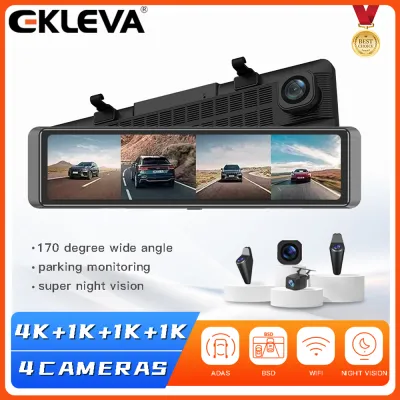
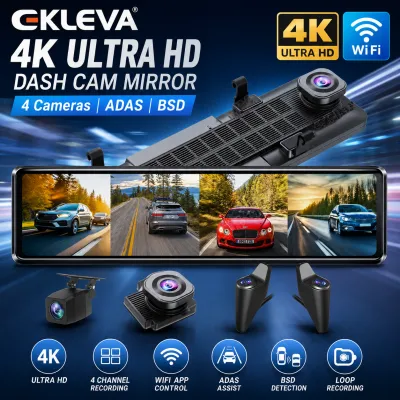
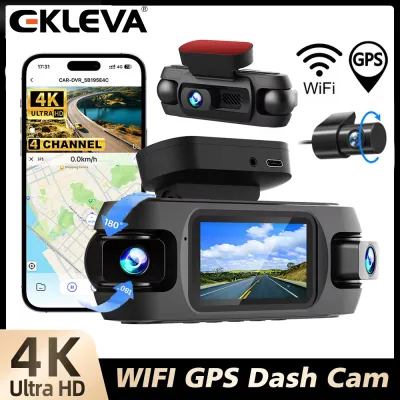
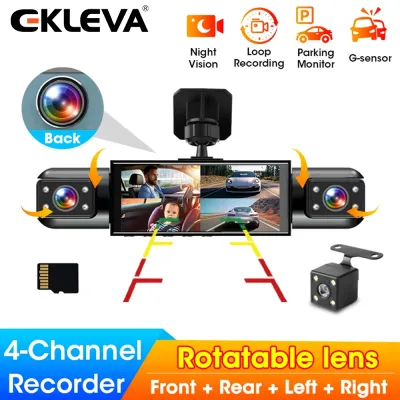
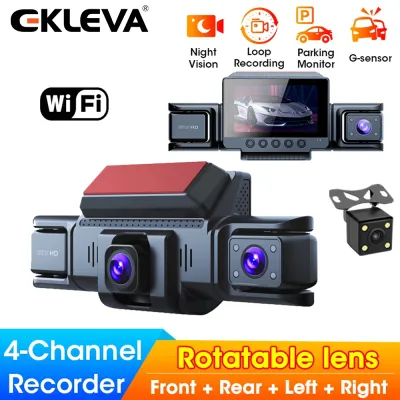
Prices are valid at publication and may change. Please refer to the product page for the latest price.
Privacy and audio recording are also heavily regulated under the Personal Data Protection Act (PDPA) and general transport guidelines. If you use your vehicle for commercial purposes, such as private hire services (PHVs) or taxis, you must comply with strict LTA regulations regarding inward-facing passenger service cameras (IPSCs). These rules require the use of specific LTA-approved camera models, installation at authorized centers, and the prominent display of notification decals to inform passengers that recording is in progress. For private car owners, while you do not need an LTA-approved model for inward recording, you must still respect passenger privacy and avoid sharing interior footage publicly without consent.
It is important to distinguish between a manufacturer’s compliance claims and the actual vehicle-specific installation reality. A brand may advertise its 4-channel system as “fully compliant,” but if the physical size of the front camera blocks your view due to a low roofline or a steep windshield rake, the setup is non-compliant. Compliance is an operational and installation responsibility that rests on the vehicle owner, not a universal certification stamped on the product box.
Hardware Checks for 4-Channel Compliance
Before purchasing a 4-channel system, you must evaluate the physical footprint of the main and secondary cameras. The front camera is often the largest component because it houses the main processor, GPS module, and sometimes a display screen. For compliance, look for compact, screenless designs or modular systems where the camera lens is separated from the main recording unit. This allows you to mount a tiny lens on the windshield while hiding the bulky processing box in the glove compartment or under the seat, minimizing windshield clutter.

Secondary cameras, particularly the cabin and side-facing units, require careful physical assessment. The cabin camera should be small enough to mount near the rearview mirror without hanging down into your field of view. If the system includes external side cameras, they must be designed to mount flush against the vehicle body, typically under the side mirrors. These external units must not have sharp edges or protrude past the maximum width of your side mirrors, as excessive protrusions can pose a hazard to cyclists and pedestrians and will fail LTA inspections.
Cable management is another critical safety factor for 4-channel setups. Running four separate camera feeds back to a central unit requires extensive wiring. If these cables are poorly routed, they can hang loose, creating visual distractions or physically interfering with your control of the vehicle. More importantly, improperly routed cables can block the deployment paths of side curtain airbags. Ensure the hardware you choose uses thin, high-quality coaxial or flat cables that can be tucked securely behind the vehicle’s interior trim panels.
Finally, check for built-in privacy features that help you manage passenger expectations. Look for systems that feature physical lens covers for the interior camera, a dedicated physical button to quickly mute the microphone, or prominent LED indicators that show when the camera is actively recording. These hardware features make it easy to respect passenger privacy on demand without needing to navigate complex software menus while driving.
How to Shortlist Compliant 4-Channel Brands
When comparing 4-channel dash cam brands, your first step should be to prioritize manufacturers that offer compact, modular camera designs. If your vehicle has a small windshield, a steep rake, or limited mounting space behind the rearview mirror, brands that separate the camera lens from the main body are highly preferable. This design ensures you can position the front camera high enough to remain completely out of your primary line of sight while still capturing a clear view of the road.
Next, look for brands that offer robust software flexibility regarding privacy settings. A compliant-friendly brand will allow you to toggle individual channels on or off via a mobile app or the device menu. For example, you should be able to disable the cabin camera or mute the audio recording entirely while keeping the front, rear, and side cameras active. This level of control is essential if you frequently carry passengers, share rides, or use your vehicle for hire, as it allows you to adapt the system’s operation to meet local privacy expectations.
Additionally, verify if the brand provides vehicle-specific mounting kits, low-profile adhesive mounts, or professional installation partnerships in Singapore. Because 4-channel systems require complex wiring and integration with your vehicle’s electrical system, professional installation is highly recommended. Brands that partner with established local workshops ensure that the system is installed using proper fuse taps, that wires are routed safely away from airbag deployment zones, and that the cameras are positioned in accordance with LTA visibility guidelines.
Installation and Setup Checklist for Compliance
To ensure your 4-channel dash cam remains fully compliant after purchase, follow this structured installation and setup checklist:
- Map the Front Windshield Zone: Sit in the driver's seat and identify the area behind the rearview mirror. Mount the front camera high up on the passenger side of the mirror, ensuring it sits within the swept area of the windshield wipers (for clear rainy-day footage) but does not extend down into your primary field of view.
- Position the Rear Camera: Mount the rear camera high on the rear windscreen, centering it to capture a balanced view of the road behind. Ensure the camera and its cable do not obstruct your view through the rearview mirror.
- Configure the Cabin Camera: Adjust the angle of the interior camera to focus on the cabin space. Avoid angling it too far to the sides, which could capture detailed views of private properties or pedestrians outside the vehicle windows.
- Mount External Side Cameras Flush: If your system uses external side cameras, mount them securely under the side mirrors. Ensure they are flush against the body and do not protrude past the outer edges of the mirrors.
- Route Cables Safely: Run all cables behind the vehicle's interior trim panels. Use a trim tool to tuck wires securely, and ensure they do not cross over airbag covers or hang loose near the pedals or steering column.
- Set Up Privacy Defaults: Configure the system's software to match your daily usage. If you frequently carry passengers, consider setting the microphone to "off" by default or displaying a small, polite notice in the cabin indicating that video recording is active for safety.
If your installation requires hardwiring the system to the vehicle’s fuse box for parking mode, always refer to your vehicle’s owner’s manual to identify safe, non-critical fuses to tap into. Never tap into fuses related to critical safety systems like airbags, braking, or engine management. If you are unsure about fuse ratings, airbag deployment paths, or potential interference with your vehicle’s advanced driver assistance systems (ADAS), stop the installation immediately and consult a qualified automotive electrician or a professional installation center.
Frequently Asked Questions (FAQ)
Do I need to declare my 4-channel dash cam to the LTA or insurance?
For private passenger cars in Singapore, there is no requirement to register or declare a standard aftermarket dash cam to the LTA, provided it is installed safely and does not obstruct your view. However, if you drive a private hire vehicle (PHV) or a commercial vehicle and intend to use an inward-facing camera, you must comply with specific LTA regulations, which include using approved camera models and registering the installation. Regarding insurance, while most insurers do not require you to declare a standard dash cam, it is highly recommended to inform them, as some providers offer premium discounts for vehicles equipped with functional recording systems, while others may want to verify that the hardwiring was done professionally.
Are exterior-facing side cameras legal on private cars in Singapore?
Exterior-facing side cameras are generally legal on private cars in Singapore, provided they meet strict safety and physical mounting criteria. They must be securely attached to the vehicle to prevent them from detaching at high speeds, and they must not have sharp edges or protrude past the maximum width of the vehicle’s side mirrors. Because the LTA strictly regulates external vehicle modifications, any camera that alters the vehicle’s aerodynamic profile or poses a snagging hazard to pedestrians is non-compliant. It is highly recommended to have external side cameras installed by a professional workshop that can ensure the mounting method complies with current LTA safety guidelines.
Community discussion
Share your experience or ask a question. Comments are reviewed before publication.