
Yes, you can legally use a 360 camera for car setups in Singapore, but compliance with the Land Transport Authority (LTA) depends entirely on how the hardware is designed, where it is mounted, and how it is wired. LTA does not issue blanket approvals for specific dash cam brands; instead, compliance is determined by strict vehicle safety standards regarding driver visibility, exterior modifications, and electrical safety. To remain completely legal and pass your periodic vehicle inspections, your 360-degree setup must not obstruct the windshield’s swept area, must not feature unapproved exterior body protrusions, and must not distract the driver with active video displays while in motion.
Understanding LTA Rules for 360 Car Cameras in Singapore
Under LTA guidelines, nothing must obstruct the driver’s direct field of vision. The windshield is divided into zones, with the primary “swept area”—the path cleared by the windshield wipers—being the most heavily regulated. Any device mounted within this zone that blocks the driver’s view of the road, traffic signals, or pedestrians is a safety violation. For 360-degree cameras, which often feature bulbous, multi-lens housings or panoramic domes, finding a compliant mounting position requires precision. The safest location is directly behind the rearview mirror, completely out of the driver’s line of sight, or within the top shaded or tinted band of the windshield, provided it does not extend downward into the critical viewing path.
Exterior modifications are subject to even tighter scrutiny by the LTA to protect other road users and maintain vehicle aerodynamics. Aftermarket exterior installations, such as roof-mounted panoramic cameras, bumper-mounted lenses, or magnetic dome cameras, are generally classified as unauthorized vehicle modifications. These components pose a physical hazard if they detach at high speeds on the Pan Island Expressway (PIE) or East Coast Parkway (ECP). Unless a 360-degree surround-view system is factory-fitted by the vehicle manufacturer and integrated seamlessly into the car’s original bodywork, installing aftermarket exterior cameras will likely cause your vehicle to fail its periodic inspection at authorized centers like VICOM or STA.
Products mentioned in this guide
![[NEW] 70mai Omni X800 360° Dashcam 4K Resolution | 4G Connectivity | AI Motion Detection | Buffered Emergency Recording](https://img.lazcdn.com/g/p/809d6c6e1dd19fd39f20877b68d8e325.jpg_400x400q80.jpg_.webp)

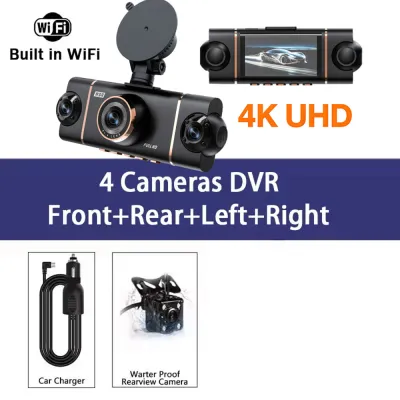
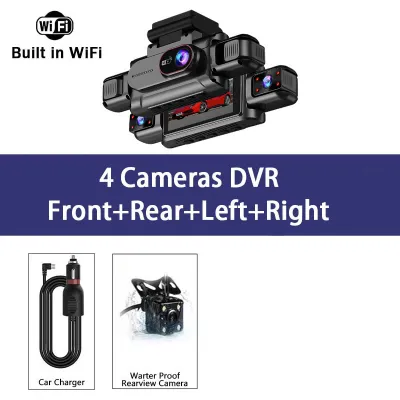
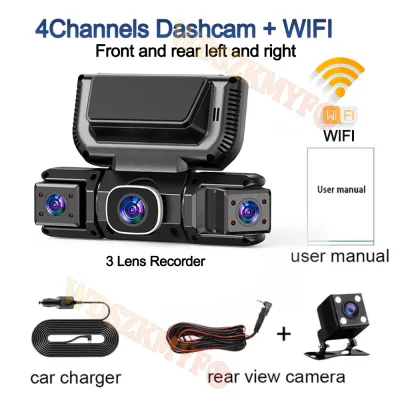
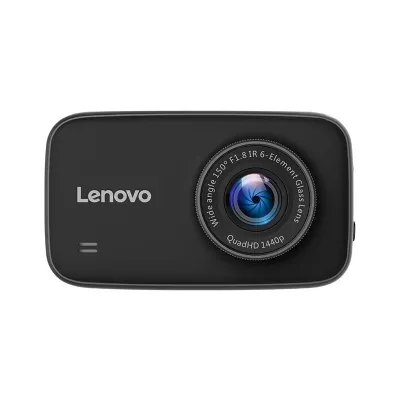
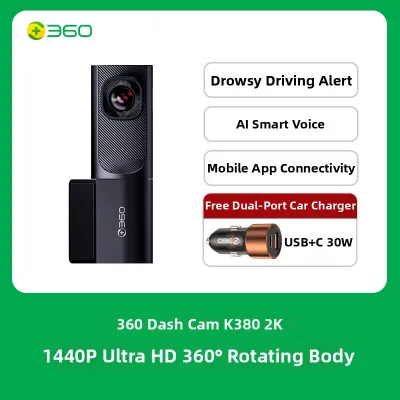
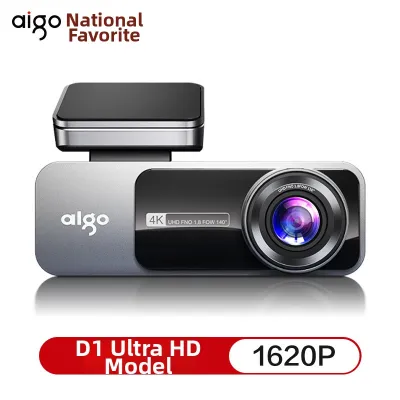
Prices are valid at publication and may change. Please refer to the product page for the latest price.
Beyond physical placement, electrical and structural safety during installation is paramount. Modern vehicles are equipped with complex safety restraint systems, including side-curtain airbags housed within the A-pillars and roof lining. If you or an installer route the cabling for a multi-camera 360 system carelessly, the wires can obstruct the deployment path of these airbags. In the event of a collision, a poorly routed cable can either prevent the airbag from deploying fully or turn the camera itself into a high-speed projectile inside the cabin. Always consult your vehicle’s original manual to locate airbag deployment zones before routing any wiring.
LTA-Friendly 360 Dash Cam Setup Types to Consider
Interior Cabin 360 Cameras
For drivers who prioritize complete interior coverage—such as private hire vehicle (PHV) operators or families—an interior-facing 360-degree camera is a highly compliant option. Because these units are mounted entirely inside the passenger cabin, they do not violate any LTA regulations regarding exterior vehicle modifications or aerodynamic protrusions. They are typically mounted on the windshield behind the rearview mirror or on the dashboard, keeping the exterior profile of the car completely stock.

When selecting an interior 360 camera, physical size and mounting style are critical. The unit must be compact enough to sit comfortably behind the rearview mirror without hanging down into the driver’s forward field of view. Additionally, because these cameras capture the entire cabin, they require high-quality infrared (IR) night vision capabilities. Look for models equipped with discrete IR LEDs (ideally operating at a wavelength of 940nm, which is invisible to the human eye) to ensure clear cabin recording in pitch-black conditions without casting a distracting red glow that could compromise the driver’s night vision or violate safety standards.
Multi-Channel Discrete Sensor Systems
Instead of relying on a single, bulky panoramic camera that attempts to capture everything from one central point, a highly practical and LTA-compliant alternative is a multi-channel discrete sensor system. These setups utilize a central processing unit connected to multiple small, low-profile camera sensors positioned around the car—typically a front-facing camera, a rear-window camera, and separate left- and right-facing cabin or side-window sensors.
This distributed approach offers several distinct advantages for Singaporean motorists. First, the individual sensors are incredibly small and lightweight, making them far easier to conceal within legal windshield zones and rear-glass boundaries without blocking the driver’s line of sight. Second, by spreading the recording duties across three or four discrete channels, you achieve true 360-degree situational awareness around the vehicle without the extreme fish-eye distortion common to single panoramic lenses. Finally, discrete systems handle heat dissipation much more effectively. A single 360-degree camera processing multiple high-resolution video streams simultaneously generates significant internal heat, whereas distributed sensors offload processing to a central module, reducing the risk of thermal shutdown during hot afternoons parked in open-air HDB car parks.
The Risk of Exterior Roof-Mounted 360 Cams
While exterior-mounted panoramic cameras or roof-fin 360-degree systems might seem like the ultimate way to capture scenic drives or monitor parking security, aftermarket versions carry a very high risk of non-compliance in Singapore. LTA inspectors look closely for any non-standard exterior attachments during mandatory periodic vehicle inspections. Any camera that protrudes from the roof, hood, or bumpers, or requires drilling into the exterior body panels, is highly likely to be flagged as an illegal modification.
Failing an LTA inspection means you will be required to remove the equipment and present the vehicle for a re-test, costing both time and money. Furthermore, operating a vehicle with unauthorized exterior modifications can lead to steep fines and, more critically, invalidate your motor insurance policy. In the event of an accident, your insurer may deny coverage if they determine that an unapproved exterior camera contributed to the damage or posed an undeclared safety risk. For true exterior 360-degree surround-view capability, motorists should rely strictly on factory-installed systems that are fully integrated into the vehicle’s side mirrors, front grille, and rear tailgate during manufacture.
Essential Specs for Singapore's Climate and Legal Compliance
To ensure your chosen setup remains fully compliant and operational under local conditions, pay close attention to these technical specifications before purchasing:
- Compact Form Factor: To ensure your chosen 360 camera for car setup remains fully compliant with windshield visibility laws, prioritize a compact form factor. Large, heavy cameras not only block more of your view but are also highly susceptible to detaching from the windshield when exposed to intense heat. A lightweight, low-profile camera reduces the leverage force exerted on its adhesive mount, ensuring it stays firmly attached to the glass even when driving over uneven road surfaces or speed bumps.
- Supercapacitor Power: Singapore's tropical climate presents a severe challenge for car electronics. When parked under the direct sun in an open-air parking lot, cabin temperatures can easily soar past 70°C. Under these extreme conditions, dash cams powered by traditional lithium-ion batteries pose a serious safety hazard. Lithium-ion batteries are prone to swelling, leaking, and in worst-case scenarios, catching fire when subjected to prolonged high temperatures. To guarantee safety and durability, only purchase 360 dash cams powered by supercapacitors. Supercapacitors are designed to withstand extreme thermal limits, offering reliable power delivery to save video files during a sudden power loss without the risk of thermal runaway.
- Screen Behavior and Distraction Laws: Under Rule 81 of the Road Traffic Rules in Singapore, it is an offence to drive a vehicle if there is a visual display unit visible to the driver that is capable of showing non-driving-related images or distracting video content while the vehicle is in motion. If your 360-degree dash cam features a built-in LCD screen, you must configure its settings so that the display automatically turns off or enters a "screen saver" mode (showing only a clock or status indicator) within a few seconds of starting the engine. Driving with a live, moving video feed of your cabin or surroundings active on your dashboard is a direct safety violation and can attract heavy penalties.
Safe Installation and Pre-Drive Verification Checklist
Before setting off on Singapore’s roads with your new 360-degree dash cam setup, perform these essential safety and compliance checks:
- Pre-Installation Visual Check: Sit in the driver's seat and adjust your mirrors to your normal driving position. Verify that the camera body, mounting bracket, and any visible cables do not block your view of the front left and right quarters of the windshield. Pay close attention to blind spots at pedestrian crossings and roundabouts; the camera must be positioned so it does not obscure your line of sight to these critical areas.
- Professional Wiring Routing: It is highly recommended to have your 360 dash cam professionally installed, especially if it requires hardwiring to the fuse box for 24-hour parking monitoring. Professional installers have the specialized tools and experience to route cables safely behind the interior trim panels. They will ensure that wires are secured with proper clips and run behind the side-curtain airbags, rather than across them, preserving the structural integrity and safety of your vehicle's restraint systems.
- Adhesive and Glass Safety: Always check the camera manufacturer's instructions and your vehicle's windscreen care guidelines before mounting. Use high-quality, heat-resistant adhesives, such as automotive-grade 3M VHB tape, or utilize electrostatic stickers designed to sit between the adhesive and the glass. This prevents the mount from baking permanently onto your windshield, which could tear or damage aftermarket solar films and window tints when the device needs to be removed or repositioned.
Frequently Asked Questions (FAQ)
Can I use a 360 dash cam with a screen while driving?
Yes, but the screen itself must not display live video playback or moving camera feeds while the vehicle is in motion. To comply with Singapore’s road safety and driver distraction laws, you must configure the camera’s settings to automatically turn off the display screen (or switch to a blank screen/status-only mode) shortly after the vehicle starts moving.
Do I need LTA approval to install an interior 360 camera?
No, you do not need prior approval from the Land Transport Authority to install an interior-facing 360 dash cam, provided the installation does not alter the vehicle’s structural frame, block the driver’s view through the windshield, or interfere with safety equipment such as airbags. Ensure all wiring is tucked away neatly and does not hang loose.
Are 360 cameras legal for private hire (PHV) drivers in Singapore?
Yes, interior 360-degree cameras are legal and highly recommended for PHV drivers to assist in dispute resolution and ensure driver safety. However, you must comply with the Personal Data Protection Act (PDPA). PHV drivers are legally required to display clear, visible decals inside the vehicle informing passengers that audio and video recording is active.
Community discussion
Share your experience or ask a question. Comments are reviewed before publication.