
To protect a commercial or private lorry from Singapore’s harsh tropical climate, a lorry cover requires a minimum waterproof rating of 2,000mm hydrostatic head and a certified UV protection level of UPF 50+. Because of the country’s unique combination of sudden, torrential monsoon downpours and intense equatorial sunlight, a simple plastic sheet or generic cover will not suffice. The ideal cover must combine these high-performance ratings with a multi-layered, breathable fabric structure that prevents moisture from becoming trapped against the vehicle’s paintwork, which can lead to rapid corrosion and paint blistering. Selecting the right specifications ensures your vehicle remains protected while parked outdoors in local conditions.
Understanding Singapore's Climate Impact on Lorry Covers
Singapore sits just north of the equator, experiencing a tropical rainforest climate characterized by high temperatures, abundant rainfall, and high humidity year-round. This environment presents a dual threat to vehicles parked outdoors. During the day, intense solar radiation subjects the lorry’s exterior to extreme ultraviolet (UV) exposure. This constant bombardment breaks down the chemical bonds in the vehicle’s clear coat, leading to paint fading, oxidation, and eventual peeling. Inside the cabin, unchecked heat build-up causes plastic dashboards to crack, leather or vinyl seats to degrade, and electronic components to fail prematurely.
This extreme heat is frequently interrupted by sudden, heavy monsoon downpours, particularly during the Northeast Monsoon (December to March) and Southwest Monsoon (June to September). A sudden drop in temperature during these storms causes rapid thermal contraction in the vehicle’s metal panels. If a non-breathable cover is used, the high ambient humidity—often exceeding 80% to 90% in Singapore—becomes trapped beneath the fabric. As the ground and vehicle engine cool, this trapped moisture condenses into liquid water, creating a highly humid greenhouse microclimate under the cover. Without adequate ventilation and vapor transmission, this trapped moisture accelerates rust formation on exposed metal components and promotes the rapid growth of mold and mildew on interior surfaces.
Products mentioned in this guide
![[SG Ready Stock] Lorry canvas raincover 10ft/14ft transparent rain cover/Self installation/LTA requirement/Rear rain cover](https://img.lazcdn.com/g/p/5dceff09ca2fe837ccb237fca132c108.jpg_400x400q80.jpg_.webp)
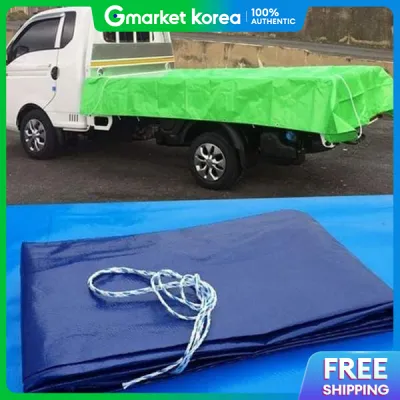
Prices are valid at publication and may change. Please refer to the product page for the latest price.
Essential Waterproof Ratings and Material Structures
Decoding Hydrostatic Head and Coating Labels
When shopping for a lorry cover in Singapore, generic marketing terms like “100% waterproof” are highly unreliable. Instead, look for a technical metric known as the hydrostatic head rating, which is measured in millimeters (mm). This rating indicates the pressure of water the fabric can withstand before liquid begins to penetrate. For Singapore’s heavy tropical downpours, a minimum rating of 2,000mm is highly recommended, while a rating of 3,000mm or higher offers superior long-term protection. A 2,000mm rating means the fabric can support a 2,000-millimeter-tall column of water resting on its surface before a single drop seeps through, ensuring it can handle the intense pressure of wind-driven monsoon rain.

To achieve this level of water resistance, manufacturers apply specialized coatings to the inner side of base fabrics like heavy-duty Oxford cloth or high-density polyester. Polyurethane (PU) and Polyvinyl Chloride (PVC) are the two most common coatings used. PU coatings are highly flexible, lightweight, and perform exceptionally well under fluctuating temperatures, making them ideal for covers that need to be folded and stored frequently. However, prolonged exposure to extreme tropical heat can cause lower-grade PU to hydrolyze and become sticky over time. PVC coatings offer outstanding, absolute waterproofing and are highly durable, but they are significantly heavier, less flexible, and can become stiff or brittle when exposed to continuous, direct equatorial sunlight.
Structural Features for Heavy Tropical Downpours
Even the most advanced waterproof fabric will fail if the cover’s construction is weak. During a Singaporean downpour, water under pressure will easily find its way through the tiny needle holes created during the stitching process. Therefore, it is critical to select a lorry cover that features heat-taped or sonic-welded seams. Heat-taping involves applying a waterproof thermoplastic tape over the stitched seams under high heat and pressure, effectively sealing the needle holes. Double-stitched seams offer structural strength to resist tearing under high winds, but they must be accompanied by this internal sealing tape to remain completely watertight.
Another vital structural element is the inner lining of the cover. When a heavy, water-laden cover is buffeted by strong monsoon winds, it will shift and rub against the lorry’s bodywork. If the inner surface of the cover is rough, this movement acts like fine sandpaper, creating thousands of micro-scratches in the paint’s clear coat. To prevent this, choose a cover with a soft, non-abrasive inner lining, such as a brushed cotton or soft fleece blend. This soft layer cushions the paintwork against friction, preserving the vehicle’s finish even during severe storm conditions.
UV Protection Levels and Heat Reflection
Evaluating UPF Ratings and UV Inhibitors
While keeping water out is crucial, shielding your lorry from the relentless Singapore sun is equally important for preserving its structural and aesthetic integrity. When evaluating a cover’s sun protection capabilities, look for a certified Ultraviolet Protection Factor (UPF) rating. A rating of UPF 50+ is the standard for high-level protection, indicating that the fabric blocks approximately 98% of harmful UVA and UVB radiation. This protection is typically achieved by integrating UV stabilizers or chemical inhibitors directly into the synthetic polymer fibers (such as polyester or polypropylene) during the manufacturing process, rather than relying on a simple surface spray that can wash away over time.
It is a common misconception that dark-colored covers provide better sun protection. In reality, dark colors like black or deep navy absorb the full spectrum of solar radiation, converting it into thermal energy. This heat is then transferred directly to the vehicle beneath, raising cabin temperatures to extreme levels and accelerating the degradation of the cover’s own synthetic fibers. Instead, look for fabrics specifically engineered with UV-resistant chemical additives, which maintain their structural integrity and block radiation regardless of their color, though lighter shades are generally preferred for heat management.
The Role of Reflective and Aluminized Outer Layers
To actively combat solar heat gain, high-quality lorry covers utilize a highly reflective or aluminized outer layer. This metallic silver coating acts as a mirror, bouncing solar radiation away from the vehicle before it can be absorbed by the fabric. By reflecting the sun’s rays, these covers can significantly reduce the temperature inside the lorry’s cabin compared to an uncovered vehicle parked in direct sunlight. This temperature reduction protects the clear coat from thermal expansion stress, prevents dashboard warping, and reduces the load on your vehicle’s air conditioning system when you start the engine.
When choosing a highly reflective cover, you must balance its thermal performance with practical and aesthetic considerations. While bright silver covers offer the best heat reflection, they can create intense glare for neighboring properties or passing drivers, which is an important consideration in densely populated Singaporean industrial estates or residential carparks. Additionally, if your lorry carries commercial branding or company decals, a full-body cover will obscure these markings. Ensure that any cover you select complies with local parking regulations regarding visible license plates or registration decals, which may require a clear plastic window built into the cover’s design.
Balancing Breathability to Prevent Condensation and Mold
In Singapore’s high-humidity environment, a completely airtight, waterproof barrier can do more harm than good. When the ground dampens from rain or morning dew, moisture evaporates upward. If your lorry is covered by a non-breathable material, this rising vapor is trapped beneath the cover. As the ambient temperature drops overnight, the vapor condenses on the cold metal surfaces of the lorry, creating a persistent layer of moisture. This trapped water cannot escape, leading to rapid rust formation on metal panels, oxidation of electrical connectors, and the growth of mold and mildew inside the cabin and on the flatbed.
To prevent this greenhouse effect, a high-quality lorry cover must incorporate breathable membrane technologies or strategic physical ventilation. Breathable membranes, such as those made from microporous polyurethane, feature billions of microscopic pores that are large enough to let water vapor molecules escape, yet far too small to allow liquid water droplets to penetrate. This allows the vehicle to breathe, venting trapped humidity into the atmosphere while remaining completely waterproof from the outside.
If a fully breathable membrane fabric is outside your budget, look for covers equipped with physical ventilation flaps. These flaps are typically located near the top of the cover and are angled downward to prevent rain from entering. They should be backed with a fine mesh screen to keep out insects and debris while allowing hot, humid air to escape naturally. For lorries parked outdoors for extended periods in Singapore, a combination of a semi-breathable fabric and well-designed ventilation flaps is the most effective defense against condensation-induced damage.
Secure Fit and Maintenance in Tropical Conditions
A lorry cover can only protect your vehicle if it stays securely in place. Singapore’s monsoon seasons often bring sudden, violent wind gusts that can easily catch a loose cover, turning it into a giant sail. If the cover is not tightly secured, these winds will cause the fabric to flap violently, leading to severe paint abrasion and potentially tearing the cover off the vehicle entirely. To prevent this, ensure your cover features heavy-duty elasticized hems at the front and rear, which snugly grip the lorry’s bumpers. Additionally, look for integrated tie-down straps with quick-release windproof buckles that pass underneath the chassis, as well as reinforced brass or plastic grommets that allow you to secure the cover with heavy-duty bungee cords or lockable cables.
Maintaining your lorry cover is essential to preserve its technical coatings and extend its lifespan. Before purchasing or applying any care products, always check the applied product’s label and your lorry manufacturer’s instructions to ensure compatibility with your vehicle’s exterior materials. If instructions conflict, the treated item is unidentified, or the use is not covered, stop and consult the manufacturer or a qualified professional.
To ensure safe operation and prevent damage, follow these fundamental maintenance and safety rules:
- Cooling Down: Never apply a cover to a hot vehicle. Always allow the engine, exhaust pipe, and brake components to cool down completely before covering the lorry to prevent melting the fabric or creating a fire hazard.
- Dry Storage: Never fold or store a wet cover. Doing so will trap moisture within the layers, leading to rapid mold growth and the breakdown of the waterproof coatings. Allow the cover to air dry completely in a shaded area before packing it away.
- Prompt Cleaning: Singapore's urban environment exposes covers to acidic bird droppings, industrial fallout, and sticky tree sap. These substances are highly corrosive and will rapidly degrade UV inhibitors and waterproof coatings if left untreated. Wash them off immediately using low-risk cleaning methods.
Frequently Asked Questions (FAQ)
Is a fully waterproof cover better than a water-resistant one for daily outdoor parking?
For daily outdoor parking in Singapore’s highly humid climate, a highly water-resistant, highly breathable cover is often superior to a 100% waterproof, non-breathable cover. While a fully waterproof cover provides absolute protection against rain, its lack of breathability frequently traps condensation underneath, accelerating rust and mold growth during daily use. A highly water-resistant cover with a high hydrostatic head rating (such as 2,000mm) combined with breathable membranes or ventilation flaps offers the ideal balance. It sheds heavy rain effectively while allowing daily moisture and engine heat to escape, making it the safer choice for regular outdoor storage.
How do I clean a lorry cover without damaging its UV and waterproof coatings?
To clean your lorry cover safely, always check the manufacturer’s care instructions first. Use a low-risk, gentle cleaning method: spread the cover flat on a clean surface or drape it over the vehicle, then wash it by hand using cool water and a mild, pH-neutral soap. Gently scrub dirty areas with a soft-bristled brush or microfiber sponge. Avoid using harsh detergents, bleach, chemical solvents, or hot water, as these will strip away the protective polyurethane coatings and UV-resistant treatments. Never machine wash or machine dry a heavy-duty lorry cover, as the mechanical agitation can tear the seams and ruin the waterproof backing. Rinse the cover thoroughly with clean water and allow it to air dry completely in the shade before storage.
Community discussion
Share your experience or ask a question. Comments are reviewed before publication.