
The longest-lasting car perfumes in Singapore’s tropical climate are solid-state media—such as ceramic, stone, or high-density polymer diffusers—and alcohol-free, high-concentration fragrance oils. These formats resist the rapid evaporation and chemical breakdown triggered by cabin temperatures that can easily exceed 60°C when parked under the intense equatorial sun. By avoiding volatile alcohol carriers and choosing heat-stable delivery systems, drivers can maintain a consistent scent profile without frequent replacements.
High humidity levels, which frequently exceed 80% in Singapore, combined with extreme solar radiation create an incredibly challenging environment for standard air fresheners. Traditional liquid or gel-based products that claim to last for months in temperate climates often deplete within weeks here. Understanding how heat and moisture interact with different fragrance formats is the key to selecting a product that delivers true value and consistent performance.
How Extreme Cabin Heat and Humidity Degrade Car Fragrances
When a vehicle is parked in an open-air carpark, the glass windows trap solar radiation, creating a severe greenhouse effect. Within an hour, interior temperatures can climb significantly higher than the ambient outdoor temperature. This intense thermal buildup dramatically accelerates the kinetic energy of fragrance molecules, forcing them to volatilize at an unsustainable rate.
Products mentioned in this guide
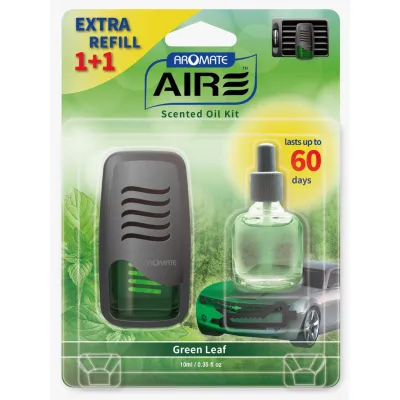
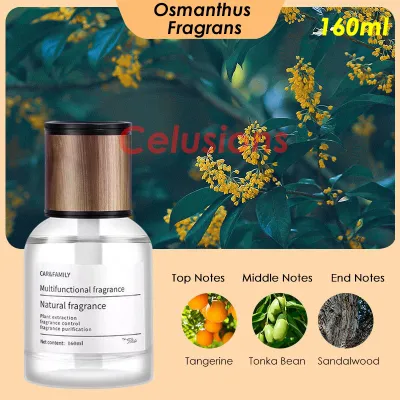

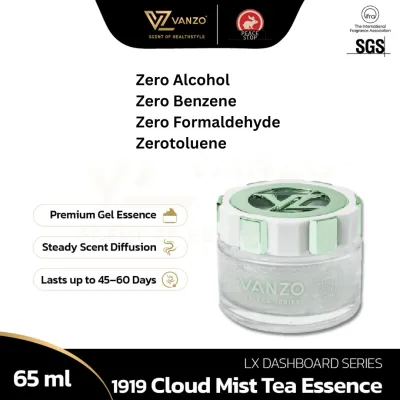
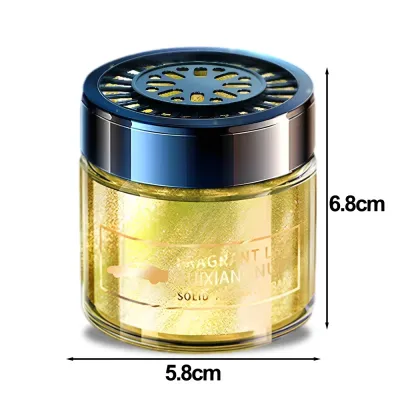

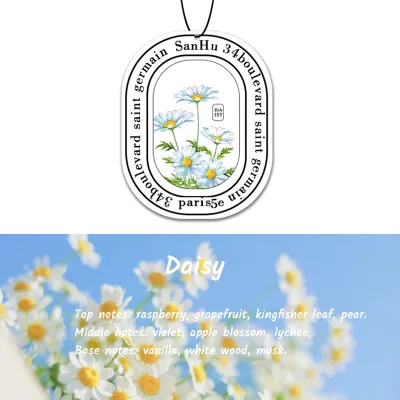
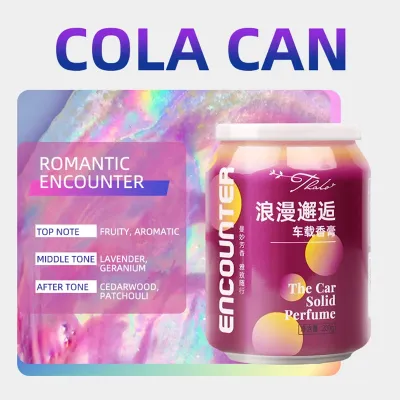
Prices are valid at publication and may change. Please refer to the product page for the latest price.
Many mass-market car air fresheners rely on alcohol or volatile organic solvents as carriers to help disperse the scent. While this provides a strong initial burst of fragrance, alcohol has a very low boiling point and high vapor pressure. Under extreme heat, these carriers flash off rapidly, leaving behind a dried-out, scentless residue. In contrast, high-quality oil-based formulations or solid-state carriers release their aromatic compounds much more slowly because they lack these highly volatile solvents.
Singapore’s high ambient humidity introduces another layer of complexity. Moisture-laden air slows down the evaporation of water-based gels but can severely compromise porous diffuser materials. For instance, natural fiber pads, cardboard hanging trees, or untreated wood diffusers can absorb atmospheric moisture. This not only alters the intended scent throw by diluting the fragrance oils but also creates a damp microenvironment where mold and mildew can develop, replacing the pleasant aroma with a musty smell.
Evaluating Car Perfume Formats for Tropical Climate Survival
Solid gels and wax-based fresheners are popular for their spill-proof nature, but their performance in tropical heat varies widely. Low-quality gel formulations often liquefy or shrink rapidly when exposed to high temperatures, leading to a sudden loss of efficacy. Wax beads can melt entirely if placed on the dashboard, potentially fusing into a solid mass or releasing oils that can warp plastic housings. High-density paste formats generally offer better thermal stability, but they still require placement away from direct sunlight to prevent premature drying.

Hanging glass bottles and liquid diffusers, which often feature a wooden lid that absorbs and disperses the fragrance oil, offer a continuous scent release. However, they present distinct risks in a hot cabin. As the liquid heats up, it expands, and the increased vapor pressure can force the oil out of the bottle, leading to leaks. If these concentrated fragrance oils drip onto dashboard plastics, leather upholstery, or steering wheel covers, they can cause permanent chemical etching, peeling, or staining.
Vent clips rely on the vehicle’s air conditioning system to distribute the scent. When the AC is running, the cool air slows down the evaporation rate, making this format highly efficient during active driving. However, when the car is parked in the sun with the engine off, the stagnant, hot air inside the cabin still causes the exposed membrane or liquid reservoir to deplete. The longevity of vent clips is therefore highly dependent on daily driving habits and whether the vehicle is parked in sheltered basements or open lots.
Solid-state diffusers made from porous ceramic, volcanic stone, or specially treated hardwoods represent the most heat-resistant option for tropical climates. These materials do not melt, warp, or leak, regardless of how hot the cabin becomes. They work by absorbing concentrated fragrance oils into their microscopic pores and releasing them slowly through natural diffusion. Because they do not rely on volatile liquid carriers or alcohol, their scent release remains relatively stable even when subjected to extreme temperature fluctuations.
What to Check on Labels Before Buying a Heat-Resistant Car Scent
When shopping for the best car perfume, the ingredient list is your first line of defense. Look for products explicitly labeled as alcohol-free or formulated with 100% pure fragrance oils. These formulations rely on heavier carrier oils that have much higher flashpoints and lower evaporation rates, ensuring that the scent remains in the vehicle rather than evaporating into the atmosphere within the first week of use.
Responsible manufacturers often print operating temperature ranges or thermal warnings on their packaging. Check the label for indications that the product has been tested to withstand temperatures up to 60°C or 70°C. If a product carries warnings against exposure to high heat or direct sunlight, it is highly likely to degrade quickly in a car parked outdoors.
Solar radiation does more than just heat up the cabin; ultraviolet (UV) light actively breaks down the chemical bonds of fragrance molecules. This process, known as photodegradation, can alter the scent profile, turning a fresh floral or citrus aroma into a flat, chemical smell. To prevent this, choose products housed in opaque ceramic containers, dark amber glass bottles, or UV-shielded polymer casings that block destructive light waves.
Because accidental spills or off-gassing can damage delicate interior surfaces, look for safety certifications or manufacturer guarantees regarding material compatibility. Labels that specify “interior-safe,” “non-corrosive,” or “safe for plastics and leather” provide peace of mind. Even with these claims, it is essential to verify that the mounting mechanism keeps the fragrance housing completely isolated from sensitive cabin materials.
Strategic Placement and Care to Extend Perfume Longevity
The dashboard is the most common but least ideal location for any car perfume. It receives the highest concentration of direct solar radiation and experiences the most extreme temperature spikes. Placing a diffuser on the dashboard virtually guarantees rapid evaporation, material warping, and accelerated scent degradation.
To maximize longevity, position your car perfume in shaded areas where the ambient temperature remains more stable. Excellent alternative locations include the cup holders within the center console, the door pockets, or mounted securely under the front seats. These spots are shielded from direct sunlight, helping to preserve the fragrance carrier and maintain a gradual, controlled release of the scent.
If you use vent-mounted diffusers, utilize the built-in adjustment sliders to restrict the opening when the scent becomes too intense. For solid gels or clay-based diffusers, periodically rotating or gently shaking the container can expose fresh surfaces, helping to maintain a consistent scent throw without needing to open a new unit prematurely.
Regularly inspect your car perfume for physical changes. If you notice liquid separation, significant discoloration, crystallization around the cap, or a warped container, the product has likely reached the end of its useful life due to heat exposure. Replacing these degraded units promptly ensures that your cabin remains fresh and free from oxidized chemical vapors.
Frequently Asked Questions (FAQ)
Are essential oil car perfumes safe to leave in a hot car?
Pure essential oils are highly volatile and sensitive to thermal degradation. When left in a hot car parked under the sun, the extreme heat can cause rapid oxidation of the natural compounds. This chemical shift not only alters the fragrance—often resulting in a sour or rancid smell—but can also lower the flashpoint of the oil, presenting a minor safety hazard if exposed to direct ignition sources. Furthermore, oxidized essential oils can release airborne irritants that may cause respiratory discomfort or skin sensitivity when you enter the vehicle. For car interiors, commercially formulated synthetic or semi-synthetic fragrance blends designed specifically for high-temperature stability are generally safer and much more reliable.
How can I tell if my car perfume has degraded from heat exposure?
You can identify heat-degraded car perfume through both visual and olfactory checks. Visually, look for signs of phase separation, where the liquid splits into distinct oily and watery layers, or extreme cloudiness in what was once a clear fluid. Solid gels may shrink drastically, pull away from the sides of their container, or turn into a hard, cracked mass, while wax-based products might show signs of melting and resolidifying into irregular shapes. Olfactorily, a degraded perfume will often lose its complex top notes, leaving behind a harsh, chemical, or heavily alcohol-focused scent. If the fragrance smells sour, metallic, or noticeably different from when you first opened it, the heat has broken down the aromatic compounds, and the product should be replaced.

Community discussion
Share your experience or ask a question. Comments are reviewed before publication.