
Driving in Singapore presents a unique set of challenges for maintaining a pleasant cabin fragrance. The combination of intense tropical sunlight and high humidity means that standard air fresheners often lose their efficacy within days. If you prefer a natural alternative, choosing the right car essential oil requires understanding how different scent profiles and formulations interact with extreme heat. To achieve a long-lasting aroma, you must bypass fast-evaporating scents and focus on heavy, heat-resistant formulations.
Woody, resinous, and earthy base notes—such as sandalwood, cedarwood, vetiver, and patchouli—are the longest-lasting car essential oil options for tropical climates. These oils consist of larger, heavier molecules that require significantly more thermal energy to evaporate, allowing them to linger in your vehicle for weeks. In contrast, lighter scents like citrus and mint dissipate rapidly when exposed to the high temperatures typical of a parked car in Singapore. By selecting the correct scent profiles and matching them with heat-stable diffuser mechanisms, you can maintain a consistent, refreshing cabin environment without constantly replacing your oils.
How Tropical Heat and Humidity Impact Evaporation
To understand why some fragrances vanish almost instantly, it is necessary to examine the physical environment inside a vehicle parked under the tropical sun. When a car is parked outdoors in Singapore, it acts as a greenhouse, trapping solar radiation. The temperature inside the cabin can quickly escalate to over 60 degrees Celsius, which is far higher than the ambient outdoor temperature. This intense thermal buildup directly affects the volatile organic compounds (VOCs) that make up a car essential oil. As the temperature rises, the kinetic energy of these compounds increases, causing them to transition from liquid to gas at an accelerated rate.
Products mentioned in this guide
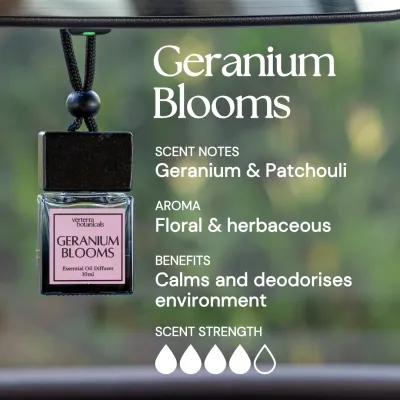
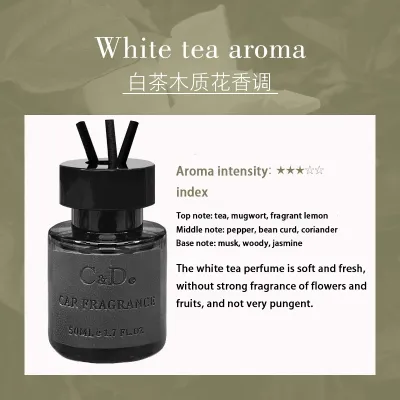

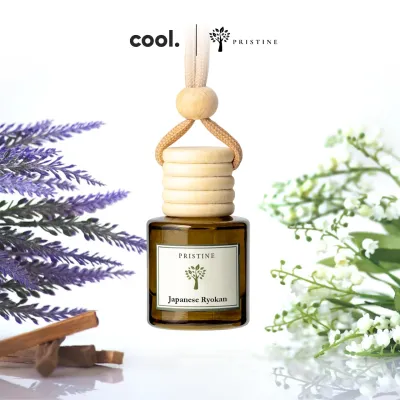
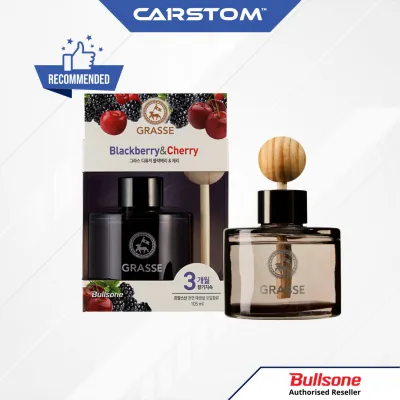
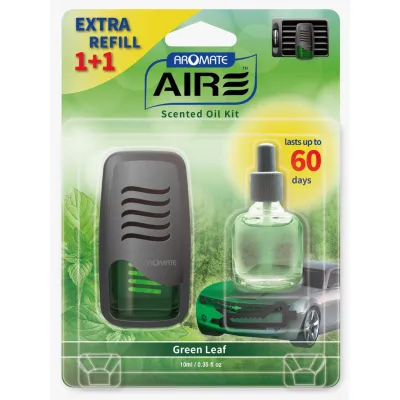
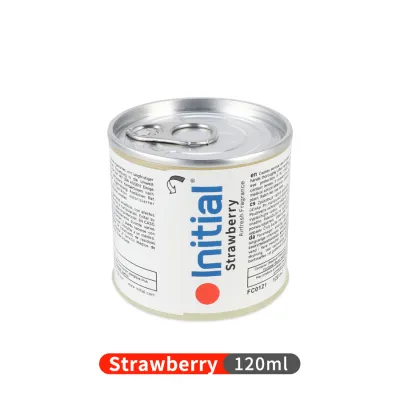
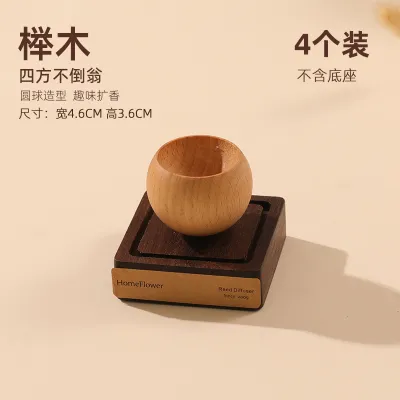
Prices are valid at publication and may change. Please refer to the product page for the latest price.
High ambient humidity adds another layer of complexity to how fragrance diffuses inside your vehicle. In a humid environment, the air is already heavily saturated with water vapor, which directly impacts porous diffuser materials such as wood caps, terracotta, or ceramic stones. When these materials absorb atmospheric moisture, their porous structures can become saturated. This saturation limits their ability to hold and gradually release the essential oil, often resulting in an uneven scent throw or a rapid, uncontrolled release of fragrance followed by complete dissipation.
Because of these extreme environmental factors, it is critical to select products designed to withstand high thermal stress. Before purchasing any car fragrance, always check the manufacturer’s temperature thresholds and storage instructions on the product label. Some oils and diffusers are formulated specifically for climate-controlled indoor environments and will degrade or fail when subjected to the harsh conditions of a locked vehicle parked in the sun.
Scent Profiles and Formulations Built for Longevity
Selecting a car essential oil that survives the tropical heat requires a basic understanding of scent chemistry. Essential oils are categorized into top, middle, and base notes based on their volatility and molecular weight.

Base Notes vs. Top Notes
The rate at which an essential oil evaporates is primarily determined by its molecular structure. Base notes, which include rich, woody, and earthy scents like sandalwood, cedarwood, vetiver, and patchouli, are composed of heavy, complex molecules. These large molecules have low volatility, meaning they resist turning into vapor even when exposed to elevated cabin temperatures. Consequently, they release their aroma slowly and steadily over a prolonged period, making them the ideal foundation for a long-lasting car scent.
Conversely, top notes such as lemon, bergamot, sweet orange, eucalyptus, and peppermint consist of light, simple molecular structures. While these scents offer an immediate, refreshing burst of fragrance, they possess high volatility. In Singapore’s typical heat, these light molecules flash off almost instantly, leaving the cabin scentless within a matter of hours or days. To maximize longevity, look for complex essential oil blends that are heavily anchored by robust base notes, which act as natural fixatives to slow down the evaporation of any lighter top notes included in the blend.
Pure Oils vs. Carrier Blends
When shopping for a car essential oil, you will encounter both 100% pure essential oils and pre-diluted blends that utilize carrier oils. Understanding the distinction between these two formulations is vital for both scent longevity and vehicle safety. Pure essential oils are highly concentrated and volatile; when exposed to heat, they diffuse rapidly and intensely. To slow down this process, some manufacturers dilute essential oils with carrier oils, which can act as a physical barrier to slow the rate of evaporation.
However, not all carrier oils are suitable for high-heat environments. Under the extreme temperatures of a parked vehicle, certain carrier oils—such as sweet almond oil, grapeseed oil, or unrefined apricot kernel oil—can oxidize rapidly. This chemical breakdown can cause the oil to turn rancid, emitting an unpleasant sour smell, or become cloudy, thick, and sticky. To prevent this, verify the carrier oil type on the product packaging. Look for highly stable options like fractionated coconut oil or jojoba oil, and check for specific manufacturer claims regarding heat stability and tropical climate compatibility before making a purchase.
Selecting the Right Diffuser Mechanism for High Heat
The delivery system you choose is just as important as the oil itself. Different diffuser designs react uniquely to Singapore’s heat and humidity, directly affecting how quickly your car essential oil is consumed.
- Hanging glass bottles with wood caps: This popular design relies on a small glass reservoir topped with a porous wooden cap. The user tips the bottle to wet the wood, which then diffuses the scent. In intense tropical heat, the capillary action within the wood grain accelerates dramatically. The wood absorbs the oil much faster than intended, leading to rapid depletion of the reservoir, an overwhelmingly strong scent in the cabin, and a high risk of the oil leaking or dripping onto the dashboard as the wood becomes oversaturated.
- Vent clips: These diffusers attach directly to your car's air conditioning vents, utilizing the airflow to distribute the fragrance. While highly effective when the air conditioning is running, vent clips present risks when the vehicle is parked. If the car is left in the sun without the AC operating, the localized heat on the dashboard and vents can cause the liquid oil inside the clip to expand. This expansion can build pressure, leading to leaks, or cause the oil to degrade chemically, altering its scent profile.
- Solid or ceramic diffusers: For hot climates, solid-state or ceramic diffusers are often the most stable and reliable alternatives. These systems do not rely on a liquid reservoir that can expand, leak, or build pressure under thermal stress. Instead, a few drops of car essential oil are applied directly to a solid ceramic stone, clay tablet, or felt pad, which absorbs the liquid. The scent is then released passively and gradually. Because there is no free-flowing liquid, the risk of spills is eliminated, and the diffusion rate remains more consistent even during extreme temperature spikes.
When selecting a diffuser, always check the manufacturer’s material compatibility, mounting mechanism, and maximum operating temperature specifications. Ensure that the materials used in the diffuser can withstand direct sunlight and high heat without warping, melting, or releasing harmful chemical fumes.
Safety Boundaries and Interior Protection
While essential oils are natural, they are also highly concentrated chemical compounds that require careful handling, especially within the confined, hot environment of a vehicle.
- Interior damage: Concentrated essential oils can act as powerful organic solvents. Citrus-based oils, which contain high concentrations of a compound called limonene, are particularly aggressive. If an essential oil leaks, drips, or sprays onto your car's interior surfaces, it can chemically melt plastic dashboards, permanently stain leather seats, strip protective coatings, and degrade rubber seals. This damage is often accelerated by high heat. To protect your vehicle, always check the vehicle manufacturer's interior care instructions and the oil label. If a spill occurs, clean it immediately with a damp cloth and mild soap.
- Phototoxicity and skin safety: Certain essential oils, particularly cold-pressed citrus oils like bergamot, grapefruit, and lime, contain furanocoumarins. These compounds become phototoxic when exposed to ultraviolet (UV) radiation. If you handle a leaking diffuser or bottle and get these oils on your skin before stepping out into Singapore's intense sunlight, it can cause severe skin irritation, blistering, or hyperpigmentation. To mitigate this risk, keep all oils and diffusers out of direct sunlight and handle them with care.
- Occupant safety: A car cabin is a small, enclosed space. When subjected to high heat, a strong concentration of essential oil can quickly become overpowering, potentially causing headaches, nausea, or dizziness while driving. Always prioritize safety and ensure the scent profile is pleasant and subtle rather than overwhelming. Furthermore, check the product label for safety warnings regarding pets, pregnant women, or young children, as certain oils (such as eucalyptus, pennyroyal, or tea tree) can be harmful or irritating to sensitive occupants.
Practical Maintenance to Maximize Scent Lifespan
You do not have to accept rapid oil depletion as an inevitability. By implementing a few low-risk maintenance habits, you can significantly extend the lifespan of your car essential oil and protect your diffuser setup.
First, actively manage your vehicle’s internal temperature. Whenever possible, park in shaded areas, such as multi-story or basement car parks, rather than in direct sunlight. If outdoor parking is unavoidable, use a high-quality reflective windshield sunshade. This simple step can lower the peak cabin temperature by several degrees, directly reducing the thermal energy acting on your diffuser and slowing down the evaporation rate of the oil.
Second, maintain your equipment to prevent residue buildup. Over time, heat-altered oils can leave a sticky, gummy residue on diffuser surfaces, hanging bottle necks, and vent clips. Wipe these surfaces down regularly with a damp microfiber cloth. This prevents the buildup from clogging porous diffusers or damaging the surrounding plastic vents. Always ensure the diffuser is completely dry before reassembling or refilling it.
Finally, practice proper storage habits. Never leave backup bottles of essential oil in your glove compartment, center console, or door pockets. The localized heat in these storage compartments can cause the oil to oxidize, ruin the scent profile, and build up pressure inside the glass bottles, presenting a leakage hazard. Instead, store all unused or backup essential oil bottles in a cool, dark place at home, and only bring them to the car when it is time to refill or replace the diffuser.
Frequently Asked Questions (FAQ)
Is it safe to leave car essential oils in the glove compartment?
No, it is not recommended to store backup essential oils in your glove compartment. Despite being shielded from direct sunlight, the glove compartment still experiences extreme heat spikes when your car is parked in Singapore’s tropical climate. This persistent heat causes rapid chemical degradation of the oil, alters its fragrance profile, and can build up dangerous pressure inside the glass bottles, leading to leaks. Always store backup oils in a cool, dark place at home.
Do citrus essential oils evaporate faster in hot cars?
Yes, citrus essential oils evaporate much faster in hot vehicles. Citrus scents, such as lemon, lime, and orange, are classified as top notes, which consist of light, highly volatile molecules. When exposed to the high temperatures inside a parked car, these molecules flash off rapidly. To extend their lifespan, look for pre-blended oils that anchor citrus notes with heavy base notes like cedarwood or sandalwood, or use a solid-state diffuser that limits rapid evaporation.

Community discussion
Share your experience or ask a question. Comments are reviewed before publication.