
Choosing between a lithium and a traditional lead-acid motorcycle battery is one of the most impactful maintenance decisions a rider can make. While lead-acid batteries have been the reliable industry standard for decades, lithium-ion technology—specifically Lithium Iron Phosphate (LiFePO4)—has emerged as a high-performance alternative. The right choice depends on your motorcycle’s electrical system, your riding habits, and your budget. By evaluating how each technology handles physical space, electrical demands, and long-term maintenance, you can select a battery that ensures reliable starting power every time you turn the key.
Core Differences in Weight and Physical Footprint
Weight is a primary differentiator between these two battery chemistries. Lithium motorcycle batteries offer a substantial weight reduction compared to their lead-acid counterparts, often weighing only a fraction of a traditional battery of equivalent capacity. This reduction in top-heavy mass can noticeably improve a motorcycle’s power-to-weight ratio and handling, particularly on agile sportbikes or off-road machines. However, this physical difference requires careful attention during installation. Because lithium cells are much lighter and more energy-dense, the battery housing is frequently smaller than the original equipment manufacturer (OEM) lead-acid unit.
Before purchasing a replacement, you must measure your motorcycle’s battery box dimensions and verify the terminal orientation, or polarity. Installing a battery with reversed terminals can cause catastrophic damage to your bike’s electrical harness and electronic control unit (ECU). Additionally, because a lithium battery may not fill the entire battery tray, you must check if your motorcycle’s hold-down brackets or straps can securely fasten the smaller unit. Many lithium battery manufacturers include modular foam spacers in the box to help fill the empty space and prevent the battery from shifting during rides, but you must verify that these spacers are securely positioned and heat-resistant.
Products mentioned in this guide
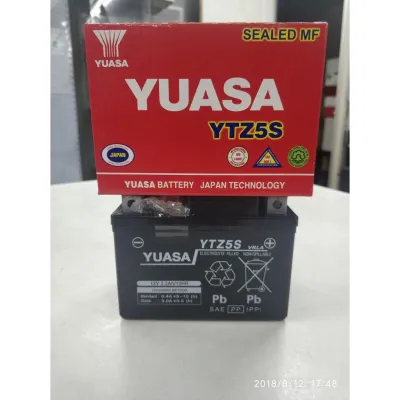
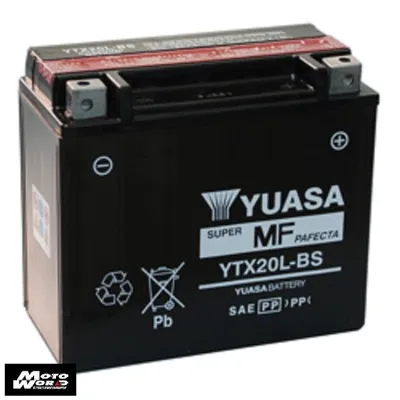
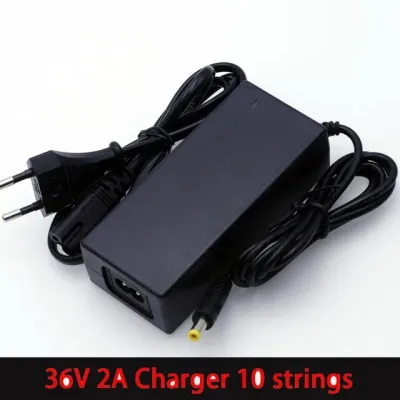
Prices are valid at publication and may change. Please refer to the product page for the latest price.
Lifespan, Cycle Life, and Long-Term Value
Understanding the difference between cycle life and calendar life is essential when evaluating long-term battery value. Cycle life refers to the number of complete charge and discharge cycles a battery can undergo before its capacity drops below a usable threshold. Calendar life, on the other hand, represents the natural degradation of the battery materials over time, regardless of how often the motorcycle is ridden. Traditional lead-acid batteries are highly susceptible to sulfation—a chemical process where lead sulfate crystals build up on the plates when the battery is left in a discharged state. This is a common issue for riders who leave their bikes parked for extended periods without a maintenance charger.

In contrast, lithium batteries feature an integrated Battery Management System (BMS) that monitors individual cell voltages and protects the battery from over-charging, deep discharging, and extreme thermal conditions. While lithium batteries generally offer a significantly higher cycle life than lead-acid options, they can still degrade prematurely if stored in extreme heat or if the BMS is forced to shut down due to a parasitic drain that drains the cells completely. To assess the true longevity of a battery, always verify the warranty periods and expected service life directly from the manufacturer’s official specification sheets rather than relying on generic retail claims.
Cold-Start Performance and Cranking Power
Reliable starting power is the primary job of any motorcycle battery. When comparing performance, riders must look at Cold Cranking Amps (CCA) and Cranking Amps (CA), which are standardized ratings printed directly on the battery label. CCA measures the battery’s ability to deliver starting current at freezing temperatures, while CA measures performance at warmer temperatures. While Singapore’s tropical climate means extreme sub-zero cold starts are not a concern, matching the battery’s cranking output to your motorcycle’s engine displacement remains critical, especially for high-compression engines or large V-twins that require substantial initial torque to turn over.
Lead-acid batteries deliver a steady, predictable discharge curve but experience a gradual voltage drop as they drain. Lithium batteries maintain a higher, more stable voltage throughout their discharge cycle, providing crisp, rapid engine starts. However, lithium chemistry behaves differently in cooler conditions; if exposed to lower temperatures (such as in air-conditioned storage or during trips to cooler regions), a lithium battery may initially seem sluggish. This is because the internal resistance increases when cold, requiring a brief “warming up” period—such as turning on the headlights for a minute—to stimulate current flow before starting. Always check your vehicle manufacturer’s minimum CCA requirements before attempting to downsize to a lighter lithium battery to ensure you have sufficient starting margin.
Maintenance Requirements and Safety Boundaries
Routine maintenance and safety protocols differ significantly between these two technologies. Sealed lead-acid batteries, such as Absorbed Glass Mat (AGM) or gel types, are largely maintenance-free regarding fluid levels but require regular top-up charges if the motorcycle is not ridden weekly. Lithium batteries, equipped with an internal BMS, manage their own internal cell balance but are highly sensitive to external charging parameters. Because of these differences, performing electrical work on your motorcycle requires strict adherence to safety boundaries and original-vehicle instructions. If you are uncomfortable handling electrical components, always seek qualified professional installation.
The most critical safety requirement when transitioning to a lithium battery is using a smart charger with a dedicated, manufacturer-approved lithium charging profile. Standard lead-acid chargers often feature automatic desulfation or high-voltage equalization modes that can deliver spikes exceeding 15 volts, which can permanently damage lithium cells or trigger the BMS to shut down. When installing or removing any battery, always follow a strict safety checklist: disconnect the negative terminal first during removal to prevent accidental short circuits with your tools, and connect the negative terminal last during installation. Ensure all connections are torqued to the manufacturer’s specifications and insulated properly.
Upfront Cost vs. Total Cost of Ownership
The initial purchase price is often the deciding factor for many riders, but looking at the total cost of ownership (TCO) provides a more accurate financial picture. Lithium motorcycle batteries carry a premium upfront cost due to the advanced raw materials, specialized manufacturing processes, and the inclusion of the electronic BMS. Traditional lead-acid batteries remain highly cost-effective at the point of sale, making them an attractive option for immediate, budget-friendly replacements.
To calculate the true TCO, use a simple framework: divide the initial purchase price in S$ by the expected usable lifespan in years. For example, a lead-acid battery costing S$80 that lasts two years has an annual cost of S$40. A lithium battery costing S$240 that performs reliably for six years also averages S$40 per year, while offering weight savings and superior cranking performance throughout its life. However, before investing in a lithium battery, you must verify that your motorcycle’s charging system is compatible. Use a multimeter to check that the rectifier/regulator output voltage falls strictly within the lithium battery’s safe operating range (typically between 13.8V and 14.4V at 3,000 RPM). An outdated or malfunctioning regulator that allows voltage spikes can quickly destroy a new lithium battery, leading to expensive secondary electrical repairs.
Decision Framework: Which Battery Should You Buy?
To make the final choice, evaluate your specific riding profile, vehicle setup, and maintenance habits against the following guidelines.
Choose Lithium if…
- You prioritize weight reduction to improve handling, track times, or off-road maneuverability.
- You ride a modern motorcycle with a healthy, high-efficiency charging system.
- You want a battery that maintains strong cranking power even when partially discharged and can sit in storage for months without sulfating.
Choose Lead-Acid if…
- You are looking for a budget-friendly, immediate replacement with a low upfront cost.
- You ride an older or vintage motorcycle with a charging system that may experience voltage fluctuations.
- You prefer a widely available, standardized battery type that can be easily serviced or replaced at any local motorcycle workshop.
Verify First if…
- Your motorcycle has high parasitic drains from aftermarket alarms, GPS trackers, or auxiliary lights, which can drain a lithium battery and trigger BMS sleep mode.
- Your bike utilizes a complex CAN-bus electrical system that requires specific battery communication protocols.
- You plan to ride in extreme temperature variations and need to confirm the battery's operating limits in your owner's manual.
Frequently Asked Questions (FAQ)
Can I directly replace my lead-acid battery with a lithium one?
In many modern motorcycles, a direct swap is possible, but it is not universally guaranteed. You must first verify that your motorcycle’s charging system output voltage matches the charging limits specified by the lithium battery manufacturer. Older motorcycles or custom builds often have unregulated charging systems that can overcharge and damage lithium cells. Always consult your motorcycle’s service manual and contact the battery manufacturer to confirm plug-and-play compatibility before making the switch.
Do lithium motorcycle batteries need a special charger?
Yes, lithium batteries require a charger specifically designed for Lithium Iron Phosphate (LiFePO4) chemistry. Standard lead-acid chargers often employ desulfation pulses or high-voltage recovery modes that can destroy the sensitive lithium cells or cause the internal BMS to permanently lock out. To maintain safety and preserve your battery’s warranty, only use a smart maintenance charger that explicitly states compatibility with lithium motorcycle batteries.
Community discussion
Share your experience or ask a question. Comments are reviewed before publication.