
When upgrading your motorcycle’s visibility, choosing the right aftermarket bike light setup can be the difference between a safe, confident ride and a hazardous journey. The ideal choice depends entirely on your specific riding environment and goals. If you want to personalize your motorcycle’s aesthetics and make your side profile stand out to cross-traffic at night, LED light strips (underglow) are your best option. If you regularly ride through Singapore’s intense tropical monsoon downpours, thick evening mist, or unlit rural roads and need to cut through low-visibility conditions, heavy-duty LED fog lights are the correct tool. For daily urban commuters navigating dense daytime traffic on busy expressways like the PIE or CTE, high-visibility LED daytime running lights (DRLs) are essential for making your presence known to distracted drivers.
While it is physically possible to combine these different systems, you must balance any additions against your motorcycle’s available electrical capacity and the strict regulatory frameworks enforced by the Land Transport Authority (LTA). This guide breaks down the performance characteristics, legal boundaries, and installation requirements of each lighting type to help you make an informed investment.
Breaking Down the Three LED Bike Light Types
To select the most effective lighting upgrade, you must understand how each type of light behaves, where it projects its output, and what limitations it carries. Adding lights arbitrarily can lead to electrical failures, legal penalties, or reduced safety on the road.
Products mentioned in this guide
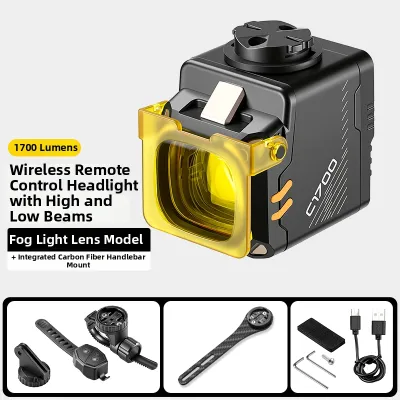
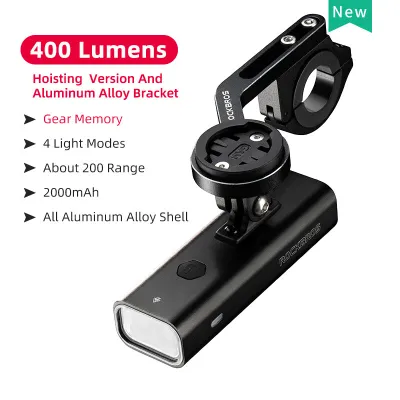
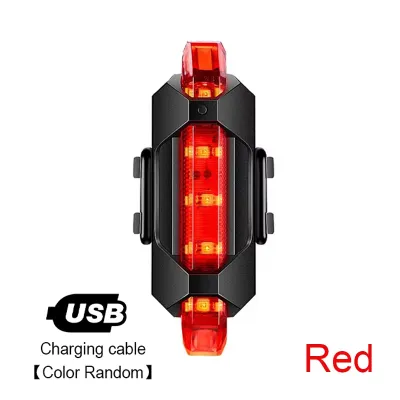
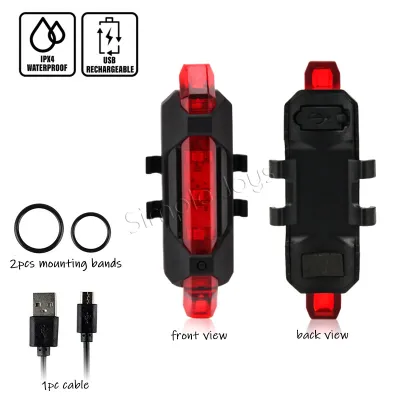
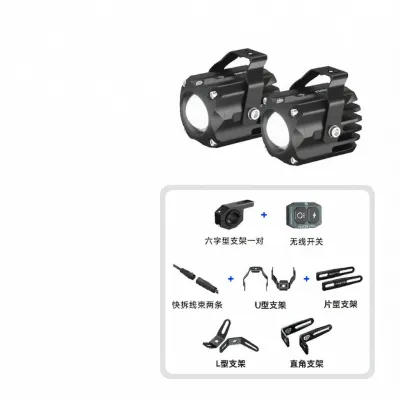
Prices are valid at publication and may change. Please refer to the product page for the latest price.
LED Light Strips (Accent and Underglow Lighting)
LED light strips consist of flexible, adhesive-backed printed circuit boards populated with small surface-mount device (SMD) LEDs. These strips are designed to be mounted discretely along the motorcycle’s frame, under the fuel tank, or beneath the fairings. When activated, they cast a soft, ambient glow downward onto the road surface and inward to illuminate the engine bay and mechanical components.
The primary target user for light strips is the rider who wants to customize their bike’s appearance for night meets or show events, as well as those looking to improve their lateral visibility. Standard motorcycle headlights and taillights project light forward and backward, leaving the bike’s side profile almost completely dark. Light strips help solve this by creating a large, illuminated footprint on the ground, making the motorcycle far more visible to vehicles pulling out of side streets or merging from adjacent lanes.
However, light strips have severe functional limitations. They feature completely unfocused optics with zero throw, meaning they project no usable beam forward. They will not help you see road hazards, potholes, or obstacles in the dark. Attempting to use them as a primary source of forward illumination is highly dangerous.
When purchasing LED light strips, use this essential buying checklist:
- IP Rating: Verify the product has a minimum rating of IP67 or IP68, ensuring complete protection against dust and high-pressure water jets during heavy downpours or bike washes.
- Voltage Compatibility: Ensure the strips are rated for a standard 12V DC automotive system to prevent premature burnout or dimming.
- Adhesive Quality: Look for strips that utilize genuine, heat-resistant acrylic foam tape (such as 3M VHB) and are encased in flexible, UV-resistant silicone sleeves that will not yellow or crack under intense tropical heat.
LED Fog Lights (Low-Beam Auxiliary Lighting)
LED fog lights are high-intensity auxiliary lamps designed to project a wide, flat-topped beam of light directly onto the road surface. They are engineered to be mounted low on the motorcycle—typically on the front forks, crash bars, or engine guards. This low positioning allows the light to sweep under the rider’s line of sight, illuminating the road without reflecting off airborne moisture.
These lights are indispensable for long-distance tourers, night riders, and daily commuters who must navigate Singapore’s intense tropical monsoon seasons. When torrential rain or heavy mist reduces visibility to a few meters, standard high-beams will reflect off the water droplets, creating a blinding white wall of glare. Fog lights cut through this moisture by casting a low, wide beam that clearly defines lane markings, road edges, and immediate obstacles.
The main limitation of LED fog lights is their potential to blind oncoming traffic if they are mounted too high or angled incorrectly. Because they project a highly concentrated beam, even a slight upward tilt can cause severe glare for other road users, creating a major safety hazard. Additionally, they consume significantly more electrical power than decorative accent lights, requiring a robust electrical system.
Before purchasing LED fog lights, verify these critical specifications:
- Sharp Cut-Off Line: Ensure the optics feature a distinct horizontal cut-off pattern to prevent light from bleeding upward into the eyes of oncoming drivers.
- Housing Material: Opt for heavy-duty die-cast aluminum housings with integrated cooling fins to dissipate heat efficiently and prolong the lifespan of the LEDs.
- Power Draw: Check the rated wattage per lamp and compare it against your motorcycle's spare alternator capacity to avoid overloading your electrical system.
LED Daytime Running Lights (DRLs)
LED daytime running lights (DRLs) are specialized, low-draw forward-facing lights designed specifically to make your motorcycle more visible to other road users during daylight hours. Unlike headlights, which are engineered to project a focused beam to illuminate the road surface ahead, DRLs utilize wide-angle optics to scatter bright, highly conspicuous light over a broad forward arc.
The target user for DRLs is the daily urban commuter who frequently navigates heavy traffic, lane-splits on busy expressways, or passes through complex intersections. In bright daylight, a single motorcycle headlight can easily blend into the background glare or be obscured by larger vehicles. DRLs create a distinct visual signature that catches the attention of drivers looking in their rear-view mirrors or waiting to turn at junctions, significantly reducing the risk of “looked-but-failed-to-see” accidents.
It is crucial to understand that DRLs are not a replacement for main headlights at night. Because their light is scattered rather than focused into a projected beam, they do not provide the necessary throw to illuminate road hazards in the dark. Furthermore, some cheap aftermarket DRLs are excessively bright or use unapproved color temperatures, which can cause discomfort to other drivers and violate road safety standards.
When shopping for LED DRLs, keep this checklist in mind:
- Smart Integration: Look for kits that feature automatic dimming modules, which reduce the DRL brightness by 50% or more when the main headlight is switched on at night to prevent blinding other drivers.
- Color and Legality: Ensure the light output is strictly limited to pure white or amber, as other colors are illegal for forward-facing lights.
- Mounting Profile: Choose compact, aerodynamic designs that can mount cleanly near the headlight cowl, handguards, or mirror stems without restricting your steering sweep or blocking cooling airflow to the radiator.
Critical Pre-Purchase Checks: Legality, Power, and Fitment for Your Bike Light
Before purchasing any auxiliary lighting system, you must verify several non-negotiable technical, physical, and legal boundaries. Failing to perform these checks can result in expensive fines, electrical failures, or physical damage to your motorcycle.

Legal Compliance in Singapore The Land Transport Authority (LTA) enforces strict regulations regarding aftermarket vehicle lighting to ensure road safety for all users. Any auxiliary lighting modification must comply with these rules to pass mandatory vehicle inspections and avoid heavy penalties.
- Permitted Colors: Forward-facing lights must strictly emit white or amber light, while rear-facing lights must be red. Underglow light strips must not emit red light toward the front or white light toward the rear.
- Strobe and Flash Restrictions: Flashing, strobing, or color-cycling lights (such as RGB multi-color light strips) are strictly illegal while riding on public roads. All auxiliary lights must emit a steady, constant beam.
- Mounting and Operation: Auxiliary fog lights must be mounted symmetrically in pairs, positioned below the height of the main headlight, and wired through an independent, dedicated switch. They must be aligned downward to prevent glare. Before purchasing any lighting kit, always verify its compliance with the latest LTA directives and consult your motorcycle's manufacturer guidelines.
Electrical System Capacity Your motorcycle’s electrical system has a finite power budget. The stator (alternator) generates alternating current, which is converted to direct current by the regulator-rectifier to power the bike’s electronics and charge the battery.
- Calculating the Surplus: To determine if your bike can handle auxiliary lights, you must find its total stator output (typically listed in the owner's manual) and subtract the power consumed by all stock electrical components.
- The Risk of Overloading: Smaller-capacity motorcycles, such as Class 2B scooters and commuter bikes (under 200cc), often have very limited surplus power (sometimes as low as 30W to 50W). Adding a pair of high-draw 30W fog lights (60W total) will exceed this surplus, forcing the system to draw power from the battery while riding. This leads to a gradual battery drain, dimming headlights, blown fuses, and eventually, an engine stall that leaves you stranded.
Mounting and Space Constraints Physical placement requires careful planning to avoid interfering with the motorcycle’s mechanical operations.
- Fog Lights: These require rigid, vibration-free mounting points close to the ground, such as crash bars, engine guards, or dedicated fork mounts. Ensure that the lights and brackets do not contact the front mudguard or radiator when the front forks are fully compressed under hard braking.
- DRLs: These must be positioned high enough to be seen by drivers in front of you but must not block the airflow to your engine's radiator or oil cooler.
- Light Strips: These require flat, non-porous surfaces for the adhesive to bond securely. They must be routed far away from extreme heat sources (like the exhaust header or engine cylinder head) and moving parts (such as the drive chain, belt, or suspension linkages) to prevent melted wiring or mechanical binding.
Switchgear and Wiring Auxiliary lights should never be wired directly to the battery without a switch or a relay. You must install a dedicated, waterproof, handlebar-mounted switch to control your fog lights or DRLs independently. This allows you to quickly turn them off when entering well-lit urban areas or when facing oncoming traffic on narrow roads.
Feature Comparison: Light Strips vs. Fog Lights vs. DRLs
To help you quickly compare these three lighting types, the table below summarizes their primary characteristics across critical decision-making dimensions.
| Lighting Type | Primary Purpose | Beam Pattern | Best Riding Condition | Relative Power Draw | Installation Complexity |
|---|---|---|---|---|---|
| LED Light Strips | Aesthetic customization & side visibility | Unfocused, ambient glow | Clear nights & dark urban areas | Very Low | Moderate (requires careful routing) |
| LED Fog Lights | Cutting through poor weather & road illumination | Wide, flat-topped beam with sharp cut-off | Heavy rain, mist, & unlit roads | High | High (requires relay, fuse, & switch) |
| LED DRLs | Increasing daytime conspicuity to others | Wide-angle, scattered forward beam | Daytime traffic & overcast conditions | Low to Moderate | Moderate (requires ignition-switched power) |
Installation Realities and Safety Boundaries
Installing aftermarket electrical accessories on a motorcycle requires a disciplined approach to prevent damage to your bike’s sensitive electronics.
Wiring Best Practices Never tap high-draw auxiliary lights directly into your stock headlight or horn wiring harness. The thin OEM wires are designed to carry specific, low-current loads; overloading them can melt the insulation, trigger ECU error codes, or cause a catastrophic electrical fire. Always use a dedicated wiring harness that includes a 12V automotive relay, an inline fuse holder (with a fuse rated appropriately for the light’s current draw), and high-quality copper wiring. The relay acts as a heavy-duty switch, drawing power directly from the battery to the lights, while using a tiny, safe “trigger” current from an ignition-switched wire (such as the accessory socket or city light) to turn the system on and off.
Waterproofing Singapore’s tropical climate features intense humidity and sudden, torrential downpours. Water can easily seep into poorly sealed connections, causing short circuits, rapid corrosion, and system failure. Use marine-grade, adhesive-lined heat shrink tubing over all soldered joints. Apply a generous amount of dielectric grease inside all plug-in connectors to repel moisture. Wrap wiring looms in high-quality, weather-resistant electrical tape or split-conduit tubing.
When to Seek Professional Help If you are not comfortable reading wiring schematics, using a multimeter, soldering, or routing wires safely through the steering neck (where they must flex repeatedly without pinching or pulling), take your bike to a professional motorcycle workshop. Professional installation typically costs between S$50 and S$150 depending on complexity, but it ensures your electrical system remains safe, reliable, and compliant with your manufacturer’s warranty.
Frequently Asked Questions (FAQ)
Can I install all three types of LED lights on my motorcycle?
Yes, physically installing all three is possible, but you must strictly manage your motorcycle’s electrical budget and comply with local laws. The total power draw of light strips, fog lights, and DRLs must not exceed your stator’s surplus output, or you will face a dead battery. Additionally, under Singapore’s LTA guidelines, you must ensure that the placement, colors, and operation of these combined lights do not violate safety regulations or create a hazardous glare for other road users.
Do LED bike lights drain the battery when the engine is off?
Properly wired LED lights will not drain your battery when the ignition is switched off. This is achieved by wiring the lights through a relay triggered by a switched power source (such as the ignition switch or city light circuit), which completely cuts power to the accessories when the key is turned off. However, if you wire the lights directly to the battery with a simple manual switch, forgetting to turn them off—or experiencing a faulty, stuck relay—will cause a continuous parasitic draw that drains your battery overnight.
Community discussion
Share your experience or ask a question. Comments are reviewed before publication.