
Upgrading your vehicle’s lighting system is a practical way to improve both safety and aesthetics. However, choosing the right car accessories light setup requires understanding the distinct roles of LED light strips, fog lights, and daytime running lights (DRLs). The ideal choice depends entirely on whether your primary goal is aesthetic customization, severe weather visibility, or daytime conspicuity. While these options might seem interchangeable to a casual observer, installing the wrong type or mounting them incorrectly can lead to poor road visibility, electrical failures, or legal penalties.
Before purchasing any aftermarket lighting, you must verify your vehicle’s electrical capacity and consult your owner’s manual. Every vehicle has a specific alternator output and wiring threshold that must not be exceeded. Furthermore, local transport regulations dictate what types of lights are permitted on public roads. Understanding these differences ensures you make a safe, legal, and functional upgrade to your vehicle’s exterior.
Core Functions and Ideal Driving Conditions
Exterior automotive lights are engineered with specific optical properties to serve distinct safety and aesthetic roles. Using a light outside of its intended purpose—such as attempting to use decorative LED strips as functional daytime running lights—often violates traffic laws and compromises road safety. Each lighting type utilizes unique lens designs, bulb technologies, and mounting positions to project light in a highly controlled manner.
Products mentioned in this guide
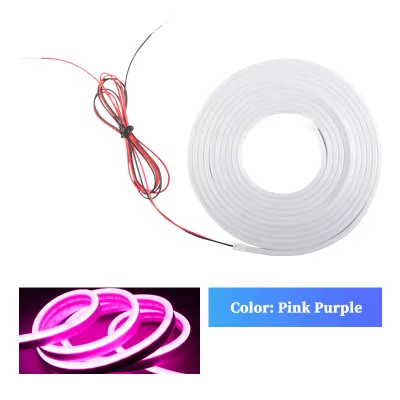
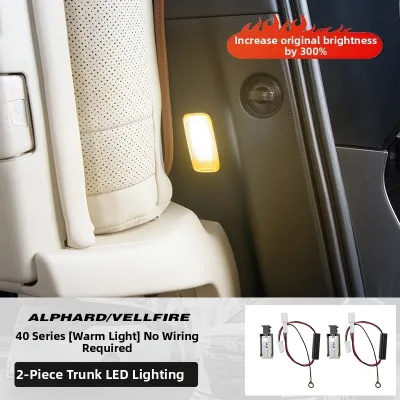
Prices are valid at publication and may change. Please refer to the product page for the latest price.
LED Light Strips
Flexible LED light strips are primarily designed for aesthetic customization, such as underglow lighting, engine bay accents, or cosmetic grille illumination. They consist of multiple low-power light-emitting diodes mounted on a flexible circuit board, often encased in a protective silicone sleeve. While they offer a modern, customized look for car shows or low-speed off-road driving, they lack the focused beam patterns and optical lenses required to illuminate the road ahead. Consequently, they are entirely unsuitable for high-speed night driving or as a primary light source, and their use on public roads is heavily restricted in many jurisdictions.
Fog Lights
Fog lights are specialized safety devices engineered to improve visibility during severe weather conditions, such as heavy tropical downpours, dense mist, or haze. Unlike standard headlights, fog lights emit a wide, flat beam of light with a sharp upper cutoff. This beam is projected low to the ground to illuminate the road surface and lane markings directly in front of the vehicle. By directing light beneath the fog or rain layer, they minimize backscatter glare, which occurs when high beams reflect off water droplets back into the driver’s eyes. However, because they project a wide and intense pattern, using them in clear, dry conditions can easily blind oncoming motorists.
Daytime Running Lights (DRLs)
Daytime running lights are low-wattage lights designed to make your vehicle more visible to other road users, including pedestrians and oncoming drivers, during daylight hours. Unlike headlights, which are designed to help the driver see the road, DRLs are designed to help others see the vehicle. They turn on automatically when the engine starts and typically dim or turn off when the main headlights are activated. Because their beam pattern is diffused and directed slightly upward to catch the attention of other drivers, they do not provide sufficient or focused illumination for night driving. Relying on DRLs alone at night is highly dangerous as it leaves the rear of the vehicle unlit and fails to illuminate the road ahead.
Feature and Specification Comparison
To choose the correct car accessories light for your vehicle, it is helpful to compare their technical attributes, mounting requirements, and installation complexity. The table below outlines these key differences to guide your selection process. Note that specific brightness levels, color temperatures, and mounting heights must always be verified against your local vehicle standards and your car’s technical documentation rather than relying solely on manufacturer marketing claims.

| Light Type | Beam Pattern | Primary Purpose | Typical Mounting Location | Installation Complexity |
|---|---|---|---|---|
| LED Light Strips | Diffused, ambient glow | Aesthetic customization and accent lighting | Underbody, grille, or engine bay | Low to Moderate (requires secure mounting and basic wiring) |
| Fog Lights | Wide, flat beam with sharp upper cutoff | Severe weather visibility (rain, fog, mist) | Front bumper, below the headlight level | Moderate to High (requires precise alignment and relay wiring) |
| Daytime Running Lights (DRLs) | Diffused, low-intensity forward beam | Daytime vehicle conspicuity and safety | Integrated into headlights or front bumper fascia | Moderate (requires ignition-switched power source) |
When reviewing product specifications, pay close attention to the color temperature, which is measured in Kelvin (K). While cool white or blue-tinted lights (above 6000K) are popular for their modern appearance, they may not offer the best visibility in wet conditions. For instance, lower color temperatures (around 3000K to 4300K) produce a warmer, yellow-to-warm-white light that is often preferred for fog lights because it penetrates moisture more effectively without causing excessive glare. Always cross-reference these specifications with your vehicle’s electrical system to ensure compatibility.
Legal Compliance and Safety Boundaries
Installing aftermarket exterior lighting is subject to strict regulatory frameworks to ensure public road safety. In Singapore, the Land Transport Authority establishes clear guidelines regarding the color, placement, and operation of vehicle lights. Non-compliant modifications can result in failed vehicle inspections, fines, or a directive to restore the vehicle to its original factory condition.
Color restrictions are among the most critical legal boundaries to observe. Forward-facing lights must generally emit white or amber light, while rear-facing lights must be red or amber. Installing forward-facing red, blue, or green lights is strictly prohibited for civilian vehicles, as these colors are reserved for emergency and law enforcement vehicles. Additionally, flashing or strobing lights are illegal on public roads due to the extreme distraction they cause to other motorists.
Glare control and beam alignment are equally vital safety considerations. Fog lights and DRLs must be mounted at specific heights and angles to prevent blinding oncoming traffic. If you install aftermarket fog lights, they must be aligned using professional aiming equipment to ensure the sharp cutoff line remains below the windshield level of oncoming cars. Improperly aligned lights pose a severe safety hazard on two-way roads.
To maintain legal compliance, aftermarket lights must be wired correctly. Many jurisdictions require that auxiliary fog lights operate via an independent, clearly marked switch inside the cabin. This switch must allow the driver to turn the auxiliary lights off manually when weather conditions clear. DRLs must be wired to automatically dim or shut off when the main headlamps are switched on to prevent nighttime glare. Before purchasing any lighting kit, verify these wiring requirements against your vehicle’s original electrical schematic.
Decision Framework: Which Light Fits Your Needs?
Selecting the right car accessories light depends on your driving habits, local climate, and aesthetic goals. Use the following decision framework to determine which lighting upgrade aligns with your specific requirements:
- Choose Fog Lights if: You frequently drive during heavy tropical downpours, late-night mist, or on poorly lit rural roads. Fog lights are the correct choice if you need to illuminate the road edges and lane markings immediately in front of your bumper without reflecting light back into your eyes. They are a functional safety upgrade rather than a cosmetic one.
- Choose DRLs if: Your vehicle was manufactured without factory-installed daytime running lights, and you want to improve your vehicle's visibility during daytime urban driving. DRLs are highly recommended for daily commuters who want to reduce the risk of multi-vehicle collisions in busy traffic.
- Choose LED Light Strips if: Your primary goal is static aesthetic customization for car shows, private property displays, or low-speed off-road recreation. You must be fully aware of local legal restrictions regarding underglow or accent lighting on public roads and be prepared to keep them switched off during normal driving.
- Verify first if: You are unsure whether your vehicle's alternator and battery can handle the additional electrical load. Modern vehicles feature complex electronic control units (ECUs) and sensitive wiring harnesses. Adding high-draw lighting without verifying compatibility can trigger dashboard error codes, void your manufacturer's warranty, or damage sensitive electronic components. Always consult your vehicle's manual or a certified technician before proceeding.
Installation, Wiring, and Maintenance Checks
Proper installation is critical to ensuring the longevity of your aftermarket lights and protecting your vehicle’s electrical system. Any electrical modification carries inherent risks of short circuits, component damage, or even vehicle fires if executed poorly. Therefore, adhering to proper wiring standards is a non-negotiable safety boundary.
When integrating new lights into your vehicle’s electrical system, never tap directly into existing headlight wires without a relay. Always use a dedicated wiring harness equipped with an inline fuse and an automotive relay. The relay acts as a switch, drawing power directly from the battery to illuminate the new lights while using a low-current signal from your vehicle’s cabin switch or ignition line. This setup prevents overloading your factory wiring harness and protects sensitive vehicle electronics from voltage spikes.
Environmental protection is another key factor for exterior components. Because these lights are mounted on the vehicle’s exterior, they are constantly exposed to road debris, high humidity, heavy rain, and high-pressure car washes. Before purchasing, verify the Ingress Protection (IP) rating of the light housing. Look for lights rated IP67 or IP68, which indicates they are dust-tight and capable of withstanding continuous water immersion. Additionally, apply dielectric grease to all electrical connectors to prevent moisture intrusion and corrosion over time.
While basic plug-and-play kits may seem straightforward, complex installations involving bumper removal, custom mounting brackets, or integration with the vehicle’s CAN-bus system require professional expertise. If your installation requires splicing into the factory wiring harness or modifying structural bumper components, it is highly recommended to consult a qualified automotive electrician. Professional installation ensures that all connections are soldered, insulated with heat-shrink tubing, and routed safely away from hot engine components or moving suspension parts.
Frequently Asked Questions (FAQ)
Can I install all three types of lights on my car?
Yes, it is physically possible to install LED light strips, fog lights, and daytime running lights on a single vehicle, provided there is adequate mounting space and electrical capacity. However, doing so significantly increases the complexity of your vehicle’s wiring and places a higher demand on your alternator and battery. You must ensure that each light type is wired to its own dedicated circuit with appropriate fuses and relays. Most importantly, each installed light must independently comply with local transport regulations regarding mounting height, color, and operational conditions.
Do aftermarket exterior lights drain the car battery?
Modern aftermarket lights that utilize LED technology generally draw very little power compared to older halogen bulbs, meaning they have a negligible impact on your battery when the engine is running and the alternator is actively charging the system. However, if you wire accent lights or LED strips directly to a constant 12-volt power source without an ignition-switched relay, they will continue to draw power even when the vehicle is parked and turned off. To prevent draining your battery, always wire aftermarket lights to an ignition-switched source or install an automatic cutoff switch.
Community discussion
Share your experience or ask a question. Comments are reviewed before publication.