
Choosing the right seat cover material for your BYD Sealion 7 in Singapore’s tropical climate is a balancing act between comfort, aesthetics, and practical maintenance. With high humidity and warm temperatures year-round, the cabin environment can quickly become uncomfortable during daily commutes if your seats trap heat and sweat. The ideal choice depends heavily on your vehicle’s specific trim features—such as whether you have active seat ventilation—and your personal preference for either maximum passive airflow or a surface that is easy to wipe clean.
For drivers with active seat ventilation, a highly perforated leather or a thin, open-weave mesh cover is essential to avoid blocking the cooling airflow. For those without active ventilation, breathable mesh offers superior passive cooling by preventing heat buildup, whereas synthetic or genuine leather provides a premium look and is much easier to wipe clean after a sweaty commute or a sudden tropical downpour.
Assessing Your BYD Sealion 7's Factory Seat Features
The BYD Sealion 7 comes in different trim levels, some of which may include factory-installed seat ventilation or heating systems. Before purchasing any aftermarket seat cover, it is essential to check your vehicle’s specifications to confirm if these active climate features are present. Installing a solid, non-perforated seat cover over a ventilated seat will block the airflow entirely, rendering a premium factory feature useless. The cooling air generated by the seat’s internal fans needs a clear path to reach your body. If your trim has ventilated seats, you must look for seat covers specifically designed with high-density perforations or open-weave mesh that allow the air to flow freely.
Products mentioned in this guide
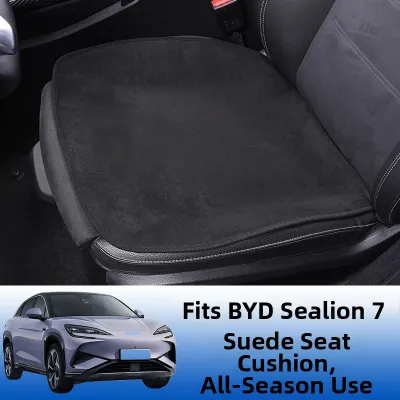
Prices are valid at publication and may change. Please refer to the product page for the latest price.
Additionally, the physical design of the Sealion 7’s seats—featuring integrated headrests and sporty, pronounced side bolsters—means that generic, one-size-fits-all covers will rarely fit correctly. Loose or poorly fitting covers can block ventilation ports, compress seat sensors, or slide around during transit. Always refer to your owner’s manual to identify the exact locations of any integrated seat sensors, heating elements, and ventilation systems to ensure your chosen accessory does not interfere with their operation.
Leather vs. Breathable Mesh: Navigating Heat and Humidity
Navigating Singapore’s intense heat and high relative humidity requires a clear understanding of how different materials behave when exposed to sweat and solar radiation. Neither leather nor breathable mesh is a universally perfect solution; instead, each material offers a distinct set of advantages and trade-offs that cater to different driving habits and maintenance preferences.

Leather and Synthetic Leather Options
Genuine and synthetic leather options are popular for their premium appearance and durability, but they present unique challenges in a tropical climate. Solid leather surfaces absorb heat rapidly, especially when the vehicle is parked in unsheltered car parks under the intense Singapore sun. Without adequate ventilation, sitting on a hot leather seat can cause immediate discomfort and sweating. To mitigate this, it is highly recommended to select leather covers that feature deep, consistent perforation patterns. These perforations allow a basic level of passive heat dissipation, preventing the material from clinging to your skin.
On the positive side, leather is highly resistant to moisture absorption. In a humid environment where sudden rain showers are common, or after a strenuous workout, sweat and dampness will sit on the surface of the leather rather than soaking into the seat foam. This non-porous nature makes leather exceptionally easy to maintain; you can simply wipe away sweat, dirt, and spills with a dry microfiber cloth. When evaluating leather options, check the product labels for UV-resistant treatments and breathability ratings to ensure the material can withstand prolonged exposure to sunlight without cracking or fading.
Breathable Mesh and Fabric Options
Breathable mesh and fabric seat covers are designed specifically to maximize passive air circulation, making them an excellent choice for drivers seeking to minimize sweat during long drives. The open-weave structure of mesh allows air to flow naturally between your body and the seat, preventing the buildup of surface heat and moisture. This passive cooling effect is particularly beneficial if your BYD Sealion 7 trim does not include active seat ventilation, as it helps maintain a comfortable body temperature without relying solely on the car’s air conditioning.
However, the porous nature of mesh presents a significant trade-off in terms of hygiene and maintenance. Unlike leather, mesh easily absorbs sweat, body oils, spilled liquids, and ambient moisture from the air. In Singapore’s persistently humid climate, this trapped moisture can quickly become a breeding ground for bacteria, leading to musty odors and mold growth if left unaddressed. To manage this risk, look for high-quality mesh covers that feature multi-layer construction, incorporating a moisture-wicking top layer and a quick-drying core. Ensure the covers are designed with durable edge binding to prevent fraying and a reliable anti-slip backing to keep them securely in place. Most importantly, opt for designs that are easy to remove and machine-washable, allowing you to maintain a clean and fresh cabin environment with minimal effort.
Key Fitment and Safety Checks for Seat Covers
Beyond comfort and aesthetics, safety must be your primary consideration when selecting and installing seat covers for the BYD Sealion 7. Modern vehicles feature sophisticated safety systems integrated directly into the seats, and any aftermarket modification must respect these boundaries. The front seats of the Sealion 7 contain side airbags designed to deploy rapidly in the event of a side-impact collision.
Safety Boundary: Installing a seat cover that does not have certified airbag-compatible seams or dedicated cutouts can delay or entirely block the deployment of these airbags, posing a severe safety risk to the occupants. Before purchasing any seat cover, verify that the manufacturer explicitly certifies the product as side-airbag compatible, utilizing specialized weak-thread stitching designed to break instantly upon airbag deployment.
Additionally, the cover must feature a high-quality, non-slip backing to prevent it from shifting or bunching during sudden braking, sharp cornering, or emergency maneuvers. A shifting seat cover can distract the driver or interfere with their ability to operate the pedals safely. Finally, ensure that the cover’s design does not obstruct essential vehicle controls and features, including manual or electronic seat adjustment switches, seatbelt buckles, rear ISOFIX anchors, and integrated occupant detection sensors. If a cover is too tight or poorly aligned, it can compress these sensors, leading to false seatbelt warnings or preventing the vehicle’s safety systems from accurately detecting passenger presence.
Maintenance and Care in a Humid Environment
Maintaining your seat covers in Singapore’s humid climate is essential to prolonging their lifespan and preventing the accumulation of mold, mildew, and unpleasant odors. For leather and synthetic leather covers, establish a weekly routine of wiping the surfaces with a slightly damp microfiber cloth to remove salt deposits and oils left behind by sweat. Follow this immediately with a dry cloth to prevent moisture from pooling in the perforations. Every few months, apply a dedicated leather conditioner that features UV protection, taking care to use a formula that does not clog the perforation holes.
For mesh and fabric covers, regular vacuuming is necessary to remove dust, pet hair, and dead skin cells that can accumulate within the open weave. If the covers are removable, wash them periodically using a mild detergent and allow them to dry completely in a well-ventilated area before reinstalling them. Reinstalling even slightly damp mesh covers in a closed vehicle will rapidly lead to mold growth.
To manage overall cabin humidity, utilize your vehicle’s air conditioning system effectively and consider placing a compact, spill-proof dehumidifier bag under the seats. Avoid using harsh chemical cleaners, bleach, or excessive amounts of water, as these can strip protective coatings from leather, degrade synthetic mesh fibers, or seep into the underlying seat foam, causing long-term damage.
Frequently Asked Questions (FAQ)
Will adding a seat cover void my BYD warranty?
Adding aftermarket seat covers typically does not void your entire BYD vehicle warranty. However, any damage directly caused by the installation or use of the seat covers—such as staining or tearing the original factory upholstery, damaging the integrated heating or ventilation elements, or interfering with the operation of seat sensors and airbags—will not be covered under the manufacturer’s warranty. To ensure compliance and safety, always consult your BYD owner’s manual and consider verifying compatibility with an authorized service center before installing aftermarket interior accessories.
How do I prevent mold on mesh seat covers in Singapore?
Preventing mold on porous mesh covers requires diligent moisture management. Always ensure that the covers are completely dry after washing before you reinstall them in your vehicle. Avoid leaving wet items, such as umbrellas, raincoats, or damp gym clothes, on the seats for extended periods. Regularly run your vehicle’s air conditioning to dehumidify the cabin air, and park in well-ventilated areas whenever possible. If a spill occurs, blot it immediately with a clean, absorbent cloth and allow the area to dry thoroughly to prevent moisture from sinking into the seat foam.

Community discussion
Share your experience or ask a question. Comments are reviewed before publication.