
Selecting the right cooling seat cover is a practical necessity for drivers operating in hot, humid climates where parked vehicles rapidly turn into heat traps. The ideal material depends on whether your priority is active ventilation, plush cushioning, or straightforward maintenance. Breathable mesh generally offers the highest ventilation by creating physical air gaps, fabric provides a balanced middle ground for everyday comfort, and solid leather tends to trap heat unless it features deep, functional perforation. Because material names alone do not guarantee thermal performance, this guide breaks down the physical properties, structural features, and safety checks you need to evaluate before choosing the right cooling seat cover for your vehicle.
How Seat Cover Materials Manage Heat
To understand how different seat covers keep you cool, it is essential to look at the physics of heat transfer. Heat moves from your body to the seat through conduction, which is the direct transfer of thermal energy through physical contact. When you sit flush against a solid surface, your body heat quickly warms the material, and without an escape route, that heat remains trapped. Convection, on the other hand, relies on the movement of air to carry heat away. A cooling seat cover’s primary job is to facilitate convection by keeping air moving between your body and the seat.
The underlying seat foam and factory upholstery of your vehicle also play a major role in heat retention. Standard automotive seats are heavily padded with dense polyurethane foam, which acts as an excellent thermal insulator. This foam absorbs heat from both the cabin air and your body, retaining it for hours during long drives. If your seat cover does not have built-in ventilation channels, it simply adds another layer of insulation, compounding the heat problem.
Products mentioned in this guide
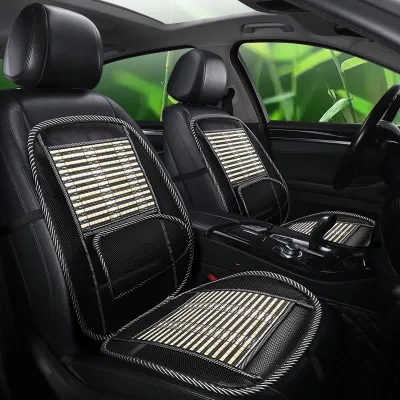
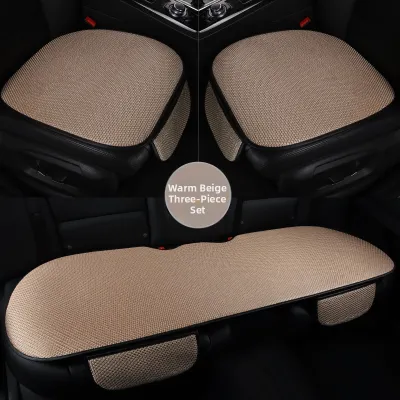
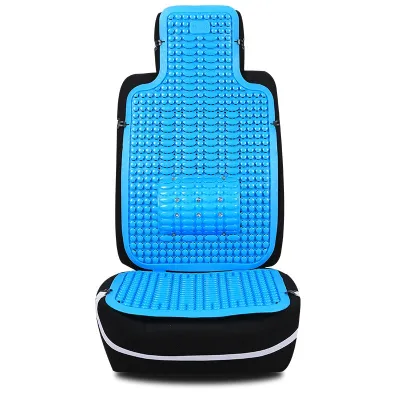
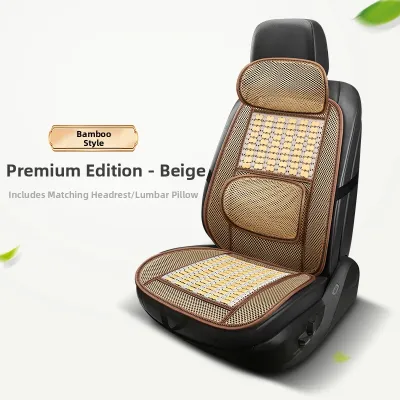
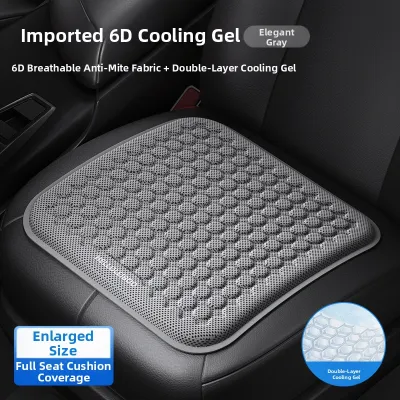
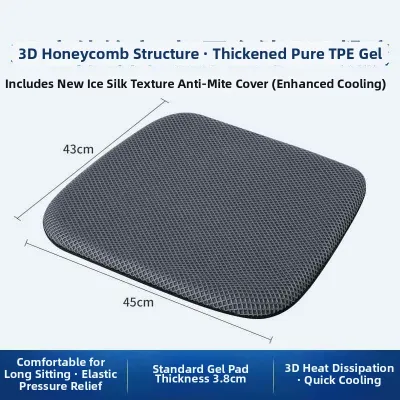
Prices are valid at publication and may change. Please refer to the product page for the latest price.
When evaluating product labels, look for specific structural features designed to combat this insulation effect. High-performance cooling covers often utilize 3D spacer fabrics, which feature a network of vertical micro-filaments that maintain an open air gap even under the weight of an occupant. Other key features include deep perforation patterns that allow trapped heat to escape and specialized moisture-wicking treatments that pull sweat away from the skin, accelerating natural evaporative cooling.
Breathable Mesh: Maximizing Airflow and Ventilation
Breathable mesh seat covers are engineered specifically for drivers who prioritize active cooling and continuous air circulation over plush cushioning. These covers typically feature a multi-layered 3D mesh structure that creates a physical barrier between your back and the seat. This open-weave design allows ambient cabin air, especially from your vehicle’s air conditioning vents, to flow freely behind you, significantly reducing skin contact and promoting convective cooling.

While mesh is highly effective at preventing back sweat, it does come with distinct trade-offs. The textured, open structure of heavy-duty mesh can feel abrasive against bare skin, making it less comfortable for drivers wearing shorts or thin clothing. Additionally, the open pores of the mesh allow dust, sand, and food crumbs to pass through and settle onto the factory upholstery underneath. This means you will need to remove the cover periodically to vacuum the seat surface. Sharp objects like keys, pens, or velcro straps can also snag the delicate fibers of the mesh, leading to premature wear.
Before purchasing a mesh seat cover, verify the density of the weave and the stability of the backing material. A high-quality mesh cover should feature non-slip silicone beads or a textured lining on the underside to prevent it from sliding around as you enter and exit the vehicle. Most importantly, check the manufacturer’s specifications to ensure the cover features open side panels or specialized stitching that is fully compatible with your vehicle’s side airbags.
Fabric: Balancing Breathability and Everyday Comfort
Fabric seat covers offer a practical compromise for drivers seeking a familiar, soft seating surface combined with moderate thermal regulation. Unlike mesh, which can feel stiff and utilitarian, fabric covers provide a cushioned, comfortable feel that closely mimics standard factory upholstery. This makes them highly suitable for daily commuting and family vehicles where passenger comfort is a top priority.
The cooling performance of fabric depends heavily on the type of textile used. Standard woven cotton or polyester blends offer basic breathability but can still trap moisture over time. Specialized cooling fabrics, however, incorporate moisture-wicking weaves or thermal-conductive fibers designed to pull sweat away from the body and spread it across a wider surface area. This rapid moisture dissipation is particularly beneficial in humid tropical climates, where natural sweat evaporation is severely hindered by high ambient moisture.
Maintenance is the primary consideration when choosing fabric. Because fabric is porous and absorbent, it is highly susceptible to staining from spilled drinks, sweat, and dirt. Unlike leather, which can be wiped clean, fabric covers usually require removal and machine washing to stay fresh. When selecting a fabric cover, look for options treated with stain-resistant coatings and verify that the material is machine-washable and quick-drying to minimize vehicle downtime.
Leather: Managing Heat Retention and Maintenance
Genuine leather and synthetic alternatives, such as polyurethane (PU) or vinyl, are highly valued for their premium appearance, durability, and ease of cleaning. However, solid leather is naturally non-porous, making it a poor choice for cooling. It acts as a thermal barrier that traps body heat and prevents sweat from evaporating, often leading to a sticky, uncomfortable driving experience during warm weather.
To offer any meaningful cooling effect, a leather seat cover must feature deep, widespread perforation patterns. These tiny, functional holes allow air to circulate through the material, giving trapped heat an escape route. It is important to verify that these perforations are fully open and not merely cosmetic dimples pressed into the surface. Even with perforations, leather will still absorb ambient heat when parked in the sun, requiring a few minutes of air conditioning to cool down to a comfortable temperature.
The major advantage of leather remains its practical maintenance and long-term durability. Spills, dirt, and pet hair can be wiped away instantly with a damp cloth, and the material does not trap dust or allergens like fabric and mesh do. If you prefer the premium look of leather but want to manage heat, look for perforated options that feature a breathable foam backing to help channel air away from your body.
Comparing Materials: Which Cooling Seat Cover Fits Your Drive?
To help you decide which material best suits your driving habits and vehicle environment, compare the core properties of each option below.
| Material | Airflow Efficiency | Surface Comfort | Maintenance Effort | Durability |
|---|---|---|---|---|
| Breathable Mesh | Excellent (High convection) | Moderate (Can feel firm/textured) | Moderate (Debris passes through) | High (Resists tearing) |
| Specialized Fabric | Moderate to Good (Wicking) | High (Soft and cushioned) | High (Requires washing) | Moderate (Prone to staining) |
| Perforated Leather | Low to Moderate (Requires holes) | High (Premium feel) | Low (Wipe-clean surface) | Very High (Wear-resistant) |
Choose Mesh if… your primary goal is to eliminate back sweat during long drives and you do not mind a firmer, more utilitarian seating surface. It is the most effective material for maximizing the reach of your vehicle’s air conditioning.
Choose Fabric if… you want a soft, comfortable seat cover that feels natural against bare skin while still offering decent moisture management and heat dissipation.
Verify First if… you are choosing leather. Ensure the product specifications explicitly state that the perforations are fully open and functional. Check the manufacturer’s care instructions to ensure the material can withstand high cabin temperatures without cracking.
Safety and Compatibility Checks Before Installation
Before installing any aftermarket cooling seat cover, you must verify that it does not compromise your vehicle’s safety systems. Modern vehicles feature side airbags embedded within the front seat backrests. Installing a seat cover that is not specifically designed to accommodate these airbags can delay or completely block their deployment in an accident, posing a severe safety risk. Always look for covers with documented airbag-compatible seams, often marked with an “SRS Airbag” tag, and verify that the cover matches your specific vehicle model and year.
Additionally, if your vehicle has factory-installed seat heating or ventilation, a thick aftermarket cover can insulate the seat, rendering these systems ineffective or causing them to overheat. Check your vehicle owner’s manual to ensure that adding a cover will not restrict the factory system’s intake or exhaust vents. For vehicles with ventilated seats, only highly perforated or open-mesh covers should be used to allow the built-in fans to push air through.
Finally, pay close attention to the installation straps and anchors. Ensure they do not interfere with the motorized seat adjustment tracks, lumbar support mechanisms, or the seat belt pretensioners located beneath the seat cushion. Straps should be secured tightly to prevent the cover from shifting, but they must never be wrapped around moving parts or electrical wiring harnesses. If you are unsure about the routing of the straps, consult a qualified professional to assist with the installation.
Frequently Asked Questions (FAQ)
Do cooling seat covers work with factory ventilated seats?
Yes, but only if the cover is specifically designed with an open-mesh structure or highly dense perforations. Solid fabric or non-perforated leather covers will block the airflow from the factory seat fans, rendering the ventilation system useless. Always check your vehicle owner’s manual and the seat cover manufacturer’s specifications to ensure the cover does not restrict the factory system’s intake or exhaust vents.
Can I leave my cooling seat cover in the car under direct sunlight?
While cooling seat covers are designed to manage heat, leaving your vehicle parked in direct sunlight will cause any material to absorb ambient heat. To protect the cover from UV degradation and prevent it from becoming uncomfortably hot, use a high-quality windshield sunshade when parked. Parking in shaded areas or using window tints can also help preserve the material’s integrity and extend its lifespan.

Community discussion
Share your experience or ask a question. Comments are reviewed before publication.