
No single material is universally the “coolest” in every situation. Breathable mesh provides excellent passive air circulation, fabric offers moderate heat resistance with a softer touch, and leather—unless perforated or paired with active ventilation—absorbs and retains the most heat under direct sunlight. Your ideal cooling car seat cover depends on whether your vehicle has built-in ventilated seats, where you typically park, and your preference for maintenance and comfort.
In tropical climates like Singapore, where cars parked in the open can quickly turn into mobile ovens, choosing the right seat cover material is crucial for daily comfort. The intense heat and humidity make the interaction between your body, the seat cover, and the vehicle’s air conditioning system a primary factor in how comfortable your commute will be. Understanding the physical properties of mesh, fabric, and leather allows you to make an informed decision that aligns with your daily driving habits and vehicle specifications.
How Each Material Handles Heat and Airflow
Mesh is designed specifically to facilitate airflow. Its open-weave structure creates a physical barrier that keeps your body slightly elevated off the dense foam of the car seat. This gap allows air to circulate freely behind your back and beneath your thighs, preventing the buildup of sweat and stagnant heat. Because mesh has very little physical mass compared to solid materials, it retains almost no heat when the car is parked in the sun, allowing it to cool down almost instantly once the air conditioning is turned on.
Products mentioned in this guide
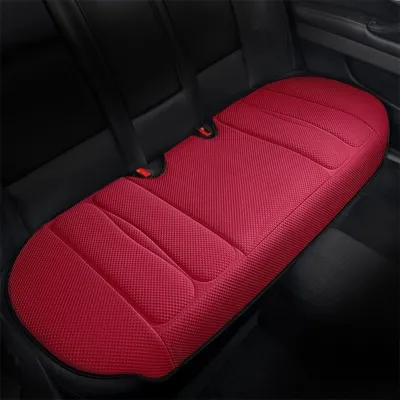
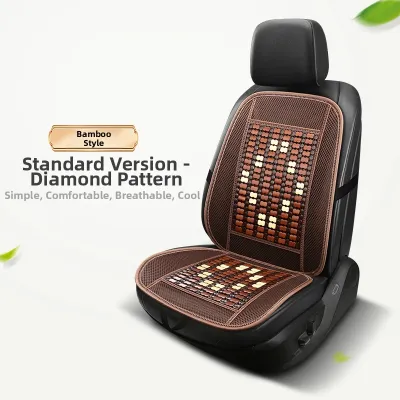
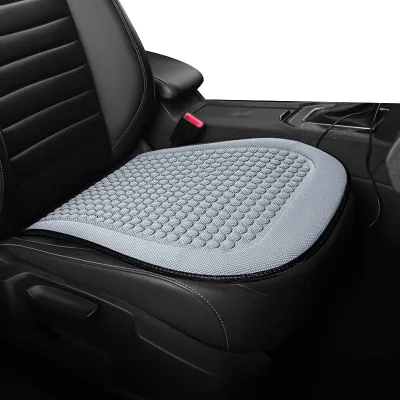
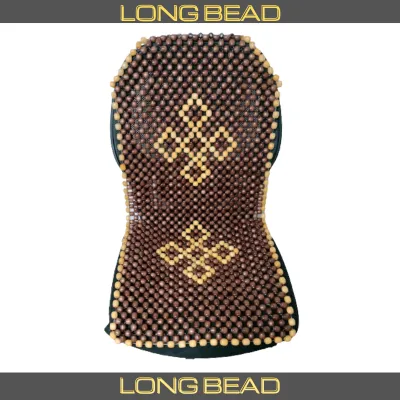
Prices are valid at publication and may change. Please refer to the product page for the latest price.
Fabric seat covers, typically made from woven polyester, nylon, or cotton blends, offer a different set of thermal properties. While fabric does not allow the same level of direct airflow as an open mesh, it possesses moderate breathability. The woven fibers contain tiny air pockets that provide a buffer against temperature extremes. Fabric absorbs heat much more slowly than solid leather, meaning it will not feel scalding to the touch even after hours of exposure to direct sunlight. However, once fabric does absorb heat and moisture from your body, it can take longer to dry out and cool down, especially in high-humidity environments.
Leather, whether genuine or synthetic, behaves very differently under thermal stress. Solid leather has a high density and no natural ventilation, meaning it acts as a heat sink. When exposed to direct sunlight through a windshield, solid leather absorbs solar radiation rapidly and retains that heat for an extended period. When you sit on a hot leather seat, the material blocks any moisture evaporation from your skin, leading to a sticky, uncomfortable sensation. Perforated leather covers mitigate this issue slightly by incorporating tiny punctured holes across the surface, which allow a small amount of trapped air and moisture to escape, though they still lack the active airflow of mesh.
Active vs Passive Cooling: Matching the Cover to Your Car
For vehicles that lack built-in seat ventilation or cooling systems, drivers must rely entirely on passive cooling. In these setups, the seat cover’s primary job is to maximize the efficiency of the cabin’s air conditioning. A passive cooling cover, such as one made of breathable mesh, works by allowing the cool air circulating in the cabin to reach the spaces between your body and the seat. Fabric covers also perform a passive role by absorbing sweat and preventing direct contact with a hot seat surface, though they do not actively promote air movement.

If your vehicle is equipped with built-in ventilated or cooled seats, the compatibility of your seat cover becomes much more complex. Built-in systems rely on fans mounted inside the seat structure to push or pull air through the seat upholstery. Installing a solid leather or thick, heavily padded fabric cover over these seats will completely block the airflow, rendering the expensive built-in cooling system useless. To maintain the functionality of active seat coolers, you must choose a cover specifically designed with high-permeability materials, such as specialized perforated leather or thin, open-weave mesh, which do not obstruct the passage of air from the seat’s internal fans.
Daily Usability: Maintenance, Comfort, and Wear
Beyond immediate cooling performance, daily usability and maintenance are critical factors in the long-term satisfaction with your seat cover. Leather and high-quality synthetic leather covers are exceptionally easy to clean, requiring only a quick wipe with a damp cloth to remove dust, sweat, or spilled liquids. In contrast, fabric and mesh covers tend to trap dust, dirt, and crumbs within their weave. Cleaning them typically requires regular vacuuming, and removing stains or deep-seated sweat odors often necessitates removing the covers entirely for hand washing or machine washing, depending on the manufacturer’s instructions.
Skin contact comfort varies significantly across these materials, particularly during short trips or when wearing light clothing. Solid leather can cause skin to stick uncomfortably when perspiration builds up, creating friction and irritation. Mesh covers prevent this sticking effect by keeping the skin dry, but the textured, sometimes coarse weave of heavy-duty mesh can feel abrasive against bare skin, such as on the back of the legs when wearing shorts. Fabric offers a softer, more traditional texture that is gentle on the skin, making it a preferred choice for those who prioritize tactile comfort over maximum airflow.
Durability under high UV exposure and daily friction is another key consideration. In hot, sunny climates, leather is highly susceptible to drying out, fading, and cracking over time if not regularly treated with UV-protectant conditioners. Fabric covers resist cracking but are prone to fading from sun exposure and can easily absorb stains and odors from sweat. Mesh covers, while highly resilient against temperature extremes, can be vulnerable to snagging or fraying if they come into contact with sharp objects like keys, zippers, or velcro, which can compromise their structural integrity over time.
Decision Framework: Choosing the Right Material for Your Routine
To determine the best material for your daily routine, consider your typical parking conditions, vehicle features, and maintenance preferences.
Choose mesh if your vehicle does not have built-in seat ventilation, you frequently park in open-air car parks under direct sunlight, and your primary goal is to prevent sweat buildup during long drives. The open structure of mesh ensures that you will not sit on a scorching surface, and it allows the cabin’s air conditioning to cool your back as quickly as possible.
Choose fabric if you prefer a soft, cushioned feel and want a material that blends seamlessly with a standard cloth interior. Fabric is ideal for drivers who want moderate protection against heat absorption without the textured feel of mesh, and who do not mind occasionally removing the covers for a thorough wash to keep them smelling fresh.
Choose perforated leather if you want to maintain a premium, executive aesthetic in your cabin and prioritize effortless cleaning. This option is best suited for drivers who primarily park in shaded or indoor multi-storey car parks, or whose vehicles already feature built-in seat ventilation systems that require perforated pathways to function.
Before making any final decision, you must verify whether your vehicle’s front seats contain integrated side-impact airbags. Many modern vehicles house these safety devices within the outer bolster of the seat backrest. If your seats have integrated airbags, you must select a seat cover specifically designed and certified with open sides or specialized breakaway stitching to ensure the airbag can deploy without obstruction in an emergency.
Essential Checks Before Buying a Cooling Seat Cover
When shopping for a cooling car seat cover, safety and proper fitment must always take precedence over aesthetic preferences.
Airbag compatibility is the most critical safety check. A standard, non-compatible seat cover can tightly wrap around the seat frame, preventing the side airbag from deploying or altering its deployment path, which can lead to severe safety risks. Always check the product specifications for explicit confirmation of side airbag compatibility. If you are unsure about the location of your vehicle’s side airbags or how a cover might affect them, stop and consult your vehicle’s owner manual or contact the manufacturer before installing any aftermarket accessory.
Proper fitment and secure anchoring are also essential for both safety and comfort. A loose or poorly fitted seat cover can slide around while you are driving, distracting you or interfering with your ability to operate the pedals safely. Verify that the cover’s strapping system, hooks, and chucks are compatible with your specific seat design. Ensure that the cover does not block access to seat belt buckles, ISOFIX anchor points, or seat adjustment controls, and check whether your headrests are removable, as many cover designs require headrest removal for installation.
Finally, look past generic marketing terms like “cooling” or “ice silk” and carefully inspect the manufacturer’s labels for actual material composition and care instructions. Some covers marketed as “cooling” may simply contain standard synthetic materials with a temporary chemical finish that washes out after a few cycles. Reviewing the care label will also tell you whether the cover requires specialized dry cleaning, hand washing, or if it can be easily tossed into a washing machine, helping you avoid unexpected maintenance hassles down the road.
Frequently Asked Questions (FAQ)
Do cooling gel seat covers actually work better than mesh?
Cooling gel seat covers utilize phase-change materials or gel layers that absorb heat from your body upon initial contact, providing an immediate, noticeable cooling sensation. However, gel has a limited thermal capacity; once the gel absorbs enough body heat to match your skin temperature, the cooling effect stops, and the solid gel can begin to trap heat against your body. Mesh, on the other hand, does not provide an active cold sensation but offers continuous, unrestricted passive airflow. This makes mesh far more effective for long drives, as it prevents heat and sweat buildup indefinitely, whereas gel is better suited for short trips where quick, temporary relief is desired.
Can I use a mesh seat cover on top of heated seats in winter?
While you can physically place a mesh seat cover over a heated seat, the open-weave structure of the mesh will significantly reduce the heating system’s efficiency. Heated seats rely on direct thermal conduction to transfer heat from the seat surface to your body. The air gap created by a mesh cover acts as an insulator, allowing the heat to dissipate into the cabin air before it reaches you. If you live in a climate with distinct seasons and rely on heated seats during colder months, a breathable fabric or perforated leather cover is a more versatile choice, as they allow heat transfer while still offering moderate breathability during warmer periods.

Community discussion
Share your experience or ask a question. Comments are reviewed before publication.