
Choosing the most suitable car seat neck support requires balancing your daily driving environment, personal comfort preferences, and maintenance habits. The right material can transform a grueling commute into a relaxed journey, while the wrong choice can lead to accumulated sweat, skin irritation, or premature wear. Leather, fabric, and mesh each offer distinct advantages: leather provides a premium, easy-to-clean surface; fabric delivers a soft, temperature-neutral grip; and mesh offers exceptional breathability in warm climates. To make an informed decision, you must evaluate how these materials perform under daily wear, how they respond to temperature shifts, and how they interact with your vehicle’s existing safety systems.
Comfort and Climate Suitability
The tactile sensation of a neck support against your skin plays a significant role in overall driving comfort, particularly during extended trips. Leather and its synthetic counterparts, such as polyurethane (PU) leather, offer a smooth, supple texture that many drivers associate with luxury. This material conforms gently to the neck, providing a consistent surface that feels highly supportive. However, leather is highly sensitive to temperature fluctuations. If your vehicle is parked under direct sunlight, a leather neck support can absorb and retain intense heat, making it uncomfortable to use until the cabin cools down. Conversely, in a heavily air-conditioned cabin, leather can feel cold to the touch initially, though it eventually warms up from body contact.
Fabric neck supports offer a highly stable and soft alternative that remains temperature-neutral regardless of the weather. Whether your car has been sitting in the sun or parked in a chilly basement, fabric does not experience extreme temperature spikes. The textured surface of woven fabric also provides a natural grip, preventing your head or neck from sliding around during sudden turns or stops. This stability reduces micro-adjustments of your posture while driving, which can help minimize muscle fatigue over long distances. However, fabric lacks the slick, cooling sensation that some drivers prefer, and it can feel somewhat abrasive if the weave is coarse.
Products mentioned in this guide
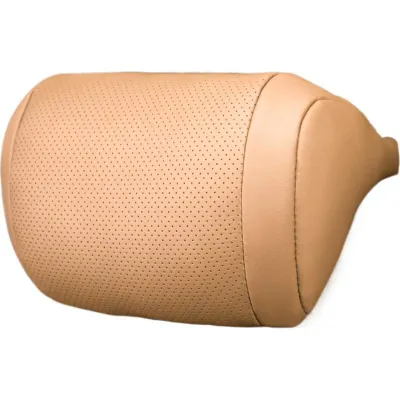
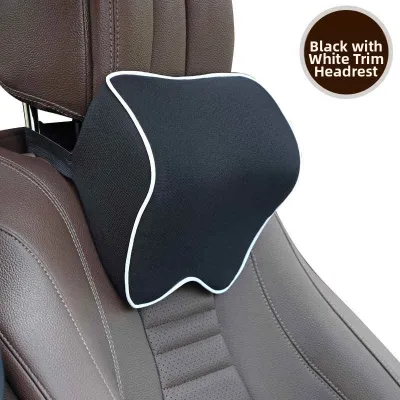
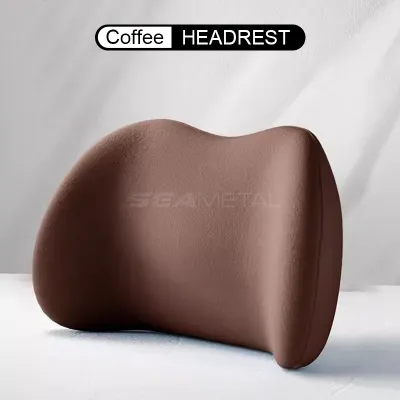

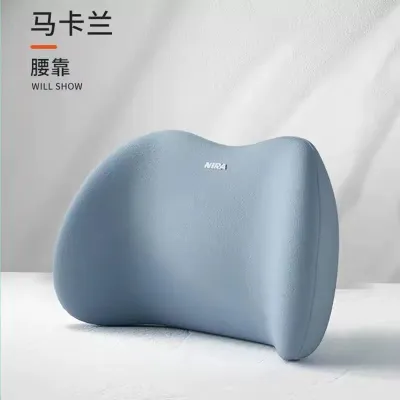
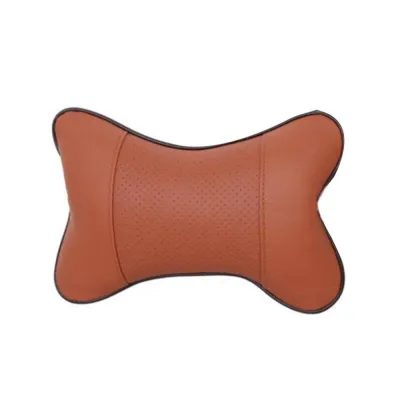
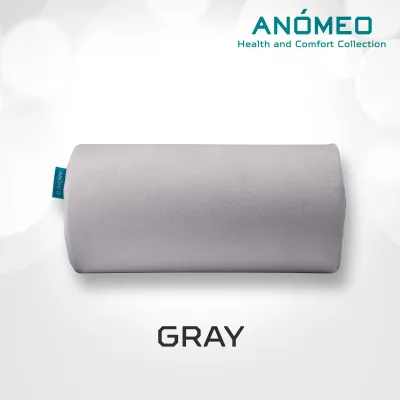

Prices are valid at publication and may change. Please refer to the product page for the latest price.
Mesh is an excellent choice for air circulation, making it highly suitable for hot and humid driving conditions. Constructed with an open, perforated weave, mesh allows air to flow freely between your neck and the headrest, preventing the buildup of sweat and body heat. This continuous ventilation keeps the skin dry and comfortable, even during long afternoon drives when the air conditioning struggles to cool the rear of the cabin. While mesh provides excellent thermal comfort, its texture is generally firmer and less plush than leather or fabric. Some drivers may find the springy, elastic tension of mesh supports less cushioning than the dense foam fillings typically found in fabric or leather options.
Durability and Longevity
Investing in a car seat neck support means expecting it to withstand daily friction, compression, and exposure to environmental elements inside the cabin. Genuine leather and high-quality synthetic alternatives are highly resistant to tearing and stretching, allowing them to maintain their shape over years of use. However, their longevity is heavily dependent on environmental exposure. Continuous exposure to intense ultraviolet (UV) rays through the windshield can dry out leather, leading to fading, cracking, or peeling over time. To prevent this, drivers often need to apply protective window films or use sunshades when parked outdoors.

Fabric supports are highly resilient against temperature-induced degradation, but they face different wear challenges. Frequent friction from your neck and hair can cause lower-quality fabrics to develop pills—small, unsightly balls of fiber on the surface. Over time, the seams of fabric covers may begin to fray, especially if the support is frequently adjusted or transferred between vehicles. To ensure longevity, look for fabric supports with tight, high-density weaves and reinforced double-stitching along the edges, which resist unraveling under constant pressure.
Mesh materials rely on their structural elasticity to provide support, making their tension retention a critical factor in durability. High-quality polyester or nylon mesh can maintain its springiness for a long time, but cheaper variants may sag or lose tension after a few months of heavy use. Additionally, the open-weave design of mesh makes it vulnerable to physical damage. Sharp objects, such as jewelry, zippers, hairpins, or pet claws, can easily snag the delicate netting, causing runs or tears that compromise both the appearance and the structural integrity of the support.
Maintenance and Cleaning Requirements
Maintaining hygiene is crucial for any accessory that remains in direct contact with your skin and hair for hours. Leather neck supports are exceptionally easy to maintain on a day-to-day basis. Because leather is non-porous, it does not absorb sweat, hair oils, or spilled liquids. If you notice dust, sweat, or dirt on the surface, a quick wipe-down with a damp microfiber cloth is usually sufficient to restore its clean appearance. However, to prevent the material from drying out and cracking, manufacturers often recommend periodic treatment with a dedicated leather conditioner, while advising against the use of harsh, alcohol-based chemical cleaners that strip away protective coatings.
Fabric supports require a more thorough cleaning process because they are highly porous and prone to absorbing moisture. Sweat, body oils, and hair products can quickly penetrate the fibers, leading to staining, discoloration, and the buildup of unpleasant odors over time. When selecting a fabric neck support, it is highly beneficial to choose a model with a removable cover. Verify the manufacturer’s care label to see if the cover is machine-washable or if it requires hand-washing and air-drying. For non-removable fabric covers, you will need to rely on fabric upholstery cleaners, spot treatments, and regular applications of fabric deodorizers to keep the support fresh.
Mesh supports present a unique maintenance challenge due to their perforated structure. While they do not absorb moisture as easily as fabric, the tiny gaps in the mesh weave act as traps for dust, lint, dandruff, and small debris. Over time, these particles can settle deep within the support, requiring regular vacuuming with a brush attachment to clear out. Cleaning a mesh support typically involves hand-washing with a mild detergent and warm water, as machine washing can distort the delicate netting or damage the internal frame. Because mesh is highly breathable, it dries much faster than fabric after washing, allowing you to put it back in your vehicle sooner.
Installation and Fit Considerations
Before purchasing any neck support, you must verify its compatibility with your vehicle’s specific seat design and headrest configuration. Most neck supports utilize strap mechanisms—such as elastic bands, adjustable buckles, or hook-and-loop fasteners—to secure themselves around the headrest posts. You should measure the distance between your headrest posts and compare it with the product’s specifications to ensure a snug fit. A loose strap will cause the support to slide down or shift sideways during drives, which can distract you and compromise your driving posture.
Ergonomic alignment is another critical factor to check. A neck support should fill the natural gap between your neck and the headrest without pushing your head forward at an unnatural angle. Look for supports with adjustable straps or removable inner padding, allowing you to customize the thickness and height to match your physical stature. If the support is too thick, it can force your neck into a forward-flexed position, leading to muscle strain and fatigue rather than relieving it.
Safety must always be your primary consideration when installing aftermarket interior accessories. Many modern vehicles are equipped with active head restraints designed to move forward during a rear-end collision to minimize whiplash injuries. You must consult your vehicle’s owner manual to ensure that any strap or mounting bracket does not interfere with the deployment path or mechanical operation of these safety systems. If your vehicle features integrated seatbelts or specialized seat contours, standard strap-on neck supports may not fit securely, requiring you to seek specialized, manufacturer-approved mounting solutions.
Decision Framework: Which Material Should You Choose?
To finalize your decision, align your choice with your primary driving habits, cabin environment, and maintenance preferences.
Choose leather if you prioritize a premium aesthetic that matches a leather interior, value the convenience of instant wipe-clean maintenance, and drive a vehicle with an effective air conditioning system that can quickly regulate cabin temperatures. Leather is ideal for professional environments or drivers who want a sleek, sophisticated look without worrying about deep stains or odors absorbing into the cushion.
Choose fabric if you prefer a soft, cozy texture against your skin, want a material that remains temperature-neutral throughout the year, and appreciate the convenience of a removable, machine-washable cover. Fabric is highly suited for daily commuters who want reliable, non-slip support and do not mind performing periodic deep cleans to keep the material smelling fresh.
Choose mesh if you live in a hot, humid climate, suffer from excessive sweating during drives, or frequently embark on long road trips where high ventilation is essential. Mesh is a practical option for drivers who prioritize functional breathability and physical cooling over plush cushioning, and who are willing to perform regular vacuuming to keep the weave free of dust and debris.
Before making any purchase, always perform a physical check of your car’s headrest design. Verify whether your vehicle has active head restraints, non-adjustable integrated headrests, or unique seat contours that might prevent a standard strap from securing properly. Taking these measurements and safety checks beforehand ensures that your chosen neck support provides both comfort and peace of mind on the road.
Frequently Asked Questions (FAQ)
Can I use a neck support with an active head restraint?
You must exercise extreme caution when installing any aftermarket neck support on a seat equipped with an active head restraint. Active head restraints are critical safety mechanisms designed to deploy forward during a collision to protect your neck from whiplash. If a neck support strap wraps tightly around the headrest or its mounting posts, it can restrict this movement or alter the deployment timing, potentially increasing the risk of injury. Always consult your vehicle’s owner manual and the neck support manufacturer’s guidelines to verify compatibility. If there is any doubt about safety interference, avoid installing the accessory.
How do I stop my neck support from sliding down the headrest?
To prevent a neck support from slipping, first ensure that the mounting straps are adjusted to their tightest secure setting without damaging the elastic. If the straps have stretched out over time, you can use strap adjusters or safety pins to shorten them. Additionally, look for neck supports that feature an integrated anti-slip silicone backing or textured rubber patches on the rear surface, which grip the seat material. Before installation, thoroughly clean the headrest posts and the surrounding seat fabric or leather with an appropriate, manufacturer-approved cleaner to remove oily residues, dust, or conditioning sprays that reduce friction.

Community discussion
Share your experience or ask a question. Comments are reviewed before publication.