
Selecting the right seat cover is one of the most practical upgrades you can make for your vehicle’s interior. Whether you are looking to protect brand-new upholstery from daily wear, conceal existing damage, or simply enhance your driving comfort, the material you choose plays a defining role in your daily commute. In a tropical, high-humidity environment like Singapore, this decision becomes even more critical, as cabin temperatures can soar rapidly when parked outdoors, directly affecting how comfortable your seats feel.
There is no single material that excels in every category. Instead, the ideal choice depends on a balance of your driving habits, aesthetic preferences, maintenance tolerance, and safety requirements. By comparing the distinct characteristics of leather, fabric, and mesh, you can identify which option aligns best with your lifestyle and vehicle configuration.
Leather, Fabric, and Mesh: Core Characteristics and Trade-offs
To make an informed decision, it is essential to understand the physical properties and structural differences of the three primary seat cover materials. Genuine leather is highly regarded for its premium tactile feel, natural aroma, and structural rigidity. It conforms gradually to the shape of the seat over time, offering a classic, high-end look. However, genuine leather requires regular conditioning to prevent drying and cracking, and it carries a higher initial cost.
Products mentioned in this guide
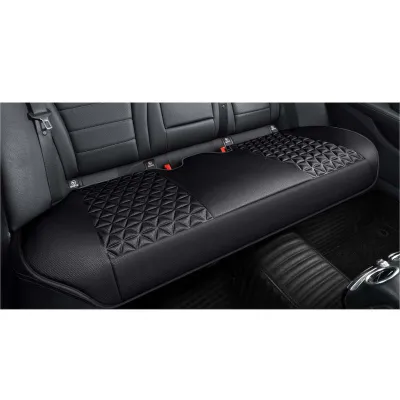
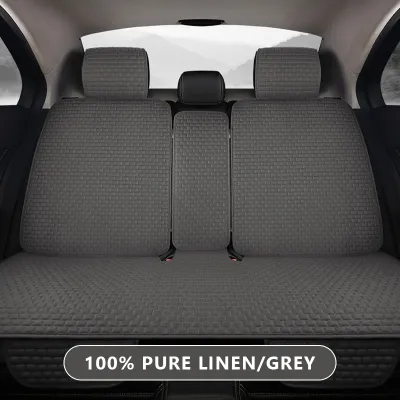
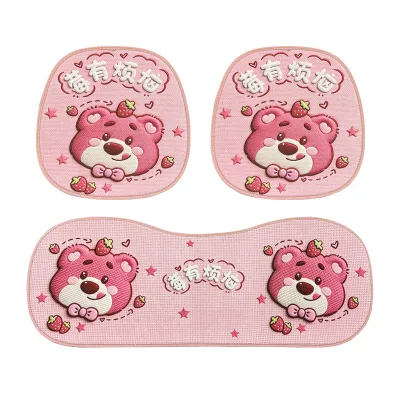
Prices are valid at publication and may change. Please refer to the product page for the latest price.
Synthetic leather, typically made from polyurethane (PU) or polyvinyl chloride (PVC), has become an incredibly popular alternative. It replicates the smooth texture and appearance of genuine leather while offering enhanced water resistance and lower maintenance requirements. Synthetic leather is highly durable and resistant to fading, making it a practical choice for drivers who want a premium aesthetic without the intensive upkeep of natural hides.
Standard fabric seat covers are usually constructed from woven polyester, canvas, or jacquard blends. These materials offer a soft, familiar texture and excellent structural flexibility. Fabric covers are highly customizable, available in numerous colors and patterns, and generally provide a more budget-friendly entry point. However, because fabric is inherently porous, it lacks the natural barrier against liquids that synthetic leather provides.
Breathable mesh structures utilize an open-weave design, often featuring a multi-layered 3D spacer fabric. This construction creates a physical gap between your body and the seat cushion, allowing air to circulate freely. Mesh is highly elastic and resilient, making it excellent for active drivers, though its textured surface can feel less smooth than leather or flat-woven fabric.
Many modern seat covers utilize material blends or multi-layer constructions to capture the benefits of multiple textiles. For example, a cover might feature synthetic leather bolsters for durability and a breathable mesh center panel for temperature control. Because these hybrid designs vary significantly, it is crucial to check the specific manufacturer specifications rather than assuming a cover behaves like a single, uniform material.
Comfort, Breathability, and Temperature Regulation
How a seat cover interacts with body heat and cabin temperature is a primary factor in daily driving comfort. Solid leather and synthetic leather are dense materials that tend to retain heat. When a vehicle is parked under direct sunlight, leather surfaces can absorb thermal energy rapidly, reaching temperatures that are uncomfortable to touch. Even with the air conditioning running, solid leather can restrict airflow against your back, leading to perspiration on longer drives.

In contrast, mesh and woven fabrics excel at temperature regulation. The open-weave structure of mesh allows continuous passive ventilation, preventing heat from becoming trapped between your body and the seat. This makes mesh an exceptional choice for warm climates, as it helps maintain a cool, dry seating surface even during extended commutes. Woven fabrics also offer better passive breathability than solid leather, though they do not match the high airflow capacity of dedicated mesh.
To bridge this gap, some leather covers feature perforated panels. While perforations improve breathability slightly, their effectiveness is highly dependent on your vehicle’s existing features. If your car is equipped with active seat ventilation or heating, adding a thick, non-perforated aftermarket cover can block sensors, alter thermal transfer, or restrict airflow entirely. Always verify if a seat cover is compatible with your vehicle’s climate-controlled seats before making a purchase.
Durability, Stain Resistance, and Daily Maintenance
Your household reality—such as whether you frequently transport pets, carry young children, or use your vehicle for commercial commuting—should heavily influence your material choice. Synthetic leather offers outstanding wipe-clean convenience. Spilled coffee, muddy paw prints, or dropped food can generally be wiped away immediately with a damp microfiber cloth, preventing permanent stains and odors from setting into the underlying seat.
Fabric covers, being highly absorbent, present a different maintenance profile. Liquids quickly sink into the fibers, requiring prompt spot cleaning with specialized upholstery shampoo to prevent staining. However, many high-quality fabric covers are designed to be completely removable and machine washable, offering a level of deep-cleaning capability that leather cannot match. Always consult the product’s care label to verify washing instructions, as improper machine washing can shrink the fabric or damage the backing.
Mesh covers present a unique maintenance challenge. While they do not stain as easily as light-colored fabrics, their open-pore structure acts as a trap for small debris, sand, crumbs, and pet hair. Cleaning mesh often requires thorough vacuuming with a brush attachment to dislodge particles embedded within the 3D weave.
Over time, each material exhibits distinct wear patterns. Fabric is prone to pilling, fading from UV exposure, and eventual seam fraying. Leather and synthetic leather may develop surface creases, cracking, or peeling, especially if exposed to harsh sunlight without proper UV protection. Mesh is highly resilient but can suffer from snagging if it comes into contact with sharp objects like keys, velcro, or pet claws. Inspecting your covers regularly for exposed foam, torn seams, or persistent odors will help you determine when it is time for a replacement.
Aesthetics, Fit, and Interior Integration
The visual impact of your seat covers can transform your car’s interior. Leather covers typically offer a tailored, original equipment manufacturer (OEM) appearance. When properly installed, high-quality leather covers hug the contours of the seats so closely that they are often indistinguishable from factory leather upholstery, giving the cabin a sophisticated, cohesive look.
Fabric and mesh covers lean toward a more casual, sporty, or utilitarian aesthetic. They are excellent for matching a modern, active lifestyle or giving a work vehicle a rugged, functional appearance. Because these materials are highly flexible, they can accommodate a variety of seat shapes, though they may not achieve the seamless, painted-on look of custom-molded leather.
Regardless of the material, safety must be your absolute priority during selection. Modern vehicles are equipped with side-impact airbags embedded within the outer bolsters of the front seats. Installing a seat cover that is not specifically designed to accommodate these airbags can delay or entirely prevent their deployment during a collision. Always verify that the seat cover features certified, airbag-compatible stitching or dedicated side openings.
To ensure both safety and a clean aesthetic, avoid the assumption that “universal-fit” covers will work perfectly on every vehicle. Universal covers often bunch up, slip out of place, or obstruct critical components such as seatbelt buckles, integrated headrest release buttons, rear seat split folding mechanisms (like 60/40 splits), and ISOFIX child seat anchors. Always consult the manufacturer’s specific fitment guide for your vehicle’s exact make, model, and year, and carefully review the anchoring mechanisms—such as straps, hooks, and chucks—to ensure a secure, non-slip installation.
How to Choose: A Decision Framework for Your Driving Habits
To finalize your choice, evaluate how your primary driving habits and daily priorities align with the strengths of each material. A structured approach can help narrow down the options:
Choose leather or synthetic leather if your primary goals are a premium, upscale interior appearance, effortless cleanup of liquid spills, and a material that resists pet hair accumulation. This option is highly suited for families with young children or drivers who appreciate a sleek, classic cabin.
Choose fabric if you prefer a soft, cushioned seating surface, want a wide selection of colors or patterns to personalize your cabin, and prefer the option to remove and thoroughly wash the covers when needed. Fabric is also an excellent choice for budget-conscious drivers seeking reliable protection.
Choose mesh if you prioritize maximum airflow to combat hot weather, frequently drive after outdoor activities or workouts, and want a highly breathable surface that prevents sweat buildup.
Before purchasing, always verify if your vehicle has specialized seating configurations. Sport bucket seats with aggressive side bolsters, integrated headrests, or seats with built-in heating and cooling elements require highly specialized covers to maintain full functionality and safety.
| Material | Maintenance Effort | Breathability | Aesthetic Style | Fitment Complexity |
|---|---|---|---|---|
| Leather / Synthetic | Low (Wipe-clean) | Low to Moderate | Premium / OEM-like | High (Requires precise fit) |
| Fabric | Moderate (Requires washing/spotting) | Moderate | Casual / Traditional | Moderate |
| Mesh | Moderate (Requires vacuuming) | High | Sporty / Utilitarian | Moderate to High |
Frequently Asked Questions (FAQ)
Will aftermarket seat covers interfere with side airbags?
Yes, aftermarket seat covers can interfere with side-impact airbags if they are not specifically designed to accommodate them. Many modern vehicles have airbags embedded in the sides of the front seats. To ensure safety, you must verify that the seat covers you purchase are explicitly labeled as airbag-compatible, featuring specialized break-away stitching or open side panels that allow the airbag to deploy without obstruction.
Can I install leather seat covers over existing fabric seats?
Yes, you can install leather or synthetic leather seat covers over existing fabric seats. However, because fabric has a textured surface, you must ensure the cover is anchored securely using the manufacturer’s provided straps, hooks, or chucks to prevent it from slipping or shifting during entry and exit. Additionally, layering a dense material like leather over thick fabric can add slight bulk to the seat, so choosing a custom-fit cover designed for your specific vehicle model is essential to maintain a clean, comfortable fit.
Community discussion
Share your experience or ask a question. Comments are reviewed before publication.