
Selecting the right seat cover material for your BYD Sealion 7 is a decision that directly impacts your daily driving comfort, cabin preservation, and passenger safety. In Singapore’s consistently warm and humid tropical climate, the choice between leather, fabric, and breathable mesh involves distinct trade-offs. While leather offers a premium look and effortless spill cleanup, fabric provides a softer, temperature-neutral seating surface, and mesh delivers unmatched airflow to combat back sweat. Finding the ideal option requires evaluating your daily commute, passenger profile, and maintenance preferences against the unique interior features of this electric SUV.
Verifying Fitment and Safety for Your BYD Sealion 7
Before purchasing any aftermarket seat cover, you must verify its physical compatibility and safety compliance with the specific trim of your BYD Sealion 7. The most critical safety boundary involves the vehicle’s restraint system; the front seats are equipped with side-impact airbags housed within the outer bolsters. You must ensure that any seat cover you install is explicitly certified as airbag-compatible, featuring specialized, low-tension stitching designed to break instantly upon deployment. Using an incompatible cover can delay or entirely block the airbag, posing a severe safety risk to occupants during a collision.
Additionally, the BYD Sealion 7 features advanced electronic controls, occupancy sensors, and seat ventilation systems that require unobstructed access. Ensure the seat covers have precise, custom-cut openings that do not block the electric adjustment switches on the outer sides of the seat bases. Covers must not interfere with the occupancy sensors that trigger seatbelt reminders, nor should they block the integrated ISOFIX anchor points in the rear seats. If your vehicle trim includes heated or ventilated seats, installing a thick, non-perforated cover will severely restrict thermal transfer and airflow, rendering these premium features ineffective. Always consult your vehicle’s owner’s manual and the seat cover manufacturer’s documentation to confirm exact fitment before proceeding with installation.
Products mentioned in this guide
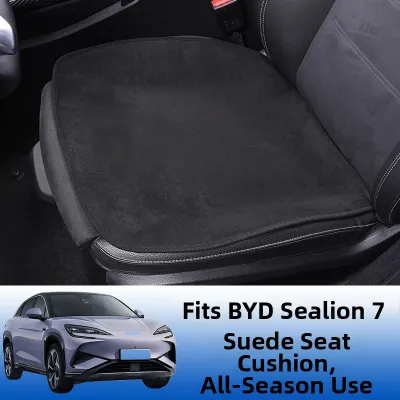
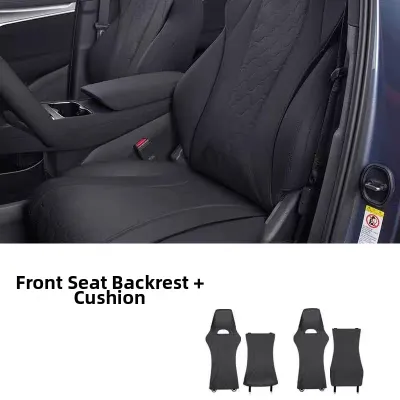
Prices are valid at publication and may change. Please refer to the product page for the latest price.
Leather and Leatherette Covers: Premium Look and Spill Resistance
Leather and synthetic leatherette covers are highly favored for their upscale appearance and exceptional resistance to liquid spills. For drivers who frequently travel with young children, pets, or food, the ability to quickly wipe away coffee, water, or mud with a damp cloth is a major convenience. Synthetic leatherette, such as high-grade polyurethane (PU), offers excellent durability and resistance to daily wear without requiring the specialized conditioning treatments that genuine leather demands.

However, solid leather and leatherette covers present distinct thermal challenges in Singapore’s sunny climate. When parked in unsheltered areas, these materials absorb and retain significant amounts of solar heat, making the seats uncomfortably hot to the touch upon entry. To mitigate this, look for seat covers featuring perforated center panels, which allow trapped heat to escape more rapidly. Additionally, check the product labels to ensure the material has been treated with UV-resistant stabilizers, as prolonged exposure to intense sunlight can cause lower-quality synthetic leathers to dry out, harden, and eventually crack.
Fabric Covers: Soft Touch and Temperature Neutrality
Fabric seat covers, constructed from materials like woven polyester, jacquard, or heavy-duty canvas, offer a softer texture and superior temperature neutrality. Unlike leather, fabric does not become scorching hot after hours of sun exposure, providing immediate comfort the moment you sit down. This makes fabric an excellent choice for daily commuters who prioritize a cozy, non-sticky seating surface during long drives.
The primary trade-off with fabric is its high susceptibility to liquid absorption and staining. Spills from sugary drinks, coffee, or even rainwater can quickly soak deep into the fibers, leading to persistent stains, bacterial growth, and unpleasant damp odors in Singapore’s high humidity. To prevent this, verify whether the fabric covers have been treated with a durable water-repellent (DWR) or stain-resistant coating during manufacturing. When cleaning is required, always review the manufacturer’s specific instructions; some fabric covers are machine-washable, while others require gentle hand washing or specialized upholstery foam to avoid shrinking or damaging the weave.
Breathable Mesh Covers: Maximum Airflow for Warm Climates
Breathable mesh covers, particularly those utilizing multi-layered 3D spacer mesh technology, are engineered specifically to maximize airflow. By creating a physical gap between your body and the solid seat back, mesh allows air to circulate continuously, significantly reducing perspiration and keeping you cool on humid days. This makes mesh highly practical for drivers who do not have access to active seat ventilation but want to maintain a fresh, dry back during extended trips.
Despite their cooling efficiency, mesh covers have specific structural and durability limitations that you should consider. The open-weave design typically offers less integrated padding than thick leatherette or heavy fabric, which may slightly alter the perceived softness of the seat. Furthermore, the porous surface is highly susceptible to trapping fine dirt, sand, and food crumbs, which can fall through the mesh pores and accumulate on the original upholstery underneath. Mesh is also vulnerable to snagging on sharp objects such as keys, pocket rivets, or pet claws, so it is essential to check for a reinforced structural frame and high-density knit patterns that resist tearing.
Material Comparison Matrix: Comfort, Durability, and Maintenance
To help you weigh your options, the following matrix summarizes how each material performs across key daily driving criteria:
| Material | Comfort & Temperature | Durability & Wear | Maintenance Effort | Climate Suitability |
|---|---|---|---|---|
| Leather / Leatherette | Retains heat; perforated options improve airflow | High resistance to wear; prone to UV cracking if untreated | Low; easily wipes clean of liquids and dust | Moderate; best with cabin pre-cooling |
| Fabric | Soft and temperature-neutral; comfortable instantly | Moderate; prone to pilling and staining over time | Moderate to High; requires prompt blotting and washing | High; remains comfortable in direct sunlight |
| Breathable Mesh | Maximum airflow; reduces perspiration | Moderate; susceptible to snags from sharp objects | Moderate; requires vacuuming to remove trapped debris | Excellent; ideal for high humidity and heat |
Decision Framework: Which Material Should You Choose?
Selecting the right material for your BYD Sealion 7 ultimately depends on aligning your daily driving habits with the strengths of each option. If your primary goal is to maintain a premium cabin aesthetic while ensuring effortless cleanup of daily spills and pet hair, leather or high-grade leatherette is the most suitable choice. If you prioritize immediate physical comfort, a soft touch, and a seat that remains cool even after parking in direct sunlight, fabric covers provide the best balance. For those who struggle with back sweat in humid weather and prioritize maximum ventilation above all else, breathable mesh covers offer the ultimate cooling solution.
Regardless of the material you choose, safety must remain your absolute priority. Always verify that the specific seat cover model is designed precisely for the BYD Sealion 7’s seat contours and features certified airbag-safe seams. If you are uncertain about installing the covers securely without blocking adjustment levers, seatbelt buckles, or airbag deployment paths, seek assistance from a qualified professional installer to ensure your safety systems remain fully functional.
Frequently Asked Questions (FAQ)
Will aftermarket seat covers affect my BYD Sealion 7 warranty?
Installing aftermarket seat covers generally does not void your entire vehicle warranty under standard consumer protection guidelines. However, any damage caused directly by the installation or use of incompatible covers—such as dye transfer onto the original upholstery, physical damage to the electric seat motors, or failure of safety systems due to blocked airbags—will not be covered under the manufacturer’s warranty. To protect your investment, always choose high-quality, custom-fit covers and consult your authorized BYD dealer or owner’s manual if you have specific concerns.
How do I clean spills on fabric versus mesh seat covers?
For both fabric and mesh covers, immediate action is crucial to prevent liquids from soaking into the underlying seat foam. Begin by blotting the spill immediately with a clean, dry microfiber cloth; avoid rubbing, as this pushes the liquid deeper into the weave. Use only manufacturer-recommended upholstery cleaners that are explicitly labeled as safe for your specific material, and avoid harsh household chemicals that can degrade the fibers or strip away water-resistant coatings. Finally, ensure the covers are completely dry before reinstalling them in your vehicle to prevent the development of mold, mildew, or musty odors in humid conditions.
Community discussion
Share your experience or ask a question. Comments are reviewed before publication.