
When driving in a hot and humid climate, entering a car parked under the sun can feel like stepping into an oven. The material covering your car seats plays a decisive role in how quickly your body cools down and how much sweat accumulates during your commute. While breathable mesh is the undisputed leader for passive airflow and heat dissipation, the absolute best option for your vehicle depends on your daily routine, whether your car features active ventilated seats, and how much effort you want to spend on maintenance.
Selecting a cooling cushion or a full seat cover requires looking beyond aesthetics. A cover that looks sleek might trap heat against your back, while a highly breathable option might require more frequent vacuuming to keep clean. By understanding how different materials interact with your car’s cabin environment, you can choose an accessory that keeps you comfortable even during the most humid midday drives.
How Leather, Fabric, and Mesh Manage Heat
To understand why certain seat covers feel cooler than others, it helps to look at how different materials handle thermal energy and air movement. Mesh is engineered specifically to facilitate maximum passive airflow. Its open-weave structure features thousands of tiny perforations that allow air to circulate freely between your body and the seat cushion. Because there is no solid barrier to trap your body heat, warm air escapes continuously, preventing the clammy, sweaty sensation that often develops during long drives.
Products mentioned in this guide
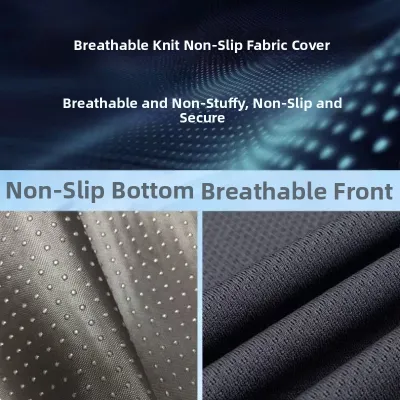
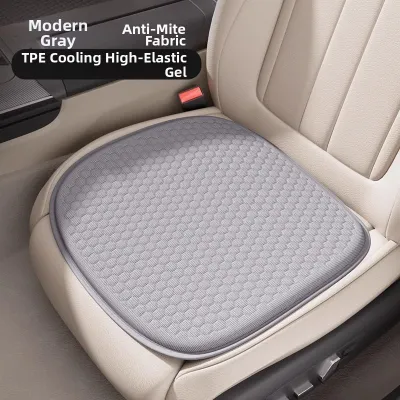
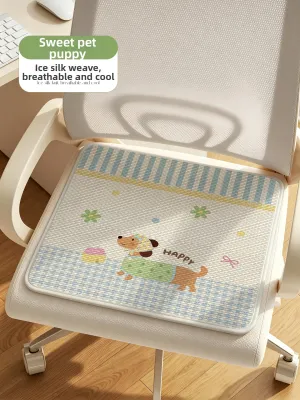

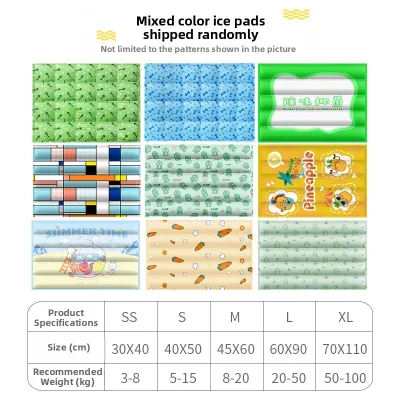
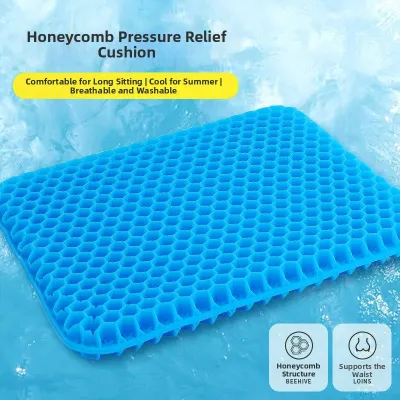
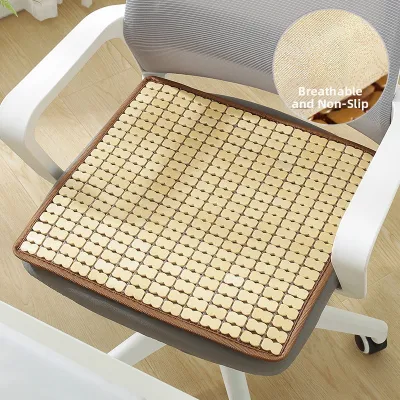
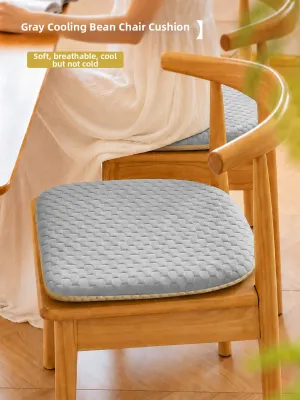
Prices are valid at publication and may change. Please refer to the product page for the latest price.
Fabric covers, typically made from woven polyester or nylon blends, offer moderate breathability depending on the weave density. While fabric does not get as scorching hot as solid synthetic materials in direct sunlight, it acts as an insulator over time. Woven fibers absorb moisture, wicking sweat away initially, but during extended trips, this moisture remains trapped within the fibers, eventually warming up to match your body temperature and creating a humid microclimate against your back.
Leather and synthetic alternatives like polyurethane (PU) leather have high thermal mass and very low natural breathability. When your car is parked in the sun, these solid surfaces absorb solar radiation rapidly and retain that heat for a long time. Sitting on a sun-baked leather seat can be incredibly uncomfortable. Once you turn on the cabin’s air conditioning, high-quality leather can cool down relatively quickly as the ambient air temperature drops. However, because the material is non-porous, any sweat your body produces cannot evaporate, leading to a sticky, uncomfortably warm seating surface during longer journeys.
Beyond Material: What Actually Keeps Car Seats Cool?
While the cover material is highly influential, several external factors dictate how cool your car seats actually remain. The distinction between active and passive cooling is crucial here. Passive cooling relies entirely on natural air circulation and the material’s ability to let heat escape. Active cooling, on the other hand, involves mechanical systems like factory-installed ventilated or cooled seats that push or pull air through the seat structure. If your vehicle is equipped with active ventilated seats, installing a solid, non-perforated cover will completely block this airflow, rendering an expensive factory feature useless.

Environmental variables also play a massive role in cabin temperature management. No seat cover can overcome the heat buildup of a car left in an open parking lot for hours without some assistance. High-quality solar control window films can significantly reduce the amount of infrared heat entering the cabin, making it much easier for your seat covers to stay cool. Additionally, the efficiency of your vehicle’s air conditioning system determines how quickly the ambient air temperature drops, which directly affects how fast your seat covers can shed absorbed heat.
Another often-overlooked factor is the thickness and composition of the cushion itself. Many aftermarket cooling cushions feature thick layers of memory foam or dense padding designed to improve seating comfort. However, thick foam acts as an excellent thermal insulator. Even if the outer layer is made of breathable mesh, a thick, dense core will trap your body heat and prevent it from dissipating downward. For optimal cooling, look for cushions that utilize thin, open-cell foam or specialized rubberized honeycomb structures that allow air to pass through the entire depth of the cushion.
Trade-Offs: Durability, Cleaning, and Daily Comfort
Every seat cover material involves a compromise between cooling performance, durability, and ease of maintenance. Leather and high-quality synthetic leather are exceptionally durable and easy to clean. If you spill a drink or track dirt into the car, a quick wipe with a damp microfiber cloth is usually all it takes to restore the surface. However, leather requires periodic conditioning to prevent it from drying out and cracking under intense UV exposure. In high-humidity environments, the smooth surface can also feel sticky against bare skin, especially if you are wearing shorts or short-sleeved shirts.
Fabric covers are highly resistant to extreme temperature spikes, meaning they will not burn your skin even after hours in the sun. They offer a soft, familiar texture that many drivers find comforting. The major downside to fabric is its susceptibility to staining and odor absorption. Sweat, spilled liquids, and pet dander penetrate deep into the woven fibers, requiring regular vacuuming, spot cleaning, or even full removal for machine washing or professional shampooing to keep the cabin smelling fresh.
Mesh covers provide unparalleled airflow and a lightweight feel, but they come with unique maintenance challenges. The open-weave design can easily snag on sharp objects like keys, pocket clips, or pet claws, which can unravel the material over time. Furthermore, small crumbs, dust, and dirt particles can fall through the mesh openings and accumulate in the crevices underneath, making deep cleaning a multi-step process. Some drivers also find that highly structured, stiff mesh can feel slightly abrasive against delicate clothing or bare skin during long commutes.
Decision Guide: Which Seat Cover Fits Your Driving Routine?
Choosing the right seat cover requires matching the material’s characteristics to your daily driving habits, vehicle features, and personal preferences.
You should choose a mesh cover or mesh cooling cushion if your primary goal is to eliminate back sweat and maintain maximum airflow. This is the ideal choice for drivers who frequently commute during the hottest parts of the day, operate vehicles with active seat ventilation, or live in regions with high year-round humidity. Mesh is also highly suitable for those who prefer a lightweight, low-profile accessory that does not alter the overall shape of the car seat.
You should choose a fabric cover if you want a balanced, cost-effective solution that provides moderate breathability without the extreme heat retention of leather. Fabric is excellent for daily drivers who want a soft, cushioned feel and a factory-like appearance. It is also a great option if you want to protect your original seats from wear and tear while avoiding the premium price tag of high-end leather covers.
You should choose a leather or synthetic leather cover if your priority is a premium, upscale interior aesthetic combined with effortless cleanup. This option is highly recommended for families with young children, pet owners, or rideshare drivers who need to sanitize their vehicle’s interior quickly between trips. If you rely heavily on your car’s air conditioning and typically park in shaded areas or garages, the initial heat absorption of leather will be less of an issue.
Before making any purchase, you must verify several critical vehicle compatibility factors. Check whether your car seats have integrated side-impact airbags, as standard seat covers can block these safety devices from deploying correctly in an accident. Look for covers specifically labeled as airbag-compatible, which feature specialized breakaway stitching. Additionally, verify that the cover design does not obstruct seat belt buckles, seat adjustment controls, or built-in heating and cooling ventilation paths.
Installation and Fitment Checks for Optimal Airflow
Proper installation is just as important as choosing the right material. When fitting a new seat cover or cooling cushion, always prioritize safety. Consult your vehicle’s owner manual to locate the exact deployment zones for seat-mounted side airbags. If you are installing a full seat cover, ensure that the manufacturer’s instructions are followed precisely, particularly regarding the alignment of the breakaway seams with the airbag exit points. Never use straps or clips that cross over these critical safety areas.
Achieving a snug, precise fit is also essential for maintaining optimal airflow. A loose, poorly fitted cover will slide around as you drive, causing the material to bunch up. This bunching not only creates uncomfortable pressure points but also blocks the very air channels designed to keep you cool. Ensure all tensioning straps, hooks, and chucks are secured tightly according to the product guidelines. If a cushion uses a non-slip backing, verify that it does not leave a sticky residue or cause friction damage to your original upholstery.
If your vehicle features highly contoured sports seats, active side bolsters that inflate during cornering, or complex electronic occupant sensors, standard universal-fit covers may not install safely or securely. In these cases, attempting a DIY installation can compromise your vehicle’s safety systems or damage expensive electrical components. If you encounter resistance, find that the straps do not align with your seat structure, or feel unsure about airbag compatibility, stop immediately and consult a professional automotive upholsterer or your vehicle’s authorized service center.
Frequently Asked Questions (FAQ)
Can I use a cooling cushion on top of leather seats?
Yes, you can use a cooling cushion on top of leather seats, but you must take precautions to protect the underlying material. Look for cushions with a soft, non-abrasive backing or a specialized non-slip silicone grip pattern that will not scratch or scuff the leather surface over time. Avoid cushions with harsh chemical backings that might react with the leather’s finish under high cabin temperatures. Additionally, keep in mind that adding a thick cushion will create an extra barrier, which can reduce the cooling sensation if your leather seats have built-in ventilation.
Do gel-infused cooling cushions work better than mesh?
Gel-infused cushions and mesh covers operate on entirely different physical principles. Gel cushions work through conduction; they absorb and store your body heat, providing an immediate, refreshing cooling sensation when you first sit down. However, gel has a limited thermal capacity. Over a long drive, the gel will eventually reach thermal equilibrium with your body, losing its cooling effect and sometimes even trapping heat. In contrast, mesh relies on convection and continuous airflow. While it may not feel instantly cold to the touch, mesh provides superior, long-term cooling by constantly allowing heat and moisture to escape throughout your entire journey.
Will a seat cover block my car's built-in ventilated seats?
Yes, a standard, solid seat cover made of leather, synthetic leather, or thick, densely woven fabric will completely block the airflow from your car’s built-in ventilated seats. To maintain this factory feature, you must use a cover specifically designed for ventilated seats. These specialized covers feature highly perforated panels, open-mesh sections, or specialized air-channeling layers that align perfectly with the seat’s built-in blowers, allowing the conditioned air to pass through to your body without restriction.

Community discussion
Share your experience or ask a question. Comments are reviewed before publication.