
Choosing the right seat belt cover is not about finding a single universal winner, but rather matching a material to your specific driving environment, comfort priorities, and maintenance habits. In a tropical climate like Singapore’s, where high humidity and intense cabin heat are daily realities, your choice of material directly impacts your daily commute.
For drivers seeking maximum ventilation and relief from sticky, humid days, breathable mesh offers unmatched airflow. If your primary goal is to relieve shoulder pressure during long drives, a padded fabric cover provides excellent cushioning. Meanwhile, synthetic leather or leatherette covers deliver a sleek, premium aesthetic that is incredibly easy to wipe clean after a workout or a rainy day. By evaluating how each material handles heat, wear, and cleaning, you can select an accessory that enhances your driving experience without compromising safety.
Understanding the Core Material Options
Before purchasing any interior accessory, it is essential to understand what actually goes into its construction. Seat belt covers generally fall into three primary categories based on standard manufacturing definitions: leather or leatherette, fabric blends, and breathable mesh. Rather than relying solely on creative marketing names on online marketplaces, always check the product tags or manufacturer specifications to verify the exact fiber content and backing materials used.
Products mentioned in this guide
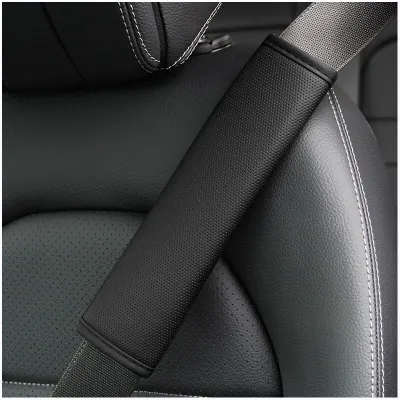
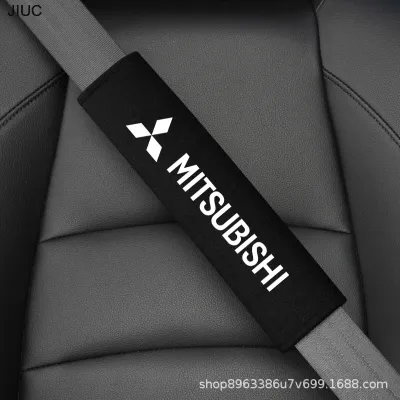
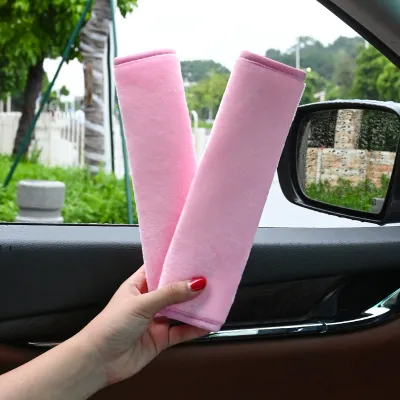
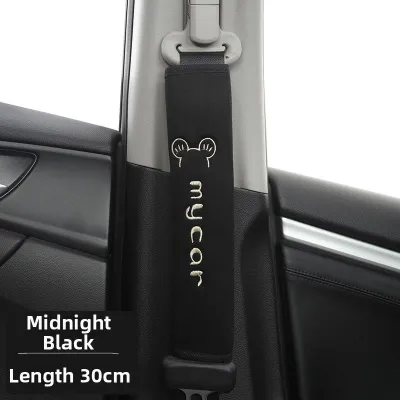
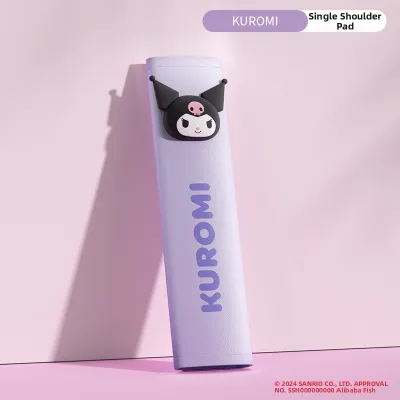
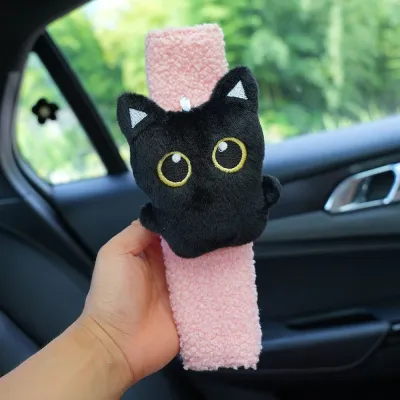
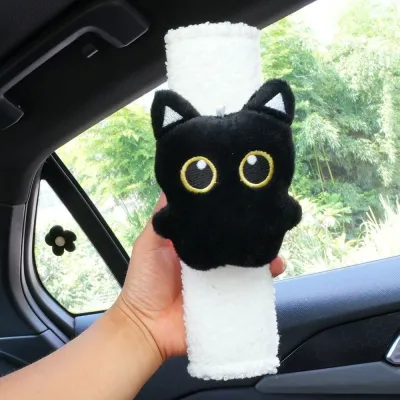
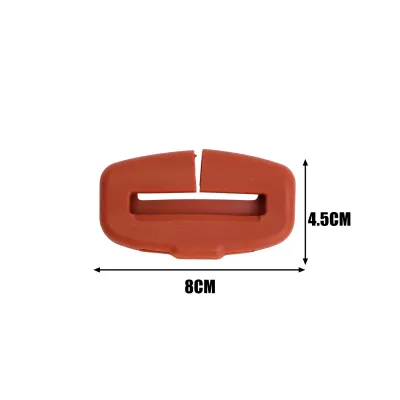
Prices are valid at publication and may change. Please refer to the product page for the latest price.
Leather and Leatherette Covers
Leather-style covers typically divide into genuine animal hide and synthetic alternatives like polyurethane (PU) or polyvinyl chloride (PVC). Genuine leather offers a distinct texture and natural aging process, while synthetic leatherette provides a highly uniform finish and excellent water resistance at a lower price point. Both options elevate the cabin’s aesthetic, matching factory leather seats seamlessly.
However, because these materials lack natural ventilation, they tend to retain heat when your vehicle is parked under direct sunlight. To maintain their appearance and prevent premature cracking, peeling, or fading, you must follow the manufacturer’s specific care instructions, which often involve avoiding harsh chemical solvents.
Fabric and Padded Covers
Fabric-based covers are highly popular for their soft texture and versatile cushioning options, commonly utilizing cotton, polyester, or synthetic neoprene. Cotton offers a soft, natural feel against the skin but may absorb sweat, while polyester and neoprene provide excellent elasticity and resistance to stretching.
These covers often feature internal foam padding or fleece linings to distribute the pressure of the seat belt strap across your collarbone. Because fabric fibers naturally trap dust, skin oils, and perspiration, it is crucial to verify the product label to see if the cover is machine-washable or restricted to spot-cleaning only.
Breathable Mesh Covers
Breathable mesh covers are engineered specifically for temperature regulation, utilizing an open-weave, multi-layered polyester structure often referred to as 3D spacer mesh. This design creates a physical gap between the seat belt webbing and your shoulder, allowing air to circulate freely and dissipate body heat.
When evaluating mesh options, pay close attention to the quality of the edge binding and the overall structural integrity, as poorly finished edges can fray rapidly under daily friction. Additionally, verify that the mesh texture is compatible with your clothing and any shoulder belt adjusters to ensure the material does not snag or pill delicate fabrics.
Key Comparison Dimensions for Your Driving Needs
Selecting the ideal seat belt cover requires looking past aesthetics to evaluate how a material performs under daily driving conditions. The primary decision axes for this accessory are comfort, long-term durability, and maintenance requirements. In Singapore’s tropical climate, where high humidity and intense solar radiation are constant, these performance dimensions become even more critical to your overall satisfaction.

Comfort and Climate Adaptability
Climate adaptability is often the deciding factor for drivers in warm regions. Breathable mesh excels in this category by maximizing airflow and actively preventing moisture buildup against your shoulder, making it highly comfortable during midday drives.
Padded fabric covers offer superior physical cushioning against seat belt tension, but their dense fibers can trap body heat and sweat, potentially leading to discomfort on longer trips. Leatherette covers feel smooth and premium but can become uncomfortably hot to the touch if the car has been parked in an open lot. For leatherette, you will likely need to run the cabin’s air conditioning for a few minutes to cool the material down before it feels comfortable against bare skin.
Durability and Wear Resistance
The lifespan of a seat belt cover depends heavily on its resistance to friction, body oils, and UV degradation from sunlight streaming through the windshield. Synthetic leatherette covers are highly resistant to surface abrasion, but prolonged exposure to high cabin temperatures and UV rays can cause the synthetic layers to dry out, peel, or crack over time.
Breathable mesh is highly resilient against stretching, but its open-weave structure makes it susceptible to snagging on sharp objects, jewelry, or rough clothing textures. Fabric covers generally resist peeling and snagging well, but cotton and low-grade polyester can fade, pill, or lose their structural padding after repeated washes. Always check the manufacturer’s warranty terms and material specifications for UV-stabilization treatments.
Maintenance and Cleaning Requirements
Your willingness to perform regular maintenance should align with the material’s care instructions to keep the cabin hygienic. Leatherette covers are the easiest to maintain, requiring only a quick wipe with a damp microfiber cloth to remove dust, sweat, and oils.
Fabric and mesh covers require more active care because their porous structures absorb sweat, skin cells, and environmental dust, which can lead to unpleasant odors over time. When cleaning fabric or mesh, always check the product label for approved cleaning agents; using harsh detergents can degrade the cover’s fibers or leave chemical residues that transfer to your clothing or damage the underlying seat belt webbing. Furthermore, you must ensure the cover is completely dry before reattaching it to prevent the growth of mold or mildew in the humid cabin air.
Material Comparison Matrix
To help you quickly evaluate the trade-offs between these three common materials, the table below summarizes their performance across key daily usability factors.
| Material Type | Airflow & Ventilation | Cushioning & Softness | Cleaning & Maintenance | Typical Best Use Case | Budget Tier (S$) |
|---|---|---|---|---|---|
| Leather / Leatherette | Low | Moderate | High (Wipe Clean) | Premium look, low maintenance | Mid to High |
| Fabric / Padded | Moderate | High | Moderate (Washable) | Maximum shoulder cushioning | Low to Mid |
| Breathable Mesh | High | Moderate | Moderate (Hand Wash) | Hot climates, high sweat relief | Low to Mid |
When reviewing this matrix, consider how the budget tier in S$ relates to the expected lifespan of the material. A slightly higher upfront investment in a UV-resistant leatherette or a high-density 3D mesh can save you from replacing a worn-out, frayed cover within a few months.
Safety and Fit Verification Before Installation
While comfort and style are important, your seat belt is a critical safety device, and any aftermarket accessory must not compromise its function. A seat belt cover must never interfere with the seat belt retractor, the buckle, or the pretensioner mechanisms that secure you during a sudden stop. Before purchasing or installing any cover, consult your vehicle owner’s manual to verify if the manufacturer permits aftermarket belt accessories, especially if your vehicle features seat-integrated airbags or advanced pretensioners.
During installation, ensure the cover fits snugly around the webbing without causing the belt to twist, bunch, or slip out of its proper alignment across your shoulder and chest. Once installed, pull the seat belt out fully and let it retract naturally; if the cover slows down the retraction speed or prevents the belt from feeding smoothly back into the pillar, it poses a safety hazard.
The cover must not add excessive bulk that prevents the latch plate from clicking securely into the buckle. If you notice any restriction in the belt’s locking mechanism, or if the cover slips constantly during driving, stop using the accessory immediately and consult a qualified automotive professional to find a safer alternative.
Final Decision Framework: Which Should You Choose?
To make your final decision, evaluate your daily driving habits, your vehicle’s parking conditions, and your personal comfort priorities. Choose a breathable mesh cover if you frequently drive in hot weather, park in uncovered spaces, or prioritize maximum airflow to prevent sweat patches on your clothes. Opt for a padded fabric cover if you regularly embark on long-distance drives and require substantial cushioning to relieve collarbone pressure from a tight seat belt. Select a synthetic leather or leatherette cover if you want to match a premium leather interior, prefer a simple wipe-clean maintenance routine, and do not mind waiting a moment for the cabin air conditioning to cool the surfaces.
Before finalizing your purchase, verify first if your vehicle has specialized safety systems, such as seat belt airbags, which can be obstructed by any wrap-around cover. Additionally, weigh the upfront cost in S$ against the material’s expected durability and care requirements. A cheap, unbranded cover may save money initially, but a durable, properly fitted option ensures long-term comfort and safety on every journey.
Frequently Asked Questions (FAQ)
Do seat belt covers affect the safety mechanism?
Yes, an improperly fitted or excessively thick seat belt cover can negatively affect the vehicle’s safety mechanisms. If a cover is too bulky or made of high-friction material, it can slow down the retraction speed of the belt, leaving excess slack across your torso during a sudden deceleration. It can also prevent the belt from locking instantly or block the deployment of seat-integrated airbags. Always ensure the cover does not obstruct the buckle or the retractor mechanism, and verify that the belt retracts smoothly and completely with the cover installed.
How do I measure my seat belt for a cover?
To ensure a secure fit that does not slip or bunch, measure the width of your seat belt webbing using a standard ruler; most passenger vehicle belts are approximately 4.6 to 5 centimeters wide. Next, check the product specifications of the cover you are considering, paying close attention to its closed width and the closure system, such as hook-and-loop fasteners or snap buttons. The cover should wrap snugly around the webbing with just enough clearance to slide smoothly along the belt when you put it on, without adding dangerous bulk or slipping down constantly during your drive.
Community discussion
Share your experience or ask a question. Comments are reviewed before publication.