
The choice between leather, fabric, and mesh seat belt buckle covers depends on your immediate driving environment, aesthetic preferences, and comfort needs. In hot, tropical climates like Singapore, where cars parked in the open absorb intense solar heat, a buckle cover prevents painful contact with scorching metal components. Leather offers a premium, durable finish that matches high-end interiors, fabric provides soft tactile comfort and diverse styling options, while mesh excels in breathability and rapid heat dissipation.
Beyond temperature control, these accessories serve a protective role. They shield the buckle housing from scratches caused by keys, rings, or passenger seat belt tongues, and they reduce annoying rattles against the center console. Choosing the right material requires evaluating how each handles heat, wear, and maintenance.
Identifying Your Core Needs for a Buckle Cover
Before purchasing a seat belt buckle cover, assess your daily driving habits and cabin environment. If your vehicle is frequently parked outdoors under direct sunlight, the temperature of the metal buckle tongue and plastic receiver can rise significantly, making heat resistance a top priority.
Products mentioned in this guide
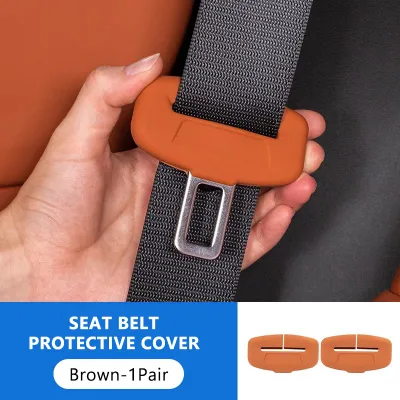
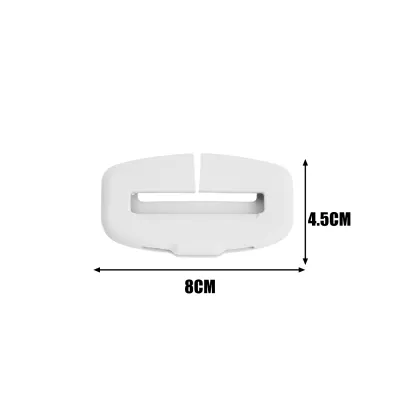
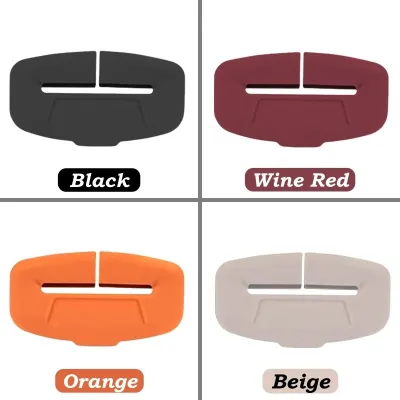
Prices are valid at publication and may change. Please refer to the product page for the latest price.
Consider who rides in your vehicle. Daily commuters, families with young children in child seats, or pet owners have different durability requirements. For instance, child seats might rub constantly against the buckle, requiring a highly abrasion-resistant cover.
Aesthetic alignment is another key factor. You want an accessory that complements your existing interior trim, whether you have factory leather seats, sporty fabric upholstery, or a minimalist modern cabin.
Leather Covers: Aesthetics and Long-Term Wear
Leather seat belt buckle covers are favored for their premium appearance and seamless integration with high-end cabins. If your car features a leather-wrapped steering wheel, gear shifter, or leather seats, these covers provide a cohesive, factory-installed look.

In terms of durability, leather—whether genuine or high-quality synthetic—stands up well to friction and physical wear. It is highly resistant to fraying and does not absorb dust or lint. Cleaning is straightforward: most surface spills, sweat, or dirt can be wiped away instantly with a damp cloth or a dedicated leather cleaner.
However, leather has specific limitations in warm climates. When exposed to intense cabin heat, synthetic leather can become sticky to the touch, and genuine leather may dry out or crack over time without proper conditioning. Additionally, new leather covers can be stiff initially, requiring a brief break-in period. Always check the manufacturer’s label to verify if the product is genuine or synthetic leather, as care requirements differ.
Fabric Covers: Softness and Design Versatility
Fabric seat belt buckle covers offer a soft, comfortable tactile experience that is highly appreciated by passengers. If you or your passengers frequently wear shorts or sleeveless tops, fabric covers eliminate the harsh feel of cold plastic or hot metal against bare skin.
Design versatility is a major strength of fabric. These covers are available in a wide array of colors, patterns, and textures, allowing you to personalize your car’s interior. From subtle neutral tones to vibrant sporty accents, fabric makes it easy to match or contrast with your seat covers.
The primary drawback of fabric is its porous nature. Fabric covers easily absorb liquid spills, sweat, body oils, and odors over time. To maintain hygiene, you must verify the specific washing instructions or stain-resistance claims on the product tag, as some fabrics require gentle hand washing while others are machine washable.
Mesh Covers: Breathability and Heat Management
Mesh seat belt buckle covers are engineered specifically for maximum airflow and heat management. In humid and hot climates, the open-weave structure of mesh prevents heat from becoming trapped against the metal buckle, allowing the component to cool down rapidly once the air conditioning is running.
The lightweight structure of mesh also means it does not add unnecessary bulk to the buckle assembly. If the cover gets damp from condensation, spilled drinks, or wet clothing, its quick-drying properties help prevent moisture from lingering and causing musty odors.
On the downside, mesh covers generally offer a more utilitarian, less premium visual profile compared to leather. The open weave is also susceptible to snagging on sharp objects like keys, jewelry, or velcro straps. When choosing a mesh cover, inspect the structural integrity of the stitching and edges to ensure the weave will not unravel under daily use.
Ensuring Safety, Proper Fit, and Material Quality
While buckle covers add comfort and style, vehicle safety must remain your absolute priority. Any aftermarket accessory installed near safety restraint systems must be evaluated carefully to ensure it does not compromise occupant protection.
The most crucial safety check is verifying that the cover design does not obstruct the red buckle release button or interfere with the latch mechanism. The seat belt tongue must be able to slide into the receiver smoothly and lock with a distinct, secure click. The cover should not add excessive bulk that prevents the buckle from engaging fully.
To ensure a proper fit, measure the physical dimensions of your vehicle’s buckle receiver—including length, width, and thickness—and compare them with the manufacturer’s sizing chart. A cover that is too loose can slip upward and block the insertion path, while one that is too tight might compress the release button continuously.
Always read the product tags for exact material composition, care instructions, and any stated flammability or safety standards. If you notice that a cover causes the buckle to jam, delays the release action, or lacks clear manufacturer specifications, remove the cover immediately and consult a qualified automotive professional or the vehicle manufacturer.
Frequently Asked Questions (FAQ)
Do seat belt buckle covers affect the airbag or pretensioner systems?
Generally, seat belt buckle covers do not affect the airbag or pretensioner systems, as they only sit on the exterior plastic or metal housing of the buckle receiver. However, some modern vehicles feature integrated sensors, wiring, or pretensioner mechanisms within or directly adjacent to the buckle assembly. Always consult your vehicle owner’s manual to ensure that no electronic sensors or safety components are obstructed or compressed by aftermarket accessories.
How do I clean a fabric or mesh buckle cover without removing it?
To clean a fabric or mesh cover without removing it, start by vacuuming any loose dust or debris from the surface. Mix a small amount of mild detergent with warm water, dip a clean microfiber cloth into the solution, wring it out thoroughly so it is only slightly damp, and gently spot-clean the soiled areas. Avoid using excessive water or harsh chemical cleaners that could seep into the internal metal mechanisms of the buckle. Ensure the cover is completely dry before using the seat belt to prevent moisture transfer and potential corrosion.
Community discussion
Share your experience or ask a question. Comments are reviewed before publication.