
Your car’s headrests are subject to constant contact with hair oils, sweat, styling products, and cosmetics. Over time, this exposure can lead to staining, discoloration, and material degradation of the original upholstery. Adding a headrest cover is a practical way to shield this high-contact area, but the material you choose will directly impact your daily driving comfort and cabin maintenance routine.
Selecting the ideal cover requires balancing your local climate, aesthetic preferences, and how much effort you want to spend on cleaning. While one driver might prioritize a sleek, wipe-clean surface that matches a premium interior, another might need maximum breathability to combat humidity and heat. By understanding the distinct characteristics of leather, fabric, and mesh, you can make an informed decision that protects your vehicle’s interior while enhancing your overall comfort on the road.
Identifying Your Core Needs: Comfort, Maintenance, and Cabin Climate
To find the right headrest cover, start by analyzing your daily driving environment and personal habits. Consider the length of your typical commute and who regularly rides in your vehicle.
Products mentioned in this guide
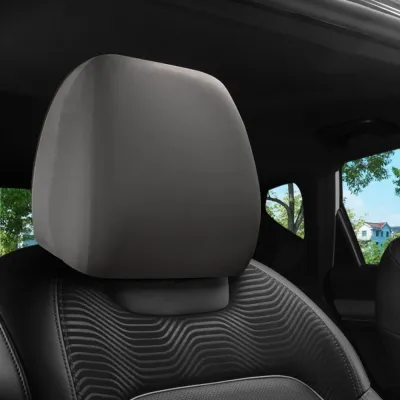
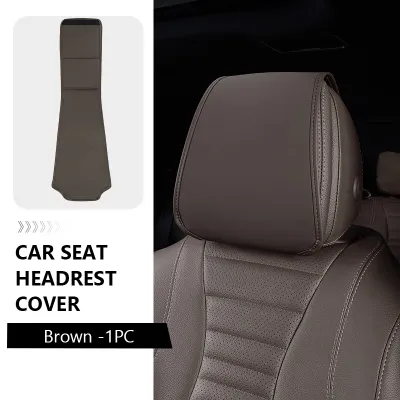
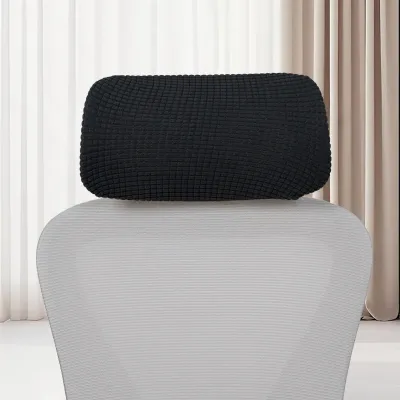

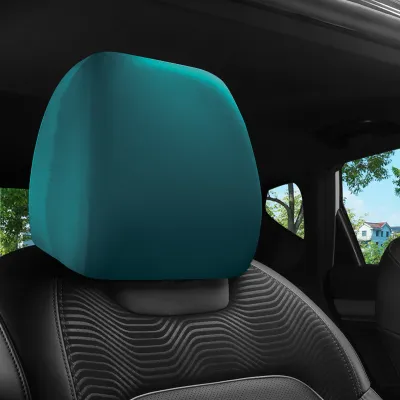
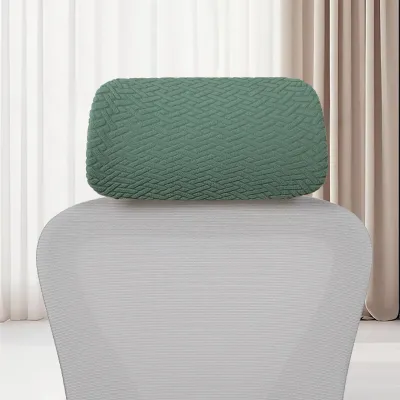
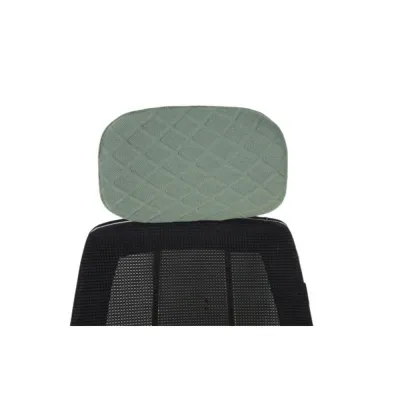
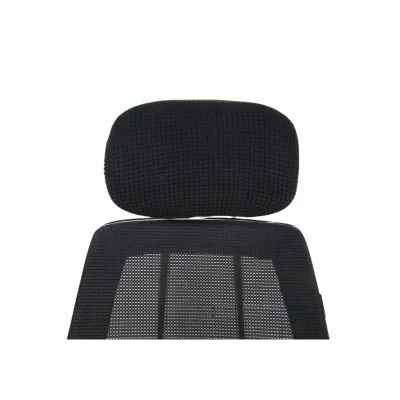
Prices are valid at publication and may change. Please refer to the product page for the latest price.
If you frequently drive after gym sessions, or if passengers apply hair products, sunscreen, or makeup, your headrests will accumulate residue much faster than average. This makes ease of cleaning a primary factor in your decision.
Cabin temperature patterns also play a significant role in material selection. Vehicles parked in open-air lots absorb substantial solar heat, making the interior surfaces exceptionally hot upon entry.
If you rely heavily on natural ventilation or wait for the air conditioning to cool the cabin, a material that retains heat will cause discomfort. Conversely, if your car is parked in shaded areas and cooled quickly, heat retention becomes less of an issue.
Finally, evaluate how the cover will integrate with your existing interior. Some drivers prefer a seamless look where the accessory blends perfectly with the original seats, while others prioritize tactile comfort over visual matching. Deciding whether you value a soft, cozy texture or a smooth, premium finish will help narrow down your choices immediately.
Leather Headrest Covers: Premium Aesthetics and Wipe-Clean Convenience
Leather and high-quality synthetic leather (often labeled as polyurethane or PU leather) headrest covers are highly favored for their sophisticated appearance and exceptional spill resistance. Because leather is non-porous, it prevents liquids, sweat, and hair oils from penetrating the underlying foam.

When dirt or cosmetics accumulate on the surface, a simple wipe with a damp microfiber cloth or a dedicated leather cleaner is usually all that is required to restore its clean appearance. This makes it an excellent choice for busy drivers who want a low-maintenance solution.
However, solid leather covers have natural limitations regarding temperature regulation. In warm climates, a car parked under direct sunlight can cause leather surfaces to become uncomfortably hot to the touch.
Without adequate ventilation, leather can also trap heat against your head and neck, leading to a sweaty feel during longer drives. To mitigate this, many manufacturers offer perforated leather designs that allow a small amount of air to circulate, though these still retain more heat than fabric or mesh.
When shopping for leather or faux leather options, it is essential to check product labels for UV resistance and colorfastness. Lower-grade synthetic materials can dry out, crack, or fade when exposed to constant sunlight through the rear and side windows. Choosing covers with UV-protective coatings and robust backing materials ensures the cover remains supple and does not transfer dye onto your original upholstery.
Fabric Headrest Covers: Tactile Softness and Everyday Practicality
Fabric headrest covers, typically made from woven polyester, cotton blends, velour, or canvas, offer a soft and inviting texture. Unlike leather, fabric does not become excessively hot in the summer or freezing in the winter, providing immediate temperature neutrality the moment you sit down.
This makes fabric an excellent choice for drivers who prioritize a cozy, cushioned feel against their head and neck during daily commutes. It provides a comfortable barrier that feels natural against bare skin.
The primary trade-off with fabric is its susceptibility to liquid absorption. Sweat, hair oils, rain droplets, and spilled beverages will quickly soak into the fibers, potentially leading to deep-set stains and unpleasant odors over time.
To maintain a hygienic cabin, you must verify the cleaning instructions on the product label before purchasing. Many fabric covers are designed to be removable and machine-washable, which simplifies long-term maintenance, while others require careful spot-cleaning with specialized upholstery shampoos.
The specific weave of the fabric also influences both durability and clothing interaction. Velour and brushed knit fabrics offer maximum softness but can attract lint, pet hair, and dust.
Heavy-duty canvas or denim weaves provide outstanding resistance to wear and tear, making them ideal for work vehicles or pet owners, though they feel much rougher against bare skin. Matching the fabric texture to your typical clothing and usage patterns is key to long-term satisfaction.
Mesh Headrest Covers: Airflow and Temperature Regulation
Mesh headrest covers are engineered specifically to maximize ventilation and moisture control. Utilizing a spaced, open-weave polyester or nylon structure, these covers allow air to flow freely between your head and the headrest.
This continuous circulation prevents the buildup of heat and perspiration, making mesh an incredibly popular choice in warm climates like Singapore or for drivers who tend to run warm. It helps maintain a dry, comfortable contact point throughout your journey.
While mesh excels at keeping you cool, the open-weave structure presents unique maintenance and durability considerations. The tiny gaps in the mesh can trap dust, crumbs, and small debris, which may require regular vacuuming with a brush attachment to clean thoroughly.
Additionally, the textured surface of a mesh weave can occasionally snag on hair accessories, jewelry, or rough clothing fibers, which can pull the threads and cause premature wear.
To ensure a mesh cover lasts, closely inspect the quality of the binding and edge stitching. The tension on a mesh cover is often higher than on other materials to maintain its springy, supportive shape.
Weak seams or thin elastic bands can quickly unravel under this tension, especially with frequent headrest adjustments. Look for reinforced double-stitching along the borders and high-density mesh panels that resist collapsing under pressure.
Material Comparison Matrix: Matching Traits to Your Driving Habits
To help you visualize how these materials compare in daily use, the following matrix summarizes their key characteristics, maintenance requirements, and common wear risks based on standard material properties.
| Material Type | Primary Cleaning Method | Tactile Feel | Heat Retention | Primary Wear Risk |
|---|---|---|---|---|
| Leather / Synthetic | Wipe clean with damp cloth or leather cleaner | Smooth, firm, and premium | High (unless perforated) | Cracking, peeling, and UV fading |
| Fabric / Cloth | Machine wash or spot-clean upholstery | Soft, cushioned, and cozy | Low to moderate | Staining, odor absorption, and pilling |
| Breathable Mesh | Vacuuming and hand-washing | Textured, springy, and firm | Very low | Snagging, debris accumulation, and seam split |
When using this matrix, consider which trade-offs align best with your lifestyle. For instance, if you have a busy schedule and prefer a low-maintenance interior, leather’s quick-wipe capability may outweigh its heat retention.
If you live in a humid environment and prioritize staying cool, the superior airflow of mesh will likely justify the extra effort required to vacuum out trapped dust.
Verifying Fit and Safety: Headrest Posts and Active Restraints
Before purchasing any headrest cover, you must verify that the accessory is fully compatible with your vehicle’s specific seat design and safety systems. Headrests are not merely comfort items; they are critical safety components designed to prevent whiplash and neck injuries during a collision.
Any cover that interferes with the proper adjustment or deployment of these systems poses a serious safety risk. Therefore, safety must always take precedence over aesthetic upgrades or material preferences.
Start by measuring the physical dimensions of your headrest, including the width, height, thickness, and the distance between the metal mounting posts. Headrest covers come in various attachment styles, such as slip-on designs with elastic hems, zipper closures, or adjustable hook-and-loop straps.
Ensure the attachment mechanism does not block the release buttons on the seat shoulder, which are necessary for adjusting the headrest height or removing it entirely. If a cover prevents you from locking the headrest into its correct safety position, do not use it.
Most importantly, consult your vehicle owner’s manual to determine if your car is equipped with Active Head Restraints (AHR). These safety systems are designed to automatically move the headrest forward and upward during a rear-end collision to cushion the occupant’s head.
A cover that wraps too tightly around the headrest, adds excessive bulk, or anchors itself to the seatback can restrict this movement or damage the internal deployment mechanism. If your vehicle features active safety headrests, only use covers explicitly certified by the manufacturer as compatible, or avoid covering them entirely to preserve their life-saving functionality.
Making Your Final Decision: A Conditional Selection Guide
To make your final decision, evaluate your vehicle’s specifications alongside your personal driving habits to find the material that fits seamlessly into your routine.
Choose Leather if you want a sleek, upscale appearance that matches your existing leather seats, and you prefer a simple wipe-clean maintenance routine. This option is ideal for drivers who frequently deal with spills, sweat, or cosmetics and want to prevent odors from penetrating the seat foam.
Choose Fabric if you prioritize immediate comfort, soft tactile feedback, and temperature neutrality when entering a hot or cold vehicle. This material is best suited for those who do not mind occasionally removing the covers for machine washing or spot-cleaning to keep the cabin smelling fresh.
Choose Mesh if your primary goal is to combat heat and humidity during long drives. The open-weave design provides unmatched ventilation to keep your neck and head dry, making it the ultimate choice for warm climates, provided you are willing to perform regular vacuuming to keep the weave clear of debris.
Verify first the design of your headrest posts and the presence of active safety systems before finalizing any purchase. If your vehicle has non-standard headrest shapes, integrated seatback designs, or active head restraints, prioritize safety and compatibility over aesthetic upgrades.
Frequently Asked Questions (FAQ)
Can I wash my headrest cover in a washing machine?
Whether you can machine-wash your headrest cover depends entirely on the manufacturer’s care label. Most fabric covers made from polyester or cotton blends are safe for gentle machine washing in cold water, though they should typically be air-dried to prevent shrinkage.
Leather and synthetic leather covers must never be placed in a washing machine, as the agitation and water saturation will crack, peel, or warp the material; instead, clean them using a damp cloth and a mild leather cleaner.
Mesh covers are best hand-washed in warm, soapy water and air-dried, as machine washing can snag the delicate open-weave fibers on the washing machine drum or other clothing items.
Will a headrest cover affect my car's active head restraints?
Yes, a headrest cover can seriously interfere with active head restraints if it is not designed with these systems in mind. Active head restraints rely on precise mechanical or pyrotechnic triggers to move the headrest forward during a rear-end collision, reducing the gap between the headrest and your head.
If a cover is too tight, bulky, or wraps around the base of the headrest in a way that restricts this movement, it can prevent the system from deploying correctly, significantly increasing the risk of whiplash.
Always consult your vehicle’s manual and check the cover manufacturer’s specifications to ensure the accessory is fully compatible with active safety systems before installation.

Community discussion
Share your experience or ask a question. Comments are reviewed before publication.