
Choosing the ideal headrest cover material is a practical way to protect your car’s interior while enhancing daily driving comfort. The decision between leather, fabric, and mesh depends on your primary cabin needs: leather provides a premium look and easy wipe-down maintenance, fabric offers soft and cozy everyday cushioning, and mesh maximizes airflow in warm climates. To make the right choice, you must evaluate your vehicle’s existing seat materials, assess your typical driving environment, and verify that any aftermarket cover is fully compatible with your car’s built-in safety systems.
Assessing Your Driving Environment and Seat Configuration
Your daily driving conditions play a significant role in determining which headrest cover material will perform best over time. In tropical climates with intense sun exposure, cabin temperatures can soar rapidly when parked in open-air carparks. If your vehicle lacks high-performance window tinting or if you frequently park under direct sunlight, materials that absorb heat or trap moisture can make the initial minutes of your drive highly uncomfortable. Evaluating how quickly your air conditioning cools the cabin helps determine whether you need a highly breathable material or one that offers standard insulation.
Next, identify the exact material of your current seats, whether they are genuine leather, synthetic leather, or cloth. Matching the headrest cover to this baseline ensures visual consistency and prevents mismatched textures from disrupting the cabin’s aesthetic.
Products mentioned in this guide
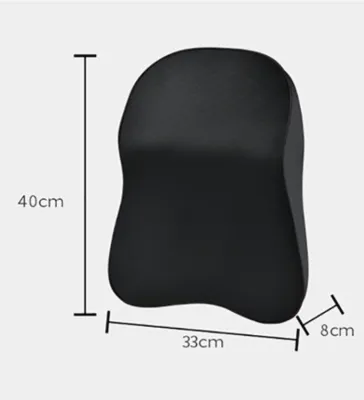
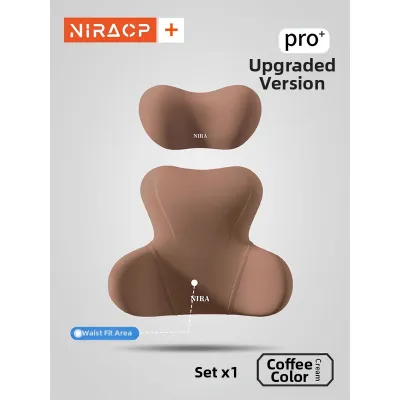
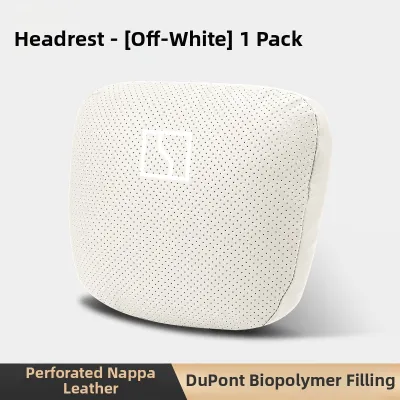
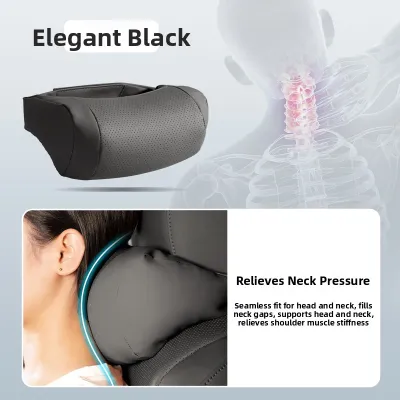
Prices are valid at publication and may change. Please refer to the product page for the latest price.
Before purchasing any aftermarket accessory, you must inspect your vehicle’s headrest mechanism. Consult your vehicle owner’s manual to determine if your car is equipped with active head restraints or whiplash protection systems. These safety features are designed to move forward during a collision to protect your neck, and adding an incompatible cover can restrict their movement or alter their deployment, posing a serious safety risk.
Leather Headrest Covers: Durability and Premium Matching
Leather and synthetic leather headrest covers are popular choices for drivers seeking a sleek, factory-like finish that integrates seamlessly with premium interiors. When shopping, it is essential to distinguish between genuine leather and synthetic alternatives like polyurethane (PU) or polyvinyl chloride (PVC) by carefully checking product labels, material tags, and manufacturer specifications. Genuine leather offers natural breathability and a distinct texture but requires regular upkeep, whereas high-quality synthetic options are often highly resistant to spills and require less intensive maintenance.

Sunlight exposure is a critical factor when choosing leather covers. You should evaluate the surface treatments of the product by looking for documented UV resistance in the manufacturer’s specifications. Darker leather shades tend to absorb and retain heat rapidly when exposed to direct sunlight, which can make the headrest uncomfortably hot to the touch after your car has been parked outside.
Maintenance is another key consideration for this material class. Verify whether the cover requires specialized leather conditioners to prevent cracking over time, or if it can be safely cleaned using standard interior wipes. Always refer to the manufacturer’s care instructions, as using unauthorized chemical cleaners on treated leather surfaces can strip away protective coatings and cause premature peeling or discoloration.
Fabric Headrest Covers: Everyday Comfort and Stain Management
Fabric headrest covers provide a soft, cushioned surface that remains temperature-neutral regardless of how long your car has been parked in the sun. When evaluating fabric options, examine the weave density and material thickness to gauge how much breathability and physical support the cover will offer against your head and neck. A tightly woven fabric may offer greater durability, while a looser, textured knit can provide a softer feel and better airflow.
Because fabric is naturally porous, stain management is a primary concern for daily drivers. Check the product specifications to see if the fabric has been treated with stain-resistant or water-repellent coatings. Understanding the recommended cleaning methods detailed on the care label is crucial; some fabric covers are machine washable, while others require spot cleaning with specific upholstery cleaners to avoid shrinking or warping.
Colorfastness and texture alignment are also important when pairing fabric covers with your existing seats. If your car has cloth or velour seats, choose a cover fabric that closely matches the weight and texture of the original upholstery. This prevents uneven wear patterns and ensures that the headrest does not look like an obvious, mismatched aftermarket addition.
Mesh Headrest Covers: Airflow and Ergonomic Support
Mesh headrest covers are highly valued by drivers who prioritize ventilation and ergonomic neck support, particularly during long commutes in humid weather. When selecting a mesh cover, inspect the overall mesh tension and the structural frame design. The mesh must be taut enough to support the weight of your head without sagging over time, yet flexible enough to contour comfortably to your neck.
You should also verify the thickness and quality of any padding situated behind the mesh layer. Pure mesh structures that lack a supportive backing can sometimes feel overly rigid or abrasive against bare skin during long drives. A thin layer of open-cell foam behind the mesh can provide the necessary cushioning while still allowing air to circulate freely.
Additionally, pay close attention to the attachment mechanism of the mesh cover. Ensure that the straps, buckles, or clips do not block the headrest’s vertical adjustment range. The cover must secure tightly to the headrest posts without slipping, and it must never interfere with the built-in safety mechanisms or adjustment buttons located at the base of the headrest.
Coordinating Textures and Colors with Existing Seat Covers
Achieving a cohesive, factory-installed look requires careful coordination of textures and colors between your new headrest covers and your existing seats. As a general rule, try to match material classes by pairing leather covers with leather or synthetic seats, and fabric or mesh covers with cloth seats. If you decide to create a contrasting custom look, ensure the contrast is intentional—such as pairing a sporty mesh headrest with a matching mesh seat insert—rather than a random mix of incompatible textures.
Color matching can be deceptive, so it is highly recommended to compare material swatches under both natural daylight and your car’s interior cabin lighting. A shade of grey or beige that looks identical online or under store lights may reveal clashing warm or cool undertones once installed inside your vehicle.
Pay attention to the visual weight of stitching patterns, seams, and edge piping on the cover. Choosing a headrest cover with stitching that matches the color and spacing of your seat’s original seams will help maintain a unified, professional appearance that looks like a natural extension of your car’s original design.
Safety Checks, Installation, and Material Care
The safety of your vehicle’s occupants must always take priority over aesthetic upgrades. Before finalizing your purchase or installing any headrest cover, re-verify that the cover’s straps, sleeves, or rigid frames do not obstruct the deployment path of active head restraints or nearby side-curtain airbags. Refer to your vehicle’s original documentation to identify where these safety systems are located and how they operate.
During installation, strictly follow the manufacturer’s instructions to secure the cover firmly. The cover must not restrict the headrest’s up-and-down movement or prevent the locking pins from engaging securely in the seatback slots. If the cover slips, slides, or alters the correct ergonomic angle of your headrest, it can compromise your safety in a collision.
Finally, adhere strictly to the care label for all washing, wiping, or conditioning tasks. If you notice any signs of material degradation, such as peeling synthetic leather, fraying fabric threads, or a sagging mesh frame, stop using the cover immediately. Consult a qualified automotive upholstery professional or detailer if you are unsure how to safely clean or repair the material without damaging your original seats.
Frequently Asked Questions (FAQ)
Can I use a mesh headrest cover on leather seats?
Yes, you can use a mesh headrest cover on leather seats, but you must take precautions to protect the leather surface. The rigid frames or rough backing of some mesh covers can cause friction and scratch delicate leather upholstery during daily use or adjustments. Before installing, check that the mesh cover features a soft, non-slip backing or protective padding where it contacts the seat. This prevents physical damage and ensures the cover remains securely in place without sliding.
Do headrest covers affect the safety of my car seats?
Headrest covers can affect safety if they are installed incorrectly or are incompatible with your vehicle’s design. You must ensure the cover does not interfere with active head restraints, whiplash protection systems, or integrated seatbelt guides built into your seats. If a cover alters the headrest’s original position, angle, or deployment mechanism, it can increase the risk of injury. Always consult your vehicle owner’s manual or a qualified automotive technician if you have doubts about compatibility.

Community discussion
Share your experience or ask a question. Comments are reviewed before publication.