
Choosing the right dog car seat cover depends on balancing your pet’s travel habits with your vehicle’s interior needs. There is no single universal winner; leather or faux leather excels at wipe-clean convenience, fabric offers comfort and hair management, and mesh provides targeted ventilation. By evaluating how your dog behaves during car rides and checking your vehicle’s specific layout, you can select a material that protects your seats while keeping your pet secure.
Identifying Your Dog's Travel Needs and Car Environment
Before comparing materials, evaluate your dog’s specific travel habits and your vehicle’s environment. A heavy shedder requires a different material than a dog prone to muddy paws or motion sickness. Consider whether your pet scratches at surfaces when anxious, as this can wear down certain materials faster than others.
The local climate also plays a significant role in your decision. In warm, humid environments like Singapore, car interiors can heat up rapidly, making heat retention a critical factor for your dog’s comfort. Additionally, determine the style of coverage your vehicle requires, such as a full hammock, a single bucket seat cover, or a simple backseat barrier.
Products mentioned in this guide
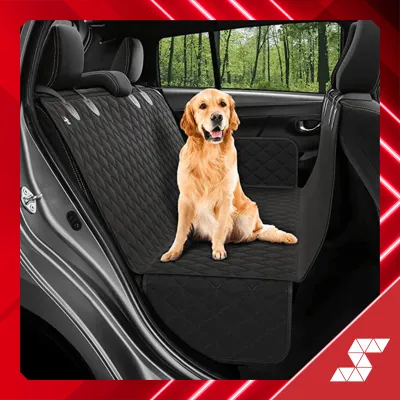
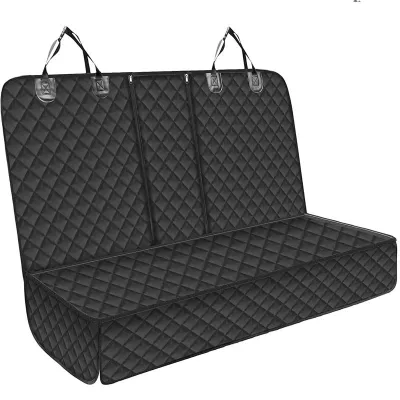
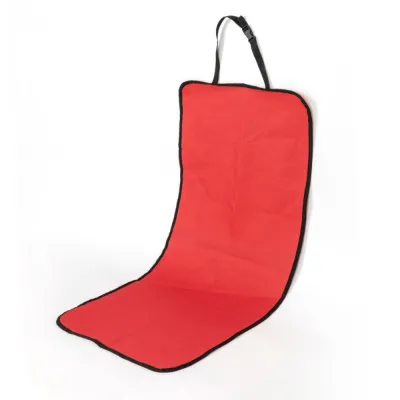
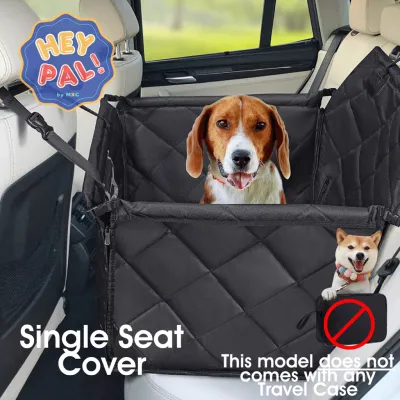
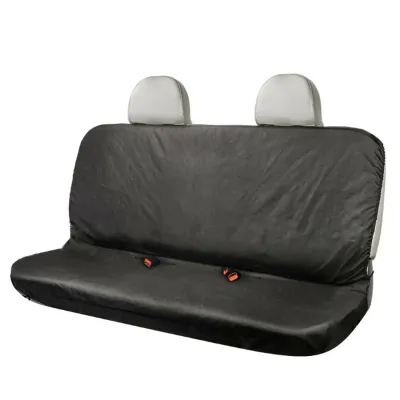
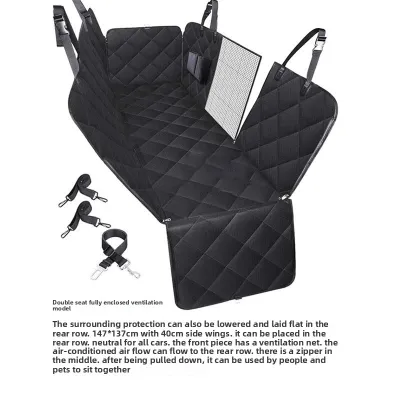
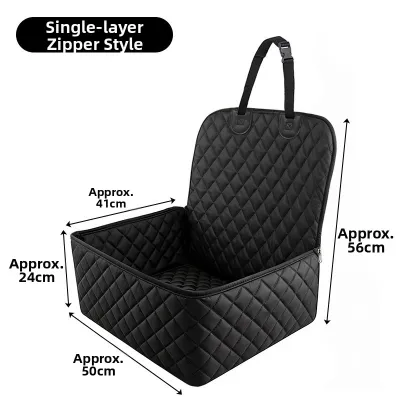
Prices are valid at publication and may change. Please refer to the product page for the latest price.
Leather and Faux Leather Covers: Wipe-Clean Durability
Leather and synthetic leather (such as polyurethane or vinyl) covers are highly valued for their liquid resistance and ease of cleaning. When your dog tracks in mud or has an accident, these materials allow you to wipe away the mess with a damp cloth. However, you should always check the manufacturer’s label to verify whether a specific cover is fully waterproof or merely water-resistant.

One trade-off of leather and faux leather is the surface texture. These covers can be slippery, which may cause older or anxious dogs to lose their footing during turns or sudden stops. To mitigate this, look for covers with textured, quilted, or non-slip surface patterns that provide better grip for your dog’s paws.
Temperature regulation and wear visibility are also important considerations. In hot climates, synthetic leather can absorb heat and become uncomfortably warm if the car is parked in the sun. Furthermore, while high-quality synthetic leather resists punctures, sharp dog claws can leave visible scratches or scuffs over time, so regular nail trimming is recommended.
Fabric and Canvas Covers: Comfort and Hair Management
Fabric covers, often made from heavy-duty canvas, polyester, or Oxford cloth, offer a softer and more secure surface for your pet. The natural texture of woven fabric provides excellent grip, helping your dog feel stable and relaxed during transit. This makes fabric a popular choice for anxious dogs or long road trips.
However, hair management can be a challenge with woven materials. Different fabric weaves trap pet hair differently; tight weaves like canvas release hair more easily during vacuuming, while looser weaves may hold onto fine fur. You will need to check the manufacturer’s care instructions to see if the cover can be machine washed and tumble dried, or if it requires line drying.
Do not assume all fabric covers are leak-proof. To protect your car seats from spills or urine, verify the product specifications for a built-in waterproof backing, such as a thermoplastic polyurethane (TPU) or polyvinyl chloride (PVC) layer. Without this inner barrier, liquids can seep through the fabric seams directly onto your vehicle’s upholstery.
Mesh Covers: Ventilation and Partial Protection
Mesh materials in pet travel accessories are typically used for ventilation panels, window guards, or backseat barriers rather than full seat coverage. The primary benefit of mesh is air circulation, which helps distribute air conditioning to the backseat and keeps your dog cool. This increased airflow, along with the ability to see you through a mesh window, can significantly reduce travel anxiety.
The main limitation of mesh is its lack of physical protection against heavy wear. Mesh panels cannot protect your seats from sharp claws, heavy shedding, or liquid spills. Because of this, mesh is rarely used as a standalone seat cover.
Instead, the most effective setup often combines a mesh barrier or a mesh viewing window with a durable fabric or leather base. This hybrid design allows you to enjoy the ventilation benefits of mesh while maintaining robust spill and scratch protection on the seat cushions.
Quick Comparison: Leather vs Fabric vs Mesh
To help you compare these materials at a glance, the table below outlines how each option performs across key practical dimensions. Note that actual performance will vary based on the specific product construction and manufacturer specifications.
| Material Type | Scratch Visibility | Spill Management | Comfort & Grip | Primary Cleaning Method |
|---|---|---|---|---|
| Leather / Faux Leather | Moderate to High (scuffs may show) | Excellent (wipe-clean surface) | Low to Moderate (can be slippery) | Wipe down with damp cloth |
| Fabric / Canvas | Low (weaves hide scratches well) | Moderate (requires waterproof backing) | High (excellent natural grip) | Vacuuming and machine washing |
| Mesh | High (susceptible to tears) | Low (liquids pass through) | N/A (used for barriers/windows) | Hand wash or spot clean |
Safety and Installation Checks for Car Seats
Regardless of the material you choose, a dog car seat cover must not compromise your vehicle’s safety systems. If you select a hammock-style cover, verify the strength of the headrest anchor straps and check if the manufacturer specifies any weight limits. The cover must be securely anchored to prevent it from collapsing under your dog’s weight.
You must also ensure the cover allows unobstructed access to seatbelt buckles and child seat LATCH anchors. This is crucial for securing your dog’s travel harness or installing child safety seats. Never block these safety interfaces with excess fabric or poorly designed cover flaps.
Crucially, verify that the seat cover is compatible with your vehicle’s side airbags. Many modern vehicles have airbags embedded in the sides of the front or rear seats. Check your vehicle’s manual and the seat cover’s documentation to ensure the cover does not block the airbag deployment seams. Additionally, look for covers with a certified non-slip backing to prevent the protector from shifting during sudden braking.
Decision Guide: Which Material Should You Choose?
To make your final decision, match your dog’s habits and your vehicle’s configuration to the most suitable material framework:
- Choose Leather or Faux Leather if: Your primary concern is quick cleanup of mud, wet paws, or drool, and your dog is calm enough not to slide on smoother surfaces.
- Choose Fabric or Canvas if: Your dog sheds heavily, needs extra grip to feel secure, and you prefer the convenience of throwing the entire cover into the washing machine.
- Choose Mesh if: You travel frequently in hot weather and want to maximize airflow to the backseat, ideally using a cover that features a mesh window integrated into a fabric or leather base.
Before purchasing, always verify if your vehicle has specialized seating features, such as integrated seatbelts in the seat shoulder, active headrests, or non-standard seat dimensions. These features may conflict with standard cover straps, requiring you to look for custom-fit options rather than universal designs.
Frequently Asked Questions (FAQ)
Can I use a regular blanket instead of a dedicated dog car seat cover?
While a regular blanket offers temporary scratch protection, it lacks the safety and security features of a dedicated dog car seat cover. Blankets do not have non-slip backings, meaning they can easily bunch up or slide off the seat during sudden stops, leaving your upholstery exposed. Furthermore, standard blankets are not waterproof and lack dedicated openings for seatbelt buckles, making it difficult to secure your dog’s safety harness.
How do I remove embedded dog hair from fabric seat covers?
Before attempting to clean your fabric cover, check the manufacturer’s care label for specific instructions. For stubborn, embedded pet hair, you can use specialized tools such as a rubber pet hair squeegee, a lint roller, or a rubber-bristled brush. Dragging a damp rubber glove across the fabric is also an effective, low-cost way to clump and lift loose fur from the woven fibers before vacuuming.

Community discussion
Share your experience or ask a question. Comments are reviewed before publication.